
Flame‑resistant (FR) workwear needs deliberate, documented care to keep its protective performance and certification intact. A frequent question from maintenance and laundry teams is whether borax is safe to use when washing FR garments. This page explains why borax is not recommended for commercially manufactured FR apparel, lays out reliable washing practices for shirts, jackets, and coveralls, and lists chemicals and treatments to avoid. You’ll find a concise how‑to checklist for routine laundering, explanations of problem additives, and practical B2B guidance on when to choose industrial laundering to protect compliance and warranty. We tie fabric type (inherent FR fibers versus factory finishes) to laundering effects so laundry supervisors and procurement managers can make informed choices that preserve NFPA 2112 and EN ISO 11612 performance. All recommendations reflect manufacturer reasoning and operational steps to help employers and service providers keep FR fleets safe and auditable.
VisonSafety is a manufacturer and trusted B2B partner for FR and hi‑vis workwear, providing OEM/ODM services, certification paperwork, batch testing and full quality control to support garment supply and laundering programs. For buyers vetting suppliers or laundry partners, VisonSafety offers certified materials, on‑time sampling, flexible MOQs, fabric batch traceability and DDP shipping — capabilities that help procurement teams align garment selection and care with compliance requirements. Use this practical care guidance alongside VisonSafety’s manufacturing and testing services when you build a verified garment lifecycle program.
Is Borax Safe for Washing Commercial Flame Resistant Clothing?
Adding borax (or boric acid) to a wash is generally not advised for commercially manufactured FR garments. Residues and chemical interactions can change ignition behavior and interfere with factory‑applied finishes. FR protection comes from either inherently flame‑resistant fibers (for example, meta‑aramid or specially treated blends) or durable finishes applied under controlled conditions. Introducing borax during laundering can shift wash pH, leave mineral crystals on fibers, or interact with finishes and adhesives. Even thin residue layers can alter heat transfer or reduce the char behavior that resists flame spread. Always follow the garment care label and the manufacturer’s instructions — avoid untested additives.
What are the main reasons to avoid borax when laundering FR clothing?
- Borax can leave mineral residues on fibers that change ignition and smoldering behavior.
- Borax’s pH and ionic content may react with FR finishes and reduce their effectiveness.
- Using borax risks voiding manufacturer warranties or compromising certified performance.
Those mechanisms show why laundering should rely on approved detergents and traceable processes rather than DIY additives.
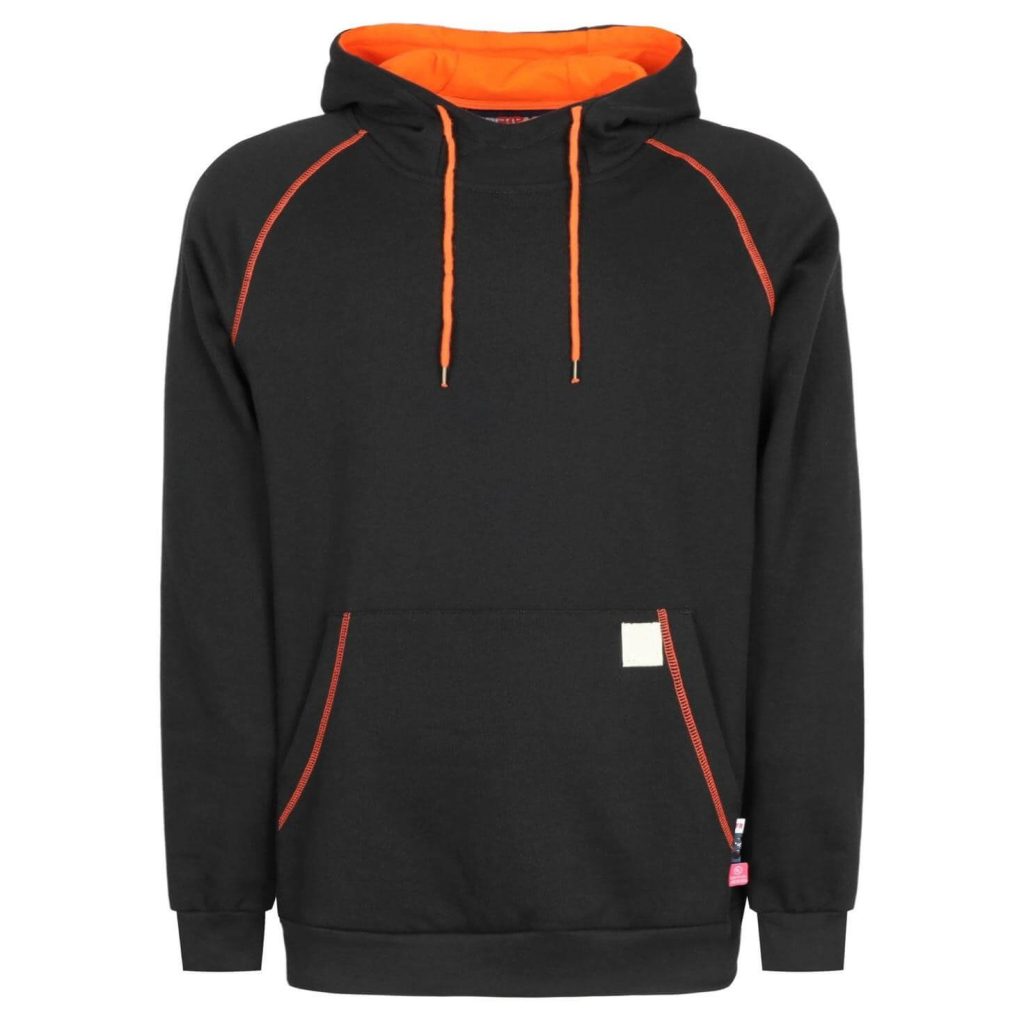
Get a Custom FR Clothing Quote from VisonSafety
What Are the Risks of Using Borax on FR Fabrics?
The primary risk is residue: borax salts or crystals can remain after rinsing and either form a combustible surface layer or change how the fabric chars under heat. Chemical interactions are also a concern because many FR finishes depend on controlled chemistries and bonding that can be hydrolyzed or altered by ionic detergents or mineral additives.
A secondary risk is the impact on audit and certification claims — if a garment is tested after exposure to borax and fails, warranty or compliance assertions may be invalidated. Treat borax exposure as a contamination event: remove affected garments from service and have them evaluated before reuse.
How Does Borax Differ as a DIY Flame Retardant vs. a Washing Additive?
In the past, borax or boric acid showed up in home recipes intended to give untreated cotton temporary, superficial flame resistance. That DIY approach is not comparable to certified factory treatments, which are applied at controlled concentrations with fixatives or chemistries designed for predictable, tested performance over the garment’s life. Adding borax to a wash will not convert a non‑FR garment into safe PPE — it creates contamination and inconsistent protection. Employers should rely on factory‑certified solutions rather than home remedies.
What Are the Best Washing Guidelines for Flame Resistant Clothing?
Safe FR laundering focuses on mild, non‑ionic detergents, controlled water temperature, and separation from non‑FR loads to avoid cross‑contamination. The objective is to remove soils without introducing oxidizers, softeners, or finishes that change surface chemistry. Proper mechanical action, gentle spin cycles and validated drying techniques preserve fiber integrity and finishes while delivering repeatable cleaning for fleets. Below are practical steps and a compact wash‑parameter table to guide onsite and contracted laundries.
Follow these core washing steps for FR garments:
- Sort Loads : Wash FR items separately from regular clothing and heavily soiled items.
- Choose Detergent : Use mild, non‑ionic, phosphate‑free detergents without optical brighteners.
- Control Temperature : Wash in warm water per the garment label; avoid excessive heat.
- Dry Carefully : Tumble on low or line dry according to instructions; avoid high‑heat cycles.
These practices help maintain flame resistance while effectively removing contaminants.
Intro to wash‑parameter table: The table below summarizes recommended detergent types and machine settings for routine FR laundering.
Which Detergents Are Recommended for FR Clothing?
Choose mild, non‑ionic detergents that are free of optical brighteners, chlorine bleaches and fabric softeners — those additives can leave films or alter finish chemistry. Industrial laundries should review detergent SDS to confirm ingredients and use FR‑specific laundry products when available to support traceability and QA. Avoid high‑alkaline soaps and tallow‑based cleaners that can de‑fat fibers or leave residues. When managing certified fleets, record detergent batches in laundering logs.
What Washing Practices Help Maintain FR Properties?
Operational best practices include washing FR garments separately, using appropriately sized loads to ensure soil removal, and inspecting garments after washing for deposits or damage. Implement SOPs that document detergent batches, cycle parameters and periodic performance testing after heavy or repetitive cleaning. For heavy oil contamination, use industrial pretreatment and validated processes rather than repeated domestic washing. Consistent procedures preserve FR performance and produce the documentation auditors expect.
Which Chemicals Should You Avoid on FR Clothing to Maintain Safety?
Some common laundry chemicals and topical products can degrade FR finishes, increase fabric fuel load, or leave residues that change ignition behavior. The most problematic categories are strong oxidizers, fabric softeners, starches and some oil‑based topical treatments — each acts through mechanisms such as oxidation, coating transfer or added combustible material. The list below and the accompanying table summarize chemicals to avoid and why.
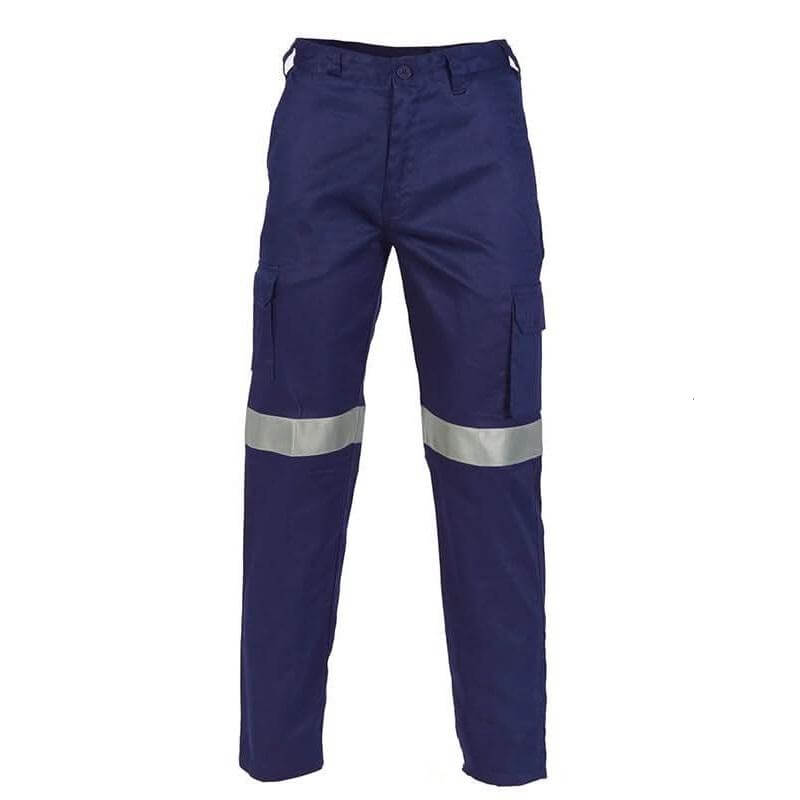
Get a Custom FR Clothing Quote from VisonSafety
Avoid these chemicals and additives:
- Chlorine or oxygen bleach : Oxidizes and weakens FR finishes and fibers.
- Fabric softeners : Leave hydrophobic residues that can increase flammability.
- Starch and sizing : Add combustible material to the fabric surface.
- Oil‑based repellents / heavy topical treatments : Increase fuel load and impair wicking.
These items materially raise risk when present on FR garments and should be excluded from laundering and onsite treatments.
Intro to chemical risk table: The table below maps common chemicals to their effect on FR clothing and assigns a simple risk level.
Why Are Bleach, Fabric Softeners, and Starch Harmful to FR Garments?
Bleach is an oxidizer that can break polymer chains or change finish chemistry, quickly reducing the char‑forming behavior that underpins FR performance.
Fabric softeners deposit hydrophobic films that alter surface energy, potentially increasing flammability and reducing moisture management during arc or heat exposure.
Starch and sizing add combustible solids to the fabric surface, giving flames additional fuel. If contamination occurs, remove garments from service, evaluate them and consider lab testing before returning them to use.
What Other Additives Can Compromise Flame Resistance?
Topical insect repellents, oils, greases, certain sunscreens and DEET can persist through home washing and significantly raise ignition risk by increasing fuel load or changing surface chemistry. Oily soils are especially difficult to remove and may require industrial solvent‑based pretreatment to clean without harming FR finishes. Segregate heavily contaminated garments and send them to an industrial laundry with documented QA to confirm contaminant removal before reuse.
How Can B2B Clients Properly Launder FR Clothing for Longevity and Compliance?
Large employers and contractors should consider industrial laundering as a governance and compliance tool when volume, contamination type or audit requirements exceed what in‑house washing can guarantee. Industrial services provide traceability, controlled chemistries, validated wash cycles and batch testing that help maintain NFPA 2112 and EN ISO 11612. When selecting a laundry or specifying supplier requirements, include detergent SDS review, cycle parameter control and periodic lab testing in contracts to protect certification performance. The table below compares laundering options to support procurement decisions.
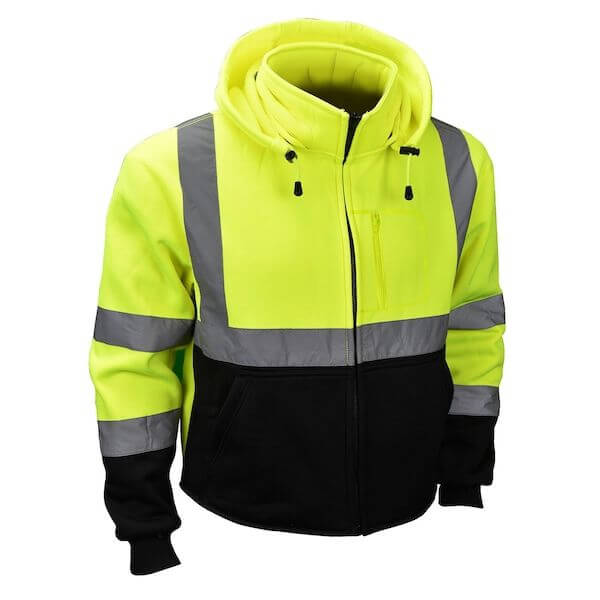
Get a Custom FR Clothing Quote from VisonSafety
This comparison helps procurement and safety teams choose the laundering model that best supports long‑term compliance and garment life.
When Is Industrial Laundering Recommended Over Home Washing?
Industrial laundering is recommended when your fleet size, the type of soils (oil or chemical), or audit requirements demand chain‑of‑custody and batch traceability. Industrial services deliver consistent detergent formulations, controlled mechanical action and validated drying that extend garment life and preserve certified performance. A cost‑benefit review often favors industrial processing because it reduces replacement frequency and lowers the risk of compliance failures. Include periodic performance testing and clear SOPs in service agreements.
How Does Proper Care Support FR Certifications Like NFPA 2112 and EN ISO 11612?
Correct care preserves the material properties and finishes evaluated during certification testing; improper laundering can change those properties and effectively void compliance claims. Follow manufacturer instructions, document laundering cycles and perform periodic lab verification after extensive industrial washing to ensure continued conformity with NFPA 2112 and EN ISO 11612. For B2B buyers needing OEM/ODM support, VisonSafety’s testing, fabric batch traceability and QC services can be integrated into procurement and laundering programs to protect performance and supply‑chain documentation for audits.
Can You Use Borax on FR Clothing | FAQs
Can I use fabric softeners on FR clothing?
No. Fabric softeners leave hydrophobic residues that change a fabric’s surface chemistry and can increase flammability. They also interfere with moisture management. Use mild, non‑ionic detergents formulated for FR garments to maintain protective performance.
How often should FR clothing be laundered?
Frequency depends on exposure and work type. As a general rule, launder FR garments after each use when they are exposed to heavy soils, oils or chemicals. Regular cleaning helps preserve FR integrity and supports safety compliance. Always follow the manufacturer’s care instructions.
What should I do if my FR clothing gets contaminated with hazardous materials?
Immediately remove contaminated garments from service. Record the contamination and route the items to an industrial cleaning process capable of removing the specific contaminant without degrading FR properties. Keep documentation of the contamination and cleaning steps and consult an experienced FR laundry provider for best practice.
Are there specific drying methods recommended for FR clothing?
Yes. Tumble dry on low heat or line dry per the garment’s care label. High‑heat drying can damage fibers and finishes and reduce flame resistance. Always follow manufacturer instructions to preserve fabric integrity and compliance.
What are the signs that FR clothing needs to be replaced?
Replace FR garments if you see significant wear such as fraying, holes or severe discoloration. Also replace or evaluate items exposed to improper laundering or hazardous contamination that could compromise protective performance. Regular inspections and adherence to care guidelines help ensure garments remain effective.
Can I use bleach on FR clothing for stain removal?
No. Bleach is an oxidizer that degrades fibers and finishes, reducing flame‑resistant properties. Use FR‑safe stain pretreatment products that are solvent‑free and low‑residue, and follow the manufacturer’s recommendations for stain removal.
How can I ensure my FR clothing remains compliant with safety standards?
Follow manufacturer care instructions, document laundering and drying processes, inspect garments regularly for wear or contamination, and schedule periodic lab testing after extensive use or industrial laundering. These steps help verify continued compliance with standards such as NFPA 2112 and EN ISO 11612.
Conclusion
Protecting the performance of flame‑resistant clothing starts with the right laundering choices. Avoid additives like borax, follow approved washing and drying practices, and route heavily soiled or contaminated items to qualified industrial laundries when necessary. Partnering with an experienced laundry provider or a manufacturer‑partner like VisonSafety helps preserve protective qualities, support audits and reduce lifecycle costs. Explore our resources or contact us to build a verified FR garment care program for your workforce.
 English
 Deutsch
 Français
 Polski
 Português do Brasil
 Español
 日本語
日本語 Русский
 العربية
 Italiano
 Nederlands
 Türkçe
 한국어
한국어