
Keeping hi-vis vests clean and structurally sound preserves wearer visibility and helps meet safety standards; this guide summarises practical, manufacturer-aligned cleaning, stain-removal and drying steps to protect reflective elements and fabric performance.
Basic knowledge of protective-clothing design underpins effective maintenance and inspection routines.
Functional Design for Personal Protective Clothing
Personal protective clothing (PPC) is mandatory in hazardous industrial workplaces but can increase thermophysiological strain, causing fatigue, reduced productivity, illness and injury. PPC must protect industrial workers from a wide variety of hazards, including sun damage, abrasion, chemical spills and electrical burns; these competing demands inevitably compromise thermal performance. Fiber type, textile material construction and treatment need to be considered alongside garment fit and construction to design functional PPC providing wearers with adequate protection and comfort.
Design considerations for low-level risk personal protective clothing: a review, O Troynikov, 2019
Functional Design for Personal Protective Clothing
Personal protective clothing (PPC) is mandatory in hazardous industrial workplaces but can increase thermophysiological strain, causing fatigue, reduced productivity, illness and injury. PPC must protect industrial workers from a wide variety of hazards, including sun damage, abrasion, chemical spills and electrical burns; these competing demands inevitably compromise thermal performance. Fiber type, textile material construction and treatment need to be considered alongside garment fit and construction to design functional PPC providing wearers with adequate protection and comfort.
Design considerations for low-level risk personal protective clothing: a review, O Troynikov, 2019
Washing Methods
Choose machine or hand washing based on soil level and vest construction; when machine washing use gentle cycles and low spin speeds, and prefer hand washing for delicate or heavily soiled garments.
Machine Washing: Use a gentle cycle and low spin to avoid stressing reflective tape.
Hand Washing: Preferred for delicate fabrics or heavy soiling to control agitation.
VisonSafety provides compliant bespoke hi vis solutions and guidance to keep your hi-vis vests serviceable.
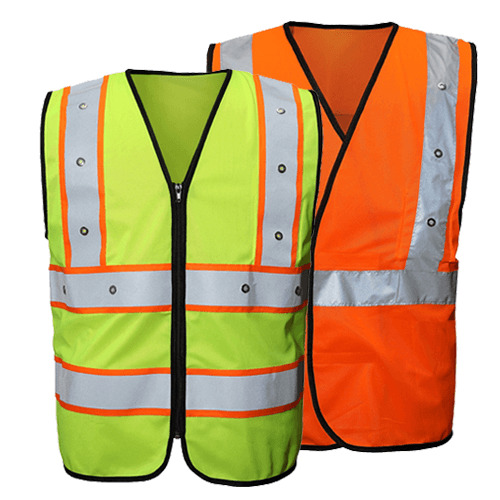
Get a Custom Hi-Vis Vest Quote from VisonSafety
Conformance with global protective-clothing standards supports personnel safety across sectors.
Global Standards for Protective Clothing & Worker Safety
Protective clothing against hazardous materials is required in many of the professional and non-professional activities of everyday life. Effective and adequate protection is important in many scenarios from household (e.g. cleaning agents, peroxides, acids and bases, paints), to agricultural (e.g. fuel, pesticides), to medical (e.g. pharmaceuticals and active ingredients), to industrial production (e.g. petro-chemicals, chemicals, paints, adhes
Current global standards for chemical protective clothing: how to choose the right protection for the right job?, 2017
Global Standards for Protective Clothing & Worker Safety
Protective clothing against hazardous materials is required in many of the professional and non-professional activities of everyday life. Effective and adequate protection is important in many scenarios from household (e.g. cleaning agents, peroxides, acids and bases, paints), to agricultural (e.g. fuel, pesticides), to medical (e.g. pharmaceuticals and active ingredients), to industrial production (e.g. petro-chemicals, chemicals, paints, adhes
Current global standards for chemical protective clothing: how to choose the right protection for the right job?, 2017
Recommended Temperatures
Prefer cold water to preserve fabrics and reflective elements; use warm water only when necessary for persistent stains and when manufacturer guidance allows.
Cold Water: Best for longevity and energy efficiency.
Warm Water: Use cautiously for heavy soils; may reduce reflectivity over time.
Controlling temperature extends vest visibility and durability.
Detergents
Select mild, non-bleaching detergents compatible with retroreflective materials and avoid fabric softeners and bleach.
Mild Detergents: Gentle chemistries that protect substrates and tape.
Detergents to Avoid: Bleach and fabric softeners degrade reflectivity.
Proper detergent choice reduces premature material failure.
Stain Removal Strategies
Treat stains promptly with targeted, low‑impact methods to avoid harming reflective tape or fabric.
Pre-treatment: Apply mild detergent to the stain before washing.
Specific Techniques: Use baking soda paste for grease; avoid harsh solvents.
Regular Maintenance: Address soils quickly to prevent set-in stains.
Timely stain care preserves appearance and visibility.
Safe Cleaning Agents
Use agents that clean without degrading textile or reflective assemblies; prefer gentle, proven alternatives.
Avoiding Harsh Chemicals: Do not use bleach or strong solvents on reflective areas.
Gentle Alternatives: Vinegar or baking soda can assist cleaning without harm.
Compatible agents support ongoing protective performance.
Drying Techniques
Drying needs to avoid heat and UV exposure that can damage reflective materials.
Air Drying: Hang in shade; this prevents heat and sun damage.
Tumble Drying: If necessary, use low heat and remove while slightly damp.
Follow drying guidance to maintain retroreflective efficacy.
Additional Care Tips
Implement routine inspection, correct storage and handling to extend service life.
Regular Inspections: Check seams and reflective tape for damage.
Proper Storage: Store in a cool, dry, shaded area to avoid fading.
These simple controls reduce total cost of ownership and maintain reliability.
What Are the Best Methods for Washing Hi Vis Safety Vests?
Use a gentle machine cycle with cold water and mild detergent, or hand wash delicate vests; always pre-treat stains.
Machine Washing: Gentle cycle, cold water.
Hand Washing: Best for delicate or heavily soiled vests.
Stain Treatment: Pre-treat before laundering.
Consistent methods help maintain compliance and performance.
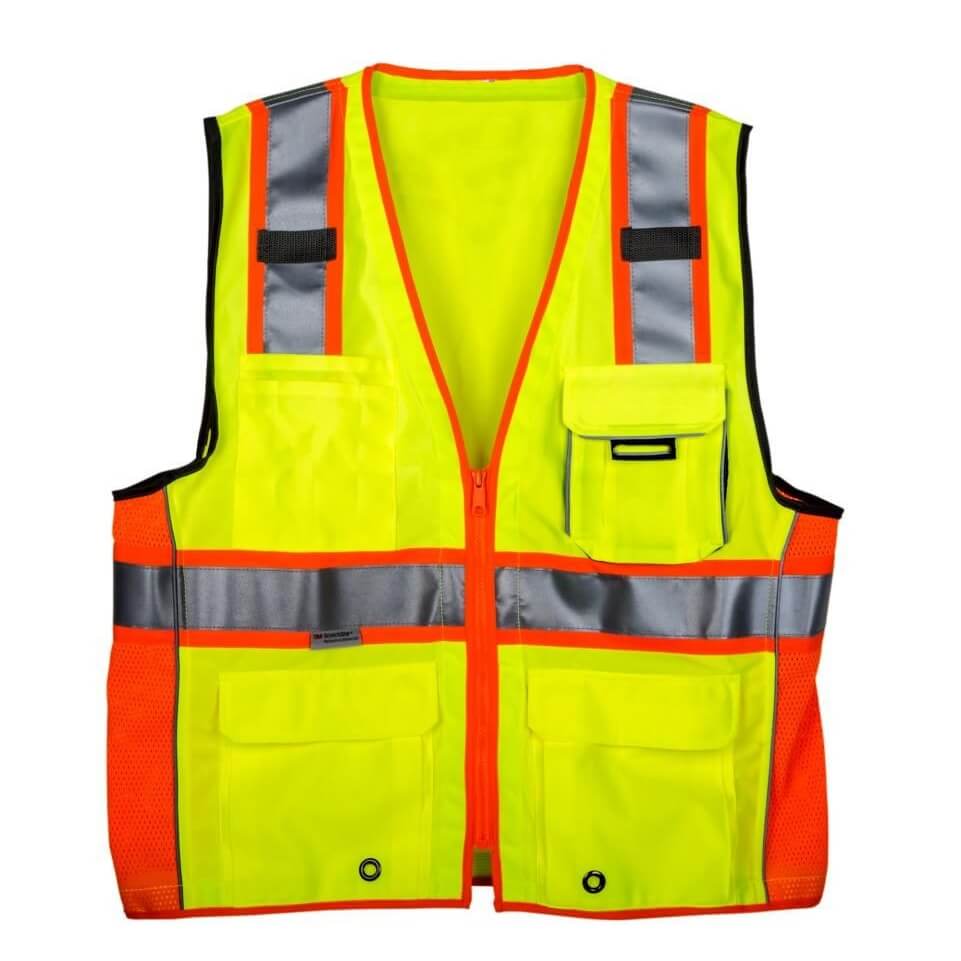
Get a Custom Hi-Vis Vest Quote from VisonSafety
Can You Machine Wash a Hi Vis Vest Without Damaging Reflective Materials?
Yes—when using gentle cycles, cold water and low spin settings to minimise mechanical and thermal stress.
Gentle Cycle: Minimise agitation.
Cold Water: Protects reflective tape.
Avoid High Spin Speeds: Reduces stress on tapes and seams.
These precautions lower the risk of damage during machine laundering.
What Washing Temperatures and Detergents Ensure Fabric Durability?
Controlled, cooler wash temperatures and mild, non-bleaching detergents are the safest general choice to preserve fabrics and reflectivity.
Recommended Temperatures: Cold for routine cleaning; warm only when needed.
Detergents: Mild, non-bleaching formulas.
Following these parameters supports long-term material performance.
How to Effectively Remove Stains from Hi Vis Vests Including Grease and Dirt
Match treatment to stain chemistry—use mild detergent for dirt and baking soda mixtures for grease, and act quickly.
Grease Stains: Baking soda paste then wash.
Dirt Stains: Pre-treat with mild detergent and launder in cold water.
Prompt Treatment: Early action prevents permanent set.
Targeted techniques maintain clean, visible garments.
What Are the Recommended Techniques for Hi Vis Vest Stain Removal?
Use pre-treatment, gentle scrubbing with a soft brush where needed, and immediate intervention to avoid permanent staining.
Pre-treatment: Apply detergent to stains first.
Gentle Scrubbing: Soft brush only.
Immediate Action: Treat stains promptly.
These steps help preserve condition and compliance.
Which Cleaning Agents Safely Remove Grease Without Compromising Visibility?
Prefer mild, non-abrasive agents that remove grease but do not attack textile or reflective substrates.
Baking Soda: Gentle abrasive for grease.
Mild Detergents: Safe for reflective materials.
Vinegar: Helps break down grease without harm.
Using compatible agents supports stain removal and visibility.
How to Maintain Reflective Safety Vest Performance Through Proper Cleaning
Maintain validated cleaning routines, handle garments gently and air dry to protect retroreflective assemblies.
Regular Cleaning: Remove soiling that obscures visibility.
Gentle Handling: Minimise mechanical wear.
Proper Drying: Air dry to avoid heat damage.
Consistent practice keeps vests effective.
What Cleaning Practices Preserve Reflective Fabric Integrity?
Avoid aggressive chemicals, choose mild detergents and use gentle wash methods in line with manufacturer instructions.
Avoid Harsh Chemicals: No bleach or strong solvents.
Use Mild Detergents: Protects fabric and tape.
Gentle Washing Techniques: Hand washing or gentle machine cycles.
These controls sustain reflective qualities and reliability.
How Does Regular Maintenance Enhance Worker Safety and Compliance?
Scheduled maintenance ensures visibility, extends vest lifespan and supports regulatory compliance.
Visibility: Clean vests reduce accident risk in low light.
Durability: Proper care lengthens service life.
Compliance: Well-maintained vests meet safety standards.
Routine programmes and oversight improve PPE adherence.
Enhancing PPE Compliance in Textile Workplaces
Compliance with the use of personal protective equipment (PPE) is essential for protecting workers from occupational hazards and accidents, particularly in the textile industry. However, achieving consistent PPE compliance remains a significant challenge in many countries. This study aims to review strategies designed to enhance PPE compliance among textile industry workers.
Strategies to improve compliance with personal protective equipment use in the textile industry: a scoping review, YR Ada, 2025
Enhancing PPE Compliance in Textile Workplaces
Compliance with the use of personal protective equipment (PPE) is essential for protecting workers from occupational hazards and accidents, particularly in the textile industry. However, achieving consistent PPE compliance remains a significant challenge in many countries. This study aims to review strategies designed to enhance PPE compliance among textile industry workers.
Strategies to improve compliance with personal protective equipment use in the textile industry: a scoping review, YR Ada, 2025
What Are the Hi Vis Vest Care Instructions to Maximize Lifespan and Brand Visibility?
To maximise lifespan and brand appearance: wash in cold water with mild detergent, air dry in shade and store in a cool, dry place.
Washing: Cold water and mild detergent.
Drying: Air dry in shade.
Storage: Cool, dry, away from sunlight.
Consistent care preserves function and visual integrity.
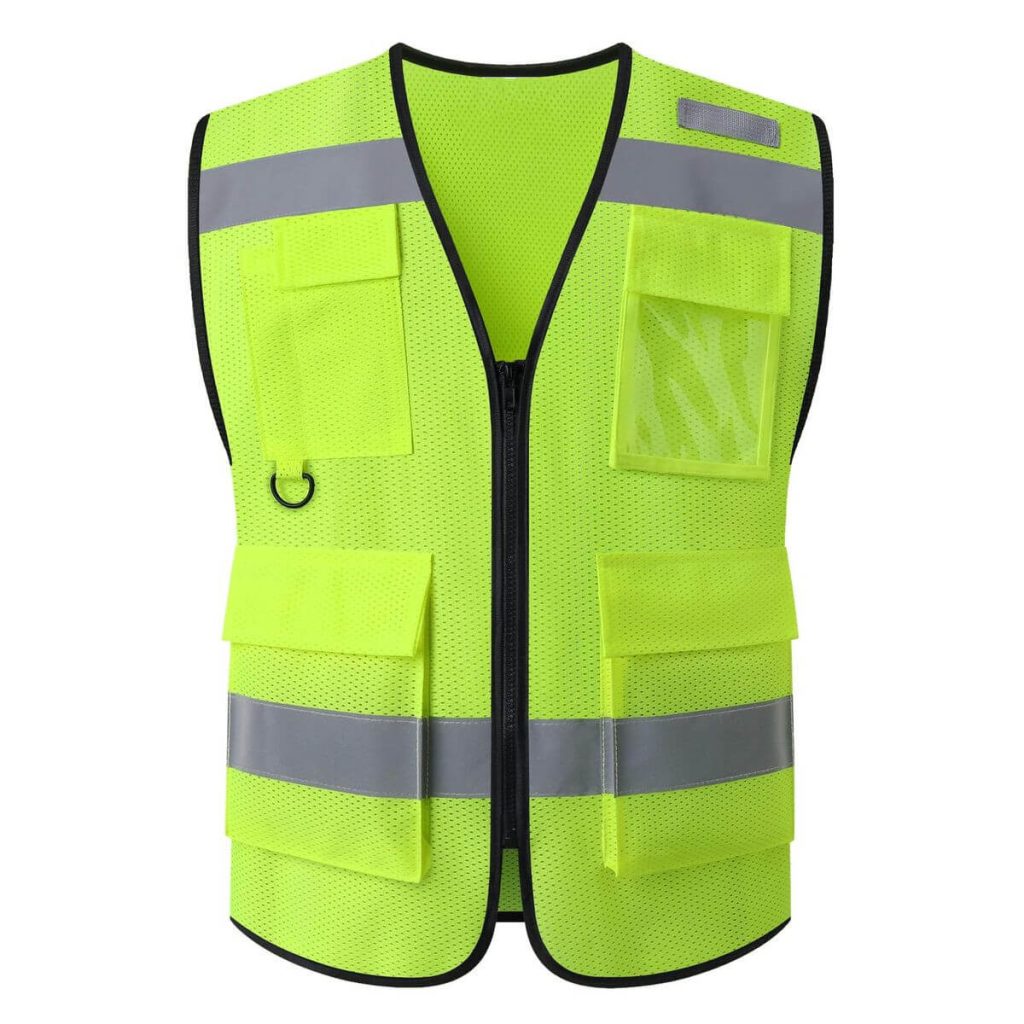
Get a Custom Hi-Vis Vest Quote from VisonSafety
How to Handle Customization and Branding Elements During Cleaning?
Protect printed or embroidered branding by spot cleaning and avoiding harsh chemicals; follow manufacturer guidance for customised elements.
Avoid Harsh Chemicals: Protect logos from solvents and bleach.
Spot Cleaning: Targeted cleaning for brand areas.
Consult Manufacturer Guidelines: Confirm care for customised components.
These measures protect branding while keeping garments compliant.
What Drying and Storage Guidelines Prevent Material Degradation?
Minimise heat and UV exposure during drying and store vests to avoid photochemical and thermal damage.
Air Drying: Prevent dryer heat damage.
Avoid Direct Sunlight: Store in shade to reduce fading.
Proper Folding: Fold neatly to protect reflective areas.
Applying these guidelines preserves the quality and effectiveness of hi vis vests.
How to Clean Hi Vis Vest | FAQs
What are the signs that a hi vis vest needs to be replaced?
Replace vests with frayed seams, faded colour or damaged reflective strips; if visibility is compromised, retire the garment.
Can I use fabric softeners when washing hi vis vests?
No—fabric softeners can leave residues that reduce reflective performance; use mild, non-bleaching detergents instead.
How often should hi vis vests be cleaned?
Clean routinely and after heavy exposure to dirt, grease or contaminants; increase frequency in high-soil or hazardous settings.
What should I do if my hi vis vest gets damaged?
Assess damage; small repairs may be possible, but replace any vest that no longer meets visibility or safety requirements.
Are there specific storage conditions for hi vis vests?
Store in a cool, dry, shaded place away from moisture to prevent fading and material breakdown.
Can I customize my hi vis vest without affecting its safety features?
Yes, if customisation follows manufacturer guidance and avoids altering reflective areas or tape adhesion.
What are the best practices for maintaining the reflective properties of hi vis vests?
Avoid bleach and strong solvents, use mild detergents, launder gently and air dry to protect reflective properties.
Conclusion
Regular, manufacturer-aligned cleaning, prompt stain treatment, gentle handling and correct drying/storage preserve hi vis vest visibility, extend service life and support regulatory compliance. For advice and product options, visit our website.
 English
 Deutsch
 Français
 Polski
 Português do Brasil
 Español
 日本語
日本語 Русский
 العربية
 Italiano
 Nederlands
 Türkçe
 한국어
한국어