
Removing lettering from hi vis shirts can seem difficult because fabrics and printing methods vary. This guide gives practical, low-risk techniques for removing common types of lettering—like heat transfer vinyl (HTV) and screen print—so your safety gear remains usable and presentable. Learn which method fits your shirt, when to stop, and how to avoid typical mistakes.
What Are the Common Types of Lettering on Hi Vis Shirts?
Lettering on hi vis shirts is usually applied by embroidery, screen printing, or heat transfer vinyl (HTV). Each type needs a different approach.
- Embroidery : Stitched into the fabric; very durable and the hardest to remove safely.
- Screen Printing : Ink on the surface; may lift with the right solvent and careful technique.
- Heat Transfer Vinyl : Bonded with heat; often peels when warmed but can leave adhesive.
Identifying the lettering type is the first step to choosing a safe removal method.
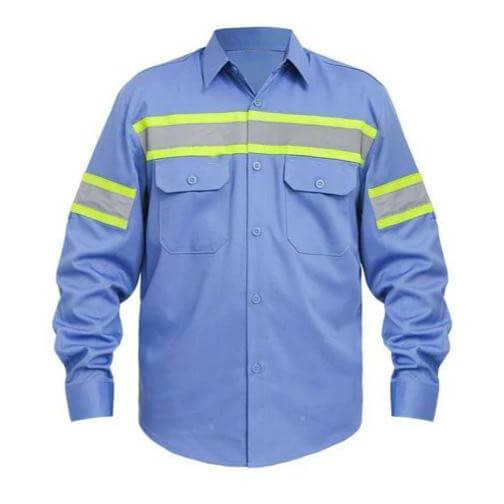
Get a Custom Hi-Vis Shirt Quote from VisonSafety
How Does Heat Transfer Vinyl Differ from Screen Printing on Safety Apparel?
HTV is bonded by heat and can be softened again with controlled warmth; screen printing is cured ink on the fabric surface and usually resists peeling, often requiring solvent or gentle abrasion.
Knowing which method was used helps avoid damage to fit, color, or reflective elements.
What Materials and Fabrics Are Used in Hi Vis Shirts?
Hi vis shirts are commonly polyester, cotton blends, or reflective fabrics. Each reacts differently to heat, chemicals, and abrasion.
- Polyester : Durable and heat-tolerant compared with some blends.
- Cotton Blends : More sensitive to heat; handle with care.
- Reflective Fabrics : May be harmed by strong heat or harsh solvents.
Match your removal technique to the fabric to protect safety features.
Which Methods Safely Remove Heat Transfer Vinyl and Screen Print Lettering?
Common, low-risk methods include controlled heat for HTV, fabric-safe solvents for screen print, and testing techniques on a hidden area first.
- Heat Application : Use a hairdryer or heat gun on low to soften HTV before peeling.
- Solvent-Based Removers : Choose products labeled safe for textiles for screen print removal and follow instructions.
- Caution : Always test on an interior seam or hidden spot first.
When applied correctly these methods remove lettering while preserving garment performance.
How to Remove Heat Transfer Vinyl by Heat and Peeling?
For HTV, work patiently and keep heat gentle. Follow these steps:
- Prepare the Area : Lay the shirt flat on a clean, heat-resistant surface.
- Apply Heat : Warm the vinyl evenly with a hairdryer on low, moving continuously.
- Peel Slowly : When softened, lift a corner and peel at a shallow angle to avoid stretching.
- Clean Residue : Remove remaining adhesive with mild detergent or a fabric-safe adhesive remover.
Gentle, steady heat and slow peeling reduce the risk of fabric damage.
What Are the Best Solvents and Tools for Screen Print Removal?
Screen print often needs a textile-safe solvent plus gentle mechanical action.
- Solvent-Based Removers : Use products meant for fabrics and follow safety guidance.
- Scrapers : A plastic scraper or old credit card helps lift softened ink without cutting fibers.
- Testing : Patch-test solvents to check colorfastness and fabric reaction.
Combine solvent and careful scraping to reduce ink while protecting the garment.
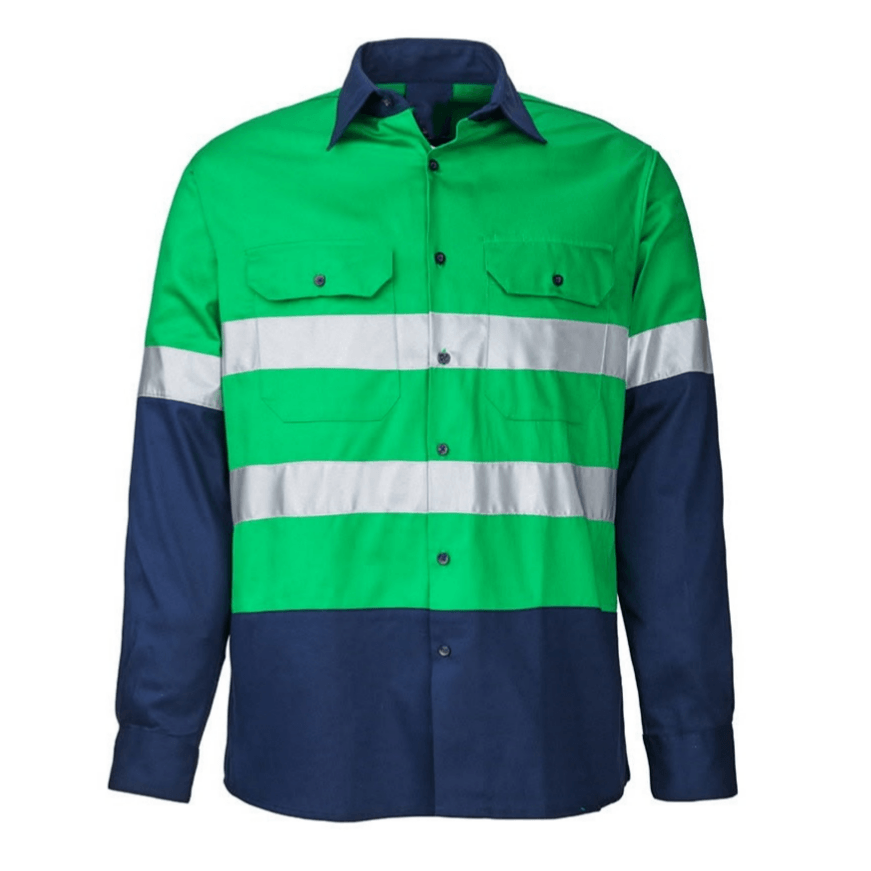
Get a Custom Hi-Vis Shirt Quote from VisonSafety
How to Clean Adhesive Residue and Protect Hi Vis Shirt Fabric?
After removal, treat the area gently to preserve visibility and fabric strength.
- Mild Detergent : Pre-treat with diluted mild detergent to break down adhesive.
- Cold Water Wash : Wash in cold water to protect color and reflective parts.
- Air Dry : Air dry to avoid shrinkage or heat damage.
These steps help maintain the shirt’s visibility features after cleaning.
What Are the Best Practices for Maintaining Safety Apparel After Lettering Removal?
Proper aftercare keeps safety apparel reliable. Follow manufacturer care labels and inspect garments regularly.
- Follow Manufacturer’s Instructions : Check care labels and any manufacturer guidance before alterations or repairs.
- Store Properly : Keep shirts in a cool, dry place away from direct sunlight.
- Regular Inspections : Look for wear, loose stitching, or damage and repair early.
Consistent care extends the service life of safety garments.
How to Customize and Rebrand Hi Vis Shirts After Lettering Removal?
Once lettering is removed and the surface is clean, you can rebrand using a suitable method. Prepare the area and consider professional services for compliance.
- Identify Logo Type : Choose screen print, embroidery, or HTV based on durability and appearance.
- Clean the Area : Remove residue and ensure the surface is dry before applying new lettering.
- Consider Professional Services : Professionals can ensure materials and placement meet safety requirements.
Proper preparation and material choice lead to a neat, compliant rebrand.
What Are the Options for Adding New Lettering or Logos on Safety Shirts?
Choose a method that balances cost, durability, and visibility.
- Screen Printing : Vibrant and long-lasting on many fabrics.
- Embroidery : Durable, professional finish for heavy use.
- Heat Transfer Vinyl : Good for precise or small-run applications.
Match the application to workplace needs and compliance requirements.
How Do Certifications Affect Apparel Modification and Rebranding?
Modifying safety apparel can affect certifications. Verify how changes affect compliance and work with certified manufacturers for rebranding when needed.
- Safety Compliance : Modifications may void certifications—check before altering garments.
- Custom Manufacturing : Certified providers can maintain safety standards while adding branding.
- Understanding Certifications : Know which standards apply so rebranding does not reduce worker protection.
Being informed about certification impacts helps you make safe, compliant choices.
For a wide selection of hi vis shirts , visit our online store.
If you have any questions or need assistance, please contact us .
To ensure your safety apparel meets industry standards, consider professional rebranding services.
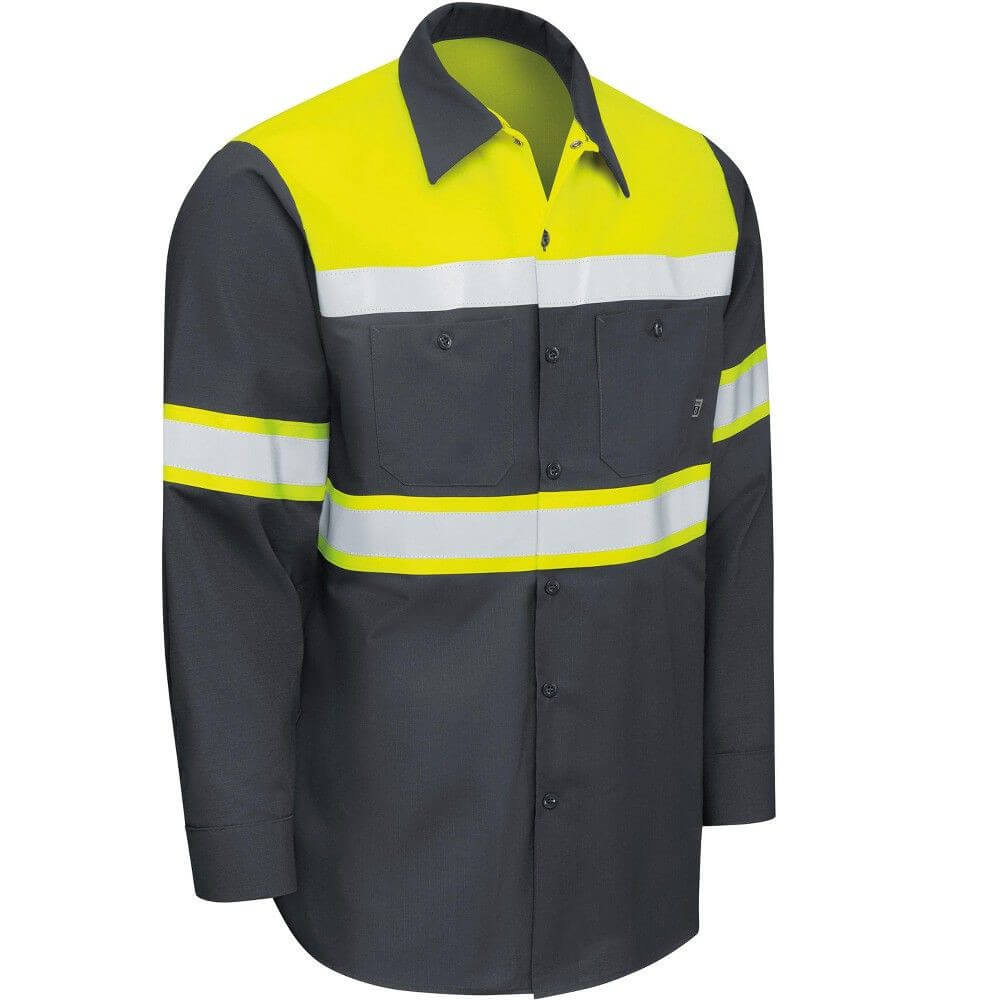
Get a Custom Hi-Vis Shirt Quote from VisonSafety
Frequently Asked Questions
What should I do if the lettering removal process damages my hi vis shirt?
Assess the damage. Small tears can sometimes be repaired with fabric glue or a patch; serious damage warrants a professional tailor or repair specialist. To reduce risk, always test removal methods on a hidden area first.
Can I use bleach to remove screen printing from my hi vis shirt?
No. Bleach can weaken fibers and fade color. Use a fabric-safe solvent and patch-test first, or consult a professional cleaner.
How can I prevent adhesive residue when removing heat transfer vinyl?
Apply heat evenly and peel slowly while warm. If residue remains, dab lightly with rubbing alcohol or a mild adhesive remover, then launder with mild detergent.
Is it safe to iron hi vis shirts after removing lettering?
Follow the care label. Use low heat with a cloth barrier and never iron directly over reflective strips; air drying is safest if unsure.
What are the best practices for storing hi vis shirts after lettering removal?
Store clean, dry shirts in a cool, shaded place. Fold them to avoid stretching and inspect periodically for wear or sun damage.
Can I customize my hi vis shirt with different lettering styles after removal?
Yes. Reapply lettering via screen printing, embroidery, or HTV based on fabric and durability needs; professional services help ensure compliance.
What should I consider when choosing a professional service for rebranding hi vis shirts?
Choose a provider experienced with safety apparel, check samples, ask about materials and durability, and confirm turnaround and pricing. Clear communication ensures a successful rebrand.
Conclusion
Removing lettering from hi vis shirts correctly preserves function and allows rebranding. Identify the lettering type, use appropriate removal and cleanup methods, and follow care guidelines to keep garments safe and serviceable. For more tips or professional rebranding, visit our online store.
 English
 Deutsch
 Français
 Polski
 Português do Brasil
 Español
 日本語
日本語 Русский
 العربية
 Italiano
 Nederlands
 Türkçe
 한국어
한국어