
Flame resistant (FR) clothing is purpose-built workwear that helps reduce the severity of burn injuries from heat, open flame, or electrical arcs. This article explains why FR garments matter, how different FR fabrics protect people on the job, and how employers should match clothing to specific hazards like arc flash and flash fires. You’ll get a clear overview of material differences—how inherently flame resistant fibers compare with treated cotton—plus the key benefits for safety and procurement teams, the standards that verify protection, and practical selection checks for labels and certificates.
What Is Flame Resistant Clothing and How Does It Protect You?
FR clothing is protective apparel engineered to resist ignition, self-extinguish, and slow heat transfer to the skin so workers have a better chance to escape or be rescued. Protection comes from both fabric chemistry and garment construction: inherently FR fibers char and form insulating layers, while treated fabrics are formulated to resist ignition and slow flame spread. Together these traits reduce heat transfer and minimize melting or dripping that can worsen burns. The short comparison below shows how garments behave against common thermal hazards.
Note: flame and arc hazards have different energy profiles and durations; a garment chosen for one hazard may not be appropriate for the other. Hazard-specific selection is critical.
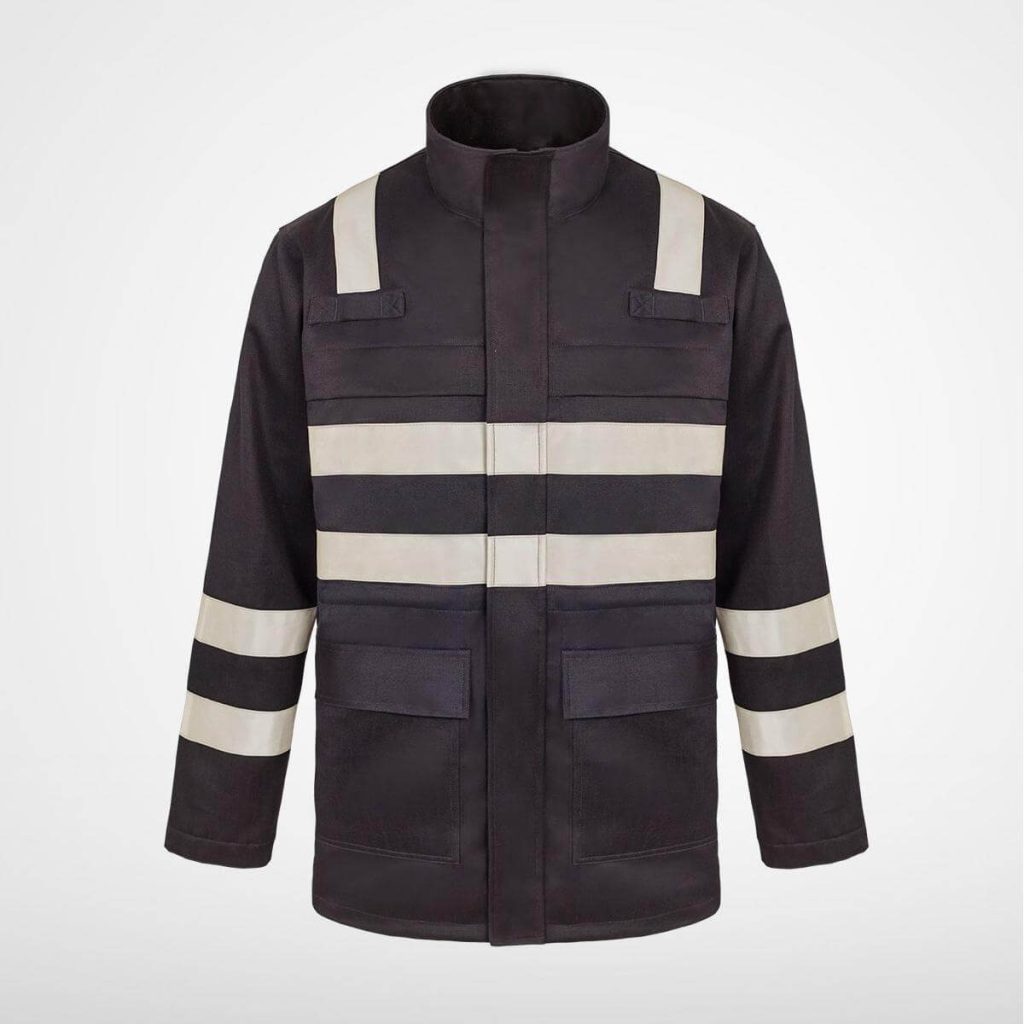
Get a Custom FR Clothing Quote from VisonSafety
How Does FR Clothing Work to Prevent Burn Injuries?
FR clothing lowers burn risk by creating a thermal barrier, encouraging char instead of melting, and preventing dripping that deepens injuries. Inherently FR fibers such as Nomex® form a protective char layer that insulates the skin and slows heat flow. Chemically treated cotton blends use finishes that help the fabric self‑extinguish and reduce sustained flame spread. These behaviors reduce the total energy delivered to the body, which can mean less severe injuries, faster recovery, and better survival outcomes.
Knowing these mechanisms helps safety teams specify the right materials and garments for specific tasks and environments.
What Is the Difference Between FR and Fireproof Clothing?
“Fireproof” is misleading—no everyday garment is absolutely fireproof under every condition. “Flame resistant” describes clothing tested and certified to resist ignition, self‑extinguish, and limit heat transfer to defined standards. For procurement, the takeaway is to trust standardized test ratings and documentation rather than marketing labels. Certified FR workwear provides measurable performance (for example, arc ratings and NFPA/ASTM claims) that lets buyers match PPE to assessed risks.
Specifying certified FR clothing reduces procurement uncertainty by translating lab metrics into expected on‑job performance.
What Are the Main Benefits of Wearing Flame Resistant Clothing?
FR clothing protects workers, supports regulatory compliance, and reduces operational losses through fewer severe incidents and predictable garment life cycles. The core value ties personal safety to business continuity: fewer serious injuries, clearer compliance records, and more predictable replacement costs. Employers should also weigh comfort and durability, since those factors drive consistent wear and lower total cost of ownership.
- Reduced Burn Severity: FR fabrics limit energy transfer and prevent garments from contributing to injury.
- Regulatory Alignment: Certified FR workwear helps meet workplace safety standards.
- Operational Continuity: Durable FR clothing reduces downtime and replacement expense.
- Worker Acceptance: Comfortable, well‑fitting designs increase consistent use and real‑world protection.
Choosing garments that balance protection, comfort, and durability improves compliance and maximizes return on safety investment.
How Does FR Clothing Provide Arc Flash and Flash Fire Protection?
Arc flash protection relies on the arc thermal performance value (ATPV) and arc ratings, which estimate the incident energy a garment can withstand before a second‑degree burn is likely. Flash fire protection focuses on a fabric’s ability to self‑extinguish and form a char under short, intense heat exposure. Practical selection steps include verifying ATPV for electrical tasks and NFPA 2112 certification for hydrocarbon flash‑fire environments; correct layering and fit also influence overall protection.
Aligning garment performance metrics with your hazard assessment ensures electricians, utility crews, and process operators have the right FR workwear for the job.
Why Is Comfort and Durability Important in FR Workwear?
Comfort and durability determine whether workers actually wear FR clothing—and that directly affects protection. Breathable fabrics, suitable fabric weight for the climate, and ergonomic cuts make garments wearable; reinforced seams and quality construction extend garment life.
Practical advice: choose fabric weights that match the work environment, verify breathability for active roles, and specify reinforcement at stress points for heavy‑use jobs.
Prioritizing comfort alongside protection lowers total cost of ownership by keeping garments in service longer and ensuring they are worn when hazards are present.
Which Safety Standards and Certifications Ensure FR Clothing Compliance?
Key standards define test methods and minimum performance for FR garments; understanding them helps procurement translate lab metrics into expected workplace protection. NFPA 70E directs electrical hazard assessment and PPE selection, while NFPA 2112 sets flash‑fire performance requirements for garments used around hydrocarbons. ASTM and EN ISO standards provide material‑level tests and international comparability. The table below shows what buyers should expect in documentation.
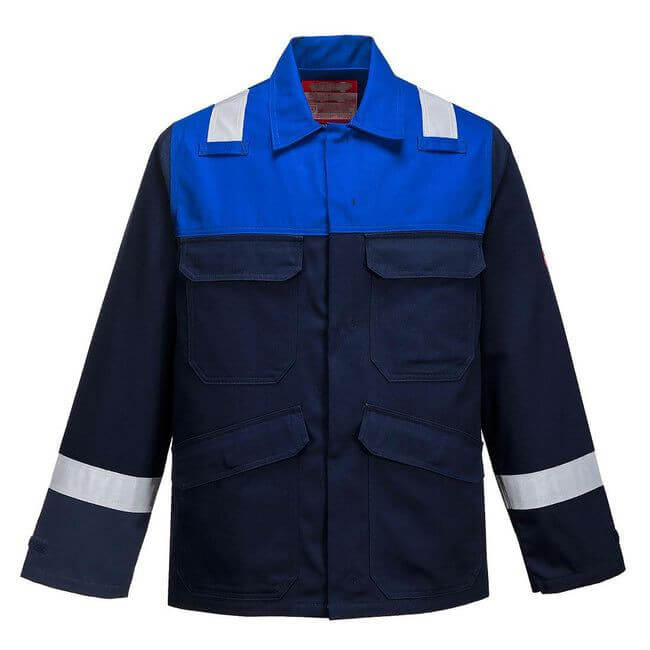
Get a Custom FR Clothing Quote from VisonSafety
Require test certificates and clear labeling that cite relevant standards to reduce procurement risk and verify claims.
- NFPA 70E: Guides electrical hazard assessment and uses ATPV for arc‑rated clothing.
- NFPA 2112: Specifies minimum performance for garments protecting against flash fires.
- ASTM / EN ISO: Offer standardized test methods for material comparison and international procurement.
In short: verified standards and labeled test results let buyers match FR workwear to measured hazards and compliance needs.
What Are NFPA 70E and NFPA 2112 Requirements for FR Apparel?
NFPA 70E requires an electrical hazard assessment and selection of arc‑rated PPE based on calculated incident energy; garments should display ATPV/arc rating so employers can align clothing to those calculations. NFPA 2112 defines material and garment tests for flash‑fire protection, including ignition testing, heat transfer, and seam performance. When specifying FR clothing for regulated environments, request certificates of compliance and manufacturer test reports.
Clear documentation cuts procurement risk and supports safety program audits.
How Do ASTM and EN ISO Standards Impact FR Clothing Quality?
ASTM and EN ISO standards set standardized lab tests for flame spread, heat transfer, and related fabric properties, allowing apples‑to‑apples comparisons across suppliers. For international buys, EN ISO results may be required alongside ASTM data; understanding each test’s scope helps teams interpret label differences. Translating lab results into expected field performance usually needs hazard‑specific judgment and input from safety engineers.
Using standardized metrics streamlines vendor evaluation and ensures material quality matches workplace needs.
Who Needs FR Clothing and Which Industries Require It?
Roles and industries that routinely face ignition sources, electrical energy, or flammable atmospheres typically require FR workwear to reduce burn risk. Common sectors include oil & gas, electrical utilities, construction, manufacturing, chemical processing, and mining. The list below outlines why FR clothing is commonly specified in these fields.
Safety managers should perform task‑based hazard assessments to determine the correct garments and ratings for each role.
- Oil & Gas: Regular exposure to hydrocarbon fuels and flash‑fire potential during transfer and processing.
- Electrical Utilities: Arc flash hazards during maintenance and energized work.
- Construction: Welding, cutting, and transient ignition sources on site.
- Manufacturing & Chemical: Process upsets and flammable releases can create flash fires and thermal hazards.
- Mining: Equipment sparks and confined‑space heat exposures.
These industries commonly mandate FR apparel to lower injury severity and meet regulatory expectations.
Why Is FR Clothing Critical for Oil, Gas, and Electrical Workers?
Workers in oil, gas, and electrical fields face ignition energy, pressurized hydrocarbons, and arc flash events that can cause rapid, severe burns. FR garments reduce the chance that clothing will ignite or make burns worse, giving workers time to escape or be rescued. Selection guidance: specify NFPA 2112‑certified garments for hydrocarbon environments and ATPV‑rated clothing for electrical work, and pay close attention to layering and fit.
Ensuring garments meet the right standard for the hazard is essential for protecting people and limiting enterprise liability.
How Does FR Apparel Support Safety in Construction and Manufacturing?
In construction and manufacturing, tasks like welding, cutting, and material handling create localized thermal hazards. FR coveralls, shirts, and bibs offer targeted protection that lowers injury risk and keeps operations moving. Task‑based choices—FR shirts for electricians, coveralls for welders—help balance protection, mobility, and laundering needs. Following manufacturer laundering and maintenance guidance preserves FR properties and extends usable life.
Well‑run FR programs drive measurable reductions in incident severity while supporting continuous production.
VisonSafety manufactures certified, customizable FR clothing and high‑visibility FR apparel, including FR shirts, FR jackets, FR coveralls, FR pants, FR vests, FR rainwear, and FR headgear. We offer customization of color, sizing, logos, and fabric weight to meet job‑specific needs, plus scalable bulk manufacturing (typical minimum orders begin at 100 pieces per style and size). For procurement teams seeking certified FR workwear that balances protection, comfort, and lifecycle value, VisonSafety can provide documentation and quotes for custom orders.
Why Wear FR Clothing | FAQs
What should I consider when selecting FR clothing for my workplace?
Start with a task‑based hazard assessment: identify whether you face arc flash, flash fire, or other thermal risks. Match garment performance to the hazard by checking ATPV for electrical work and NFPA 2112 for hydrocarbon exposure. Also evaluate comfort, fit, and durability—these affect whether people actually wear the clothing. Require certificates and test ratings from suppliers, and choose fabric weight and features that suit your climate and job demands.
How often should FR clothing be inspected and maintained?
Inspect FR clothing regularly for damage, heavy wear, or contamination that could reduce protection. A practical routine is a visual check before each shift and a more detailed inspection after laundering. Follow the manufacturer’s care instructions—proper washing and handling preserve FR performance. Replace garments that show significant wear, damage, or that no longer meet the required standards.
Can FR clothing be customized for branding or specific job requirements?
Yes. Many manufacturers, including VisonSafety, offer customization—company logos, specific colors, and tailored sizing are common. When customizing, confirm that any additions (patches, embroidery, reflective tape) and placement don’t compromise the garment’s flame‑resistant properties or test certifications.
What are the limitations of FR clothing?
FR clothing significantly reduces burn severity but is not invulnerable. It protects within specified exposure levels and durations; extreme or prolonged exposures can exceed garment limits. FR garments also don’t protect against all hazards, such as chemical penetration or blunt‑force trauma. Use FR clothing as part of a broader PPE and engineering control strategy informed by a thorough hazard assessment.
How does the cost of FR clothing compare to regular workwear?
Upfront costs for FR clothing are generally higher than standard workwear because of specialized fibers, treatments, and testing. However, FR garments can deliver long‑term value by reducing injury‑related costs, lowering liability, and lasting longer with proper care—often offsetting their initial price. Consider lifecycle cost, not just purchase price, when budgeting PPE.
Are there specific laundering instructions for FR clothing?
Yes. To maintain FR properties, follow the manufacturer’s laundering guidelines. Use mild detergent, avoid bleach and fabric softeners, and adhere to recommended water temperatures and drying methods—high heat can degrade some fabrics. Regular, correct laundering extends garment life and preserves protective performance.
Conclusion
Wearing flame resistant clothing is a proven way to reduce burn severity and support compliance with safety standards. The combined benefits—injury mitigation, regulatory alignment, and operational continuity—make FR apparel a core element of risk management in many industries. Prioritize comfort and durability to improve wearer compliance and extend garment life. Contact VisonSafety to explore our certified FR options and ensure your workforce has the protection it needs.
 English
 Deutsch
 Français
 Polski
 Português do Brasil
 Español
 日本語
日本語 Русский
 العربية
 Italiano
 Nederlands
 Türkçe
 한국어
한국어