
Flame-resistant (FR) clothing is purpose-built workwear that resists ignition, self-extinguishes, and limits heat transfer during brief thermal events such as flash fires and arc flashes. This article explains why FR garments are a central control in oilfield safety programs, how fabric choices and garment construction reduce burn severity, which standards buyers should match to specific tasks, and which garment types and customization options support operational compliance and dependable supply. Employers and safety managers will find clear, task-focused guidance to select FR workwear that balances protection, comfort, and regulatory requirements. Below we outline the main oil-and-gas hazards FR clothing addresses, clarify NFPA, EN and ASTM certifications, map garment types to common use-cases, and describe OEM/ODM manufacturing and quality controls that help procurement teams secure traceable, certified FR apparel.
Why Is FR Clothing Critical for Safety in Oil Fields?
FR clothing reduces the severity of thermal injuries by resisting ignition and limiting heat transfer during short-duration events. As a passive barrier, the right FR fabric will char or self-extinguish instead of melting or sustaining combustion—preventing garment-driven burn patterns and lowering the incidence of second- and third-degree burns. Proper FR workwear complements administrative controls and engineering safeguards to create a layered protection strategy that meets both worker-safety and compliance goals. The sections that follow break down the primary hazards on oil and gas sites and explain how material behavior drives better outcomes compared with non‑FR garments.
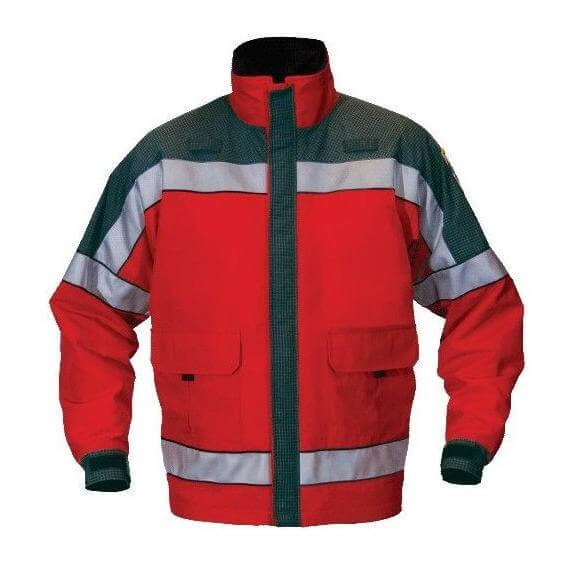
Get a Custom FR Clothing Quote from VisonSafety
What Are the Main Hazards in Oil and Gas That FR Clothing Protects Against?
On rigs and production sites, FR clothing protects against three primary hazards: flash fires, arc flashes, and thermal exposure from energized equipment or transient fuel‑air ignition. Flash fires happen when vapors ignite and burn rapidly across an area—common triggers include hydrocarbon leaks, hot work near vents, or static discharge. Arc flashes stem from electrical faults and release intense thermal and radiant energy capable of causing severe burns; these often originate at switchgear, motor starters, or damaged conductors. Secondary risks include contact with hot surfaces, molten metal splash in processing zones, and exothermic chemical reactions. FR clothing is one element in a full risk-control plan addressing these combined exposures.
- Common flash-fire causes: fuel leaks, confined vapor accumulation, and hot work near vents.
- Typical arc-flash scenarios: contact with live electrical components, failures in lockout/tagout, and equipment malfunction.
- Secondary exposures: hot piping, steam lines, and process chemistry anomalies.
These hazard categories guide PPE selection and task-specific controls; the next section explains the protection mechanisms behind FR fabrics and garments.
Flame-Resistant Apparel: Critical for Oil and Gas Worker Safety
Flame-resistant (FR) apparel is essential because oil and gas environments have inherently flammable materials and rapid‑burn hazards.
How Does FR Clothing Minimize Burn Injuries from Flash Fires and Arc Flashes?
FR fabrics protect by either forming a protective char (inherently FR fibers) or by self‑extinguishing without melting or dripping (chemically treated blends), which limits how long and how intensely heat reaches the skin. Arc‑rated garments are tested to quantify incident energy absorption (expressed in cal/cm²), allowing safety teams to choose clothing with an appropriate arc rating for electrical work. Compared with common work fabrics such as nylon or untreated polyester, certified FR garments prevent molten-melt contact and reduce surface heat transfer that causes deeper burns. To get the full benefit, FR clothing should be used with complementary measures—training, hot-work permits, electrical risk assessments, and layered PPE.
What Are the Key Standards and Certifications for Oilfield FR Clothing?
Standards help procurement teams align garments with hazard profiles and regulatory expectations. Primary specifications include NFPA 2112 for flash‑fire garments, NFPA 70E and ASTM F1506 for arc‑flash protection, and EN ISO 11612 as an international heat/flame standard. These standards define test methods, performance thresholds, and documentation that validate a garment’s protective behavior under realistic exposure conditions. The table below gives a concise comparison to help safety managers interpret what each standard measures and how it affects oilfield PPE selection.
This table compares the most relevant standards and the practical implications for oilfield PPE:
This comparison helps safety teams prioritize the certification that best matches their task‑based hazard analysis and procurement requirements.
NFPA 2112: Standards for Flame-Resistant Clothing in Flash Fire Hazards
The National Fire Protection Association (NFPA) provides specific guidance for flash‑fire protection. NFPA 2112 sets manufacturer requirements to ensure garment performance in flash‑fire scenarios.
What Does NFPA 2112 Certification Mean for Flash Fire Protection?
NFPA 2112 applies to garments designed to protect against the short‑duration thermal exposures of flash fires. The standard requires thermal protective performance testing, seam‑strength verification, and specific documentation and labeling to prove consistent performance. For buyers, NFPA 2112 certification means the garment has been evaluated for both fabric behavior under thermal load and construction quality to prevent seam or closure failure in an event. Verifying certification should include reviewing manufacturer documentation, checking marked garment labels, and confirming test reports for the specific family or lot covered by the certificate.
NFPA 2112: Evaluating Flame-Resistant Clothing for Flash Fire Exposure
NFPA 2112 set the precedent as the first standard requiring evaluation of flame‑resistant clothing systems under simulated flash‑fire conditions.
How Do NFPA 70E and International Standards Ensure Arc Flash Safety?
NFPA 70E and ASTM F1506 establish arc‑rating methods and PPE category guidance so organizations can select clothing that withstands a defined incident‑energy level. Arc rating (cal/cm²) quantifies the energy a fabric can absorb before risking a second‑degree burn—higher ratings mean greater protection. Common oilfield electrical tasks—troubleshooting, switchgear maintenance, and motor work—are mapped to PPE categories through arc‑flash risk assessments. Procurement should specify arc‑rating requirements and ensure garments are part of a complete PPE system for electrical exposures.
What Types of FR Clothing Are Used by Oilfield Workers?
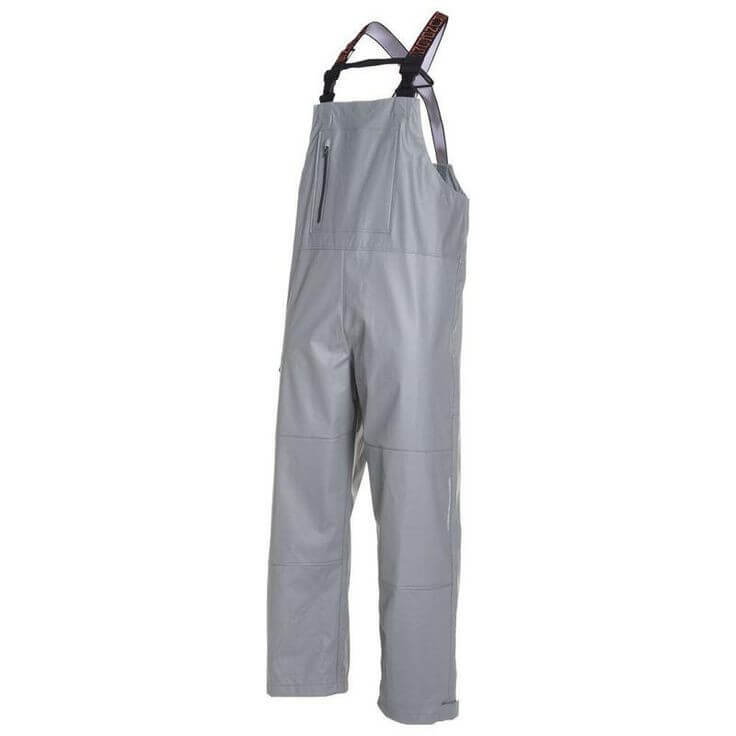
FR garments vary to meet coverage, mobility, and environmental needs on oil and gas sites. Common categories include coveralls for full‑body protection, FR shirts and pants for layering and comfort, and specialized items like FR rainwear and hi‑vis FR garments for low‑light visibility. The right choice depends on task, exposure duration, arc‑rating needs, and climate. The table below maps garment types to coverage and typical certification pairings to help procurement teams match selection to daily workflows and compliance requirements.
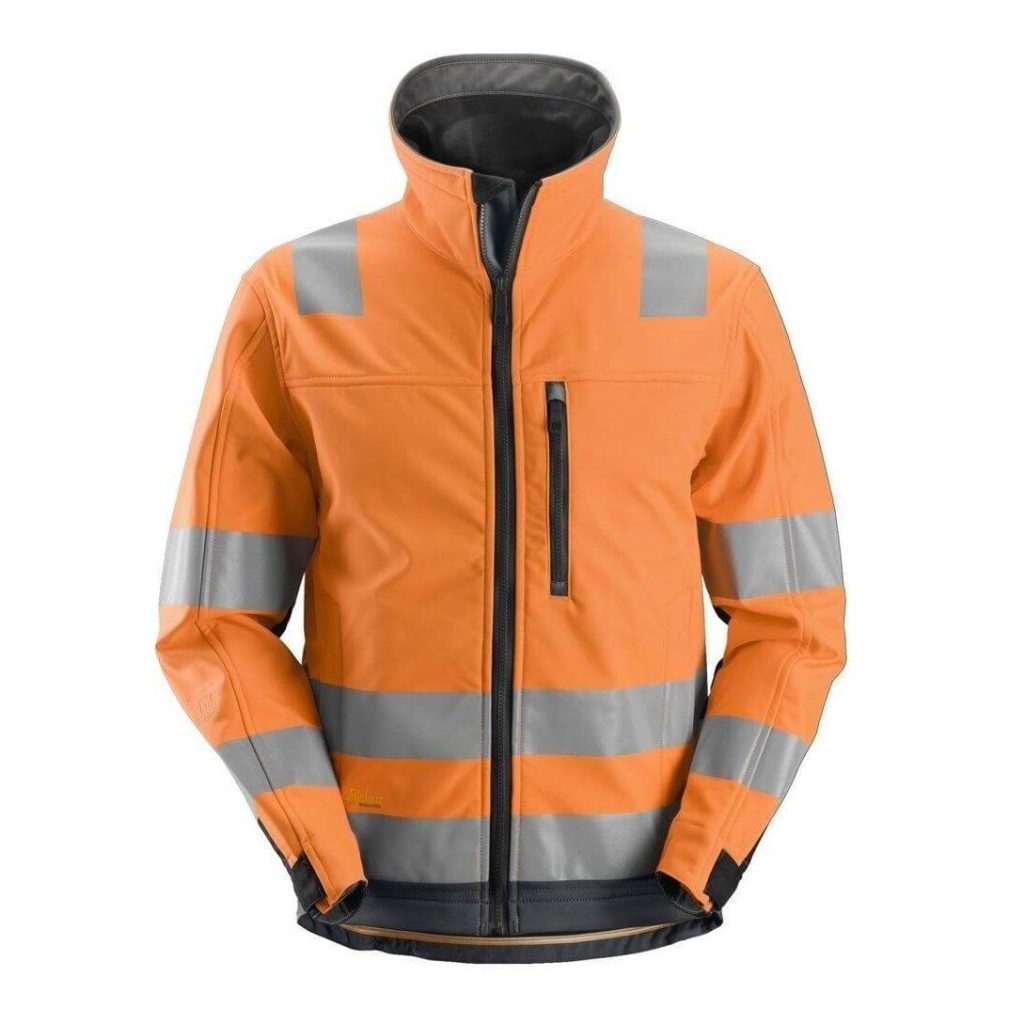
Get a Custom FR Clothing Quote from VisonSafety
Common FR garment types and their typical use-cases:
How Do FR Coveralls Provide Full Body Protection in Oil Fields?
FR coveralls are built with overlapping closures, reinforced seams, and extended coverage to reduce exposed skin and prevent ignition from reaching underlying layers. They’re commonly specified for hot‑work crews, tank‑entry support, and tasks where a full‑body flash exposure is credible. For procurement, check assembly arc ratings for joined garments, seam‑strength test results, and laundering instructions that preserve FR performance. Proper fit, routine inspection for damage, and following care guidelines maintain protective properties throughout the garment’s service life.
What Are the Benefits of FR Shirts, Pants, and Specialized Workwear?
FR shirts and pants balance protection and comfort for workers who don’t need full coveralls, enabling layered configurations that address thermal and arc hazards. Fabric choices—meta‑aramid, FR cotton blends, modacrylic, and engineered blends—affect comfort, durability, and char/self‑extinguish behavior. Specialized items like waterproof FR jackets or insulated FR layers extend protection in adverse weather, while hi‑vis FR options keep workers visible. When specifying garments, consider local climate, frequency of use, and compatibility with reflective tape and other PPE.
How Does Custom FR Clothing Support Oilfield Businesses and Compliance?
Custom FR clothing through OEM/ODM partnerships lets companies align fit, branding, labeling, and test documentation with procurement policies while maintaining consistent quality across production lots.
Working with OEMs and ODMs gives procurement teams tighter control over specification compliance, reduces variability in protective performance, and improves supply predictability through defined MOQs and production schedules. Reliable batch testing, traceability, and formal quality‑control steps lower compliance risk and simplify audits. These partnerships also allow for branded labeling, certification traceability, and packaging options that help distributors and brands present compliant product lines to end users.
What OEM and ODM Services Does VisonSafety Offer for FR Apparel?
VisonSafety offers OEM and ODM services that cover design, prototyping, testing, and bulk production with flexibility for custom branding and order quantities. Our ISO 9001 facility spans 40,000 sq.ft., and we perform 100% fabric batch testing with full quality control to ensure consistent performance and documentation for buyers. These capabilities help procurement teams source certified FR shirts, coveralls, jackets, pants, and specialized FR rainwear or hi‑vis garments that meet EN, ANSI/ISEA, NFPA, and UL standards. Buyers benefit from controlled production runs, sample approval processes, and options to specify fabric and assembly tests.
How Does Custom Branding and Quality Control Enhance FR Clothing Solutions?
Custom branding and strict quality control improve traceability, ensure accurate certification labeling, and add distributor value through consistent packaging and product identity. Clear labeling that references applicable standards simplifies field inspections and regulatory audits. Quality checkpoints—fabric batch testing, seam and closure inspection, and sample retention—create a documented compliance trail and reduce the risk of nonconforming shipments. Practical procurement steps include requesting batch test reports with each shipment, specifying marking and labeling up front, and confirming sample retention policies to support long‑term traceability.
- Benefits of custom labeling: clearer audit trails, consistent branding, and easier user instructions.
- Quality control steps to insist on: fabric batch testing, seam strength checks, and certificates of conformance.
- Ordering best practices: approve samples, specify labeling and packaging, and confirm MOQ and lead times before placing bulk orders.
VisonSafety’s manufacturing and QC capabilities support these practices and help procurement teams align product supply with safety and compliance goals; for teams ready to discuss custom orders, request a quote to begin specification alignment.
Why Flame-Resistant Clothing Matters in Oilfields | FAQs
Get a Custom FR Clothing Quote from VisonSafety
What is the difference between treated and inherently flame-resistant fabrics?
Treated FR fabrics are made from conventional fibers that receive a chemical treatment to add flame resistance; they can self‑extinguish but may behave differently under extreme heat. Inherently FR fabrics are built from fibers that are naturally flame resistant and generally do not melt or drip, offering more stable long‑term protection. Knowing the difference helps you choose the right material for the specific hazards on your site.
How often should FR clothing be inspected and maintained?
Inspect FR clothing regularly for wear, damage, or contamination that could compromise protection—ideally before each use. Focus inspections on seams, closures, and fabric integrity. Follow the manufacturer’s laundering instructions to preserve FR properties. Depending on use and conditions, garments may need replacement every 6 to 12 months, or sooner if significant wear or damage is found.
Can FR clothing be customized for branding and fit?
Yes. Through OEM/ODM partnerships, FR clothing can be customized for size ranges, fit, branding, and labeling that aligns with safety standards. Custom solutions help maintain a professional appearance while ensuring garments meet compliance and performance requirements.
What role does training play in the effectiveness of FR clothing?
Training is critical. Workers must understand what FR clothing can and cannot do, how to wear and care for it, and the hazards they face. Regular training reinforces using FR garments alongside other controls—safe work procedures, emergency response, and PPE coordination—to reduce overall risk.
Are there specific laundering instructions for FR clothing?
Yes. Follow the manufacturer’s laundering guidelines to maintain protective performance. That typically means using mild detergents, avoiding bleach and fabric softeners, and washing FR garments separately to prevent contamination. Drying on low heat or air drying is often recommended to preserve fabric properties.
What are the implications of non-compliance with FR clothing standards?
Non‑compliance increases injury risk for workers and exposes employers to legal liability, fines, and higher insurance costs. It can also harm reputation and employee morale. Ensuring garments meet the appropriate standards protects people and reduces organizational risk.
How can companies ensure they are purchasing compliant FR clothing?
Verify garments meet relevant standards such as NFPA 2112, NFPA 70E, and ASTM F1506 by reviewing manufacturer certifications, checking labeled compliance marks on garments, and auditing suppliers. Working with reputable FR specialists helps procurement teams navigate standards and select garments suited to the hazards present in their operations.
Conclusion
Flame‑resistant clothing is a fundamental control for protecting oilfield workers from thermal hazards, significantly lowering the chance of severe injuries from flash fires and arc flashes. By understanding the key standards and matching garment types to tasks, employers can ensure compliance while delivering practical protection and comfort to their teams. Investing in certified FR apparel strengthens safety, supports regulatory adherence, and improves operational resilience. To explore certified FR solutions tailored to your needs, get in touch with us today.
 English
 Deutsch
 Français
 Polski
 Português do Brasil
 Español
 日本語
日本語 Русский
 العربية
 Italiano
 Nederlands
 Türkçe
 한국어
한국어