
Flame‑resistant (FR) garments can feel stiff straight from the factory or after repeated washes, but not every softening method is safe for protective wear. This guide outlines why conventional fabric softeners compromise flame performance and offers manufacturer‑aware alternatives — chemical and mechanical — that preserve protection while improving comfort. You’ll get a clear explanation of inherent versus treated FR fabrics, step‑by‑step softening techniques using vinegar, baking soda, dryer balls and controlled mechanical action, plus laundering parameters that protect certification and extend service life. We also map simple operational policies for employers and distributors who manage FR fleets and show how manufacturer services support compliance and lower total cost of ownership. Follow these practical, manufacturer‑aligned rules for washing FR clothing so you can make garments more comfortable without risking protection.
Why Avoid Traditional Fabric Softeners on FR Clothing?
Liquid softeners and dryer sheets work by leaving a thin lubricating film on fibers to reduce friction — and that coating is exactly why they’re unsafe for FR clothing. The residue changes how heat moves through the fabric, can trap combustible contaminants on fiber surfaces, and alters thermal decomposition and self‑extinguishing behavior. Certification tests measure fabric response to heat and flame, so softener residues can cause a garment to fail standards such as NFPA 2112 and related protocols. Skipping conventional softeners helps preserve both on‑body safety performance and the reliability of laboratory retesting needed for compliance.
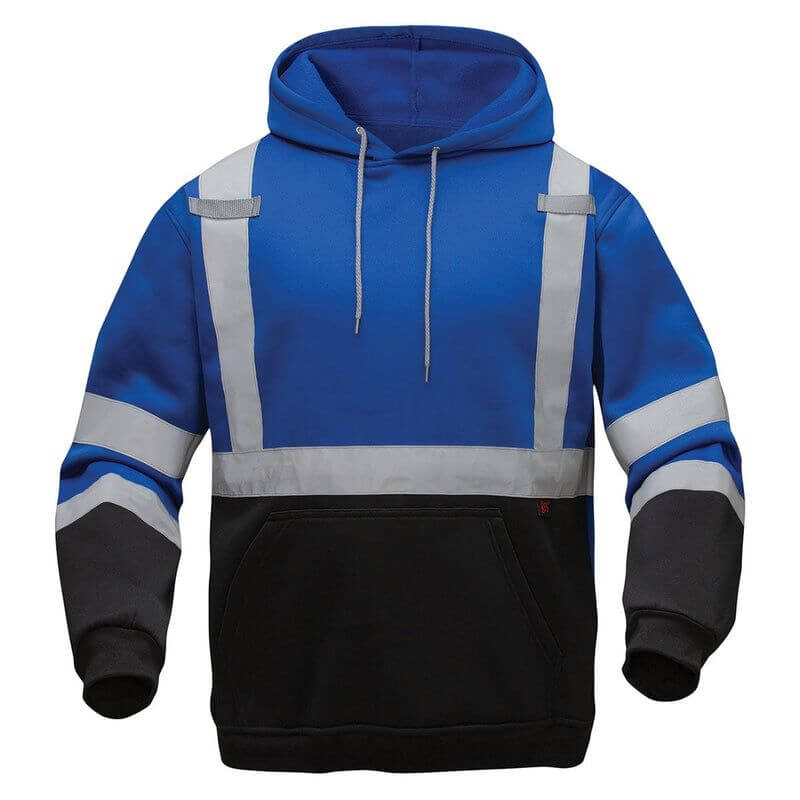
Get a Custom FR Clothing Quote from VisonSafety
How Fabric Softeners Change Flame‑Resistant Behavior
Softeners create a hydrophobic layer that smooths fibers and reduces stiffness, but that same layer impedes heat dissipation and can act as an additional fuel source. This surface coating shifts the fibers’ surface energy and how the material chars or self‑extinguishes in an open‑flame event. In practice, garments treated repeatedly with softeners may ignite more easily or burn more intensely. That mechanism explains why manufacturers and standards bodies strongly advise against conventional softeners for FR apparel.
Impact of Laundering on the Protective Performance of Firefighter Clothing and the Influence of Detergents
Firefighter protective garments require carefully controlled laundering and drying. Improper maintenance can shorten the service life of this critical equipment. This study surveyed current maintenance practices and investigated degradation mechanisms during wash and dry cycles to recommend methods that minimize laundering damage and comply with the Korean Fire Services Act. The researchers found that afterglow — a sign of reduced flame‑retardant performance — is primarily linked to residual detergent, with dryer heat contributing as well. No meaningful performance difference appeared between spin speeds of 600 rpm and 900 rpm, and increasing rinse cycles from two to five did not remove detergent adsorbed inside fibers. The paper recommends adjusting spin‑drying profiles and rinse volume/temperature to reduce residual detergent, and suggests balancing spin speed to limit fabric damage while lowering tumble‑dry heat exposure.
The effects of laundering on the protective performance of firefighter clothing, 2021
What Risks Do Fabric Softeners Create for FR Garments?
Using conventional softeners raises burn risk, can cause failed compliance tests, and shortens the effective life of protective clothing — creating liability for employers and higher replacement costs for fleets. Even trace deposits accumulate over multiple cycles and can degrade performance without obvious visual signs. For B2B buyers and safety managers, that risk translates to operational exposure: non‑compliant garments, regulatory scrutiny, and higher total cost of ownership. Safer softening methods avoid these pitfalls while still improving wearer comfort.
Safe, Effective Ways to Soften FR Clothing
Safe softening relies on mild chemistry and mechanical action rather than polymeric lubricants that coat fibers. Approaches such as a vinegar rinse, baking soda in the wash, dryer balls, and controlled low‑heat tumbling gently relax fibers or neutralize ionic residues without leaving flammable films. Mechanical methods increase loft and separate fibers, while small pH adjustments in rinse water can safely reduce stiffness. Below are practical, tested steps and a short comparison to help you choose the right method.
These approved techniques use common household items and simple mechanical aids. Apply them sparingly — test one garment or a sample batch first — and always follow garment care labels and manufacturer‑recommended FR care. When used correctly, these alternatives enhance comfort while preserving FR performance for both inherent FR fabrics and treated cotton blends.
- Vinegar Rinse: Add white distilled vinegar (about 1/2 cup per top‑load) to the rinse cycle to break down detergent residue and soften fibers without leaving a lubricating film.
- Baking Soda Boost: Add 1/4 to 1/2 cup baking soda to the wash to buffer water hardness and neutralize ions that stiffen fabric.
- Dryer Balls and Low Heat: Use wool or approved plastic dryer balls on a low‑heat tumble to separate fibers and restore loft without chemicals.
- Mechanical Agitation: Run a shorter, lower‑spin wash cycle and avoid overloading so mechanical action gently relaxes fibers.
These methods keep FR textile surfaces clean and reactive, preserving protective performance while improving wearer comfort.
Below is a quick comparison of safe softening options by mechanism, likely impact on flame resistance, ease of use, and recommended dosing for household laundering.
How to Wash and Care for FR Clothing to Keep It Soft
Good laundering balances detergent selection, water temperature, cycle type, and drying method to remove soils while avoiding residues that harm flame performance. Use mild, phosphate‑free detergents, avoid bleach and chlorine, and choose cold‑to‑warm water for most FR blends unless the care label specifies otherwise. Separate heavily soiled or oily garments and use shorter cycles with appropriate mechanical action to reduce dependence on harsh chemistries. Store garments clean, dry, and away from oils and solvents to protect both softness and certification over time.
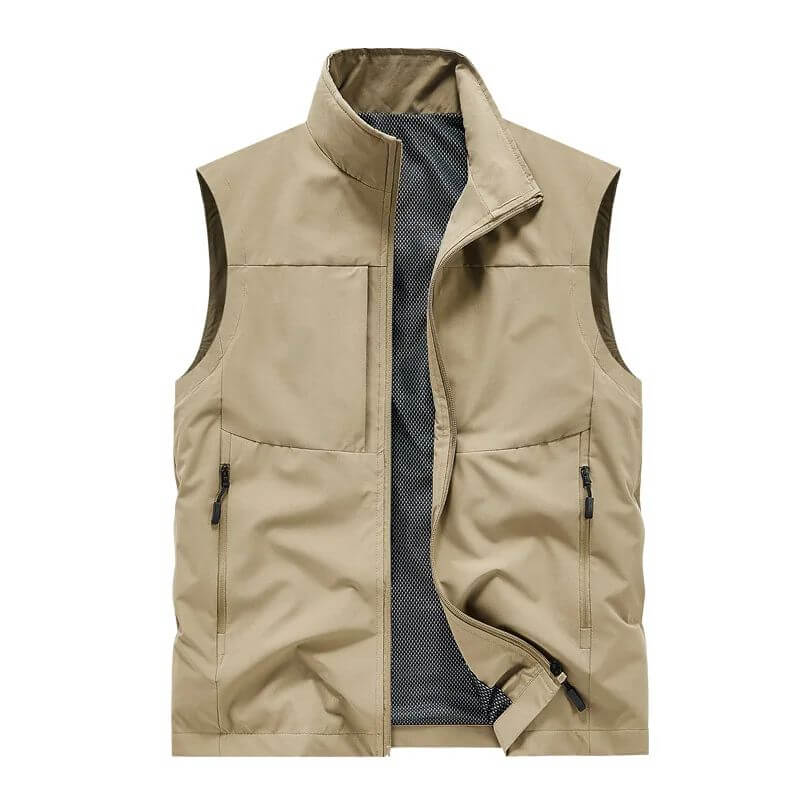
Get a Custom FR Clothing Quote from VisonSafety
Best Detergents and Water Temperatures for FR Garments
Pick detergents without added softeners or optical brighteners — those additives can leave films that change thermal behavior. For inherent meta‑aramid and other engineered fibers, wash in cold to warm water (20–40°C) on a gentle cycle to protect fiber structure while removing soils. For treated cotton blends, follow the label temperature guidance closely and avoid hot water unless testing confirms it’s safe for that treatment. Never use peroxide or chlorine bleaches, and avoid stain removers that contain flammable solvents.
- Use a mild, phosphate‑free detergent with no fabric‑softening ingredients.
- Wash in cold to warm water depending on fabric type and the care label.
- Keep oily or solvent‑contaminated garments separate from regular loads.
- Rinse thoroughly — or add a vinegar rinse — to remove detergent residues.
This quick guide maps detergent and cycle choices to practical settings that preserve softness and protect FR function. Always defer to manufacturer instructions when provided and avoid harsh chemistries.
To align laundering with manufacturer guidance, VisonSafety recommends following garment care labels precisely and using approved detergents, temperatures, and QC practices when available. When engaging B2B customers, highlight manufacturing capabilities, product range and certifications, and invite inquiries for custom safety apparel orders.
How B2B Clients Can Keep FR Clothing Soft While Staying Compliant
Procurement teams and uniform managers should implement laundering protocols and purchasing standards that preserve compliance while improving comfort. Key operational steps include documenting wash cycles, selecting approved detergents and mechanical softening methods, training laundry staff, and keeping traceability records by batch. Regular inspection and re‑certification sampling reduce performance drift and stretch service life, lowering replacement costs. A managed laundry program with defined parameters lowers risk and delivers measurable safety outcomes for employers and distributors.
VisonSafety is a certified safety clothing manufacturer that supports global B2B clients — distributors, wholesalers, and brands — with OEM and ODM services. Our core product lines include Flame Retardant (FR) Clothing and High‑Visibility (Hi‑Vis) Clothing. Our value propositions include certified safety apparel (UL, NFPA 2112, EN 11611, EN 1149, ANSI/ISEA 107; ISO 9001, OEKO‑TEX, CE also mentioned), custom manufacturing (OEM/ODM), fast sampling with on‑time delivery, full QC and material traceability for over three years, and flexible MOQs from single samples to large runs. These services directly support compliance, traceability, and operational scale for B2B programs.
- Document and standardize wash cycles and approved detergents for each garment batch.
- Require supplier QC and traceability so garments can be re‑tested or quarantined if necessary.
- Leverage OEM/ODM partnerships to specify fabric blends and finishes that balance comfort and certification.
This table links manufacturer services to practical B2B outcomes. Partnering with a certified supplier that provides sampling, traceability, and flexible MOQs lowers total cost of ownership and strengthens fleet safety compliance.
To start a conversation about custom safety apparel, sampling, or volume programs, reach out to our team. Request a custom FR apparel quote.
Soften FR Clothing Safely | FAQs
Can I use dryer sheets on FR clothing?
No. Dryer sheets, like liquid softeners, can deposit a film on fabric that may compromise flame resistance. That film can trap heat or flammable residues against the fibers and increase ignition risk. To protect FR performance, avoid products containing softening agents or scented additives that leave residues.
How often should I wash FR clothing to maintain softness?
Wash frequency depends on soil level and the work environment. Generally, launder FR garments after each shift if they were exposed to contaminants or heavy soiling. Regular washing keeps fibers clean and pliable, but always follow the manufacturer’s care instructions to avoid unintended damage to flame‑resistant properties.
What should I do if my FR clothing feels stiff after washing?
If garments feel stiff after washing, try safe methods such as a vinegar rinse or adding baking soda to the wash to help remove detergent residue. Use dryer balls and low‑heat tumbling to restore loft. Test any method on a single item or a small batch first and confirm with the garment’s care guidance.
Are there specific storage conditions for FR clothing?
Yes. Store FR garments in a clean, dry place away from oils, solvents and direct sunlight, which can break down fibers or finishes. Avoid compressing clothing tightly; hanging or loose folding that allows airflow helps keep fibers relaxed and reduces creasing that can feel like stiffness.
Can I use bleach on FR clothing?
No. Bleach — especially chlorine or peroxide‑based bleach — can damage fibers and undermine flame resistance. Use mild, phosphate‑free detergents formulated for FR textiles. For stain removal, choose products declared safe for FR use and always follow the manufacturer’s guidance.
What are the benefits of a managed laundry program for FR clothing?
A managed laundry program standardizes laundering protocols, ensures consistent detergent choices and cycle settings, and documents traceability by batch. These controls maintain protective performance, extend garment life, improve wearer comfort, and reduce liability — delivering lower total cost of ownership and better, measurable safety outcomes.
Conclusion
Comfort and safety can coexist. By avoiding traditional fabric softeners and using manufacturer‑aligned alternatives like vinegar rinses, baking soda, dryer balls and controlled mechanical action, you can soften FR garments without compromising protection. Adopt clear laundering protocols, follow care labels, and work with certified suppliers to protect compliance and extend garment life. Learn more about our certified safety apparel and how VisonSafety can support your FR program.
 English
 Deutsch
 Français
 Polski
 Português do Brasil
 Español
 日本語
日本語 Русский
 العربية
 Italiano
 Nederlands
 Türkçe
 한국어
한국어