
Class 2 high-visibility jackets are safety garments designed to increase worker conspicuity in moderate-risk settings. Using fluorescent background fabrics plus retroreflective tape, they improve detectability in daylight, low light and transitional conditions. This guide summarizes core features, ANSI/ISEA 107 requirements, typical applications, and procurement considerations.
Comprehensive Guide on Class 2 Hi Vis Jackets
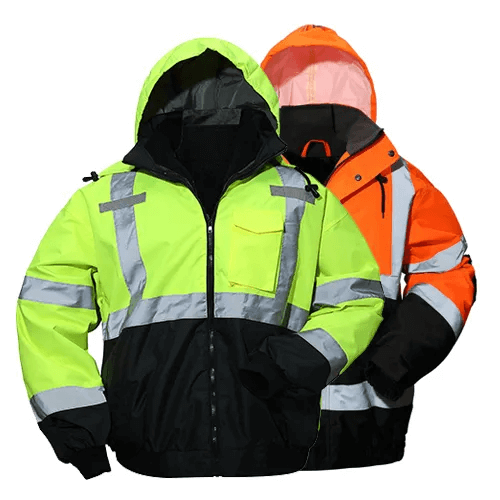
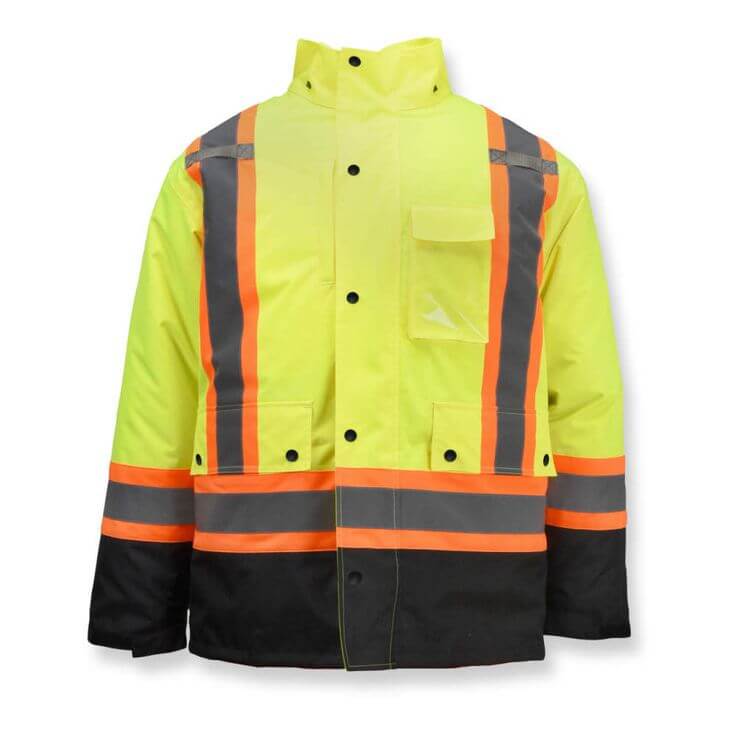
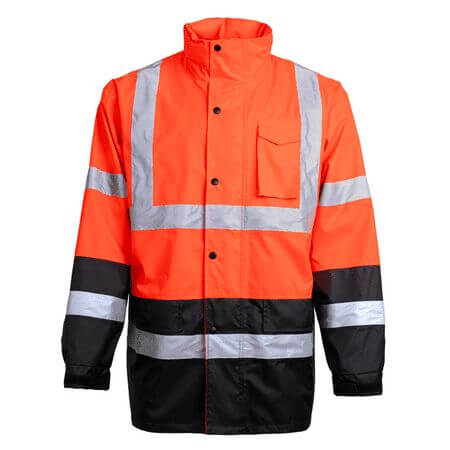
Class 2 garments meet ANSI/ISEA 107 visibility and layout requirements for workers exposed to vehicle or equipment traffic. Typical construction uses fluorescent yellow or orange combined with reflective tape placed to maximise detection by drivers and operators. VisonSafety supplies compliant, customisable options to support safety programs.
Get a Custom Class 2 Hi-Vis Jacket Quote from VisonSafety
Features of Class 2 Hi Vis Jackets
Core features focus on conspicuity, durability and wearer acceptance. Key attributes:
- Bright Colors : Fluorescent yellow or orange increases daytime and transitional visibility.
- Reflective Materials : Retroreflective tape returns light to its source for nighttime detectability.
- Comfortable Fit : Adjustable cuts and closures help preserve visibility and encourage consistent use.
These elements together satisfy the minimum visibility performance for Class 2 garments.
Proper fit is important for high-visibility PPE; ill-fitting garments can reduce the intended conspicuity and protective performance.
Proper Fit for High-Visibility Safety Vests in Construction
As the construction workforce becomes more demographically diverse, personal protective equipment must accommodate varied body types to maintain protective performance. The conventional “one size fits all” approach has been shown to fail in delivering appropriate fit for many workers, indicating a need for size-appropriate vest options and fit validation during procurement.
Safely Covered or Dangerously Exposed: Analyzing the Safety Vest Code of Compliance, 2015
ANSI Certification Standards
ANSI/ISEA 107 sets minimum areas and placement of fluorescent and retroreflective materials as well as test criteria. Certification confirms a garment meets daytime and nighttime conspicuity thresholds and practical design expectations.
- Visibility Levels : Minimum background and reflective material are required for Class 2 performance.
- Design Specifications : Layout must preserve visibility while allowing functional movement.
- Testing Requirements : Materials and assemblies are tested for reflective performance and durability.
Knowing these provisions helps safety managers specify compliant products and document due diligence.
Employers have obligations to provide PPE that meets consensus standards; ensuring ANSI/ISEA compliance is central to that responsibility.
Employer Compliance with ANSI PPE Standards
Employers are required to provide and maintain PPE constructed in accordance with current consensus standards. Compliance with specified standards ensures that supplied equipment meets recognized performance criteria and supports employer obligations under safety regulations.
Safety for Eyes and Face: ANSI/ISEA Z87. 1 User Guide, 2017
Applications in Various Work Environments
Class 2 jackets are specified where moderate hazard exposure exists and better conspicuity reduces collision risk. Common uses:
- Construction Sites : Workers near machinery and vehicle traffic need clear visibility.
- Road Maintenance : On-road personnel require conspicuity to be seen by passing vehicles.
- Airport Ramp Work : Ground crew benefit from enhanced detection by pilots and vehicle operators.
Properly specified Class 2 garments are a practical control to reduce vehicle and equipment strikes.
Get a Custom Class 2 Hi-Vis Jacket Quote from VisonSafety
Safety Benefits
Class 2 hi-vis jackets deliver tangible safety outcomes for organisations and workers:
- Reduced Risk of Accidents : Improved visibility lowers collision and struck-by risks.
- Enhanced Worker Recognition : Easier identification supports supervision and emergency response.
- Weather Protection : Many designs add basic protection from elements while keeping visibility intact.
These benefits can reduce incident costs, lower liability exposure and support operational continuity.
Research supports high-visibility apparel as an evidence-based measure to reduce traffic-related fatalities and serious injuries among exposed workers.
High-Visibility Safety Apparel Prevents Traffic Fatalities
Traffic-related fatalities represent a significant proportion of occupational deaths in certain fields. A substantial share of these fatalities involve struck-by-vehicle incidents that could be mitigated through use of high-visibility safety apparel. Adoption of HVSA is therefore an evidence-based intervention to reduce such losses.
Personal Protective Clothing: Law Enforcement Officers’ Attitudes and Safety Behavior Assessments Toward High-Visibility Safety Apparel, 2013
What Defines a Class 2 Hi Vis Jacket?
A Class 2 jacket meets ANSI/ISEA 107 criteria for minimum fluorescent background area and retroreflective tape layout, while offering practical features (pockets, adjustments) that do not obscure specified visibility zones.
Which ANSI Standards Specify Class 2 Hi Vis Requirements?
ANSI/ISEA 107 is the current consensus standard detailing material performance, reflective minimums and acceptable garment configurations for Class 2 garments in daytime and nighttime conditions.
Why Are Class 2 Hi Vis Jackets Essential for Worker Safety?
By increasing the likelihood a worker is seen by drivers and machine operators, Class 2 jackets reduce accident probability and support employer duty of care and compliance obligations.
How Do Reflective Materials Enhance Visibility in Work Environments?
Retroreflective materials return incident light toward its source, making wearers more detectable under headlights and task lighting; combined with fluorescent fabrics, they create a consistent visual signature across lighting conditions.
What Business Advantages Result from Using ANSI Class 2 Jackets?
Benefits include lower incident-related costs, regulatory compliance support, and improved worker confidence that can aid productivity.
- Cost Savings from Reduced Accidents
- Compliance Benefits
- Enhanced Worker Visibility
Correct specification and maintenance ensure these advantages are realised.
What Customization Options Are Available for Class 2 Hi Vis Jackets?
Class 2 jackets can be customised for brand identity while maintaining visibility: colour selection (within fluorescent palettes), logo printing and permitted reflective tape layouts are common options.
How Can Logo Printing and Color Choices Improve Brand Visibility?
Adding logos and corporate colours increases on-site recognition and signals a formal commitment to safety, provided visibility requirements remain intact.
What Materials and Construction Methods Ensure Compliance and Durability?
Choose durable, tested substrates and reliable reflective technologies; enforce factory quality checks so garments retain reflective performance and structural integrity during service life.
How Should Businesses Select and Maintain Class 2 Hi Vis Jackets?
Evaluate jackets against ANSI/ISEA 107, durability, fit and suitability for the work environment. Maintain reflective and fluorescent properties via manufacturer-recommended cleaning, inspection and storage.
- Selection Criteria : Verify ANSI compliance and suitability for tasks and climate.
- Maintenance Best Practices : Regular cleaning and inspections preserve visibility.
- Compliance Verification : Check certification labels and supplier documentation.
A formal selection and maintenance regime supports consistent protective performance and regulatory recordkeeping.
What Criteria Should Be Considered When Choosing the Right Hi Vis Jacket?
Prioritise safety standards compliance, visibility features and necessary customisation to meet operational needs and legal obligations.
Get a Custom Class 2 Hi-Vis Jacket Quote from VisonSafety
What Are Best Practices for Maintenance to Preserve Safety Standards?
Follow manufacturer care instructions, perform routine inspections for wear or contamination, and store jackets clean and dry. Replace garments when visibility or reflective performance is compromised.
For further information or to contact us , visit our website.
If you are looking for class 3 hi vis jackets , we have a wide selection available.
What Are Class 2 Hi-Vis Jackets | FAQs
What is the difference between Class 2 and Class 3 hi vis jackets?
Class 2 provides minimum conspicuity for moderate-risk work; Class 3 increases background and reflective area for higher-risk or high-speed traffic situations. Choose based on hazard assessment and regulation.
How do I know if my hi vis jacket is ANSI certified?
Check the manufacturer’s certification label for the ANSI/ISEA edition, garment class and material specs; absence of a label requires supplier verification before use.
Can Class 2 hi vis jackets be used in all weather conditions?
Class 2 improves visibility but weather protection varies by model; specify waterproof membranes, sealed seams or insulation where severe conditions require it.
What maintenance is required to keep hi vis jackets effective?
Follow care instructions, perform routine inspections, launder gently, avoid abrasive cleaners, and replace jackets when visibility or reflective elements degrade.
Are there specific industries that require Class 2 hi vis jackets?
Sectors such as construction, road maintenance and airport ramp operations commonly mandate Class 2 apparel where workers are exposed to moving vehicles or equipment.
What are the benefits of customizing Class 2 hi vis jackets for businesses?
Customisation allows corporate identity through logos and authorised colours while retaining ANSI-compliant visibility and can support site identification and stakeholder confidence.
How can I ensure the right fit for Class 2 hi vis jackets?
Use manufacturer sizing charts, allow for full range of motion, specify adjustable features and conduct fit trials with end users to improve acceptance and consistent use.
Conclusion
Class 2 hi-vis jackets are an effective control for reducing collision risk in moderate-hazard work. Ensuring ANSI/ISEA 107 compliance, selecting durable materials, and following documented maintenance preserve protective performance. Invest in certified, well-specified garments to protect personnel and support regulatory obligations.
 English
 Deutsch
 Français
 Polski
 Português do Brasil
 Español
 日本語
日本語 Русский
 العربية
 Italiano
 Nederlands
 Türkçe
 한국어
한국어