
Class 3 hi vis jackets are engineered to maximise wearer conspicuity in high-traffic and hazardous environments by combining fluorescent background fabrics with certified retroreflective components. This guide summarises the technical specifications, visible features, materials, construction practices, and the compliance steps organisations should follow to specify and maintain ANSI/ISEA Class 3 apparel.
Comprehensive Guide on Class 3 Hi-Vis Jackets
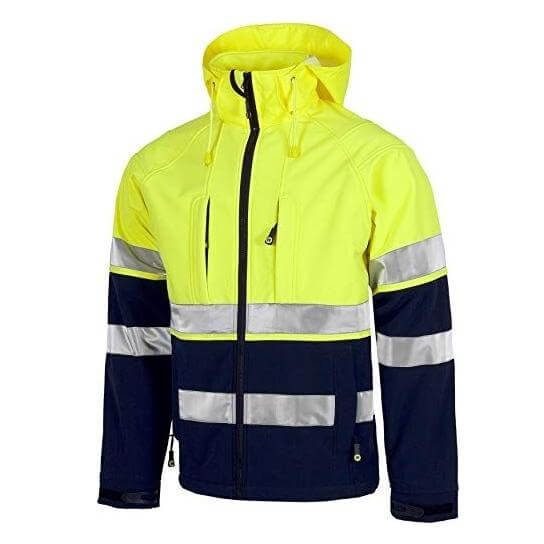
Class 3 jackets are designed for settings where worker detection at distance is critical—typical users include construction crews, emergency responders, and other high-risk occupations. Bright fluorescent backgrounds (yellow or orange) paired with engineered reflective tape create contrast and multi-angle visibility for drivers and equipment operators.
Get a Custom Class 3 Hi-Vis Jacket Quote from VisonSafety
Visibility is a primary safety control: properly specified Class 3 garments reduce the risk of incidents by meeting quantified conspicuity thresholds.
ANSI/ISEA Compliant Vests & Firefighter Jackets Conspicuity
Four garments were tested for daytime and nighttime conspicuity: two ANSI/ISEA-compliant vests and two firefighter jackets (turnout gear).
The conspicuity of first-responder safety garments, JR Sayer, 2009
What is ANSI Class 3 High Visibility Safety Apparel?
ANSI Class 3 apparel is defined in the ANSI/ISEA 107 series by minimum background area, minimum retroreflective area, and specific garment design to ensure detection at operationally relevant distances and lighting conditions. Class 3 is intended for tasks performed near moving vehicles or heavy equipment.
Research has evaluated ANSI/ISEA-compliant garments and shown measurable improvements in nighttime and daytime conspicuity for workers in work zones and similar settings.
ANSI/ISEA 107-1999 Compliant High-Visibility Apparel
Eighteen new ANSI/ISEA 107-1999 compliant garments served as the basis of the stimuli used. All stimuli consisted of the orthogonal combinations of three levels of ANSI/ISEA garment.
High-visibility safety apparel and the nighttime conspicuity of pedestrians in work zones, JR Sayer, 1999
Key specifications include a minimum retroreflective area combined with an appropriate fluorescent background; these work together to increase detection distance and reduce operator error.
VisonSafety is a safety apparel provider supplying Class 3 hi vis jackets that conform to international standards such as ANSI/ISEA.
Defining Features
Class 3 jackets share design elements chosen to optimise conspicuity, durability, and wearer comfort in operational conditions.
- Full-Sleeve Coverage: full upper-body coverage to maximise visibility.
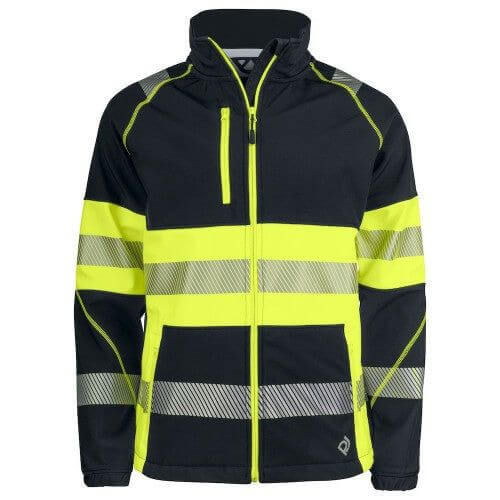
- Reflective Material: strategically placed retroreflective tape for low-light detection.
- Fluorescent Colors: high-contrast fluorescent backgrounds (yellow/orange) for daytime conspicuity.
Colour contrast and tape patterns are standardised to ensure consistent performance across environments.
ANSI/ISEA 107 Standards for HVSA Color Contrast
The importance of increased color contrast is well acknowledged in the ISO and ANSI standards for HVSA (ANSI-ISEA-107-, 2015, Iso, 2013). As stated in ANSI/ISEA 107-2015, “
Selecting effective colors for high-visibility safety apparel, A Lanitis, 2015
These features collectively reduce worker exposure to hazard by improving detectability.
Standards Compliance
Class 3 jackets must meet ANSI/ISEA 107 requirements and, where applicable, EN ISO 20471 criteria; these standards define minimum retroreflective areas, acceptable background colours, and required garment configurations.
Employers should verify labels, retain certification documents, and schedule periodic reviews of issued gear to maintain ongoing conformity.
Importance of Reflective Tape Placement
Tape placement determines multi-angle conspicuity. Standards prescribe patterns and minimum retroreflective areas so garments remain visible from varied sightlines, which is vital near moving vehicles and equipment.
Get a Custom Class 3 Hi-Vis Jacket Quote from VisonSafety
Materials and Construction Features
Durable background fabrics and certified retroreflective components extend service life while preserving visibility and wearer comfort. Breathable fabrics and reinforced assembly points improve endurance and reduce heat stress during extended shifts.
Key material attributes:
- Durable Fabrics: resist operational wear.
- Breathability: promote comfort and compliance during long shifts.
- Reinforced Stitching: improves longevity at stress points.
Types of Fabrics Used
Manufacturers commonly use polyester, nylon, and cotton blends with optional water-resistant finishes; the choice balances durability, comfort, and environmental resistance according to operational needs.
- Polyester and Nylon: durable and low-maintenance.
- Cotton Blends: comfortable and breathable for warmer conditions.
- Water-Resistant Finishes: add weather protection where required.
Construction Methods and Effectiveness
Proper fabrication preserves reflective properties and structural integrity. Material testing, quality stitching, and final inspections are essential to ensure garments meet performance benchmarks before distribution.
- Material Testing: validates fabric and retroreflective performance.
- Sewing Techniques: high-quality stitching extends service life.
- Final Inspections: confirm compliance and workmanship.
What Defines a Class 3 Hi Vis Jacket According to ANSI Standards?
Under ANSI/ISEA criteria, a Class 3 jacket satisfies specified metrics for retroreflective area and background material so the wearer is detectable at operationally relevant distances and lighting conditions.
Typical use cases include high-speed traffic operations, emergency response, and construction sites where full upper-body conspicuity is necessary.
Which ANSI Class 3 Requirements Must Hi Vis Jackets Meet?
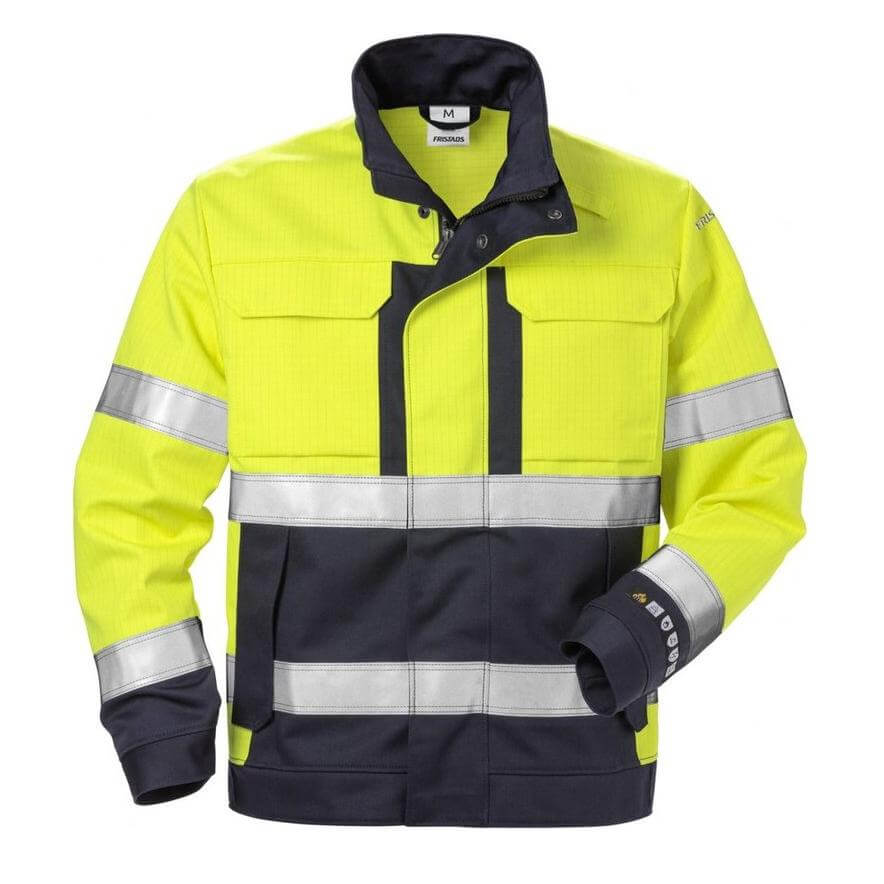
Class 3 jackets must include defined amounts of fluorescent background and retroreflective material, provide full upper-body coverage, and undergo testing and certification to demonstrate compliance.
- Visibility Standards: minimum reflective area requirements.
- Design Features: full-sleeve coverage and fluorescent colours.
- Compliance: documented testing and periodic recertification where applicable.
How Does Reflective Tape Placement Enhance Visibility and Compliance?
Correct tape patterns increase the chance of detection from varied sightlines and allow manufacturers to meet standardised placement guidelines required for Class 3 certification, thereby supporting worker protection.
What Materials and Construction Features Ensure Durability and Safety in Class 3 Jackets?
Durable background fabrics, certified retroreflective materials, reinforced assembly points, and breathable constructions together deliver sustained field performance and reduce heat-related strain on workers.
Get a Custom Class 3 Hi-Vis Jacket Quote from VisonSafety
What Fabric Types Are Used in High Visibility Workwear for Optimal Performance?
Selections commonly include polyester, nylon, and cotton blends; surface treatments (e.g., water resistance) are applied based on operational needs and maintenance protocols.
- Polyester: durable and abrasion-resistant.
- Nylon: strong and lightweight.
- Cotton Blends: breathable and comfortable.
How Do Construction Methods Affect the Longevity and Safety of Reflective Safety Jackets?
Precision fabrication and assembly preserve reflective performance and structural integrity; consistent quality control prevents premature degradation of conspicuity features.
- Material Selection: choose fabrics rated for intended use.
- Sewing Techniques: use robust stitching at stress points.
- Quality Control: routine inspections ensure ongoing compliance.
How Can Businesses Benefit from Customizing Class 3 Hi Vis Jackets?
Customising Class 3 jackets supports workforce identification, on-site brand visibility, and demonstrates a commitment to safety without compromising required retroreflective areas or contrast specifications.
Tailored garments can also enhance employee engagement with PPE programmes when logos and colours are coordinated with compliance requirements.
What Customization Options Are Available for Hi Vis Safety Jackets?
Organisations can specify fabric weight, approved colour variants that preserve contrast, and reflective tape layouts that meet placement criteria while incorporating approved branding elements.
- Fabric Type and Weight: select for climate and durability.
- Color Options: choose corporate colours that still meet contrast rules.
- Reflective Tape Layout: adapt tape patterns within standard guidance.
How Does Customization Improve Brand Visibility and Worker Safety?
Integrating approved logos and colour palettes improves on-site recognition while retaining conspicuity; visible investment in compliant PPE also supports safety culture and worker confidence.
What Are the Key Considerations When Selecting Class 3 Hi Vis Jackets for Workplace Safety?
Selection should be based on material performance, verified ANSI Class 3 compliance, and ergonomic fit that permits mobility and layering without obscuring required reflective areas.
- Material Types: durability and comfort for the task.
- Visibility Standards: ensure ANSI Class 3 requirements are met.
- Fit and Comfort: permit full range of motion across shifts.
Applying these criteria helps ensure garments deliver protection and practical usability.
How to Verify If a Jacket Meets ANSI Class 3 Standards?
Verify labels, certification and test reports that document retroreflective area, background material performance, and construction criteria; retain procurement records and perform periodic inspections to confirm ongoing conformity.
Are Class 3 Jackets Suitable for Various Industry Use Cases?
Class 3 jackets are appropriate for applications requiring elevated conspicuity, including high-speed traffic zones, emergency response, road maintenance, and many industrial construction roles.
- High-Speed Traffic Areas: essential near moving vehicles.
- Emergency Services: critical for responder visibility.
- Industrial Applications: useful in manufacturing and construction.
What Are Class 3 Hi-Vis Jackets | FAQs
What are the benefits of wearing Class 3 hi vis jackets in the workplace?
Class 3 jackets increase detection distance, reduce incident risk involving vehicles or machinery, aid rapid identification during incidents, and support regulatory compliance and an organisation’s safety posture.
How do I choose the right size for a Class 3 hi vis jacket?
Use the manufacturer’s sizing chart and measurements for chest, waist, and sleeve length; account for layering and ensure unrestricted movement to maintain task performance.
Can Class 3 hi vis jackets be used in wet conditions?
Many models offer water-resistant finishes and sealed seams; select breathable membranes or constructions that manage moisture while preserving visibility.
What maintenance is required for Class 3 hi vis jackets?
Follow manufacturer laundering instructions, avoid bleach and fabric softeners, inspect reflective areas and seams regularly, and replace garments that no longer meet performance criteria.
Are there specific industries that require Class 3 hi vis jackets?
Industries with critical conspicuity needs—construction, emergency services, road maintenance, and certain manufacturing operations—commonly require Class 3 apparel per site hazard assessments and regulatory programmes.
How do I ensure that my Class 3 hi vis jacket is compliant with safety standards?
Check ANSI/ISEA 107 labelling, review certification/test documentation, and maintain inspection records to demonstrate due diligence in procurement and maintenance.
Can I customize my Class 3 hi vis jacket for branding purposes?
Yes—coordinate logo placement, colour choices, and tape layout with compliance requirements to avoid interfering with required retroreflective areas or contrast specifications.
Conclusion
Class 3 hi vis jackets are an essential control for worker protection in high-risk environments, combining fluorescent backgrounds and retroreflective materials to meet ANSI performance criteria. When specified and maintained correctly, Class 3 garments deliver the required conspicuity while allowing for compliant customisation that supports brand identity and safety culture.
 English
 Deutsch
 Français
 Polski
 Português do Brasil
 Español
 日本語
日本語 Русский
 العربية
 Italiano
 Nederlands
 Türkçe
 한국어
한국어