
Used FR clothing — flame-resistant garments that have been previously owned, rented, or returned — can reduce purchase costs for some buyers, but it also brings trade-offs in safety, traceability, and liability. This guide maps common supply channels for second‑hand FR apparel, highlights the main safety and compliance risks, and gives stores practical verification, inspection, and procurement steps for bulk purchases. You’ll find a straightforward checklist for evaluating used items, a supplier‑vetting framework you can apply immediately, and clear actions to limit liability when reselling or distributing second‑hand FR garments. Content is written for distributors and wholesalers who must balance price, traceability, and worker protection with a safety‑first approach.
Where Do Stores Source Used FR Clothing From?
Used FR garments enter resale streams through a few predictable channels. Each source differs in volume, documentation, and average condition — differences that should determine the depth of verification you perform before buying. Lower‑cost sources often lack reliable batch or laundering records, while managed returns and trade‑in programs may include partial documentation but still demand inspection. Below are the most common channels and the red flags to watch for, such as missing labels, strong chemical or fuel odors, or wide sizing inconsistencies that complicate bulk sales.
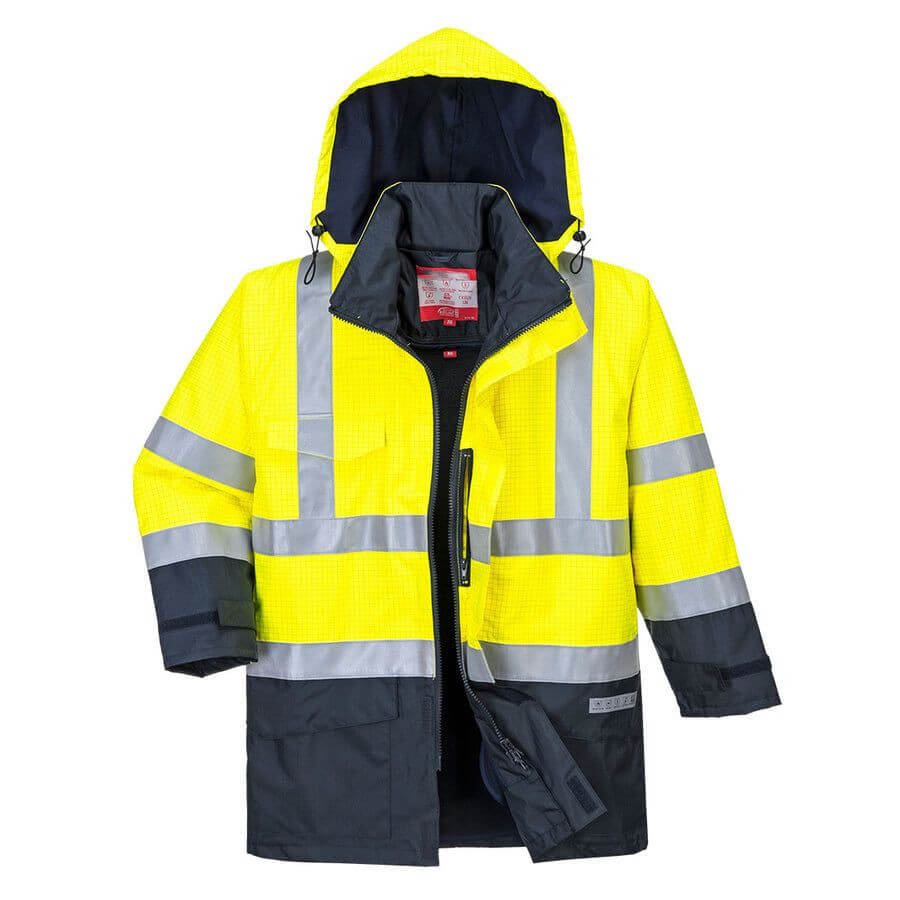
Get a Custom FR Clothing Quote from VisonSafety
Stores commonly acquire used FR apparel via these channels:
- Returns and overstock from large employers or uniform/rental programs where garments were used briefly and returned.
- Liquidation auctions and surplus suppliers handling mixed lots from multiple origins.
- Trade‑in or buyback programs operated by employers, distributors, or safety contractors.
- Employee buybacks or direct purchases from individual workers.
These sources vary widely in traceability and condition. Liquidation lots usually offer volume but limited paperwork; organized trade‑ins may include batch notes or partial laundering logs. Knowing the origin of a lot sets expectations for downstream grading, sorting, and the verification steps you’ll need to apply.
What Are the Common Channels for Acquiring Used Flame Resistant Apparel?
Each acquisition channel implies different levels of garment history, condition, and documentation. Corporate rental or uniform returns often carry records of issue and estimated service life, which helps with grading, but those items still need label and fabric checks. Liquidations and auctions supply volume but rarely provide consistent batch numbers or laundering logs, so sampling and testing become essential. Employee buybacks and local trade‑ins are easy to source but show the most variability in laundering, repairs, and potential contamination — making them riskier for regulated workplaces.
Use these differences to shape your purchasing strategy: high‑volume buyers may accept auction lots only when they can sample‑test representative pieces, while distributors selling to regulated end users should prioritize sources with traceable histories and intact labeling.
How Do Distributors and Wholesalers Facilitate Used FR Clothing Supply?
Distributors and wholesalers aggregate, grade, and repackage used FR clothing to meet buyer needs. Typical grading includes visual checks for seam integrity, screening for contamination, and sorting by size and garment type to simplify resale. Many wholesalers offer inspection rights, sample orders, and limited return windows to reduce buyer risk, but services vary by provider. For bulk purchases, request photos, representative samples, and any origin notes before committing to a lot — it’s the most practical way to limit surprises.
When distributors share clear batch notes and allow pre‑purchase sampling, you can better match inventory to customer and regulatory requirements. Without that transparency, expect higher uncertainty and added inspection or testing costs downstream.
Brief manufacturer/direct-supply alternative
Buying directly from manufacturers or authorized suppliers is the contrast to used channels: you receive new, certified FR apparel with clear traceability and bulk‑order support. Manufacturers focused on safety apparel supply documented compliance, consistent sizing, and options for customization that used lots seldom allow. For B2B buyers who need reliable certification, traceable batch records, and predictable delivery, a trusted manufacturer reduces the need for extensive incoming testing and simplifies regulatory compliance.
VisonSafety is an example of a manufacturer‑focused option: a global B2B manufacturer based in Ningbo, China, that offers scalable production of FR shirts, jackets, coveralls, pants, and hoodies, and follows international standards such as ASTM F1506, NFPA 70E, and EN ISO 11612. Partnering with a certified manufacturer can streamline documentation and lower traceability risk for distributors and wholesalers.
What Are the Safety and Compliance Risks of Used FR Clothing?
Used FR clothing carries four primary safety and compliance risks: diminished flame‑resistant properties from wear and laundering; missing, altered, or unreadable certification labels; unknown laundering and repair histories that can reduce protective performance; and contamination with oils, solvents, or other hazardous materials that create additional hazards. Each risk can directly affect a garment’s performance under thermal exposure and create legal or liability issues for resellers when not properly managed. Recognizing these categories helps you target inspections, request the right documentation, and decide when new certified apparel is the only responsible choice.
Below is a concise comparison of common used‑item attributes and their safety or compliance impacts to help you triage incoming lots.
Use this table to prioritize which lots require testing or rejection. When labels are absent or fabric shows heavy wear, the usual remediation is to reject the lot for safety‑critical applications or reassign items to non‑FR uses only after clear reclassification.
Short remediation paragraph and business tie-in
When the risks above are present and the intended use is safety‑critical, procuring new, certified FR garments is the most reliable remediation. Manufacturer‑backed new apparel delivers traceable batch records, test reports, and consistent construction that second‑hand items cannot guarantee. Working with a reputable manufacturer reduces compliance exposure by supplying certified products tested to recognized standards — a vital consideration for distributors serving regulated industries.
VisonSafety’s focus on quality control and conformity with standards such as ASTM F1506, NFPA 70E, and EN ISO 11612 shows how manufacturer documentation and controlled production can address the main risks tied to used FR inventories.
How Can Stores Verify the Quality and Authenticity of Used FR Clothing?
Apply a layered verification approach: begin with label and tag inspection, move to a structured visual and tactile check, and escalate to sampling and third‑party lab testing if questions remain. Start by confirming manufacturer labels, care instructions, and any certification markings; then examine seams, closures, and stress points for wear or repairs. If labels are missing or the garment’s history is unclear, send representative samples to an accredited lab for fiber analysis, flame‑performance testing, or arc‑rating confirmation. Keep clear records of every verification step in supplier files to demonstrate due diligence.
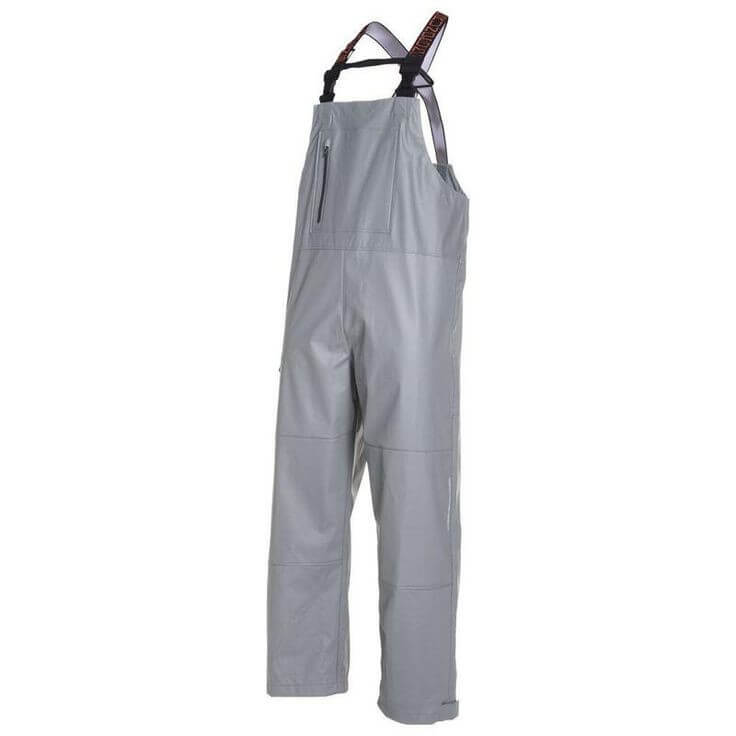
Get a Custom FR Clothing Quote from VisonSafety
Actionable verification checklist (intro paragraph)
Summary paragraph after table
Using this checklist helps stores limit compliance exposure and document their acceptance process for each lot. Request test reports and retain chain‑of‑custody logs for sampled garments so you can prove due diligence if an incident or audit occurs. When suppliers can’t supply adequate information, require third‑party testing or decline the purchase for safety‑critical uses. Manufacturer support — in the form of certificates and production traceability — can further streamline verification when new garments are an option.
Manufacturer support for verification and compliance
Manufacturers working directly with B2B buyers can fill gaps left by used‑supply channels by providing batch records, third‑party test reports for production runs, and clear labeling tied to standards. A manufacturer partner can also offer new certified production runs as an alternative to risky used lots, ensuring consistent sizing, construction, and documented compliance. For wholesalers and distributors without in‑house testing, manufacturer documentation and testing support reduce lead time and procurement risk while improving confidence for end users.
VisonSafety positions itself to provide this kind of manufacturer support through scalable production, quality control, and adherence to international standards — factors distributors can weigh when comparing used lots to manufacturer‑backed new stock.
What Testing or Inspection Processes Are Recommended for Used FR Apparel?
Begin testing with non‑destructive steps: a label and construction audit, followed by a detailed visual inspection of seams, closures, and contamination. If uncertainty remains about fiber integrity or performance, send representative samples to an accredited lab for fiber composition analysis and flame or arc performance testing. Use third‑party reports to make lot‑acceptance decisions and retain copies in procurement files for traceability. Account for lab turnaround times in your lead time planning to avoid delays.
This tiered testing approach helps stores allocate verification budget where it matters: sample‑test suspect lots while accepting well‑documented returns without unnecessary lab work.
How Do Manufacturers Like VisonSafety Support Verification and Compliance?
Manufacturers can supply the documentation and testing support that used‑supply channels often lack: batch records, third‑party test reports tied to production runs, and consistent labeling to recognized standards. They can also produce new certified runs as a safer alternative to risky used lots, and offer customization, production minimums, and quality inspections for bulk buyers. Leveraging manufacturer services streamlines procurement and reduces the burden of incoming testing for distributors and wholesalers.
When used inventory cannot meet documentation requirements, manufacturer‑backed new stock is often the fastest route to assured compliance for safety‑critical customers.
What Are Best Practices for Stores When Buying Used FR Clothing in Bulk?
Buying used FR clothing in bulk requires procurement rules that stress verification rights, sample orders, and contract terms that assign liability and define acceptable condition standards. Insist on pre‑purchase sampling, written grading criteria, and clear return or remediation terms if lots fail verification. Contracts should request laundering and repair histories when available, set contamination thresholds, and include clauses protecting buyers if garments are later found non‑compliant. Pairing limited used inventory with new certified stock helps maintain sizing consistency and brand expectations for customers.
Vendor evaluation checklist (intro paragraph)
Summary paragraph after table
Apply this supplier evaluation matrix to score vendors objectively and decide which suppliers warrant sample orders or full commitments. High‑trust suppliers provide batch data and prior testing; lower‑trust sources require more sampling and stricter contract protections. Prioritizing suppliers with transparent grading and return terms reduces downstream compliance issues and protects your customers.
List of procurement best practices (intro paragraph)
- Require representative samples: Always test samples from each lot before accepting the full shipment to confirm FR performance.
- Mandate documentation: Request batch records, laundering history, and any prior third‑party test reports from suppliers.
- Define contract protections: Include clear return, remediation, and liability clauses to handle non‑conforming or mislabeled garments.
Summary paragraph after list
Following these practices helps stores balance the cost benefits of used inventory with the safety and compliance responsibilities of end users. Representative sampling and documented supplier obligations create a defensible procurement process. When documentation or test results are missing, budget for third‑party testing or opt for new certified garments for regulated applications. A mixed sourcing strategy — limited used stock for low‑risk needs complemented by manufacturer‑guaranteed new items for critical roles — often provides the best balance of cost, customization, and compliance.
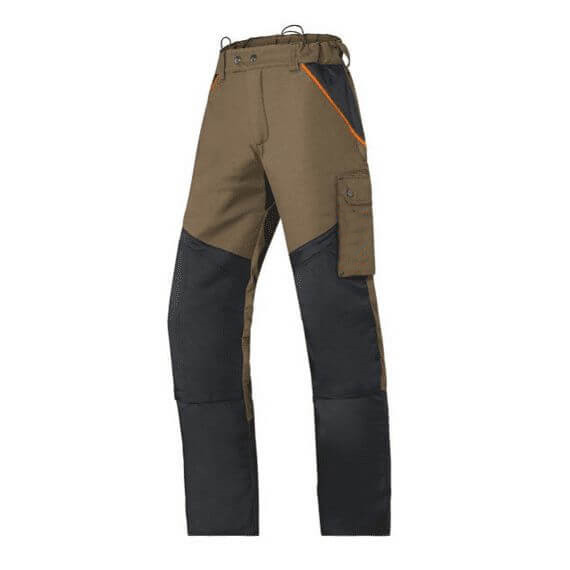
Get a Custom FR Clothing Quote from VisonSafety
How to Evaluate Supplier Credibility and Product Traceability?
Assess suppliers by requesting origin details, batch numbers, representative photos, and any existing test reports — these items form the backbone of traceability. Ask for a written grading protocol and sample the highest‑risk garments for lab testing to validate claims. Red flags include inconsistent labeling across a lot, reluctance to provide samples, and vague laundering histories. Use a short vendor questionnaire and documented scoring system so procurement teams can make consistent, repeatable decisions about which sources to trust.
Consistent application of this vetting process reduces surprises and creates an audit trail for compliance.
What Customization and Sizing Challenges Exist with Used FR Clothing?
Used inventory often lacks uniform sizing and brand consistency, which complicates fulfilling orders that require matched uniforms or specific branding. Customization — like embroidery or patches — may be limited by fabric condition and prior repairs, and used items rarely support full private‑label runs. Practical mitigations include using used lots for low‑risk applications, reserving new certified production for core uniform programs, or offering limited on‑garment customization such as small patches where permitted.
Adopting a mixed sourcing model — used for non‑critical needs and new certified garments for regulated roles — helps stores manage cost, customer expectations, and safety.
For distributors and wholesalers ready to move from uncertainty to consistent compliance, request quotes, samples, or documentation from certified manufacturers who can deliver batch‑traceable, certified FR shirts, jackets, coveralls, pants, and hoodies at scale. A short exploratory request for sample test reports and lead times will clarify whether new production or carefully vetted used inventory best serves your customers. VisonSafety, positioned to support B2B buyers, emphasizes scalable production, quality control, and compliance with standards such as ASTM F1506, NFPA 70E, and EN ISO 11612 — factors to weigh when choosing between used supply chains and manufacturer‑backed new stock.
How Stores Source Used FR Clothing | FAQs
What are the key benefits of sourcing used FR clothing?
Sourcing used flame‑resistant (FR) clothing can deliver meaningful cost savings, especially for businesses where safety gear is a large recurring expense. Used garments are often sold at a fraction of the price of new items and can extend purchasing budgets. Buying used also supports sustainability by diverting usable gear from landfill. That said, safety and traceability must be verified before deployment to ensure worker protection.
How can stores ensure compliance with safety regulations when selling used FR clothing?
Stores should build a rigorous verification workflow: check for intact certification labels, assess physical condition, and document the sourcing history. Conduct thorough inspections and, where needed, send samples for accredited third‑party testing to confirm compliance. Contracts with suppliers should include return and remediation terms to reduce liability exposure from non‑compliant items.
What are the potential liabilities associated with selling used FR clothing?
Selling used FR clothing exposes stores to liability if garments fail to protect workers or are misrepresented. Injuries involving non‑compliant clothing can lead to litigation, fines, and reputational damage. Mitigate these risks by sourcing from reputable suppliers, keeping complete documentation, and ensuring items pass inspection or third‑party testing before resale. Clear liability and indemnification clauses in supplier agreements also help manage legal exposure.
What steps should be taken if a batch of used FR clothing is found to be non-compliant?
If a batch is non‑compliant, immediately segregate the affected items to prevent sale or distribution. Document the findings and notify the supplier to pursue remediation options, such as returns or credits. Review procurement and inspection procedures to identify gaps, and inform affected customers with guidance on safe practices where appropriate to maintain transparency and trust.
How can stores balance the cost of used FR clothing with the need for safety?
Balance cost and safety by using a mixed inventory strategy: deploy used items for non‑critical or low‑risk applications, and reserve new certified garments for regulated or safety‑critical roles. Enforce strict procurement practices — representative sampling, documentation requirements, and third‑party testing where needed — so cost savings don’t come at the expense of protection.
What role do manufacturers play in supporting the resale of used FR clothing?
Manufacturers support the resale market by providing documentation, testing assistance, and alternatives in the form of new certified garments. They can supply batch records and test reports that help verify used items, and they can offer new production runs to replace risky used inventory. Partnering with reputable manufacturers streamlines procurement and reduces compliance risk for distributors and retailers.
What are the common misconceptions about used FR clothing?
A common misconception is that used FR clothing is always unsafe. While risks exist, properly inspected and documented used garments can be acceptable for certain applications. Another myth is that used items lack traceability; in many cases, reputable suppliers supply origin records and grading details. Clear communication and education help buyers make informed decisions about when used gear is appropriate.
Conclusion
Used FR clothing can deliver cost savings and sustainability benefits, but it requires disciplined verification and procurement practices to protect end users. By understanding common sourcing channels, recognizing key risks, and applying layered inspection and testing, stores can make defensible buying decisions. Where traceability or performance is essential, integrate new certified garments into your supply mix to ensure consistent compliance. Use our guidance and supplier evaluation approach to strengthen your procurement process and keep worker safety front and center.
 English
 Deutsch
 Français
 Polski
 Português do Brasil
 Español
 日本語
日本語 Русский
 العربية
 Italiano
 Nederlands
 Türkçe
 한국어
한국어