
Flame‑resistant (FR) clothing is designed to resist ignition, self‑extinguish, and limit burn severity by slowing heat transfer and preventing molten fabric from sticking to skin. This guide breaks down how FR garments work—from fiber chemistry to finished seams—then shows the real benefits for workers and employers, compares common FR fabrics, and maps relevant standards so procurement teams can specify the right protection. A common question is whether FR performance fades with use or laundering; we address that directly and provide practical buying guidance. You’ll come away with a clear view of the core protective mechanisms—self‑extinguishing, char formation, and thermal insulation—how they lower injury risk in flash fires and arc flashes, which fabrics suit which industries, and how standards like NFPA 2112 and NFPA 70E relate to workplace hazards. The aim is to give safety managers and B2B buyers practical, actionable information for specifying, purchasing, and managing FR workwear through its lifecycle.
How Does FR Clothing Protect Against Fire and Thermal Hazards?
FR clothing protects by combining purpose‑built materials and garment construction that resist ignition, form insulating char, and avoid melting or dripping. Together these behaviors reduce the heat reaching the skin, lower burn depth, and buy critical escape time during short‑duration events. Understanding how these mechanisms work helps you match garments to exposure profiles and make evidence‑based PPE choices. Below are the primary protection mechanisms and their practical benefits for workers and organizations.
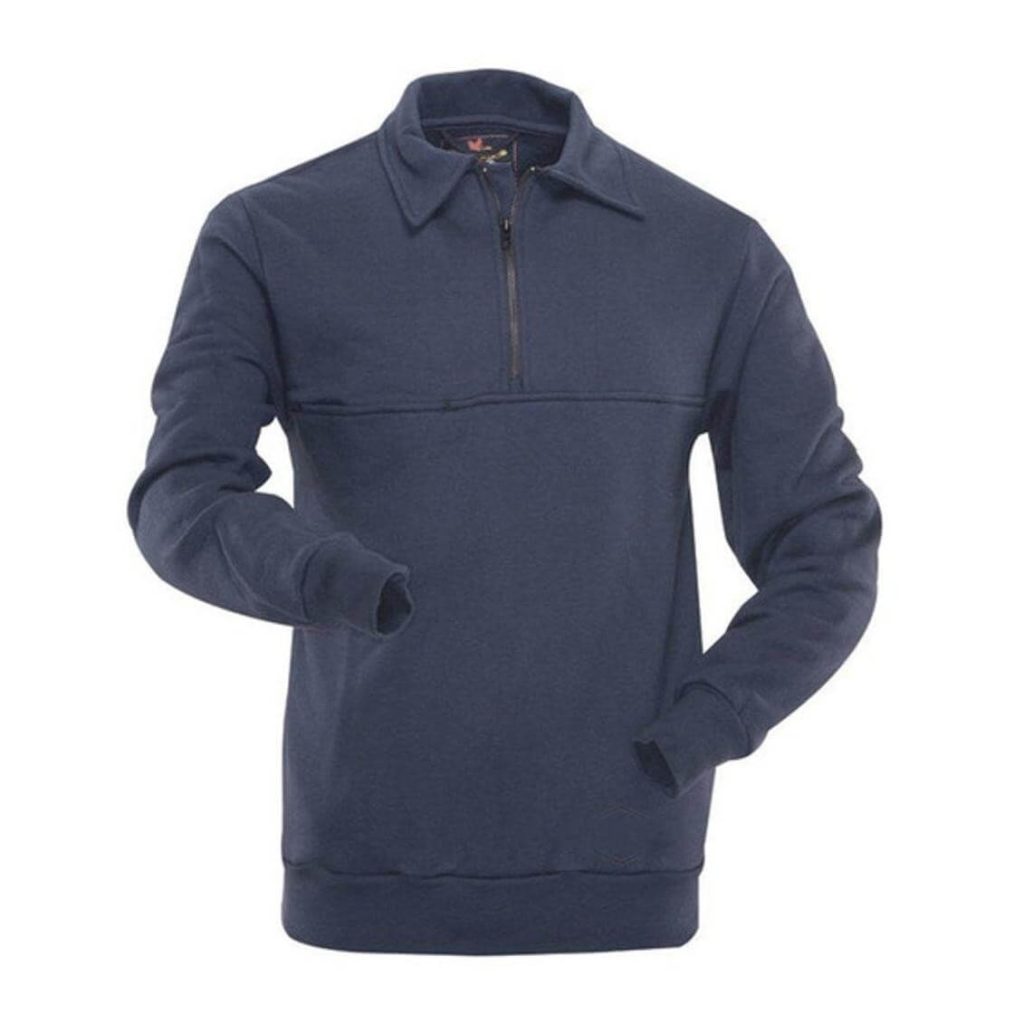
Get a Custom FR Clothing Quote from VisonSafety
FR clothing protects through several distinct mechanisms:
- Self‑extinguishing behavior stops fabric from sustaining flames after the ignition source is removed.
- Char formation creates an insulating layer that slows heat transfer to the skin.
- Non‑melting fibers prevent molten material from adhering to skin and causing deeper burns.
- Thermal insulation and layering reduce peak heat flux and extend escape time.
Different fabrics and garment designs emphasize these mechanisms in various ways; the sections that follow unpack the material science behind them and show how self‑extinguishing and insulation perform in real incidents.
What Are the Key Mechanisms Behind Flame Resistant Clothing?
FR performance starts at the fiber level. Inherent FR fibers have flame‑resistant chemistry built into the polymer, so protection is permanent. Treated fabrics use chemical finishes that promote charring or dilute combustible gases to slow combustion. Char formation is a central protective response: the surface carbonizes into a barrier that reduces heat transfer and limits oxygen access to the underlying fabric. Inherent fibers—like aramids (meta‑aramid and para‑aramid)—retain protection for the garment’s life, while treated cotton relies on durable finishes and correct laundering to maintain effectiveness. For buyers, the takeaway is straightforward: pick the mechanism (inherent vs. treated) that fits the expected exposure and lifecycle for the garment.
How Do Self-Extinguishing and Thermal Insulation Properties Work?
Self‑extinguishing materials stop burning once the ignition source is removed. They do this either by forming a protective char that interrupts combustion or by releasing noncombustible gases that cool the flame front.
Thermal insulation reduces heat transfer by trapping air and using multi‑layer constructions to slow conduction and convection. Thicker or layered garments give more protection but must be balanced with comfort and mobility.
In a short‑duration flash fire, a fabric that self‑extinguishes and chars will significantly lower the risk of second‑ and third‑degree burns compared with untreated textiles, improving survivability and reducing incident severity.
Correct layering and a proper fit further enhance insulation and help keep heat away from the skin.
What Are the Main Benefits of Wearing Flame Resistant Clothing?
FR clothing delivers measurable safety benefits and concrete business value: it reduces burn severity, helps meet regulatory requirements, and lowers the downstream costs of an incident. For workers, FR garments limit injury depth and reduce molten‑fabric adhesion. For employers, certified FR apparel reduces regulatory risk, supports duty‑of‑care obligations, and can lower downtime and insurance exposure after an event.
This matrix helps safety managers prioritize attributes—protection level, wash stability, or comfort—based on operational needs. Below are the primary, practical advantages organizations gain when they specify certified FR apparel.
Key practical benefits of FR clothing include:
- Safety: FR garments reduce burn severity and limit injury escalation during flash fires or arc events.
- Compliance: Certified FR clothing helps meet industry standards and PPE obligations.
- Durability: Properly specified FR fabrics retain protective properties after repeated laundering and use.
- Comfort and usability: Modern FR fabrics balance protection with breathability to increase wearer acceptance and consistent use.
These operational benefits feed directly into procurement decisions. For organizations buying at scale, proven manufacturing capabilities and strong quality assurance are critical. VisonSafety is a global manufacturer of certified hi‑vis and flame‑retardant workwear offering OEM and ODM services, on‑time delivery, 100% fabric batch testing, flexible minimums, and DDP shipping to support certified supply chains. Working with a reliable manufacturer streamlines tendering and reduces procurement risk for B2B buyers.
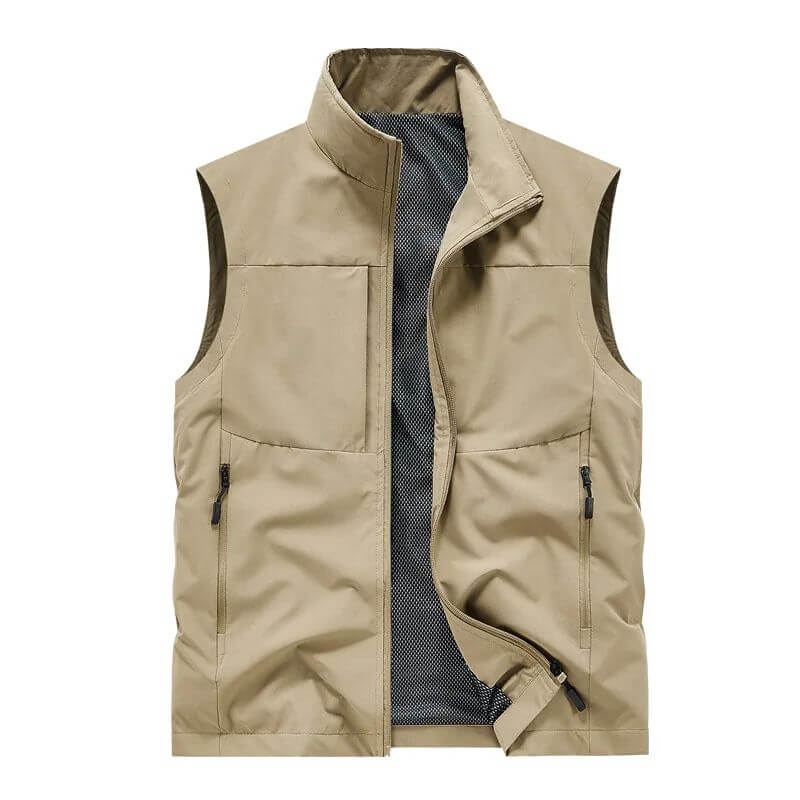
Get a Custom FR Clothing Quote from VisonSafety
How Does FR Clothing Enhance Worker Safety and Compliance?
FR clothing supports workplace safety programs by addressing identified thermal hazards with materials and certified testing that demonstrate performance under controlled conditions.
Choosing garments tested to the right standard—flash fire or electrical arc—helps ensure PPE programs are defensible and workers receive suitable protection.
Procurement should require labels, test reports, and clear certification mapping in RFPs to verify claims. Employers must also combine correct garment selection with training, proper fit, and maintenance so laboratory performance translates into real‑world protection.
What Comfort and Durability Advantages Does FR Clothing Offer?
Modern FR textiles offer improved breathability, ergonomic cuts, and different weights that increase comfort and compliance without sacrificing protection.
Inherent fibers typically give permanent protection with high wash stability. Treated fabrics can provide a lighter hand and cost advantages but need proven durable treatments and laundering controls to remain effective.
Durability depends on seam construction, flame‑resistant trims, and proper laundering practices. For long‑term cost‑effectiveness, evaluate lifecycle testing and batch fabric test results when comparing options.
What Are the Different Types of FR Fabrics and Their Effectiveness?
FR fabrics fall into two main classes: inherent FR fibers and chemically treated fabrics. Inherent fibers (for example, aramids and modacrylics) have flame‑resistant properties built into their molecular structure, so protection remains through laundering. Treated fabrics—such as FR‑treated cotton—rely on additives that must stay bonded to the fiber to maintain performance.
Choosing between these types depends on exposure, required certifications, comfort needs, and expected garment lifecycle.
Common FR fabric comparison for procurement:
This comparison highlights trade‑offs in permanence, weight, and industry fit. The next section clarifies the inherent vs. treated distinction and gives guidance on when each is preferable.
How Do Inherent FR Fabrics Compare to Treated Fabrics?
Inherent FR fibers keep their protective properties for the life of the garment because the flame‑resistant chemistry is in the polymer. That delivers superior wash stability and consistent performance.
Treated fabrics begin as conventional fibers and receive a chemical finish to resist ignition. They can offer a lighter feel and lower initial cost but require validated durable treatments and controlled laundering to remain effective.
Industries with heavy wash cycles or long service‑life expectations usually prefer inherent fibers. Lower‑exposure or budget‑sensitive use cases may accept treated blends if batch testing and maintenance protocols are in place.
Which Materials Are Commonly Used in Flame Resistant Clothing?
Common materials include Nomex (a meta‑aramid) for lightweight, durable inherent protection; Kevlar or para‑aramid blends for high‑strength, heat‑stable layers; modacrylics for softer, inherently self‑extinguishing fabrics; and FR‑treated cotton blends for comfort and cost where appropriate.
Each material suits different exposure profiles: aramids for electrical and higher‑heat tasks, modacrylics for general industrial use, and treated cotton for lighter flash‑fire exposure when treatment durability is proven.
Buyers should evaluate fabric weight, thermal protective performance, and wash stability when selecting materials for specific roles. VisonSafety manufactures garments in Nomex, Kevlar blends, modacrylic, and treated cotton and offers OEM/ODM options to match material choice with industry requirements.
How Do FR Clothing Standards and Certifications Ensure Protection?
Standards and certifications define test methods and performance thresholds so laboratory results become meaningful procurement criteria. They help buyers select garments suited to identified hazards.
NFPA 2112 focuses on flash fire protection; NFPA 70E and ASTM F1506 address arc‑rated performance for electrical hazards. EN ISO 11612 and other regional standards provide additional test frameworks. Requiring certified garments with traceable test reports, correct labeling, and batch testing evidence helps procurement teams ensure delivered PPE meets specifications.
Mapping standards to workplace hazards reduces ambiguity in RFPs and simplifies audits. Procurement teams should request full test reports and label verification to confirm performance claims.
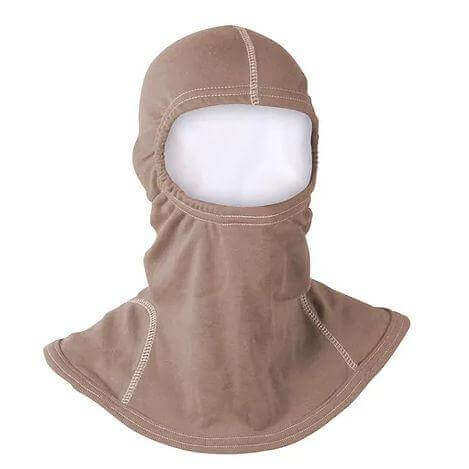
Get a Custom FR Clothing Quote from VisonSafety
What Are the Key Certifications Like NFPA 2112 and NFPA 70E?
NFPA 2112 certifies garments for flash fire protection by exposing fabric and completed garments to controlled flame and measuring heat transfer and damage. It’s commonly required in oil, gas, and petrochemical operations.
NFPA 70E and ASTM F1506 relate to arc‑rating for electrical hazards, measuring incident energy exposure and required arc thermal performance values (ATPV).
Buyers should request certified test reports, clear labeling that cites the applicable standard and results, and confirmation that the tested configuration includes the garment’s closures, seams, and trims. Manufacturers that provide full quality control and 100% fabric batch testing offer stronger assurance that production pieces match certified samples.
How Do These Standards Impact Industry Safety Requirements?
Standards turn hazard assessments into concrete procurement actions: identify the dominant thermal risk (flash fire vs. arc flash), map it to the appropriate standard, and include those standards and required documentation in specifications, tenders, and contracts. Practical steps include conducting a hazard assessment, listing applicable standards in RFPs, requiring sample testing or third‑party reports, and specifying manufacturing quality controls such as batch fabric testing and delivery guarantees.
For B2B buyers, partnering with a manufacturer that supports OEM/ODM production, flexible minimums, documented testing, and after‑sales support reduces procurement friction and helps ensure deployed FR apparel meets operational needs.
VisonSafety emphasizes certified safety apparel, full quality control processes, and 100% fabric batch testing to support buyer verification and compliance.
How Do These Standards Impact Industry Safety Requirements?
Standards also shape supplier selection and contract language: specify exact standard references, require retention of test reports, and include acceptance criteria tied to batch testing and labels. This removes ambiguity and ensures supplied garments meet legal and operational expectations.
For procurement or custom orders—requesting certified samples, OEM/ODM quotations, or confirming batch testing and lead times—work with a certified manufacturer that offers flexible MOQs, quick sampling, DDP shipping, and reliable after‑sales support. VisonSafety provides these services to streamline specification‑to‑delivery for large‑scale B2B orders of certified flame‑retardant and hi‑vis FR workwear. Request a custom quote or a sample to validate fabric choice, certification alignment, and production timelines for your application.
Does FR Clothing Really Work | FAQs
How often should FR clothing be laundered to maintain its effectiveness?
Follow the manufacturer’s laundering instructions. In many workplaces FR garments are washed after each use—especially when soiled or contaminated—to remove oils and dirt that can affect performance. That said, over‑washing untreated or poorly finished fabrics can accelerate degradation. Balance cleanliness with the care guidelines supplied by the manufacturer to preserve protective properties.
Can FR clothing be worn in all types of work environments?
FR clothing protects against specific thermal hazards but isn’t a one‑size‑fits‑all solution. Choose garments that match the risk profile—flash fire or electrical arc—and consider fit, comfort, and applicable standards. A thorough hazard assessment will tell you whether FR apparel is appropriate for a given environment.
What should I look for when purchasing FR clothing?
Key factors: inherent versus treated fabric, compliance with relevant standards (for example NFPA 2112 or NFPA 70E), and the garment’s intended use. Request certifications and test reports, evaluate comfort and fit, and check the manufacturer’s quality controls and reputation to ensure reliable performance.
How does the fit of FR clothing affect its protective capabilities?
Fit matters. Clothing that’s too loose can catch or expose skin to heat, while garments that are too tight can restrict movement and increase risk. Properly fitted FR clothing should allow freedom of movement while maintaining close layers that help manage heat transfer. Provide sizing guidance and fit checks to maximize protection and wearer compliance.
Are there any limitations to the protection offered by FR clothing?
Yes. FR clothing reduces but does not eliminate burn risk. Protection can decline with wear, improper laundering, or damage. FR gear is designed for specific hazards and may not be suitable for chemical exposure or extreme heat beyond its rating. Train workers on garment limitations and use additional controls when needed.
How can employers ensure compliance with FR clothing standards?
Conduct regular PPE program audits, verify that garments carry the required certifications, keep accurate test‑report records, ensure correct labeling, and provide training on care and use. Stay current with industry standards and require suppliers to provide documentation and batch testing to support compliance.
What role does training play in the effectiveness of FR clothing?
Training is essential. Workers need to know how to wear, care for, and inspect FR garments to preserve protection. Training should cover the specific hazards present, the limitations of FR clothing, and care practices. Regular refreshers help maintain safe habits and reduce injury risk.
Conclusion
Flame‑resistant clothing is a practical, proven layer of protection that reduces burn severity and helps organizations meet safety standards. By understanding how FR fabrics and garment design deliver protection, employers can make smarter material and procurement choices that protect people and reduce operational risk. If you want to simplify sourcing and ensure certified compliance, partnering with a trusted manufacturer like VisonSafety can speed sampling, validation, and delivery. Explore our range of certified FR apparel to ensure your team has the right protection for the hazards they face.
 English
 Deutsch
 Français
 Polski
 Português do Brasil
 Español
 日本語
日本語 Русский
 العربية
 Italiano
 Nederlands
 Türkçe
 한국어
한국어