
Flame-resistant (FR) clothing is designed to resist ignition, self‑extinguish, and limit burn severity by slowing flame spread and reducing heat transfer. This guide walks through how FR garments are produced — from choosing inherent fibers or applying protective finishes to precision sewing, batch testing, and achieving certification — so procurement teams and safety managers can specify compliant, durable workwear with confidence. Many buyers need clear guidance on performance tradeoffs, expected wash life, and which lab reports to request; this article gives manufacturer-level, actionable guidance on materials, production steps, and quality checkpoints. You’ll find the main FR technologies, a step‑by‑step manufacturing workflow, an overview of the certification landscape (NFPA, EN ISO, ANSI/ISEA, UL), and the reasons to partner with specialized OEM/ODM manufacturers for bulk orders. We also include comparison summaries, concise checklists for fabric selection and QC, and supplier considerations to help distributors, brands, and safety teams source reliable FR shirts, jackets, coveralls, and pants.
What Are the Key Methods to Make Clothes Flame Resistant?
Here we define the primary techniques used to make workwear flame resistant and explain their practical impact on longevity, cost, and care. Producers typically use one of three approaches: inherently flame‑resistant fibers, chemical finishes applied to fabrics, or protective coatings and laminate constructions tailored to specific hazards. Each approach has different implications for wash durability, comfort, and lifecycle cost, so match the method to the intended use. The short comparison table below summarizes those tradeoffs.
Different FR strategies produce distinct performance profiles that matter for specification and procurement.
The table shows inherent solutions favor long service life while treated options lower up‑front expense but require careful tracking and re‑testing. Understanding these choices helps buyers balance durability, comfort, and cost.
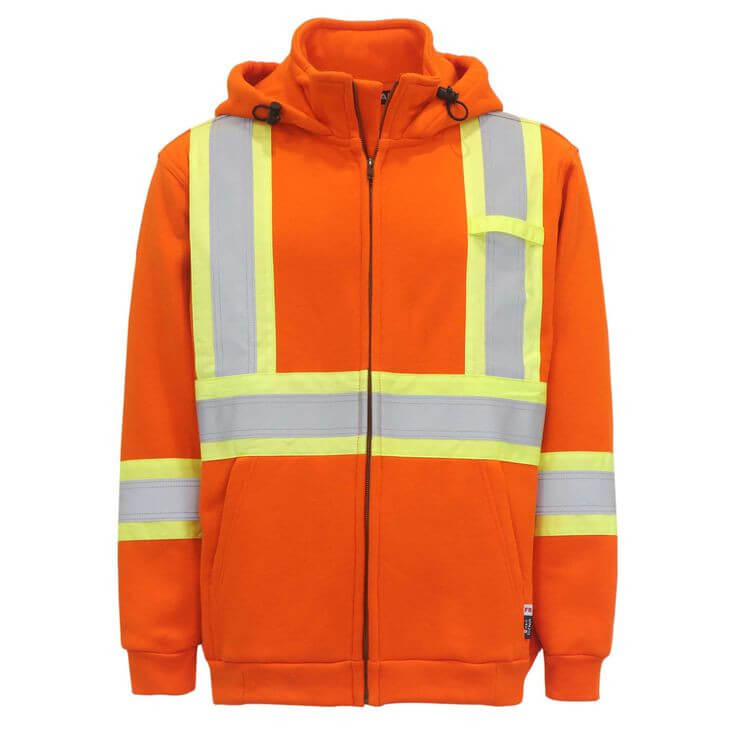
Get a Custom FR Clothing Quote from VisonSafety
How Do Inherent and Treated FR Fabrics Differ?
Inherent FR fabrics use fibers whose molecular structure resists ignition, while treated fabrics rely on surface finishes that change how fibers behave in a fire. Inherent fibers such as meta‑aramid and modacrylic retain their protective properties through many wash cycles, making them predictable for high‑wash applications. Treated cotton and blends can meet FR requirements at a lower initial price but will lose protection over time and require batch tracking and periodic re‑testing. Ask suppliers for lab reports that show wash‑to‑failure or retained performance data, and prefer inherent options where durability and low maintenance are priorities.
What Chemicals and Materials Are Used in FR Fabric Production?
FR fabric production combines inherently FR fibers with approved finishing chemistries applied under controlled mill conditions to meet target performance. Common inherent materials include meta‑aramid and modacrylic fibers and wool blends valued for heat stability. Treated systems often use phosphorus‑based and other approved chemistries on cellulose substrates. Manufacturers run compatibility tests and control application parameters to avoid odor, fabric stiffening, or loss of tensile strength. For procurement, request fabric technical data sheets, wash‑life reports, and batch testing evidence to confirm consistent delivery of specified performance.
How Is Flame Resistant Clothing Manufactured Step-by-Step?
This ordered overview outlines the core manufacturing workflow from fabric selection through packing, and highlights quality checkpoints that preserve FR performance and traceability. Each phase ties to specific testing and documentation buyers should verify. The compact QC table below lists essential actions and acceptance notes at each production stage.
Production follows a structured process to ensure compliance and predictable garment behavior.
The table clarifies the traceability chain buyers should insist on to protect certification integrity through production and shipment.
What Are the Essential Steps in FR Fabric Selection and Treatment?
Choose fabrics by matching the workplace hazard, expected wash cycles, and wearer comfort, then verify selection with lab metrics before placing bulk orders. Key data to request include LOI (limiting oxygen index), char length, tensile break strength, and wash retention figures for treated finishes. Require sample testing on pre‑production runs and insist on fabric batch certificates that enable recall or retest. When garments must endure frequent laundering, specify inherent fibers; where costs are tightly controlled and wash cycles are managed, treated options with documented re‑treatment procedures can be acceptable.
How Does Cutting, Sewing, and Quality Control Ensure FR Compliance?
Garment construction determines whether fabric‑level FR performance carries through to the finished product. Critical choices include seam type, FR thread, and FR‑rated components (zippers, snaps). In‑process inspections check seam integrity, stitch density, and component compliance, and sample burn tests validate assembly performance. A practical QC checklist covers visual fabric checks, stitch audits, label verification, and retention of production samples for third‑party testing. Buyers should require production sampling and pre‑shipment lab reports tied to fabric lot numbers to confirm finished garments meet certified performance.
Which Certifications and Standards Govern Flame Resistant Clothing?
This section summarizes the main international standards that set test methods, scope, and typical applications for FR garments, helping procurement teams request the correct compliance evidence. Standards vary by hazard type — flash fire, general heat exposure, or arc flash — and manufacturers must perform the relevant tests and maintain technical files to demonstrate conformance. The table below compares key standards and typical test methods.
Recognized certifications establish minimum performance expectations for industrial FR workwear.
Understanding NFPA 2112 requirements is especially important for flash fire risks common in oil, gas, and petrochemical operations.
NFPA 2112 Certification for Protection Against Flash Fire Hazards
Rationale for specifying NFPA 2112 certified garments for flash fire protection.Why NFPA 2112 certified garments should be specified for your flash fire hazard, 2015
What Are the Main FR Clothing Certifications: NFPA 2112, EN ISO 11612, ANSI/ISEA, UL?
NFPA 2112 targets flash fire protection and is frequently mandated in petrochemical and oil & gas sectors. EN ISO 11612 covers protection against industrial heat and flame across European markets. ANSI/ISEA standards include ANSI/ISEA 107 for high‑visibility garments and ASTM F1959 for arc‑related hazards — both relevant to utilities and electrical contractors. UL is commonly used to evaluate specific materials or components and to support broader safety documentation. Always request the exact standard references, test reports, and the scope of certification for each garment model to ensure alignment with your workplace hazards.
Research into industrial flash fire incidents reinforces the critical role that certified protective clothing plays in reducing burn injuries.
Industrial Flash Fire Injury and Protective Clothing Performance
Industrial flash fire and burn injury fundamentals, including instrumented manikin demonstrations of protective clothing performance.Industrial flash fire and burn injury fundamentals with an instrumented manikin demonstration of protective clothing performance, 2002
How Do Manufacturers Achieve and Maintain FR Certification Compliance?
Manufacturers achieve compliance through independent lab testing of materials and finished garments, robust factory quality systems, and ongoing batch testing with thorough documentation. Best practices include retaining sample garments, maintaining technical files, conducting factory audits, and scheduling periodic re‑testing linked to fabric lot numbers. Buyers should request certificates, original lab reports, and proof of batch testing to ensure consistent compliance across production runs and after any design or material changes.
The performance of FR materials can be affected by manufacturing steps such as heat treatment and other process variables.
Impact of Heat Treatment on the Performance of Firefighter Protective Fabrics
This study examines how heat exposure affects the mechanical and thermal performance of fabrics used in firefighter protective clothing. X‑fiper® fabric was tested at heat fluxes of 6.5 kW/m² and 9.7 kW/m² for exposure times up to 30 minutes, with analysis of mechanical properties, thermal protective performance, surface morphology, and structural changes.Effects of heat treatment on the mechanical and thermal performance of fabric used in firefighter protective clothing, 2015
VisonSafety, a global manufacturer of certified hi‑vis and flame‑retardant workwear, highlights its OEM and ODM capabilities, rapid sampling, full quality control with 100% fabric batch testing, and flexible minimum order quantities to support both prototype runs and large production orders. For buyers seeking a manufacturing partner that delivers certified FR shirts, jackets, coveralls, and pants, these service features help turn specifications into traceable, certifiable product.
Why Choose Custom FR Workwear Manufacturers and Bulk Suppliers?
Partnering with specialized FR OEM/ODM manufacturers gives brands and distributors technical support, customization options, and supply‑chain controls that lower risk and speed time‑to‑market for compliant garments. Custom manufacturers can match materials, fit, and labeling to your safety specs while managing samples, certification support, and logistics. The list below highlights practical supplier capabilities to evaluate when choosing a bulk FR apparel partner.
These supplier services translate technical requirements into reliable, scalable production.
- OEM/ODM Customization: Tailored materials, fit, and private‑label branding to meet your specified standards.
- Sampling & MOQ flexibility: Fast sample turnaround and adjustable order sizes so you can validate performance before larger runs.
- Quality Assurance: Batch testing, in‑process QC, and full production traceability to protect certification integrity.
- Logistics Support: Volume pricing, inventory planning, and re‑order workflows that suit distributor needs.
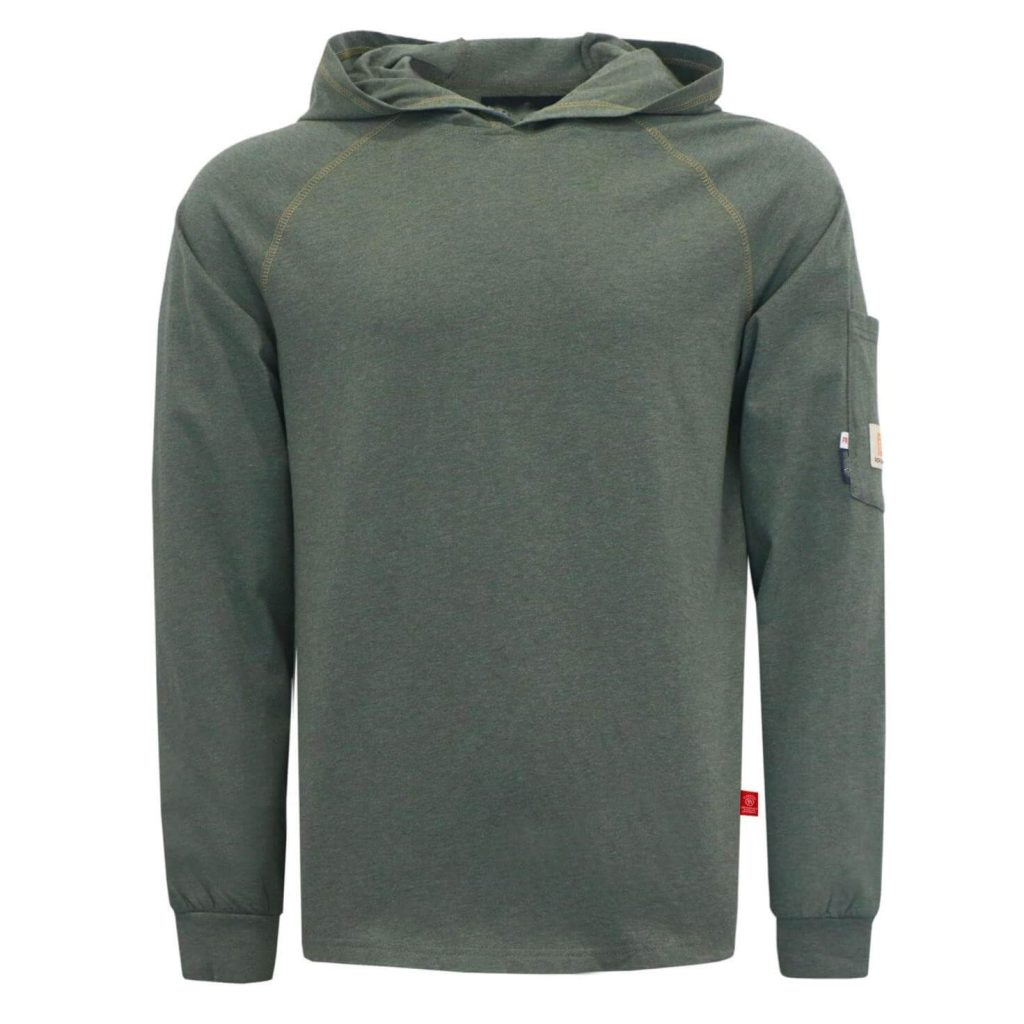
Get a Custom FR Clothing Quote from VisonSafety
What Are the Benefits of OEM and ODM Services for FR Clothing?
OEM and ODM services give buyers control over how much design and manufacturing oversight they need. OEM lets brands specify materials and documentation for certification, while ODM speeds time‑to‑market using proven templates and materials. For private‑label brands that need compliance support, manufacturers offering both services simplify sampling, testing, and certification. Evaluate suppliers on sample speed, technical documentation support, MOQ flexibility, and post‑production QC to align with your go‑to‑market plan.
How Do Bulk Flame Resistant Apparel Suppliers Support Industrial Safety Needs?
Bulk suppliers offer volume pricing, consistent QC, and documentation packages that support purchaser audits and safety programs, alongside inventory and logistics solutions for repeat orders. Key vetting questions include delivery reliability, batch testing evidence, and a supplier’s ability to produce required certification files for each garment model. Suppliers experienced in OEM/ODM typically provide sample programs, production traceability, and technical dossiers that help safety managers demonstrate compliance during inspections. Choosing a partner with these capabilities reduces procurement risk and helps maintain worker protection standards.
How FR Clothing Is Made | FAQs
What is the importance of flame resistant clothing in industrial settings?
Flame‑resistant clothing is essential where workers face fire hazards — for example in oil and gas, utilities, and heavy industry. These garments are engineered to self‑extinguish and limit burn injuries by controlling flame spread and heat transfer. Properly specified and maintained FR apparel protects employees, helps meet regulatory obligations, and can reduce the severity of injuries during incidents.
How can I determine the right FR clothing for my specific industry?
Start by assessing the specific hazards you face — flash fires, arc flashes, or general heat exposure — and match garment standards to those risks (for example NFPA 2112 for flash fire or EN ISO 11612 for industrial heat). Consider comfort, fit, and expected wash cycles as well. Reviewing lab test reports and consulting safety specialists will help you select garments that balance protection, durability, and user acceptance.
What maintenance practices are recommended for flame resistant clothing?
Follow the manufacturer’s care instructions to preserve FR properties. Use mild detergents, avoid bleach and fabric softeners, and inspect garments for damage or wear after each use. Store clothing away from direct sunlight and heat sources. Keeping records of wash cycles and maintenance supports compliance and helps determine when garments should be withdrawn from service.
What role do third-party certifications play in flame resistant clothing?
Third‑party certifications verify that garments meet established safety standards and performance criteria. Certifications like NFPA 2112 or EN ISO 11612 confirm that materials and finished products have been tested to recognized methods. Always request the certifying standard, original test reports, and the scope of certification to confirm garments will perform as required in your workplace.
How can I ensure the flame resistant clothing I purchase is compliant?
Source garments from reputable manufacturers who provide clear certification documentation and test reports. Request technical data sheets, batch certificates, and third‑party lab results. Regular supplier audits and maintaining records of certifications and testing help demonstrate compliance during inspections and after product changes.
What are the common misconceptions about flame resistant clothing?
A common misconception is that all FR clothing performs the same. In reality, materials, certifications, and lifecycle performance vary widely. Treated fabrics do not usually match the long‑term durability of inherent fibers — treated finishes can degrade after many washes. Another misconception is that FR apparel needs no maintenance; in fact, correct laundering and inspection are essential to retain protection.
What should I consider when selecting a supplier for FR clothing?
Evaluate supplier experience, product range, and their ability to meet relevant safety standards. Check their QC processes, including batch testing and documentation. Assess customer service, order flexibility, and logistics capabilities. Prefer partners who offer technical support and customization, and who can supply the certification files you’ll need for audits.
Conclusion
Knowing how FR clothing is made and what certifications apply is key to protecting workers in hazardous environments. By choosing the right materials, insisting on proper testing, and working with experienced FR manufacturers, you can reduce burn risk and meet regulatory expectations. For tailored solutions and expert support, consider partnering with specialized FR clothing manufacturers who can translate your safety needs into certifiable, traceable garments. Explore our resources or contact us to find the best options for your flame‑resistant apparel.
 English
 Deutsch
 Français
 Polski
 Português do Brasil
 Español
 日本語
日本語 Русский
 العربية
 Italiano
 Nederlands
 Türkçe
 한국어
한국어