
Flame‑resistant (FR) clothing is purpose‑built workwear that protects people from thermal hazards like flash fires and electrical arc events. Launching a successful FR apparel business means pairing strict technical compliance with a practical go‑to‑market plan. This guide lays out what founders need to research, how FR fabrics and production differ from regular apparel, which certifications open procurement doors, and how to vet manufacturing partners for compliant, scalable supply. Common startup pitfalls include sourcing certified materials, interpreting NFPA/EN/ANSI rules, and preserving traceability through production. Read on for a clear startup checklist, a production workflow from fabric choice to batch testing, a standards primer for North American and European markets, and hands‑on advice for working with certified OEM/ODM partners. We use industry terms—FR workwear, NFPA 2112, inherent vs treated FR fabrics—so B2B buyers and founders can take immediate action.
What Are the Essential Steps to Start an FR Clothing Business
Begin with focused market research, a compliance‑first product plan, and a sourcing approach that ties fabrics and certifications to your target industries. Define the verticals you’ll serve, pick an initial product mix (FR shirts, coveralls, Hi‑Vis FR vests, etc.), and decide whether to sell private label, OEM/ODM, or via distributors—each path affects MOQs, lead times, and certification needs. Put procurement and quality controls in place that require supplier certificates, fabric batch testing, and documented traceability before committing to production. Finally, schedule sampling cycles, QC checkpoints, and logistics (including DDP options) so you can reliably deliver to B2B buyers.
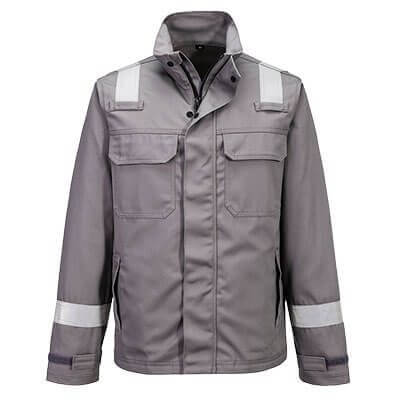
Get a Custom FR Clothing Quote from VisonSafety
How to Research the FR Workwear Market and Identify Key Industries
Start by mapping industries that face regulatory requirements and large uniform spends, then profile the buyers who make purchasing decisions. Target sectors such as oil & gas, electrical utilities, construction, and manufacturing—where NFPA 2112, NFPA 70E or regional EN standards often drive procurement—and validate demand with market reports and tender databases. Build buyer personas—safety managers, procurement officers, distributors—and rank their priorities: certification, comfort, and traceable supply. Use those personas to set product features and certification timelines before moving into legal and safety requirements.
What Are the Legal and Safety Certification Requirements for FR Clothing?
Certification needs depend on region and the hazard you’re protecting against; clarifying applicable tests early reduces redesigns and market rejection. In North America, NFPA 2112 and NFPA 70E commonly cover flash‑fire and arc‑flash protection. In Europe, EN ISO 11612 and EN 1149 address thermal and electrostatic performance. Prepare technical files, third‑party test reports, and compliant labeling to match buyer procurement checklists. Early alignment with a certified manufacturer or lab shortens rework cycles and speeds access to regulated contracts.
NFPA 2112 Certified Garments for Flash Fire Protection
Why NFPA 2112 certification is recommended for garments exposed to flash‑fire hazards — guidance and rationale for specification.
Manufacturer-as-partner note: If you need fast sampling and compliance support, teaming with a certified OEM/ODM can shorten development cycles and simplify certification handoffs. VisonSafety offers OEM and ODM services for certified custom safety apparel, rapid sampling, and integrated production workflows that include testing and documentation to help early‑stage brands scale.
How Is Flame Resistant Clothing Manufactured
FR garment production follows a controlled sequence: choose the right FR fabric, finalize patterns and prototypes, then perform regulated cutting, sewing, finishing, and batch testing so garments meet the required standards. The fabric choice—whether inherent fibers like aramids or chemically treated cotton—determines design tolerances, seam reinforcement, and laundering performance, and production processes must preserve the fabric’s FR properties. Use in‑line inspections and final checks tied to fabric batch numbers so you can demonstrate traceability during buyer audits. The sections below compare fabric types and outline QC steps that keep products compliant and wearers safe.
What Are the Key Flame Resistant Fabrics Used in FR Apparel?
Practically speaking, FR fabrics split into two groups: inherent FR fibers (for example aramids) and treated natural fibers (treated cotton blends). Inherent fibers deliver long‑lasting FR performance and are preferred for high‑energy hazards; treated cotton is often more comfortable and cost‑effective initially but may need re‑treatment or earlier replacement after heavy laundering. Blends and engineered constructions offer a middle ground for protection and comfort—select fabric based on the target industry, expected wash cycles, and certification requirements to avoid late stage redesigns.
Introductory table: compare common fabric options and selection guidance.
How Does the Manufacturing Process Ensure Quality and Compliance?
Quality control should combine fabric batch testing, in‑line sewing inspections, and final garment certification records to reduce procurement risk. Require 100% fabric batch testing and certificates of conformity, keep ISO‑style process documentation for each run, and link garment tags to fabric batch numbers for audits. These traceability and inspection practices lower rejection rates and reassure safety managers during RFPs—which is why many manufacturers package those services as part of compliance support.
Manufacturer QC callout: Certified suppliers typically offer full fabric batch testing, multi‑year traceability of materials, ISO 9001 processes, and documented test records to make compliance verifiable for B2B purchasers.
Which Certifications and Standards Are Required for FR Clothing Companies
Certifications shape market access and buyer confidence—each standard targets specific hazards and test methods buyers expect. Key standards include NFPA 2112 for flash‑fire protection, NFPA 70E for electrical safety, ANSI/ISEA 107 for high‑visibility elements, and European standards such as EN ISO 11612 and EN 1149 for thermal and electrostatic performance. Identify which certificates your target markets and customers require, and collect test reports, labels, and technical files during development to smooth sales into regulated organizations.
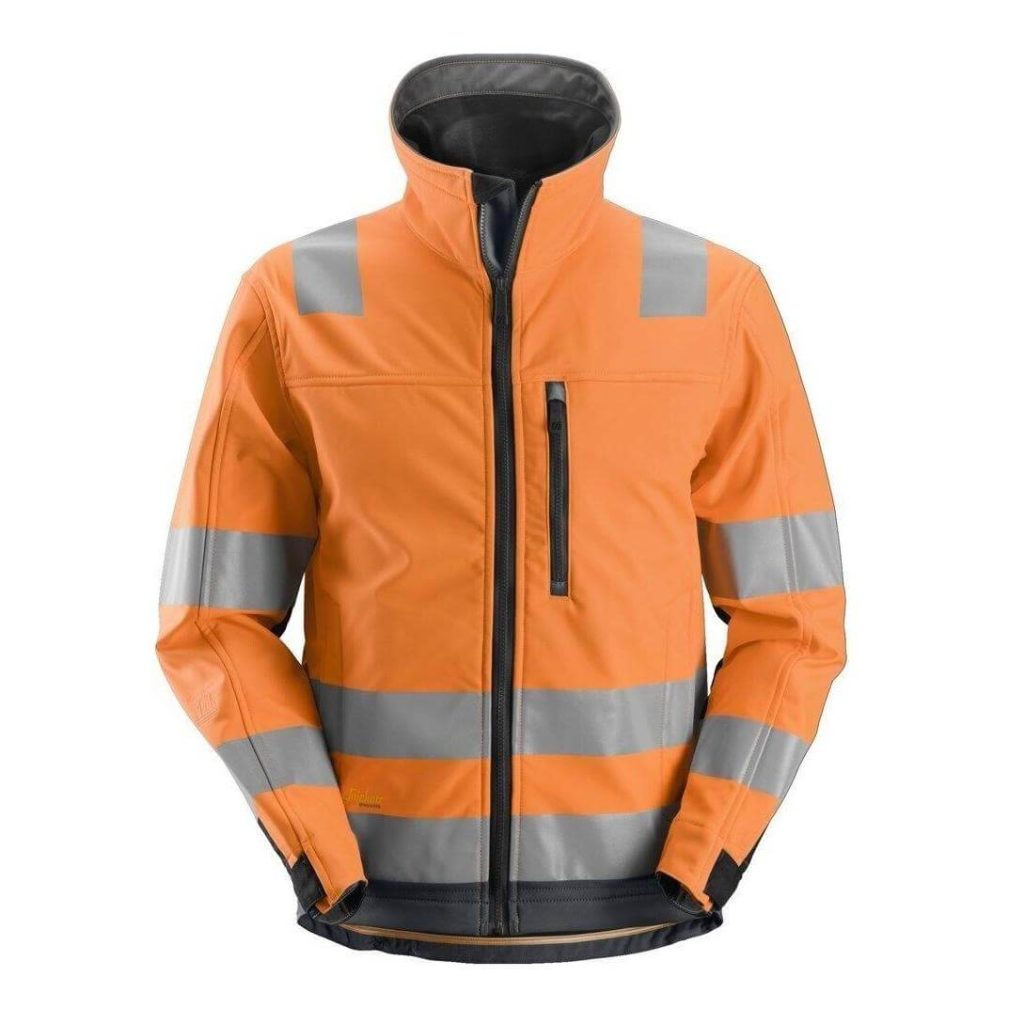
Get a Custom FR Clothing Quote from VisonSafety
What Are the Main FR Apparel Standards: NFPA 2112, ANSI, EN, and UL?
Each standard has a specific scope—match standards to your buyers and the hazards they face. NFPA 2112 specifies flash‑fire protective garment requirements commonly used in oil & gas. NFPA 70E addresses arc‑flash hazard mitigation for electrical work. ANSI/ISEA covers visibility standards for high‑visibility garments. EN standards define European test methods for thermal protection and electrostatic behavior. Knowing these distinctions helps you prioritise testing and labeling before mass production.
Introductory table: summarize standards, scope, and buyer relevance.
Why Are Certifications Critical for B2B Clients and Market Success?
Certifications lower procurement friction by proving independent verification of protective performance, which reduces legal exposure and speeds placement on approved supplier lists. Large buyers and distributors typically request certificates and test records during RFPs, and certified products gain broader acceptance within corporate safety programs. Aligning design and documentation with the right standards is therefore both a compliance and commercial strategy.
NFPA 2112 Certified Garments for Flash Fire Protection
Why NFPA 2112 certification matters when specifying garments for flash‑fire risk — practical rationale for procurement and safety teams.
Short note: Working with a certified manufacturer simplifies compliance because they can provide tested product samples, traceable batch records, and the certification documentation buyers expect in procurement packets.
How Can You Partner with a Certified FR Clothing Manufacturer for Custom Production?
Partnering with an experienced FR manufacturer lets you focus on product‑market fit while the supplier handles technical compliance, sampling, and logistics. Evaluate partners for relevant certifications, ISO process controls, 100% fabric batch testing, and traceability records; ask about OEM/ODM capabilities, sampling timelines, MOQs, and international terms like DDP shipping. A reliable partner will give realistic sampling and production timelines and support the documentation handoffs corporate buyers require.
What Customization and Branding Options Are Available for FR Workwear?
Common customization includes embroidery, reflective tape placement, color and pocket layouts, and regulatory‑compliant labeling—each change can affect certification if it alters materials or construction. Always request pre‑approved samples, confirm added trims are tested, and plan revision cycles so branding won’t invalidate safety claims. Work with manufacturers who log approved modifications and provide sample sign‑off to preserve compliance during scale‑up.
Introductory table: compare typical manufacturer services, lead times, and benefits.
How Does a Global Supply Chain Support Fast Sampling and On-Time Delivery?
Manufacturers with integrated supply chains and logistics capabilities enable rapid prototyping, predictable lead times, and simpler international shipping under DDP. Sampling runs often finish in days and production schedules are planned in business‑day windows with QC checkpoints to reduce rework and speed time‑to‑market. Choosing a partner that provides documented traceability and test records minimizes delays during buyer approvals and supports reliable contract fulfilment.
Practical checklist: questions to ask potential manufacturers
- What certifications and quality systems do you maintain?
- Can you provide fabric batch test reports and traceability records?
- What are your sampling and production lead times and shipping terms?
Build a FR Clothes Company | FAQs
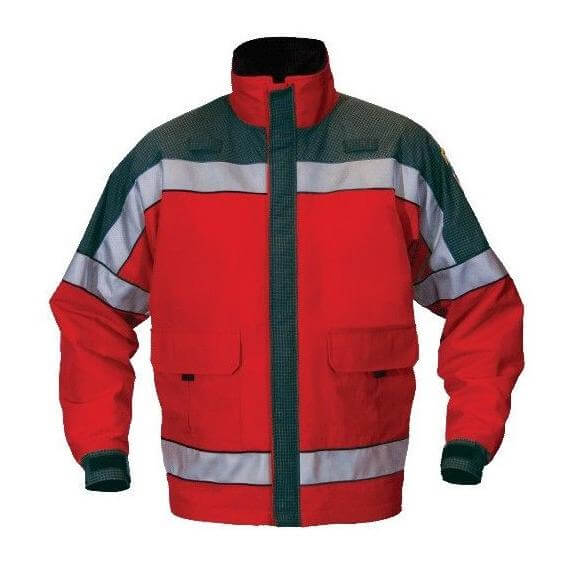
Get a Custom FR Clothing Quote from VisonSafety
What are the common challenges faced when starting an FR clothing business?
Common challenges include sourcing certified materials, understanding overlapping compliance requirements, and managing production processes that preserve FR properties. Startups often underestimate the time needed for testing and documentation, which can lead to redesigns or contract delays. Building reliable manufacturer relationships and doing focused market research on target industries mitigates these risks.
How can I ensure my FR clothing meets safety standards?
Ensure compliance by researching the standards that apply to your market, using accredited testing labs, and keeping detailed records of all test reports and certifications. Work with manufacturers experienced in FR production and enforce QC checks during sampling and production to catch issues early.
What role does market research play in the success of an FR clothing company?
Market research identifies the industries and buyer types that will buy your product, clarifies which certifications are required, and helps you design features buyers value—comfort, certification, and traceability. Good research focuses your product roadmap and shortens the path to regulated contracts.
What are the benefits of partnering with a certified FR clothing manufacturer?
A certified manufacturer brings compliance expertise, documented QC processes, and traceability systems that reduce your regulatory and procurement risk. They can speed sampling and production, supply tested product samples, and provide the documentation buyers require—helping you scale faster and with less uncertainty.
How can I effectively market my FR clothing products to B2B clients?
Targeted strategies work best: attend industry trade shows, engage safety managers and procurement teams directly, and publish technical content that addresses compliance concerns. Emphasize certifications, durability, and customization options, and use case studies or client references to build credibility.
What customization options should I consider for my FR clothing line?
Consider branding options like embroidery, reflective tape placement, and pocket layouts—but remember each change can affect certification. Always request pre‑approved samples, confirm trims are tested, and document any approved modifications to preserve compliance as you scale.
Conclusion
Building an FR clothing business requires both technical rigor and practical market planning. By following a compliance‑first product process, doing focused market research, and partnering with certified manufacturers, you can reduce risk and accelerate time‑to‑market. Use the checklists and workflows above to guide development, and reach out to industry experts when you need help turning prototypes into certified, shippable products. Start building your flame‑resistant apparel brand with a clear plan and the right partners.
 English
 Deutsch
 Français
 Polski
 Português do Brasil
 Español
 日本語
日本語 Русский
 العربية
 Italiano
 Nederlands
 Türkçe
 한국어
한국어