
Keeping your hi‑vis jackets clean and structurally sound is essential for safety and compliance. This guide gives concise, practical steps for washing, stain removal, drying, and storage so outerwear stays bright, durable, and compliant with industry standards.
Clean protective clothing is a basic — and critical — part of workplace safety.
Workplace Protective Clothing Cleanliness Standards
Ensuring protective clothing and equipment stay clean is a straightforward, important part of preventing workplace hazards and preserving the intended protective performance.
What Are the Best Practices for Washing Hi-Vis Jackets?
Proper washing preserves color, reflective tape, and overall performance. Key practices:
- Use mild detergents: Avoid bleach, harsh solvents, and optical brighteners that degrade fabric and tape.
- Wash in cold or warm water: Cold is safest. For heavy soil use warm (no hotter than 40°C / 104°F) and follow the care label.
- Avoid bleach and fabric softeners: These reduce tape effectiveness and can break down fibers.
These simple rules keep jackets reliable and ready for work.
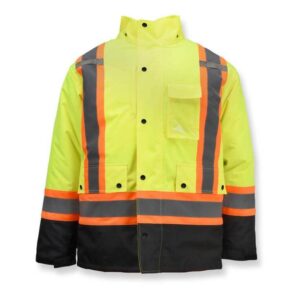
Get a Custom Hi-Vis Jacket Quote from VisonSafety
How should you use mild detergents and cold water for hi‑vis clothing?
Use a mild detergent and a cold cycle to protect dyes and reflective surfaces; mild formulas clean without leaving residues that reduce reflectivity. Cold cycles also limit shrinkage and color loss.
Can you machine wash or should you hand wash hi‑vis jackets?
Both are acceptable. Machine wash on a gentle cycle and turn the jacket inside out to protect tape. Hand wash for delicate or heavily detailed items. Avoid mixing with rough garments or metal hardware that can abrade fabric or tape.
How do you effectively remove common stains from reflective hi‑vis jackets?
Use targeted, gentle methods that remove soil without harming visibility. Common approaches:
- Oil and grease: Pre‑treat with a small amount of mild detergent or a fabric-safe stain remover. Work gently, let sit, then launder per the care label.
- Mud and dirt: Let mud dry, brush off loose particles, then wipe or launder. Avoid aggressive scrubbing on reflective tape.
What are the steps to remove oil and grease stains safely?
To lift oil or grease without damage:
- Pre‑treat: Apply a mild detergent to the stain.
- Gently work it in: Use fingers or a soft cloth—don’t scrub hard.
- Wash: Launder in cold or warm water per the jacket’s instructions.
This removes oil while protecting reflective and fabric performance.
How to clean mud and dirt without damaging reflective tape?
Allow heavy mud to dry and brush off loose material. Use a damp cloth for remaining grime and be gentle over reflective areas. Avoid harsh tools or strong solvents that can scratch or strip the tape.
What are the recommended drying and storage methods to preserve hi‑vis jacket integrity?
Drying and storage are as important as washing. Follow these guidelines:
- Air dry: Avoid tumble dryers. Hang jackets to dry naturally to prevent heat damage.
- Avoid direct sunlight: Prolonged sun fades fabric and degrades reflective materials—dry in shade or indoors.
- Store properly: Hang jackets in a cool, dry place. Use breathable covers or garment bags to reduce dust and avoid creasing reflective tape.
These steps preserve appearance and safety performance.
Why is air drying preferred over machine drying for hi‑vis apparel?
High heat and tumbling can weaken fibers and damage reflective tape. Air drying removes moisture without heat stress, helping jackets keep shape, color, and reflectivity longer.
How should you store hi‑vis jackets to maintain visibility and longevity?
Hang jackets rather than folding to avoid creases across reflective surfaces. Keep them in a dry, ventilated area away from sunlight and chemicals. Breathable garment bags protect from dust while allowing air circulation to prevent mildew.
How does proper cleaning maintain hi‑vis jacket certifications and extend lifespan?
Correct cleaning preserves the features that standards like ANSI/ISEA 107 and EN ISO 20471 require—high-visibility color and reflective performance. Harsh chemicals, fabric softeners, or excessive heat can reduce reflectivity and may jeopardize certification.
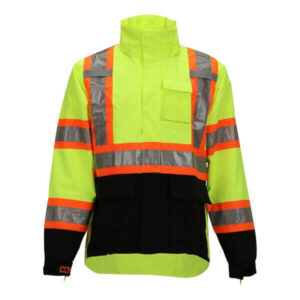
Get a Custom Hi-Vis Jacket Quote from VisonSafety
How does washing affect ANSI/ISEA 107 and EN ISO 20471 compliance?
Repeated exposure to bleach, strong detergents, fabric softeners, or high heat can degrade reflective tape and bright fabric, lowering visibility below standard thresholds. Stick to recommended methods to retain performance.
When should you replace faded or damaged hi‑vis jackets?
Replace a jacket when visibility is reduced or it shows structural damage—faded fabric, cracked or peeling tape, frayed seams, or damage affecting fit or coverage. Inspect regularly after heavy use to spot issues early.
If you have more questions about caring for your hi‑vis gear or need product-specific guidance, please reach out to our team. We can help you maintain safe, compliant apparel.
| Cleaning Method | Effectiveness | Recommended Use |
|---|---|---|
| Mild Detergent | High | Regular washing |
| Cold or Warm Water (up to 40°C/104°F) | High | Preserves fabric and removes dirt |
| Air Drying | High | Maintains integrity |
Keeping hi‑vis jackets clean and well cared for protects workers and extends garment life. Use mild detergents, avoid harsh chemicals and high heat, apply gentle stain treatments, and store items properly. Regular checks and proper cleaning preserve certification performance and keep teams visible on the job.
How to Clean Hi-Vis Jackets | FAQs
What should I do if my hi‑vis jacket has a persistent stain?
Use a stain remover safe for hi‑vis fabrics, test on an inconspicuous area, pre‑treat per product directions, then wash. If stains persist, seek a professional cleaner experienced with safety apparel.
Can I iron my hi‑vis jacket to remove wrinkles?
Do not iron—direct heat can damage reflective tape and fabric. Hang in a steamy bathroom or use a garment steamer on a low setting at a safe distance. Check the care label for heat warnings.
How often should I wash my hi‑vis jacket?
Wash frequency depends on use: after each shift for oily or very soiled conditions, or less often for light use. Inspect and clean as needed to maintain safety and hygiene.
Are there specific storage conditions for hi‑vis jackets?
Store jackets in a cool, dry place away from sunlight and chemicals. Hang on padded or wide hangers to avoid creasing reflective tape. Avoid damp areas to prevent mildew.
What are the signs that my hi‑vis jacket needs to be replaced?
Replace jackets with significant fading, cracked or peeling tape, frayed seams, or damage that affects coverage or visibility. If cleaning and small repairs don’t restore performance, replace the garment.
Can I use fabric softeners on hi‑vis jackets?
No—fabric softeners leave residues that reduce reflective effectiveness and affect breathability. Use mild detergents formulated for technical or safety fabrics.
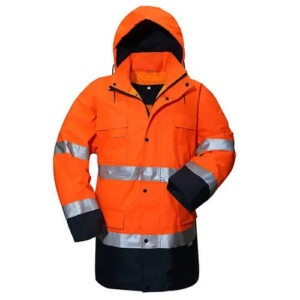
Get a Custom Hi-Vis Jacket Quote from VisonSafety
Conclusion
Proper care keeps hi‑vis jackets functioning: making people visible and safe. Use mild detergents, avoid bleach and softeners, wash gently in cold or warm water, air dry, and store garments properly. Regular inspections and correct cleaning help preserve certification performance and extend garment life. For more advice or product support, explore our resources or contact our team.
 English
 Deutsch
 Français
 Polski
 Português do Brasil
 Español
 日本語
日本語 Русский
 العربية
 Italiano
 Nederlands
 Türkçe
 한국어
한국어