
Personal protective equipment (PPE) is required where workers face fire-related risks. NFPA 2112 sets performance criteria for flame-resistant clothing to protect people from flash fires. Knowing when the standard applies and how to comply helps employers reduce burn injuries and stay legally compliant. This article summarizes what NFPA 2112 covers, who should follow it, and practical steps for industries such as oil, gas, and electrical utilities.
What Is NFPA 2112 and Why Is It Essential for PPE Fire Protection?
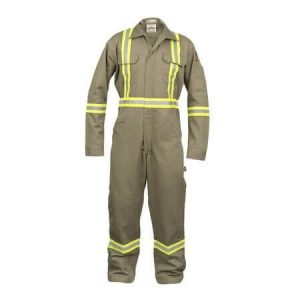
NFPA 2112, from the National Fire Protection Association, defines testing and performance requirements for flame-resistant garments used in flash-fire hazards. The standard specifies material behavior during short-duration fires so garments resist ignition and limit burn severity, improving worker outcomes.
Get a Custom FR Clothing Quote from VisonSafety
What Does NFPA 2112 Cover in Flame Resistant Clothing Standards?
NFPA 2112 addresses core areas of flame-resistant apparel, including:
- Flash Fire Protection Criteria: Minimum thresholds to reduce burn injuries in flash-fire events.
- Material Performance Requirements: Fabric properties such as thermal performance, strength, and durability.
- Testing and Certification Processes: Defined tests and certification steps to verify compliance.
These elements ensure that flame-resistant clothing performs reliably in hazardous settings.
How Does NFPA 2112 Certification Ensure Worker Safety?
Certification confirms that materials and garment construction meet NFPA 2112 performance limits before they reach the field. Tests evaluate fabric performance, seam integrity, and components so garments maintain protection during real events. Using certified gear gives employers confidence in protection against flash-fire hazards.
Which Industries Require PPE to Meet NFPA 2112 Standards?
Industries with a high flash-fire risk commonly require NFPA 2112-compliant PPE, for example:
- Oil and Gas: Personnel around flammable liquids and gases need compliant flame-resistant garments.
- Electrical Utilities: Workers exposed to arc flash or electrical hazards often use flame-resistant apparel.
- Chemical Manufacturing: Operations handling volatile substances rely on NFPA 2112 protections.
Those sectors should prioritize NFPA 2112-compliant PPE to protect their workforce.
When Is NFPA 2112 Compliance Mandatory in Oil, Gas, and Electrical Sectors?
NFPA 2112 applies when workers may face flash-fire hazards — for example, where flammable gases, vapors, or liquids exist. Employers should require NFPA 2112-certified garments for personnel performing high-risk tasks such as drilling, refining, or electrical maintenance.
How Do Industrial Safety Apparel Regulations Relate to NFPA 2112?
NFPA 2112 complements other standards in a complete protective strategy. For instance, NFPA 70E addresses electrical safety and may call for flame-resistant clothing in electrical work. Knowing how these standards interact helps organizations build practical safety programs.
Get a Custom FR Clothing Quote from VisonSafety
How to Verify and Maintain NFPA 2112 Compliance for Flame Resistant Clothing?
To verify and sustain compliance, use these practical steps:
- Consulting Manufacturers: Source garments from certified manufacturers and confirm documentation.
- Regular Inspections: Check PPE routinely for wear, damage, or contamination.
- Documentation of Compliance: Keep test reports, certificates, and inspection records.
These actions help ensure flame-resistant clothing remains protective over time.
| Compliance Aspect | Description | Importance |
|---|---|---|
| Manufacturer Consultation | Engage certified manufacturers for compliant PPE | Ensures quality and safety |
| Regular Inspections | Routine checks for damage or wear | Maintains protective integrity |
| Documentation | Record keeping of compliance efforts | Provides accountability and traceability |
Maintaining NFPA 2112 compliance is an ongoing responsibility for employers and safety teams.
What Are the Key Steps to Confirm PPE Meets NFPA 2112 Standards?
To confirm PPE meets NFPA 2112, apply these checks:
- Use of Certified FR Systems: Verify each garment is part of a certified system.
- Assessing Undergarment Safety: Ensure underlayers do not compromise outer protection.
- Implementing Inspection Protocols: Set regular inspection and replacement procedures.
These steps help ensure protective gear performs when needed.
How Should NFPA 2112 Certified PPE Be Cared For and Maintained?
Proper care preserves the protective properties of certified clothing. Key practices include:
- Laundering Practices: Follow the manufacturer’s washing and drying instructions.
- Regular Inspections: Check garments for tears, contamination, or wear.
- Documentation of Repairs: Log repairs or alterations and consult the manufacturer as needed.
Consistent care and records extend garment life and retain protection for workers.
What Are the Benefits of Custom NFPA 2112 Certified FR Clothing for B2B Clients?
Custom NFPA 2112-certified flame-resistant clothing offers business clients clear advantages:
- Compliance Assurance: Garments can be built and certified to meet specific NFPA 2112 requirements.
- Customization Options: Tailor fit, features, and function to operational needs.
- Cost-Effectiveness: Properly specified PPE can reduce long-term costs from injuries and downtime.
For companies focused on safety and efficiency, custom NFPA 2112 apparel is a practical investment.
How Does Custom Manufacturing Enhance PPE Fire Protection Requirements?
Custom manufacturing lets organizations specify materials and construction that match workplace risks. Tailored garments can use advanced fabrics and design elements to improve thermal resistance, durability, and fit while meeting NFPA 2112. Custom solutions often deliver better protection and comfort for specific tasks.
Why Choose Custom NFPA 2112 Apparel for Industrial Safety Compliance?
Choosing custom NFPA 2112 apparel brings several benefits:
- Tailored Fit and Comfort: A better fit increases comfort and reduces task interference.
- Branding Opportunities: Add company logos and identifiers without sacrificing safety.
- Optimized Safety and Comfort: Integrate features to address workplace hazards.
These benefits explain why many businesses prefer custom NFPA 2112 solutions.
For more information or to contact us , please visit our website.
Get a Custom FR Clothing Quote from VisonSafety
When Must PPE Meet NFPA 2112 Standards | FAQs
What are the consequences of non-compliance with NFPA 2112 standards?
Non-compliance can lead to legal exposure, fines, higher insurance costs, and greater risk of worker injury, as well as operational downtime and reputational harm. Prioritizing compliant PPE reduces these risks.
How often should NFPA 2112 compliant PPE be replaced?
Replacement depends on use, wear, and care. Common guidance is every few years, but replace garments sooner if inspections show damage, excessive wear, or loss of protective properties. Establish a program based on your operations.
Can NFPA 2112 certified clothing be modified or altered?
Alterations can compromise protection and may void certification. Consult the manufacturer before modifying garments to confirm continued compliance.
What training is required for workers using NFPA 2112 compliant PPE?
Train workers on correct use, inspection, care, and limitations of PPE. Include how to spot damage, proper donning, and emergency procedures; offer regular refreshers.
Are there specific laundering instructions for NFPA 2112 certified clothing?
Yes — follow manufacturer laundering instructions. Typical advice: use mild detergent, avoid bleach and fabric softeners, wash in cool or warm water, and use low heat or air dry to preserve flame-resistant properties.
What role does fabric technology play in NFPA 2112 compliance?
Fabric technology determines thermal resistance, durability, and comfort. Advances like moisture-wicking and lighter-weight FR fabrics can improve wearability while meeting NFPA 2112 performance.
Conclusion
Following NFPA 2112 is a practical step to protect workers in high-risk environments. Use certified flame-resistant clothing, perform regular inspections, and maintain proper care routines to reduce injury risk and support a safer workplace. For more guidance, explore resources or contact a qualified supplier.
 English
 Deutsch
 Français
 Polski
 Português do Brasil
 Español
 日本語
日本語 Русский
 العربية
 Italiano
 Nederlands
 Türkçe
 한국어
한국어