
Choosing the correct NFPA standard matters for worker safety. NFPA 1977 targets wildland firefighting conditions; NFPA 2112 targets short, intense industrial flash fires. This guide outlines the differences, typical uses, and practical selection steps for flame-resistant (FR) apparel so employers and safety managers can match gear to hazards.
What Are the Key Differences Between NFPA 1977 and NFPA 2112?
NFPA 1977 is optimized for outdoor wildland firefighting; NFPA 2112 is written for industrial flash-fire hazards. Key distinctions:
- Focus Area: 1977 for wildland operations; 2112 for industrial flash fires.
- Testing: 1977 emphasizes sustained heat and field durability; 2112 requires short‑duration, high‑heat flash‑fire and whole‑garment system testing.
- Applications: 1977 for forestry and brush fire crews; 2112 for oil, gas, petrochemical, and similar sites with flash‑fire risk.
These differences affect material choices, construction, and certification priorities.
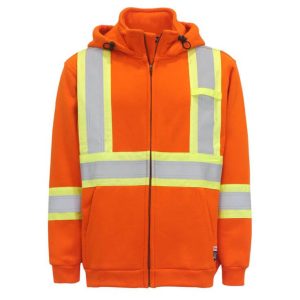
Get a Custom FR Clothing Quote from VisonSafety
How Does NFPA 1977 Define Wildland Firefighting Protection?
NFPA 1977 sets minimums for materials and garment designs that balance heat resistance, mobility, and durability for long field shifts and rough terrain.
Key features:
- Material: Flame‑resistant textiles selected for sustained heat and local flame contact.
- Design: Fit and freedom of movement to support long, active shifts.
- Testing: Protocols that reflect wildland exposures and durability needs.
1977‑compliant gear prioritizes protection plus mobility for firefighters working on the line.
What Industrial Flash Fire Hazards Does NFPA 2112 Address?
NFPA 2112 protects workers from rapid, high‑heat flash fires that occur where flammable gases, vapors, or dust are present—common in oil, gas, and petrochemical settings.
The need for NFPA 2112 certified garments to reduce flash-fire injuries is supported by industry research and conference findings.
NFPA 2112 Certified Garments for Flash Fire Hazards
ABSTRACT: Derek Sang presented research titled “Why NFPA 2112 Certified Garments Should Be Specified for Your Flash Fire Hazard” at the ASSE Professional Development Conference, Dallas, Texas, June 2015. The paper discusses why 2112 certification matters when specifying protective clothing for flash‑fire exposure.
Key points:
- Flash‑fire profile: Brief, intense heat; fabrics and systems must limit burn injury during that exposure.
- Undergarments: NFPA 2112 recognizes next‑to‑skin layers as part of overall protection.
- System testing: Seams, closures, and components are evaluated as an ensemble.
Advanced manikin testing and whole‑garment evaluations are core to validating compliance with NFPA 2112.
NFPA 2112 Standard for Flame-Resistant Clothing Testing
Thermal manikin testing and related studies (including tests that expose ensembles to high‑heat scenarios on the order of 1.5 MW in controlled settings) inform the manikin protocols cited by NFPA 2112. These tests help confirm how garments behave under intense, short‑duration flames.
Because 2112 focuses on short, intense exposures and whole‑garment behavior, it is the benchmark for industrial flash‑fire protection.
Which NFPA Standard Offers Stronger Protection for Specific Industries?
“Stronger” depends on the hazard. Use the standard that matches your risk profile:
- Wildland firefighting: NFPA 1977 is appropriate for extended outdoor exposure and mobility needs.
- Oil, gas, petrochemical: NFPA 2112 is suited to flash‑fire potential and whole‑system protection.
Protection is strongest when the standard aligns with the likely exposure.
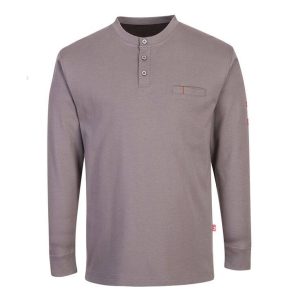
Get a Custom FR Clothing Quote from VisonSafety
Is NFPA 2112 Stronger for Oil, Gas, and Industrial Workers?
Yes—2112 is designed to reduce burn injuries from brief, high‑heat flash fires and evaluates garments and underlayers together. It is typically required where sudden ignition sources and concentrated flame exposure exist.
- Application: Required in environments with flash‑fire risk.
- System behavior: Tests how outerwear and underlayers perform together.
For industrial flash‑fire hazards, NFPA 2112 is the industry benchmark.
Does NFPA 1977 Provide Superior Protection for Wildland Firefighters?
For wildland operations, NFPA 1977 provides appropriate protections by emphasizing heat resistance, durability, and garment design that supports mobility and long shifts in the field.
- Heat resistance: Materials and construction resist local flame contact and elevated temperatures.
- Mobility: Design supports movement and endurance on rugged terrain.
How to Choose the Right Flame Resistant Clothing Based on NFPA Certifications?
Start with a hazard assessment and verify certification for the relevant NFPA standard. Practical steps:
- Certification: Confirm documented compliance to 1977 or 2112 as needed.
- Materials: Select fibers suited to the exposure (sustained heat vs. flash heat).
- Fit and mobility: Ensure garments support tasks—comfort affects safety.
Evaluate the full garment system (including underlayers for 2112) before purchase.
Can FR Clothing Meet Both NFPA 1977 and NFPA 2112 Standards?
Yes. Some garments are dual‑tested and certified. If you need dual compliance, verify manufacturer documentation that the product and components meet both standards’ requirements.
- Dual compliance: Require explicit, documented certification—not ambiguous labels.
- Design: Confirm materials and construction satisfy both standards’ test methods.
What Flame Resistant Fabric Types Align with Each NFPA Standard?
Fabric selection depends on the hazard:
- NFPA 1977: Durable aramid blends (e.g., Nomex) and other heat‑resistant fibers for sustained exposures and field durability.
- NFPA 2112: Treated cottons and engineered blends designed to limit heat transfer during short, intense flash fires.
Choose fabrics to match the thermal profile of your worksite.
Why Custom FR Apparel Manufacturing Matters for NFPA Compliance?
Custom manufacturing lets you specify fit, materials, and construction to meet operational needs and certification requirements. Benefits:
- Fit: Proper sizing improves mobility and ensures protective features sit correctly.
- Material selection: Tailor fibers and blends to the hazard and NFPA test criteria.
- Compliance assurance: Documented testing for your workforce needs.
Custom FR gear aligns safety, function, and compliance.
How Does Vision Safety Customize FR Clothing to Meet NFPA Standards?
Vision Safety tailors materials and construction to NFPA 1977 and 2112 requirements, with production controls and testing to ensure garments meet documented standards.
- Options: Materials and designs mapped to NFPA requirements for the hazard you specify.
- Quality control: Production and testing protocols that validate compliance before shipment.
By combining specification expertise with controlled manufacturing, Vision Safety delivers compliant garments.
What Are the Benefits of Certified Custom FR Clothing for B2B Clients?
Certified custom FR clothing provides:
- Assured protection: Meets the NFPA standard required for your risk profile.
- Durability: Quality materials extend service life through wear and laundering.
- Cost efficiency: Reduced replacements and lower long‑term incident costs.
These advantages make certified custom FR apparel a strategic investment.
To learn more, contact us. For more on flame-resistant clothing, explore our resources.
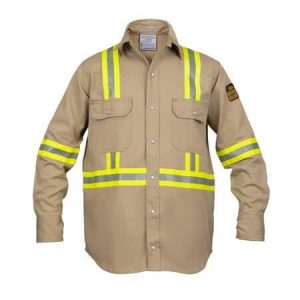
Get a Custom FR Clothing Quote from VisonSafety
NFPA 1977 or NFPA 2112 | FAQs
What are the key factors to consider when selecting flame-resistant clothing?
Identify the hazard (wildland, flash fire, or mixed), choose the matching NFPA standard, then evaluate material performance, garment construction, fit, and certification documentation.
How often should flame-resistant clothing be inspected and maintained?
Inspect garments before use for damage, wear, or contamination. Follow manufacturer laundering and repair instructions and retire garments that show diminished protection.
Can flame-resistant clothing lose its protective qualities over time?
Yes. Laundering, chemical exposure, wear, and improper care can degrade FR properties. Follow care instructions and replace garments as required.
What role do undergarments play in flame-resistant clothing systems?
Undergarments are important for NFPA 2112 systems. Use certified FR underlayers when whole‑system protection is required.
Are there specific care instructions for maintaining NFPA-certified flame-resistant clothing?
Follow manufacturer guidelines: typically wash separately in cold water with mild detergent, avoid bleach and fabric softeners, and dry on low or air dry to preserve performance.
What are the benefits of investing in custom flame-resistant apparel?
Custom FR apparel improves fit and comfort, enables targeted material selection, and provides documentation to support compliance and lower long‑term costs.
Conclusion
NFPA 1977 and NFPA 2112 address different hazards—wildland fire and industrial flash fire—so neither is universally stronger. Select the standard that matches your site’s risks, verify certification, and prioritize fit and whole‑garment performance. For help evaluating options or specifying compliant gear, explore our resources or contact us.
 English
 Deutsch
 Français
 Polski
 Português do Brasil
 Español
 日本語
日本語 Русский
 العربية
 Italiano
 Nederlands
 Türkçe
 한국어
한국어