
Hi‑vis jackets are essential safety garments that help workers stay visible where it matters. This guide explains the recognised colour standards for hi‑vis jackets (primarily ANSI/ISEA 107 and EN ISO 20471) and why the right colour matters in low‑light and high‑risk settings. It covers approved fluorescent shades, practical differences between yellow‑green and orange, compliance implications, and how custom colours can support brand identity without compromising safety.
These international standards are widely accepted across developed countries and form a key part of road safety and hazard management.
Hi‑Vis Clothing Standards — ANSI/ISEA & ISO 20471 Compliance
Developed countries have introduced regulations requiring high‑visibility warning clothing to prevent and manage road traffic hazards (ANSI/ISEA 2015; International Organization for Standardization [ISO 20471] 2013; Japan Safety Appliances Association [JSAA] 2017; Japan Traffic Safety Education Association [JATRAS] 2016; JIS T 8127 2015; ORAFOL 1999).
An evaluation of the suitability of fluorescent fabrics and retroreflective materials for road traffic warning clothing in compliance with international standards, 2019
What Are the Primary Approved Hi‑Vis Jacket Colours?
Hi‑vis jackets come in a small set of approved fluorescent colours chosen for maximum conspicuity. The primary approved shades are fluorescent yellow‑green, fluorescent orange‑red, and fluorescent red, which help ensure workers are seen across different environments and lighting conditions.
| Colour | Standard | Application |
|---|---|---|
| Fluorescent Yellow‑Green | ANSI/ISEA 107 | General workplace visibility |
| Fluorescent Orange‑Red | ANSI/ISEA 107 | Roadside and construction work |
| Fluorescent Red | EN ISO 20471 | Emergency services and high‑risk areas |
The table summarises the approved colours, the standards that reference them and their typical applications — underscoring why colour choice matters for safety.
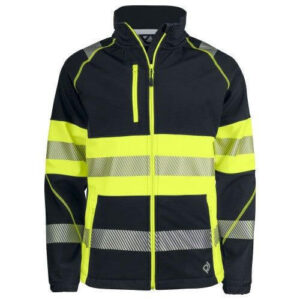
Get a Custom Hi-Vis Jacket Quote from VisonSafety
Which Colours Does ANSI/ISEA 107 Specify for Hi‑Vis Jackets?
ANSI/ISEA 107 identifies three acceptable background colours for high‑visibility garments: fluorescent yellow‑green, fluorescent orange‑red, and fluorescent red. These shades are selected to maximise visibility in both daylight and reduced light. Fluorescent yellow‑green is commonly used across general workplaces, while orange‑red is preferred where contrast against natural backgrounds is needed, for example on roadsides.
What Colours Are Approved by EN ISO 20471 for Hi‑Vis Jackets?
EN ISO 20471 recognises fluorescent yellow, fluorescent orange, and fluorescent red as primary colours for hi‑vis garments. The standard helps ensure workers in higher‑risk roles remain identifiable, reducing the chance of incidents.
How Do Fluorescent Yellow and Orange Hi‑Vis Jackets Differ in Application?
Fluorescent yellow‑green and fluorescent orange‑red serve different practical needs because of how each colour contrasts with its surroundings. Choosing the right shade depends on the environment and the type of risk present.
Why Is Fluorescent Yellow‑Green Preferred for General Workplace Visibility?
Fluorescent yellow‑green excels in varied lighting because it remains distinct against most backgrounds and stands out to both drivers and machinery operators. That makes it a common choice for construction sites, logistics hubs and warehouses where broad visibility is required.
Why Do Railway and Forestry Workers Wear Fluorescent Orange‑Red Hi‑Vis Jackets?
Fluorescent orange‑red provides strong contrast against natural settings like trees, foliage and soil. For railway, forestry and other outdoor roles, that contrast helps workers stay visible to vehicle operators and machinery handlers in busy and changing landscapes.
Orange’s inherent conspicuity in outdoor environments makes it a reliable warning colour in many field settings.
Why Orange Hi‑Vis Jackets Improve Safety and Visibility
Orange is widely used as a warning colour because certain bright shades are especially conspicuous outdoors. Hi‑vis vests and tabards are often bright orange combined with reflective material so they remain visible in low light when illuminated by headlights or torches.
The Value of Visibility: Considering the Colour of Critical Kit, 2023
What Are the Safety and Compliance Implications of Hi‑Vis Jacket Colours?
Colour choice directly affects safety and regulatory compliance. Using the correct fluorescent shades specified by ANSI/ISEA 107 and EN ISO 20471 helps ensure workers are identifiable and reduces exposure to avoidable risks.
How Do Colour Requirements Affect Worker Safety and Visibility?
Specified colour requirements improve conspicuity in hazardous environments, which lowers the chance of collisions and near‑misses. Research shows employees wearing standard‑compliant hi‑vis garments are less likely to be involved in incidents than those in non‑compliant or muted colours.
The basic principle behind high‑visibility apparel is simple: greater conspicuity reduces accident risk and is a core element of effective safety programmes.
High‑Visibility Apparel: Colour Conspicuity for Accident Reduction
In occupational and road safety, it is widely accepted that conspicuity reduces accident rates, and that high‑visibility clothing forms a key part of comprehensive safety strategies.
Selecting effective colours for high‑visibility safety apparel, A Lanitis, 2021
Which Hi‑Vis Colours Are Non‑Compliant and When Are They Used?
Dark or muted tones are non‑compliant for hi‑vis safety purposes and are not recommended where visibility is critical. They may be used in controlled, low‑risk settings or purely for aesthetic or branding decisions — but only where safety is not compromised. Always weigh branding choices against the safety implications for your team.
How Can Custom Hi‑Vis Jacket Colours Support Branding and Compliance?
Custom hi‑vis jackets let companies reinforce their brand while maintaining safety — provided the chosen colours meet the required visibility criteria. Thoughtful customization balances recognisability and compliance.
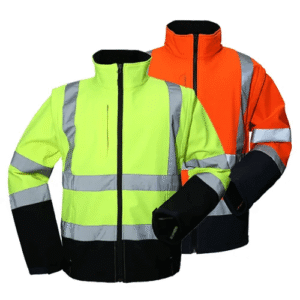
Get a Custom Hi-Vis Jacket Quote from VisonSafety
What Custom Colour Options Does VisonSafety Offer for Hi‑Vis Jackets?
VisonSafety offers a range of custom colour options for hi‑vis jackets, allowing businesses to keep brand identity intact without losing compliance. Options include approved fluorescent shades and configurable reflective tape layouts to enhance both safety and brand presence.
How Does Customization Align with ANSI and EN Safety Standards?
Customisation aligns with ANSI and EN standards when colours and reflective elements meet the required visibility performance. VisonSafety designs custom hi‑vis jackets to comply with these standards, giving companies flexibility to add logos or brand colours while keeping safety features intact.
What Colour Are Hi‑Vis Jackets | FAQs
What are the benefits of wearing hi‑vis jackets in low‑light conditions?
Hi‑vis jackets boost visibility in low light by using bright fluorescent fabrics and reflective materials. This combination makes workers more noticeable to drivers and machine operators, reducing the chance of accidents. Wearing standard‑compliant hi‑vis is an effective, proven way to improve safety after dusk or in poor lighting.
Are there specific industries that require hi‑vis jackets?
Yes. Industries that commonly require hi‑vis include construction, transport, logistics and emergency services. These roles often place workers near moving vehicles or heavy machinery, so visibility is a legal and practical safety requirement in many jurisdictions.
How do weather conditions affect the visibility of hi‑vis jackets?
Weather such as rain, fog or snow can reduce visibility. Fluorescent fabrics perform well in daylight, while reflective tape improves detection in low light or when illuminated by headlights. Selecting the right jacket for the weather and maintaining cleanliness helps preserve visibility performance.
Can hi‑vis jackets be customized for specific company branding?
Yes — when custom colours and logos don’t undermine the garment’s visibility. Manufacturers like VisonSafety can incorporate branding while ensuring fabrics and reflective elements meet ANSI and EN ISO 20471 criteria. Prioritise safety performance when adding brand elements.
What should I consider when selecting a hi‑vis jacket for my team?
Consider the work environment, required visibility level, and relevant standards. Choose the appropriate fluorescent colour for the setting (yellow‑green for general visibility, orange‑red for roadside/wooded areas), plus suitable materials, fit and weather protection. Verify the jacket meets ANSI/ISEA 107 or EN ISO 20471 as needed.
How often should hi‑vis jackets be replaced or maintained?
Inspect jackets regularly and replace them when they show fading, fabric damage or loss of reflective performance. Lifespan depends on use and conditions. Follow manufacturer care instructions to preserve brightness and reflective function and replace any garments that no longer meet visibility needs.
Conclusion
Knowing the recognised colours for hi‑vis jackets helps you choose garments that protect your team and meet regulatory expectations. Fluorescent yellow‑green and orange‑red each have clear applications, and custom options can support branding when they remain standards‑compliant. Explore VisonSafety’s range of compliant hi‑vis jackets to keep your people visible and safe.
 English
 Deutsch
 Français
 Polski
 Português do Brasil
 Español
 日本語
日本語 Русский
 العربية
 Italiano
 Nederlands
 Türkçe
 한국어
한국어