
Wearing a cotton t-shirt under flame-resistant (FR) clothing is a frequent question from workers, supervisors, and procurement teams. This guide separates 100% cotton from FR-rated base layers, explains the hazards of meltable synthetics under FR gear, and shows how standards like NFPA 70E and NFPA 2112 affect undergarment choices. You’ll learn when untreated cotton may be acceptable, which materials offer the best protection and comfort, and straightforward layering steps that reduce burn severity in arc flash and flash fire events. We also translate standards into procurement actions and summarize manufacturer capabilities to help B2B buyers request the right documentation or samples. Read on for clear, standards-linked guidance you can use in assessments and purchasing decisions.
Is It Safe to Wear a Cotton T-Shirt Under Flame Resistant Clothing?
Short answer: conditionally — 100% cotton does not melt, but it can ignite and add fuel during thermal events, so it’s not the preferred underlayer where arc flash or flash fire risk exists. Untreated cotton can burn rapidly in open-flame exposures and increase the heat load against skin, which can reduce the effectiveness of an FR outer layer. In low-risk administrative areas with no identified flash fire or arc flash hazards, a clean cotton base layer may be acceptable if that choice is documented in a formal risk assessment. When any exposure is possible, the safest option is a certified FR-rated base layer that keeps its protection through laundering and provides moisture-wicking comfort. Next, we review cotton’s flammability profile so you can assess specific work situations.
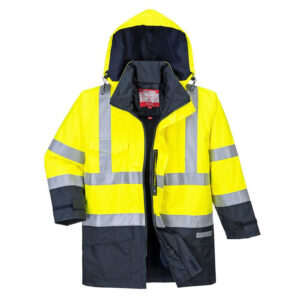
Get a Custom FR Clothing Quote from VisonSafety
What Are the Flammability Risks of 100 Percent Cotton Under FR Apparel?
100% cotton is a natural fiber that chars and burns rather than melting, so once it ignites it can sustain combustion and add thermal energy to a flash event. If an inner cotton layer ignites beneath an FR outer shell, the additional heat and flame may defeat the combined protective performance and increase burn severity. During an arc flash or flash fire, ignition of underlying layers shortens survivable exposure time and complicates emergency response. That risk explains why many safety specifications require FR-rated undergarments in regulated environments instead of untreated natural fibers. The next section outlines the narrow situations where untreated cotton might still be allowed under strict controls.
When Is Wearing Cotton Acceptable Beneath FR Clothing?
Untreated cotton may be acceptable only in clearly low-risk settings where a hazard analysis shows no reasonable possibility of arc flash, flash fire, or radiant heat, and where administrative controls and PPE policies explicitly permit it. Employers should document any exceptions in their risk assessments and back them with training, area controls, and supervisory checks. If tasks or conditions change, procurement should move to FR-treated cotton or inherently FR materials as the default. Safety managers should require written justification for any non-FR undergarment policy so it aligns with workplace controls and audit requirements. Solid documentation and periodic reviews reduce the chance a cotton base layer will be worn inappropriately.
What Are the Best Materials for FR Base Layers Under Flame Resistant Clothing?
Choosing the right FR base layer depends on non-melting behavior, moisture management, thermal protection, and durability. Top candidates are inherently FR fibers, FR-treated cotton, and tested modacrylic or meta-aramid blends. Inherently FR fabrics retain protection for the life of the garment and don’t rely on finishes, while FR-treated cotton can offer comfort and value but needs validated laundering to preserve its performance. Material selection should balance protection with comfort and moisture-wicking to prevent steam injuries and encourage consistent wear. Below is a compact comparison to help procurement and safety teams evaluate common options.
| Material | Flammability / Melting Behavior | Moisture Wicking | Comfort |
|---|---|---|---|
| Inherently FR (e.g., meta-aramid blends) | Non-melting; FR built into fiber | Moderate to good | Durable; slightly heavier |
| FR-treated cotton | Non-melting when properly treated; dependent on finish | Good | Soft and breathable |
| Modacrylic blends | Non-melting; inherently FR | Good | Lightweight and comfortable |
| 100% synthetics (polyester/nylon) | Melts and can adhere to skin | High wicking but risky | Comfortable but hazardous in fires |
This comparison shows that inherently FR fibers and properly treated cotton give safer performance than meltable synthetics, and should guide base-layer specifications. Next, we compare treated versus inherent FR fabrics and explain why meltable synthetics are a distinct hazard.
- Preferred base-layer materials: inherently flame-resistant fibers, modacrylic blends, and FR-treated cottons.
- Prioritize non-melting behavior plus good moisture management for safety and comfort.
- Avoid pure synthetic fabrics under FR garments — melting increases burn severity and complicates treatment.
These material choices lead directly into how treated versus inherent FR approaches perform in service and laundering.
How Do FR-Treated Cotton and Inherently Flame-Resistant Fabrics Compare?
FR-treated cotton uses chemical finishes to reduce flammability, delivering comfort and breathability but requiring validated care procedures to keep protection intact. Inherently FR fibers resist ignition by molecular design and generally retain protection through normal wear and wash cycles, offering more predictable long-term performance. Cost, comfort, and supply-chain factors often determine the choice: treated cotton can be more economical up front, while inherent FR garments typically provide greater longevity and consistency. Procurement specs should call out required test methods and user-care instructions so treated cotton performs as intended in the field. Next, we explain why synthetic fabrics present a separate danger under FR outerwear.
Why Should Synthetic Fabrics Be Avoided Under FR Gear?
Synthetic fabrics such as polyester, nylon, and some rayon blends can melt and fuse to skin when exposed to high heat, causing deeper, more severe injuries than fabrics that burn away. Molten material adheres to tissue and prevents effective cooling, turning a thermal insult into complex trauma that is harder to treat and recover from. For that reason, guidance consistently excludes meltable synthetics beneath FR garments in flash fire and arc flash environments. Moisture-wicking qualities don’t remove the fundamental hazard of melting — the correct specification is a non-melting FR-rated base layer. This sets up how standards treat layered systems and what procurement must require for compliance.
How Do Safety Standards Like NFPA 70E and NFPA 2112 Affect Undergarment Choices?
Standards such as NFPA 70E and NFPA 2112 require that protective clothing systems used for arc flash and flash fire hazards meet defined performance criteria, which affects whether undergarments must be FR-rated or certified as part of the system. Adding non-FR layers can change the arc rating or the system’s overall thermal performance, so standards emphasize using certified FR systems and retaining documented product data when specifying garments. Test reports and certification records help procurement and safety teams demonstrate compliance during audits and risk assessments. The table below maps key standard points to practical procurement actions to make this guidance actionable for safety managers and buyers.
| Standard | Relevant Requirement for Undergarments | Practical Procurement Action |
|---|---|---|
| NFPA 70E | Requires PPE and clothing systems appropriate for arc exposure | Specify FR-rated undergarments where arc risk exists; require test data |
| NFPA 2112 | Sets performance tests for garments used in flash fire protection | Buy certified FR systems and keep certification with purchase files |
| EN Standards (relevant ENs) | Define limits for thermal protection and flame spread | Request applicable EN test reports for layered systems |
Translating standards into procurement actions makes it clear that certified FR base layers and documentation are central to compliance and worker safety. Next, we look at how layering mechanics improve protection in practical terms.
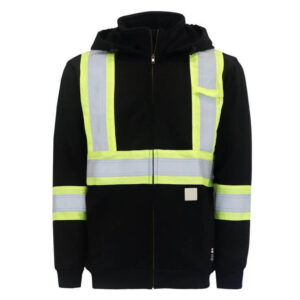
Get a Custom FR Clothing Quote from VisonSafety
What Are the Layering Requirements for FR Undergarments According to NFPA?
NFPA guidance focuses on specifying PPE and clothing systems that together meet required protection levels. That means undergarments must not reduce the overall arc rating and, when necessary, should be certified or tested as part of the system. Practical steps include listing FR-rated undergarments in procurement specs, requiring test reports and certificates, and following laundering instructions that preserve protection. Treat undergarments as components of the PPE system: include them in hazard analyses, training, and audits. Clear procurement language and vendor documentation close the gap between standards and on-the-job compliance.
How Does Proper Layering Enhance Arc Flash and Flash Fire Protection?
Proper layering creates sequential barriers that slow heat transfer, promote char rather than melt, and reduce the chance molten material contacts skin. An effective system places a moisture-managing, non-melting FR base layer next to the skin, an insulating mid-layer if needed, and a certified FR outer shell rated for the specific hazard. This order increases thermal inertia and minimizes conductive or convective heat reaching the body, while moisture control lowers steam-burn risk. Specifying tested combinations and training workers on correct wear turns the theory into real-world protection.
How Can VisonSafety’s Certified FR Base Layers Improve Worker Safety?
VisonSafety is a certified safety-clothing manufacturer with OEM and ODM capabilities focused on FR and hi-vis workwear. We offer options to help B2B clients source compliant base layers and full garment systems, with strengths that include flexible minimum order quantities, rapid sampling, reliable on-time delivery, 100% fabric batch testing, documented quality control, and DDP shipping. For buyers needing custom blends, specific certifications, or tested combinations, VisonSafety can develop FR-treated cotton or inherently FR base layers as part of a certified system. Request certification documentation and samples to verify fit-for-purpose performance — those items are essential for technical evaluation and procurement approval.
| Product Type | Certifications / Batch Testing | MOQ / Lead Time | Customization Options |
|---|---|---|---|
| FR Shirts & Base Layers | EN/ANSI/NFPA/UL certified; 100% fabric batch testing | Flexible MOQ from small samples to bulk | OEM/ODM fabric blends and size specifications |
| FR Jackets & Coveralls | Certifications available; full QC on batches | Fast sampling and consistent delivery timelines | Custom features, seam types, and closures |
| FR Pants, Vests, Sweatshirts & Headgear | Documented testing; DDP shipping options | Scalable production for distributors and brands | Color, reflectivity, and labeling customization |
This snapshot highlights the commercial and compliance capabilities procurement teams should verify when sourcing FR undergarments and systems. If certification evidence or samples are required for compliance review, request them from the manufacturer to complete your technical evaluation.
- Procurement checklist for specifying FR base layers:Require certified test reports for every FR component in the system.
Specify non-melting materials for undergarments in hazardous zones.
Ask for batch-testing documentation and clear laundering instructions.
Confirm OEM/ODM customization options and minimum-order flexibility.
Following these steps turns technical guidance into practical procurement decisions and helps ensure selected base layers genuinely support worker safety.
Can You Wear a Cotton T-Shirt Beneath FR Clothing | FAQs
What are the potential consequences of wearing untreated cotton under FR clothing?
Wearing untreated cotton under FR clothing can increase the risk of serious burns in thermal events. Cotton doesn’t melt, but it can ignite and sustain combustion, adding fuel to a fire and raising burn severity. In incidents like arc flashes or flash fires this can reduce survivable exposure time, so workplaces with those hazards should favor certified FR-rated base layers instead.
How can employers ensure compliance with safety standards regarding undergarments?
Employers can meet standards such as NFPA 70E and NFPA 2112 by specifying FR-rated undergarments in procurement, requesting documented test data and certifications for all clothing components, and auditing compliance through regular risk assessments. Training employees on why compliant undergarments matter also strengthens adherence to policy.
Are there specific laundering instructions for FR-treated cotton garments?
Yes. FR-treated cotton typically requires manufacturer-recommended laundering to maintain its protective finish. Common guidance includes washing in cool or warm water, avoiding bleach and chlorine-based products, using mild detergents, and following recommended drying temperatures. Always follow the supplier’s care instructions and document them in procurement files.
What role does moisture management play in FR base layers?
Moisture management is key to reducing steam burns and improving wearer comfort. Good moisture-wicking pulls sweat away from skin, lowering the risk of steam-related injury and helping workers stay cooler. That comfort supports compliance — workers who are comfortable are more likely to wear the correct layers consistently.
How do inherently FR fabrics differ from FR-treated cotton in terms of performance?
Inherently FR fabrics have flame resistance built into the fiber structure and usually retain protection through many wash cycles without special re-treatment. FR-treated cotton depends on a chemical finish and needs validated laundering practices to keep its performance. Inherently FR fabrics generally offer more predictable long-term protection, while treated cotton can be a cost-effective, comfortable option when cared for correctly.
What should safety managers consider when selecting FR base layers?
Safety managers should evaluate a material’s flammability profile, moisture-wicking capability, comfort, and durability, and confirm the fabric retains FR properties after laundering. They should also align selection with the site-specific hazard analysis and require test reports and care instructions from suppliers to ensure real-world performance.
Can synthetic fabrics ever be used safely under FR clothing?
Generally no — meltable synthetics like polyester and nylon should be avoided beneath FR clothing because they can melt and fuse to skin. Exceptions exist only if a synthetic fabric is specifically engineered to be inherently flame-resistant and certified to relevant standards. Always evaluate the specific application and verify certifications before approving any synthetic materials under FR garments.
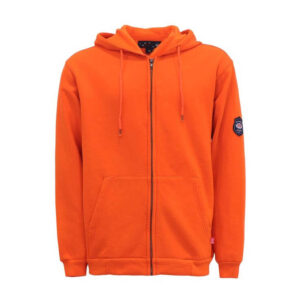
Get a Custom FR Clothing Quote from VisonSafety
Conclusion
Choosing the right undergarments for FR clothing is a safety-critical decision. Certified FR-rated base layers reduce the risk of severe burns and help meet standards for arc flash and flash fire protection. Use risk assessments, require test documentation, and specify care instructions to keep protection effective in service. For more details or to explore our certified FR base layers, visit our website or contact VisonSafety to request samples and certification documents.
 English
 Deutsch
 Français
 Polski
 Português do Brasil
 Español
 日本語
日本語 Русский
 العربية
 Italiano
 Nederlands
 Türkçe
 한국어
한국어