
Flame‑resistant (FR) workwear needs careful laundering to keep its protective performance. Many people ask whether baking soda is a safe, effective cleaner for these garments. This guide explains the science behind FR fabric care, lists clear do’s and don’ts for home and industrial laundering, and gives step‑by‑step advice to spot‑treat, wash, and inspect FR shirts, jackets, coveralls and other workwear. You’ll learn why alkaline or abrasive cleaners can damage FR finishes, which detergents and wash settings reduce residue, which household products to avoid, and how inspection and record‑keeping support compliance with standards such as NFPA and EN testing. The article is organized into four practical sections: a direct verdict on baking soda, recommended washing practices (with a detergent comparison), chemicals to avoid (with a quick action table), and maintenance routines including professional cleaning and replacement guidance. Key terms like FR clothing, wash FR clothing, and FR garment laundering are used throughout to keep this resource useful for safety managers, industrial launderers, and individual users.
Is Baking Soda Safe for Washing Flame Resistant Clothing?
Baking soda is a mildly alkaline household product used for odors and light stain lifting. That mild alkalinity, however, can interact with flame‑resistant finishes and treated fibers in ways that matter for safety apparel. Alkaline solutions or undissolved powder can shift pH, leave residue, and change how the fabric handles heat and moisture — all factors that affect tested performance. Because maintaining the fabric chemistry and finish integrity is critical, baking soda is generally not recommended as a routine wash additive for certified FR garments. When in doubt, follow the garment care label and the manufacturer’s instructions to protect certification and wearer safety.
VisonSafety, a manufacturer of certified FR apparel, advises that the garment’s care label should determine laundering choices; for exceptions or custom care‑label requests, consult the garment label and the manufacturer.
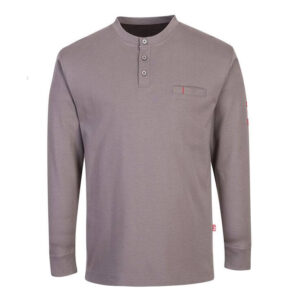
Get a Custom FR Clothing Quote from VisonSafety
Why Baking Soda Is Generally Not Recommended for FR Clothing Washes
Baking soda’s alkalinity can gradually affect flame‑resistant finishes on cotton blends and treated fabrics by shifting pH and disrupting chemical bonds that provide thermal protection. Powdered particles or a paste may cling to fibers, creating localized hotspots or changing moisture wicking — both of which alter fabric behavior in heat. Abrasive scrubbing with a baking soda paste can also mechanically wear fibers or finishes, accelerating degradation and potentially reducing certified performance measured to standards such as NFPA 2112 or EN 11611. These risks show why even mild household treatments can have outsized effects on long‑term FR reliability and why conservative laundering choices are preferred.
Can Baking Soda Be Used for Spot Treatment on FR Garments?
Using baking soda for spot treatment should be a last‑resort, tightly controlled measure — not standard practice. Always start with a patch test on an inconspicuous area to check for finish change or visible damage. If the patch passes, make a very dilute paste, apply briefly, rub gently with a soft cloth, and rinse thoroughly with plenty of water to remove any alkaline residue and restore neutral pH.
For stubborn stains or garments that are critical to compliance, choose professional cleaning and consult the manufacturer rather than risking DIY fixes.
What Are the Best Practices for Washing FR Clothing?
Good laundering preserves fabric chemistry, minimizes residue, and avoids mechanical or chemical actions that reduce protective performance. Use mild, liquid, low‑alkaline, low‑residue detergents and avoid powdered detergents that can leave particulates. Select gentle wash cycles and follow the care label for water temperature — warm or cool as specified — and run extra rinse cycles to clear detergent and contaminants. Separate heavily soiled or contaminated FR workwear from other laundry to prevent cross‑contamination, and follow manufacturer guidance for industrial versus home laundering to maintain certification claims.
Which detergents work best for FR clothing? Start with liquid, pH‑neutral or mildly alkaline detergents marketed as low‑residue. Avoid optical brighteners, heavy enzymes, and added softeners that can change finishes. Measure detergent carefully to prevent excess residue, and prefer formulas without fabric softener. A second rinse is often helpful to reduce carryover residue and preserve moisture‑management properties.
Which washing methods protect FR fabric integrity? Gentle agitation, shorter wash cycles, and temperatures aligned with the care label reduce mechanical stress on fibers and finishes. For organizations with large inventories, industrial laundering done to controlled, certified processes reduces chemical variability and creates traceable records; for individuals, follow the garment label and avoid aggressive home remedies. Separation, controlled dosing, and proper drying complete a laundering cycle that protects FR performance.
| Detergent Type | Effect on FR Fabric | Recommended Use |
|---|---|---|
| Liquid, low‑alkaline, low‑residue | Minimal chemical interaction; rinses cleanly | Preferred for routine laundering of FR shirts, jackets, and coveralls |
| Industrial pH‑balanced formulas | Designed for batch processing; controlled dosing reduces variability | Use for industrial laundering programs with maintenance records |
| Powdered enzyme/brightener detergents | Can leave residue and alter finishes | Avoid for FR garments unless the manufacturer explicitly permits use |
This table shows why low‑residue liquid detergents and certified industrial products help protect FR garment chemistry while still delivering effective cleaning.
VisonSafety recommends mild liquid detergents and gentle cycles for its FR product lines, including shirts, jackets, and coveralls. Always follow the garment care label to preserve certification‑related performance; procurement teams can request product‑specific laundering guidance or sample care labels when ordering bulk or custom branded apparel.
What Chemicals and Products Should You Avoid When Washing FR Clothing?
Certain household and commercial products are known to harm FR performance and should be excluded from laundering FR apparel. Chlorine bleach, fabric softeners, and starches can change fiber chemistry or leave flammable residues that alter ignition behavior. Strong oxidizers, acids, or alkalis can weaken fiber strength or finishes, and powdered detergent residues can create hotspots under thermal exposure. Avoid these substances and choose manufacturer‑approved cleaners to preserve tested protection levels and reduce risk on the job.
Why are bleach, fabric softeners, and starch harmful? Chlorine bleach can oxidize and weaken treated fibers or strip flame‑resistant finishes; fabric softeners coat fibers and leave organic residue that may increase flammability; starch or sizing raises combustibility and reduces breathability. These are direct effects: chemical breakdown or added fuel sources change how the garment performs in heat. Use oxygen‑safe cleaners only when explicitly allowed and always test on a non‑critical sample first.
What about hydrogen peroxide and vinegar? Hydrogen peroxide and other oxidizers act like bleach and may alter finishes, while vinegar’s acidity can shift pH and, if used repeatedly, strip or etch treatments. Many common home stain remedies are not neutral for FR finishes — check the care label or contact the manufacturer before using specialty cleaners.
Common harmful substances and recommended immediate actions:
- Chlorine bleach: Do not use — it can chemically degrade FR finishes and fibers.
- Fabric softener: Avoid — it leaves organic residue that can impair performance.
- Starch or sizing: Avoid — increases combustibility and stiffness.
- Powder residues: Rinse thoroughly if powdered detergents are used; prefer liquid formulas.
| Chemical/Product | Effect on FR Garment | Recommended Action |
|---|---|---|
| Chlorine bleach | Oxidizes fibers; strips finishes | Do not use; consider oxygen‑based alternative only if the manufacturer permits |
| Fabric softener | Leaves organic residue; increases flammability | Avoid; use low‑residue detergents and add an extra rinse |
| Starch/sizing | Raises combustibility and stiffness | Avoid; do not apply to FR garments |
| Hydrogen peroxide | Oxidizing/bleaching; can alter finishes | Avoid unless the manufacturer allows controlled use |
How Can You Maintain and Extend the Lifespan of Your FR Clothing?
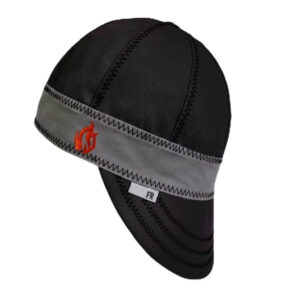
Get a Custom FR Clothing Quote from VisonSafety
A consistent maintenance routine — gentle laundering, regular inspection, and accurate record‑keeping — helps extend the usable life of FR garments while supporting safety and compliance. Inspect seams, closures, reflective trim, and high‑wear areas before and after washing; log repairs and number garments for traceability. Repair small damage promptly using approved methods to prevent progressive failure, and retire garments that show irreversible wear, contamination, or failed inspections. Proper storage — clean, dry, and away from sunlight and chemicals — also preserves finishes and fabric strength over time.
How does proper washing support certification compliance? Following manufacturer‑specified laundering preserves the properties measured in certification testing. Repeated exposure to inappropriate chemicals or misuse can change testable properties and effectively void certification claims. For industrial buyers and procurement teams, keeping laundering logs and service records demonstrates due diligence and helps safety managers show garments were washed within specified parameters. Records also provide traceability if incidents require review.
When should you use professional cleaning or replace FR apparel? Professional cleaning is appropriate for heavy contamination, oils, hydrocarbons, or stains that won’t respond to safe spot treatment. Replace garments when structural damage, persistent contamination, or failed inspections are present. Watch for red flags such as visible char, melted fibers, damaged reflective trim, or recurring inspection failures. Organizations that need custom labeling, bulk orders, or care label samples can contact VisonSafety for certified manufacturing, batch testing, and custom branding guidance.
- Regular Inspection Checklist:
Check seams, closures, reflective trim, and high‑wear zones before and after each wash.Record inspection results and any repairs for traceability.Remove and replace garments showing irreversible damage or contamination. - Storage Best Practices:
Store clean, dry FR garments away from chemicals and direct sunlight.Use breathable storage to prevent moisture buildup and mildew.Keep garments separated by use category to avoid cross‑contamination.
Following these maintenance practices, together with manufacturer guidance and documented laundering, helps preserve FR performance and supports workplace safety.
Can You Wash FR Clothing with Baking Soda | FAQs
How often should FR clothing be washed?
Wash FR clothing after each use when it’s exposed to contaminants or hazardous materials. Regular washing helps maintain protective properties and supports safety compliance. Check the manufacturer’s care label for any garment‑specific frequency guidance — some items used in low‑exposure roles may require less frequent laundering. A consistent schedule protects both safety and garment life.
Can I use a dryer for FR clothing?
Most FR garments can be tumble dried on low heat, but always follow the care label. High heat can damage fibers and reduce protective qualities, so air drying is often the gentlest option. Ensure garments are fully dry before storage to prevent mildew and preserve performance.
What should I do if my FR clothing gets heavily soiled?
For heavy soiling, pre‑treat with a manufacturer‑approved cleaner and avoid harsh chemicals or abrasive scrubbing. If contamination involves oils, hydrocarbons, or other stubborn soils, use professional cleaners experienced with FR apparel. Always check the care label and consult the manufacturer before attempting aggressive spot‑treatment.
Are there specific storage conditions for FR clothing?
Yes. Store FR garments in a clean, dry area out of direct sunlight and away from chemicals that can degrade the fabric. Use breathable storage to prevent moisture buildup and mildew, and keep FR items separated by use to avoid cross‑contamination with non‑FR clothing.
How can I tell if my FR clothing needs to be replaced?
Replace FR clothing when you see irreversible damage such as charred or melted fibers, torn seams, or compromised reflective trim. Persistent contamination that can’t be cleaned and repeated inspection failures are also valid reasons to retire garments. Regular inspections and repair records help you track garment condition and decide when replacement is necessary.
What are the consequences of improper laundering of FR clothing?
Improper laundering can degrade a garment’s protective properties and may void its certification. Using harsh chemicals, incorrect wash methods, or ignoring care instructions can change how the garment performs in hazardous situations — increasing injury risk and employer liability. Follow proper laundering practices to keep FR apparel safe and compliant.
Can I mix FR clothing with regular laundry?
Do not mix FR clothing with regular laundry. Cross‑contamination from residues on non‑FR garments can compromise FR protective qualities. Always wash FR garments separately to maintain their integrity and compliance with safety standards.
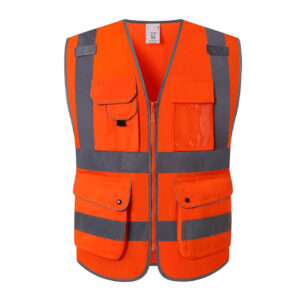
Get a Custom FR Clothing Quote from VisonSafety
Conclusion
Protecting the integrity of flame‑resistant clothing starts with careful laundering, sensible chemistry choices, and routine inspection. Avoiding harmful products like baking soda as a regular additive, choosing low‑residue detergents, and following the garment care label will extend garment life and preserve safety. For tailored advice, certified manufacturing, or help specifying care labels for bulk orders, contact VisonSafety — we can provide guidance to keep your FR apparel reliable and compliant for years to come.
 English
 Deutsch
 Français
 Polski
 Português do Brasil
 Español
 日本語
日本語 Русский
 العربية
 Italiano
 Nederlands
 Türkçe
 한국어
한국어