
Flame-resistant (FR) clothing protects workers from burn injury when garments ignite. Proper machine washing preserves the fabric’s protective qualities and helps retain certification compliance. Washing can affect fiber strength, durable flame-resistant finishes, and label legibility, so following manufacturer-backed machine-care steps preserves protection, fit, and service life. This guide walks you through washing FR garments in a washing machine — machine settings, detergent selection, drying and finishing, plus inspection and retirement criteria for NFPA- and EN-aligned apparel. You’ll find clear do’s and don’ts, a quick-reference settings table by garment type, detergent recommendations and ingredients to avoid, and practical inspection checklists for both small in-house laundries and larger industrial programs. These best practices help keep arc-flash and FR workwear compliant while extending useful life.
What Are the Basic Washing Guidelines for FR Clothing in a Machine?
The core goal when washing FR clothing is to remove soils without introducing chemicals or mechanical stress that weaken fibers or strip finishes. Wash soiled FR items separately or only with like materials, use the warmest temperature allowed on the care label, and choose a cycle that balances cleaning with gentle handling. Controlled temperature and limited agitation remove oils and dirt while protecting aramid fibers and durable finishes that give the fabric its thermal behavior. Sorting garments by fabric type reduces abrasion and uneven shrinkage. These basic principles form the foundation for the specific machine settings and the do’s-and-don’ts checklist that follows.
Get a Custom FR Clothing Quote from VisonSafety
Which Washing Machine Settings Are Best for FR Workwear?
Choose machine settings that remove soil while minimizing damage: for cotton blends use warm water up to 60°C (140°F); lower temperatures are better for aramid-rich fabrics. Select normal or permanent-press cycles to avoid excessive agitation. Keep spin speeds moderate to reduce mechanical stress and to prevent overdrying later — very high centrifuge speeds can distort seams and labels. Do not overload the drum: crowding increases friction and accelerates wear. These choices protect FR performance and create a repeatable laundering routine for mixed workwear inventories.
What Are the Do’s and Don’ts When Washing Flame Resistant Garments?
Follow a short, practical do’s-and-don’ts list to protect FR performance each wash and avoid common laundering errors that can reduce protection or void certification. For each item we explain the reason briefly so crews and launderers understand the safety impact. Use these precautions to protect workers and extend garment life.
- Do: Wash FR garments separately or only with other FR workwear to avoid cross-contamination.
- Do: Use water temperatures within the labeled range and moderate spin speeds to limit fabric stress.
- Do: Empty pockets and remove flammable residues before washing to prevent contamination transfer.
- Don’t: Use bleach, strong oxidizers, or chlorine-based products — they chemically degrade fibers and finishes.
- Don’t: Use fabric softeners, starches, or silicone finishers that leave combustible residues or reduce breathability.
- Don’t: Overload the machine or use very high-heat cycles that can shrink or distort protective garments.
These rules form the routine behavior for safe laundering and lead into the quick-reference machine settings below.
| Garment Type | Recommended Water Temp | Cycle Type | Spin Speed |
|---|---|---|---|
| FR Shirts (cotton blend) | Warm (40–60°C / 104–140°F) | Permanent-press or normal | Moderate (800–1000 rpm) |
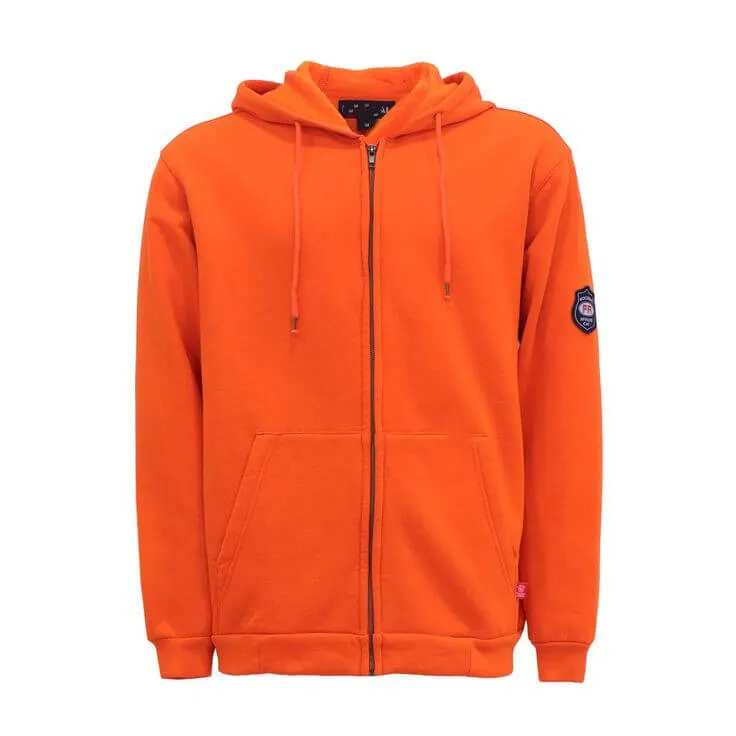
| FR Jackets (treated outerwear) | Warm to cool (30–40°C) | Gentle or permanent-press | Low to moderate |
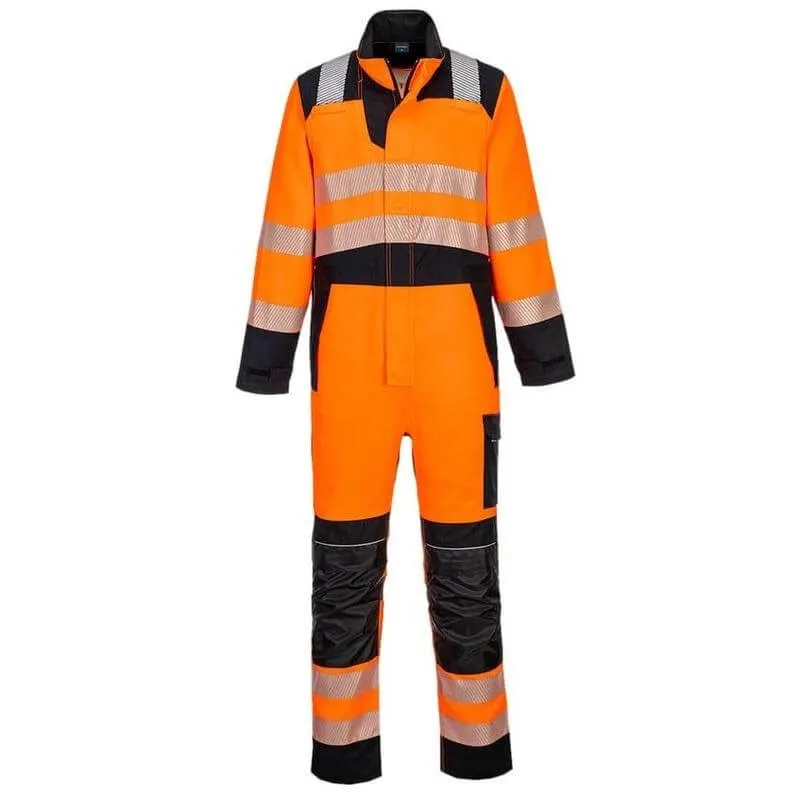
| FR Coveralls (durable cotton blends) | Warm (40–60°C / 104–140°F) | Normal | Moderate |
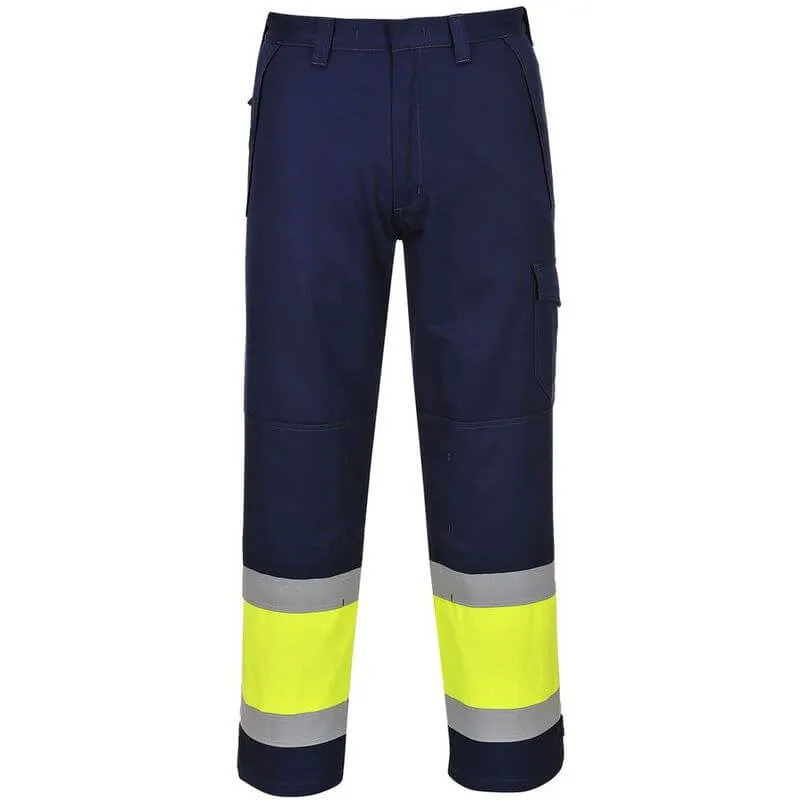
| FR Pants (cotton/aramid blends) | Warm (40–60°C) | Permanent-press | Moderate |
This table is a quick reference for common FR items; always follow the garment’s care label if it differs. VisonSafety tests these settings on our products and recommends contacting the manufacturer for garment-specific guidance when necessary.
How Do You Choose the Best Detergent for FR Clothing?
Detergent choice matters because surfactants and additives interact with fibers and finishes. Prefer non-ionic, low-alkali, bleach-free detergents without optical brighteners or aggressive enzymes — they clean effectively while minimizing chemical attack on FR properties. Oxidizers and some enzyme blends can weaken aramid chains or remove durable finishes that provide flame resistance. Dose detergents to match soil load and water hardness: overdosing leaves residues that attract contaminants, underdosing leaves oils behind that impair thermal protection. The recommendations below guide both small facilities and industrial laundries toward consistent FR garment care.
Get a Custom FR Clothing Quote from VisonSafety
What Detergent Types Are Recommended for Flame Resistant Fabrics?
Use bleach-free, low-alkali formulations — non-ionic or mild anionic systems work well. Liquid or powder detergents are acceptable when dosed correctly. These products remove oils and soils without stripping flame-resistant finishes or leaving combustible residues. In hard-water areas, control softness for best results. Calibrate dosage to machine capacity and soil level: excess detergent leaves residues; too little leaves contaminants. Proper detergent selection reduces the risk of fiber degradation and helps maintain PPE compliance.
- Recommended: Non-ionic, bleach-free liquid detergents formulated for industrial or sensitive textiles.
- Recommended: Low-alkali powder detergents without enzymes that target proteins or oils which can embed residues.
- Recommended: Water-softening agents where hardness would otherwise reduce cleaning efficiency.
These recommendations prepare you for the ingredients to avoid and the comparison table below.
| Detergent Type | Contains Bleach? | Optical Brighteners? | Typical Use Case |
|---|---|---|---|
| Non-ionic, bleach-free liquid | No | No | Best for routine FR cleaning and sensitive finishes |
| Low-alkali powder (no enzymes) | No | Optional (avoid brighteners) | Good for heavier soils when dosed correctly |
| Enzyme-based detergents | Sometimes | Sometimes | Avoid for FR unless manufacturer validated |
This comparison helps launderers align procurement and operations with safe detergent profiles. VisonSafety validates typical detergent types during product testing and can advise industrial partners on OEM/ODM laundering requirements — contact our team for program-specific recommendations.
Which Detergents and Additives Should Be Avoided to Preserve FR Properties?
Avoid chemicals that oxidize fibers or deposit combustible residues. Chlorine bleach and strong oxidizers break molecular bonds; fabric softeners, starches, and some optical brighteners leave residues that can increase surface flammability or mask wear. These effects are direct: oxidizers reduce material strength and finish integrity, and residue-forming additives raise ignition risk and hide inspection signs. In industrial laundries, monitor water composition and reject products with unlisted additives. Choosing compatible detergents prevents immediate safety hazards and long-term compliance failures.
- Avoid: Chlorine bleach and strong oxidizers that chemically degrade fibers.
- Avoid: Fabric softeners and silicone finishers that leave flammable residues.
- Avoid: Optical brighteners and unapproved enzyme blends that alter fabric chemistry.
Use these rules when setting procurement specifications and drafting laundering protocols to protect FR performance.
What Are the Recommended Drying and Finishing Methods for FR Clothing?
Drying and finishing methods should limit heat and mechanical stress while keeping garments serviceable and labels readable. Low-heat tumble drying or line drying preserves finishes; overdrying and high-heat ironing can damage fibers or labels. Excessive temperature changes fiber structure and can remove durable-press finishes that contribute to flame resistance. Finishing also includes preserving labels and inspecting seams so certification marks remain legible. The sections below cover dryer settings, safe ironing, and storage best practices.
Get a Custom FR Clothing Quote from VisonSafety
How Should You Dry FR Garments to Maintain Safety and Fabric Integrity?
Dry FR garments on low-heat tumble settings or by air-drying to avoid overdrying. Recommended dryer temperatures should not exceed the warm range used in washing, and cycle times should be limited to prevent brittleness. Watch for signs of overdrying — increased stiffness, shrinkage, or a change in surface texture — and reduce heat or time if they appear. Industrial dryers should use moisture sensors or conveyor low-heat settings to stop cycles once garments reach safe moisture levels. Gentler drying reduces thermal and mechanical aging and extends garment life.
- Tumble dry: low heat, short cycles.
- Line dry: preferred for outerwear and treated garments.
- Industrial dryers: use moisture sensors and avoid prolonged high-temperature exposure.
These drying choices tie directly into safe ironing and storage practices below.
Can You Iron FR Clothing and How Should It Be Stored?
Iron only if the garment care label allows it. Use the lowest effective temperature and a protective press cloth to avoid direct heat on labels or durable finishes; steam may be acceptable for some cotton blends but can affect certain finishes. Store garments in a labeled, cool, dry area away from flammable chemicals and contamination. Keep items traceable with inventory tags to support compliance records. Fold or hang to minimize creasing without stressing seams, and separate laundered from contaminated items to prevent cross-contamination. These finishing and storage steps complete the laundering workflow and flow into inspection and retirement criteria.
When Should You Inspect and Retire FR Clothing After Washing?
Inspect FR garments after every wash for visual and tactile signs that indicate reduced protection. Retirement decisions should be based on clear damage indicators and label legibility to preserve worker safety and certification compliance. Physical damage or chemical contamination changes thermal behavior and can invalidate certification. Establish routine inspection points — post-wash and at scheduled service intervals — and remove garments that show specific failure signs. The following sections list retirement indicators and explain how washing practice affects lifespan and compliance.
What Signs Indicate FR Garments Are Damaged or No Longer Safe?
Retire garments showing holes, melted or charred fibers, excessive abrasion, open seams, or missing/illegible care and certification labels. These conditions directly reduce protective performance by changing how heat and flame interact with the fabric. Complement visual checks with tactile inspection for stiffness or brittleness to detect chemical degradation. If any of these signs appear, remove the garment from service immediately to keep workers protected.
- Hole formation and fraying in high-wear areas.
- Melted spots or fiber stiffening indicating heat or chemical damage.
- Missing, unreadable, or detached certification/care labels.
This checklist helps inventory managers and safety officers make consistent retirement decisions and links back to how washing practices affect garment life.
| Garment Area | Sign to Retire | Typical Cause |
|---|---|---|
| Sleeves & cuffs | Holes or fraying beyond repair | Repeated abrasion or chemical attack |
| Torso panels | Melted fibers or stains that do not wash out | Exposure to heat or solvents |
| Labels & tags | Missing or unreadable certification marks | Mechanical wear or aggressive laundering |
How Does Proper Washing Impact the Lifespan and Compliance of FR Workwear?
Proper washing preserves FR finishes and fiber integrity, extending service life and helping garments remain within certification limits. Improper laundering accelerates wear, increases replacement costs, and raises safety risk. The connection is direct: the right detergent, temperature, and cycle choices avoid chemical and mechanical degradation, while routine inspection catches defects before failure. Tracking laundering protocols and wear patterns lets inventory teams plan replacements and reduce operational risk. Consistent practices reduce the chance of non-compliant garments in the workforce and support long-term PPE programs.
As a global manufacturer of certified custom safety apparel, VisonSafety conducts factory testing and quality control to validate washing parameters and material traceability. Customers can request product-specific care guidance, sample testing, and OEM/ODM laundering solutions for industrial programs. Our quality assurances and certification alignment help procurement teams select FR garments with confidence in their post-wash performance.
How to Wash FR Clothing in a Washing Machine | FAQs
Get a Custom FR Clothing Quote from VisonSafety
Can FR clothing be washed with regular laundry?
No. Wash flame-resistant garments separately or only with other FR workwear to avoid cross-contamination. Household detergents and common laundry additives can degrade FR properties. Always follow the garment manufacturer’s care instructions to protect performance and certification.
How often should FR clothing be inspected for damage?
Inspect FR garments after every wash and at scheduled service intervals. Regular checks identify holes, fraying, or label damage that compromise protection. A consistent inspection routine ensures damaged items are retired promptly and keeps your program compliant.
What should I do if my FR clothing shows signs of wear?
If you find holes, melted fibers, or illegible labels, retire the garment immediately. These signs indicate the item may no longer offer adequate protection. Prompt retirement and replacement protect workers and help maintain compliance.
Are there specific storage conditions for FR clothing?
Yes. Store FR garments in a cool, dry place away from flammable materials and chemicals. Use inventory tags to keep items traceable for compliance records. Avoid stacking or folding that stresses seams; hang or fold neatly to preserve fit and finish.
Can I use fabric softeners on FR clothing?
No. Do not use fabric softeners on FR garments — they can leave combustible residues and reduce breathability. Use recommended, bleach-free detergents and follow care labels for additive guidance to keep protective properties intact.
What is the best way to dry FR garments after washing?
Dry on low-heat tumble settings or line dry. High heat damages fibers and finishes that provide flame resistance. If using an industrial dryer, employ moisture-sensing controls to avoid overdrying, which causes stiffness and shrinkage.
How can I ensure my FR clothing remains compliant with safety standards?
Follow the manufacturer’s care instructions exactly: correct washing, drying, storage, and regular inspections. Keep records of inspections and any maintenance, and stay informed about applicable updates to safety standards. When in doubt, consult the garment manufacturer for validation and guidance.
Conclusion
Proper washing and care are essential to keep FR clothing effective and compliant. By following label guidance, choosing compatible detergents, using appropriate machine settings, and performing routine inspections, you’ll extend garment life and protect workers. For product-specific care, testing, or industrial laundering support, reach out to VisonSafety — we provide testing, guidance, and solutions to help you manage FR workwear with confidence.
 English
 Deutsch
 Français
 Polski
 Português do Brasil
 Español
 日本語
日本語 Русский
 العربية
 Italiano
 Nederlands
 Türkçe
 한국어
한국어