
Applying custom text to hi‑vis vests improves worker identification while retaining visibility when done to specification. This concise guide explains techniques, material choices, design and placement rules, common printing methods, and how to order compliant customised vests.
Techniques
Choose a technique based on durability, cost, and artwork complexity.
Embroidery: Durable, professional finish for logos and simple text.
Screen Printing: Cost-effective for bulk runs and solid colours.
Heat Transfer: Good for detailed art and small batches.
Compare expected wear, finish and unit cost to pick the best method for your run.
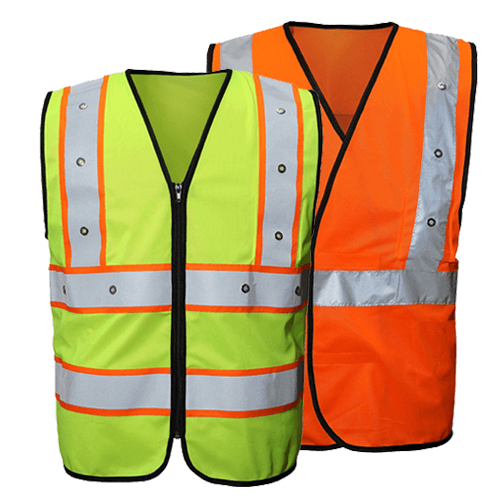
Get a Custom Hi-Vis Vest Quote from VisonSafety
Materials
Material choices affect visibility and compliance; select components that preserve the vest’s safety function.
Fluorescent Fabrics: Maintain high daytime conspicuity.
Reflective Tape: Must remain unobstructed to preserve retroreflectivity.
Safety-Compliant Inks: Use inks formulated not to reduce visibility or reflectivity.
Ensure materials and consumables (inks, transfers) meet relevant safety requirements.
Design Considerations
Design for legibility and compliance: keep text clear, well-contrasted, and positioned off reflective elements.
Color Contrast: High contrast between text and vest background.
Text Positioning: Place text away from reflective tape and seams.
Font Selection: Use bold, simple typefaces readable at distance.
Follow these basic rules to balance branding with safety performance.
Printing Methods
Each method has trade-offs in cost, finish and detail; the table summarises typical characteristics.
Use the table to match method to volume, artwork and lifecycle expectations.
Customization Process
Adopt a simple workflow to reduce risk and confirm compliance.
Consultation: Review design and compliance needs with the supplier.
Prototype Creation: Approve samples before bulk production.
Quality Control: Inspect production samples and batch units for conformity.
Structured approvals minimise rework and non‑conforming garments.
Final Tips
Keep safety and traceability central during customisation.
Safety Compliance: Never cover required fluorescent or reflective areas.
Record Keeping: Log approvals, materials and test results for audits.
Regular Inspections: Check for fading, damage, and loss of retroreflectivity.
These steps help maintain protective performance and demonstrate ongoing compliance.
What Are the Compliance Standards for Custom Text on Hi-Vis Vests?
Key standards define minimum areas of fluorescent and retroreflective material that must remain intact during customisation:
ANSI/ISEA 107: US standard for hi‑vis apparel classifications and visibility requirements.
EN ISO 20471: European standard specifying performance for high-visibility clothing.
Always confirm that custom placements preserve the required visibility zones.
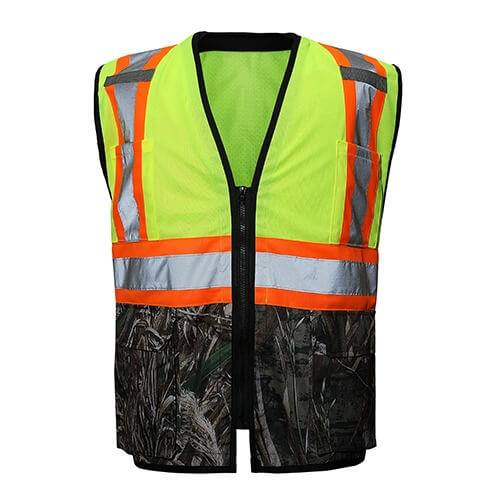
Get a Custom Hi-Vis Vest Quote from VisonSafety
Beyond visibility, proper fit and comprehensive compliance are essential components of hi‑vis personal protective equipment performance.
High-Visibility Safety Vest Compliance & Fit
As the construction industry transitions to reflect a more diverse population, it is essential that personal protective equipment (PPE) accommodates this shift in demographics. In particular, the “One size fits all” approach is no longer an appropriate metric of fit for the safety vest. Previous student research reflected an overwhelming consensus that construction workers do not have vests which appropriately fit them. In response, the Cal Poly Construction Management Department hosted the first ever Verifying Everyone’s Safety Together (VEST) Hackathon. This two-day event fostered a space for industry members, students, and faculty to discuss and develop several prototypes which better accommodate a diverse population of people. Several common themes were brought up in conversation and interviews at the Hackathon event. This research will discuss the general demand for properly fitting high visibility safety vests as identified by hackathon participants and how the co
High-Visibility Safety Vest Compliance & Fit
As the construction industry transitions to reflect a more diverse population, it is essential that personal protective equipment (PPE) accommodates this shift in demographics. In particular, the “One size fits all” approach is no longer an appropriate metric of fit for the safety vest. Previous student research reflected an overwhelming consensus that construction workers do not have vests which appropriately fit them. In response, the Cal Poly Construction Management Department hosted the first ever Verifying Everyone’s Safety Together (VEST) Hackathon. This two-day event fostered a space for industry members, students, and faculty to discuss and develop several prototypes which better accommodate a diverse population of people. Several common themes were brought up in conversation and interviews at the Hackathon event. This research will discuss the general demand for properly fitting high visibility safety vests as identified by hackathon participants and how the co
Which ANSI and ISO Standards Govern Hi-Vis Vest Customization?
ANSI/ISEA 107 and EN ISO 20471 set classification and material-area requirements; preserve those areas when adding text.
How Does Custom Text Printing Affect Vest Compliance?
Text that covers or reduces fluorescent or retroreflective areas can invalidate compliance; coordinate placements with your supplier and the applicable standard guidance.
What Are the Best Printing Methods for Custom Hi Vis Vest Personalization?
Screen printing, embroidery and heat transfer are all viable; choose based on artwork, budget, run size and intended service life.
How Does Screen Printing Compare to Heat Transfer for Reflective Vest Custom Text?
Screen printing is cheaper for high volumes and very durable; heat transfer gives higher detail and lower setup cost for small batches—both must respect reflective tape zones.
What Are the Durability and Visibility Benefits of Each Printing Method?
Screen Printing: Durable and colour-stable for many service conditions.
Embroidery: Highly durable and professional-looking for logos and text.
Heat Transfer: Excellent for detailed or photographic designs but typically less robust under heavy abrasion.
Match the method to expected exposure and service-life requirements.
Where and How Should Custom Text Be Placed on the Back of Hi-Vis Vests?
Place text centrally on the back, keeping a clear zone above reflective tape so retroreflective elements remain unobstructed and legible at operational distances.
What Are the Optimal Text Placement and Size Guidelines for Safety and Branding?
Maintain at least a 2‑inch clearance above reflective areas and use character heights of around 2 inches or larger; choose bold, high‑contrast type for visibility.
How Can Logo Printing Enhance Brand Visibility on Safety Vests?
Well‑placed logos increase recognition without reducing conspicuity when executed to preserve mandatory fluorescent and reflective areas.
Additional research highlights the importance of brand visibility in commercial outcomes and customer satisfaction.
Personalization & Brand Visibility for Business
E-commerce has transformed consumer behavior by offering convenience, speed, and variety. In this evolving landscape, personalization and brand visibility have become essential strategies for businesses seeking to enhance customer satisfaction. This study investigates how these two factors influence customer satisfaction in the Indonesian e-commerce sector. Adopting a mixed-methods design, the research combines quantitative data from 400 online shoppers with qualitative insights from 20 in-depth interviews. Quantitative data were analyzed using regression analysis and structural equation modeling (SEM), while thematic analysis was employed for qualitative data to extract key patterns and experiences. The findings confirm that personalization—through tailored recommendations, customized interfaces, and targeted communications—positively affects customer satisfaction by increasing perceived relevance and engagement. Similarly, brand visibility—measured by the frequency and
Personalization & Brand Visibility for Business
E-commerce has transformed consumer behavior by offering convenience, speed, and variety. In this evolving landscape, personalization and brand visibility have become essential strategies for businesses seeking to enhance customer satisfaction. This study investigates how these two factors influence customer satisfaction in the Indonesian e-commerce sector. Adopting a mixed-methods design, the research combines quantitative data from 400 online shoppers with qualitative insights from 20 in-depth interviews. Quantitative data were analyzed using regression analysis and structural equation modeling (SEM), while thematic analysis was employed for qualitative data to extract key patterns and experiences. The findings confirm that personalization—through tailored recommendations, customized interfaces, and targeted communications—positively affects customer satisfaction by increasing perceived relevance and engagement. Similarly, brand visibility—measured by the frequency and
How to Order and Implement Custom Hi Vis Vest Printing for Your Business?
Follow a simple procurement sequence to control cost and verify compliance.
Choose a Reputable Supplier: Pick a vendor with documented compliance and reliable production.
Discuss Design Options: Finalise placement, size and materials before sampling.
Confirm Bulk Order Details: Agree pricing, lead times and QA checks.
Compare options against compliance criteria, material specs and supplier capabilities when selecting hi-vis vests.
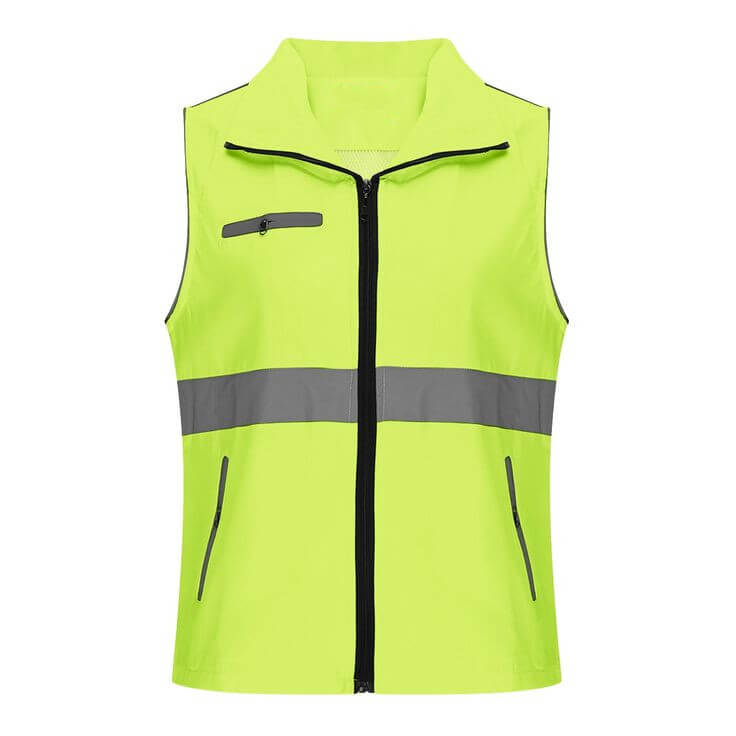
Get a Custom Hi-Vis Vest Quote from VisonSafety
What Is the Process for Requesting Custom Text Printing on Hi-Vis Vests?
The typical steps are:
Initial Consultation: Review needs and constraints with the vendor.
Sample Production: Approve a physical sample to validate appearance and compliance.
Final Approval: Confirm production once samples and documentation meet requirements.
This approval flow ensures production matches design and regulatory expectations; for assistance, contact us.
Custom Hi-Vis Vest Printing | FAQs
What are the key factors to consider when choosing a supplier for custom hi-vis vests?
Prioritise documented compliance with ANSI/ISEA 107 and EN ISO 20471, production capacity, available printing methods, lead‑time reliability, quality control and client references.
How can I ensure that my custom text remains compliant with safety regulations?
Keep required fluorescent and retroreflective zones intact, avoid covering reflective tape, choose safety‑compliant inks and request supplier verification against the applicable standard.
What are the benefits of using reflective tape in conjunction with custom text?
Reflective tape improves nighttime conspicuity; when left unobstructed and properly positioned it supports both safety and brand visibility.
Can I customize the fit of hi-vis vests along with the text?
Yes—suppliers offer sizes and styles to improve fit; specify fit requirements early so protective coverage is preserved.
What are the common mistakes to avoid when customizing hi-vis vests?
Avoid covering reflective elements, using non‑compliant inks, poor contrast or placement, and skipping supplier QA checks.
How often should I inspect customized hi-vis vests for safety compliance?
Inspect at least monthly, or more often in harsh conditions; check for fading, loss of retroreflectivity, seam damage and record results.
Conclusion
Custom text can enhance safety and branding when applied to specification: select appropriate methods and materials, verify samples, and enforce quality control so vests remain visible, identifiable and compliant with standards.
 English
 Deutsch
 Français
 Polski
 Português do Brasil
 Español
 日本語
日本語 Русский
 العربية
 Italiano
 Nederlands
 Türkçe
 한국어
한국어