
FR jeans are made from flame-resistant denim, using treated or inherently fire-resistant fibers to protect against arc flash and flash fire hazards. fr jeans meet specific ATPV ratings for industrial safety compliance. VisonSafety conducts 100% inspection and fabric testing from fiber gene.
Pontos principais
FR jeans use chemically treated cotton denim or inherently flame-resistant fiber blends like modacrylic and aramid.
Chemically treated cotton denim bonds flame-retardant chemicals to cellulose fibers through resin finishing and thermal curing.
Inherently flame-resistant fibers contain protection inside the polymer base, never having a flammable state to begin with.
FR jeans resist ignition and self-extinguish once the flame source disappears, but they are not fireproof.
Peça um orçamento personalizado para jeans FR à VisonSafety
What are FR jeans made of?
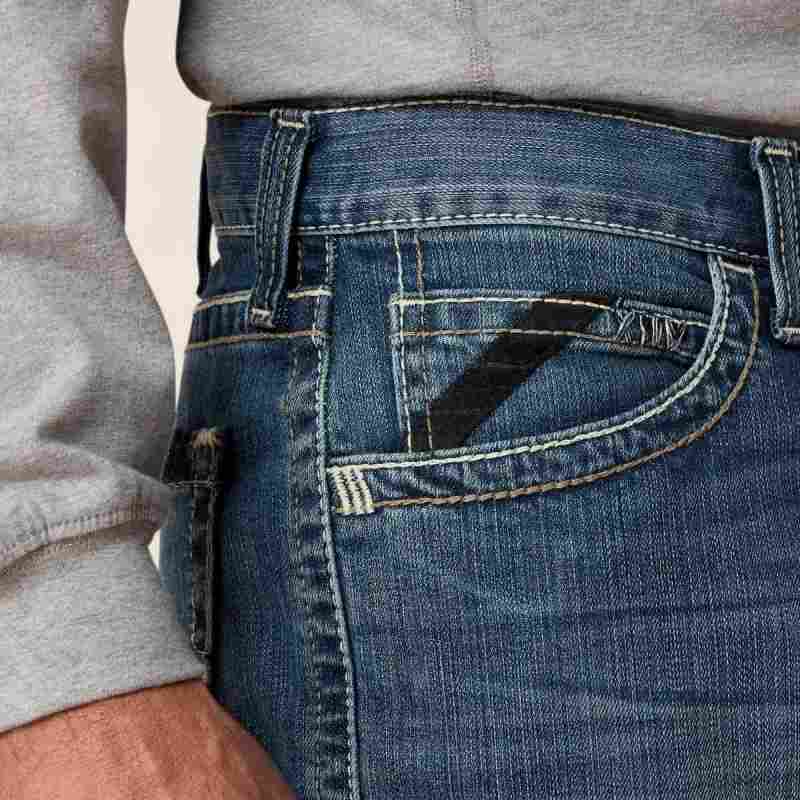
FR jeans are constructed from either chemically treated cotton denim or inherently flame-resistant fiber blends. The base material and treatment method determine how the garment performs during a flash fire or arc flash event.
Chemically treated cotton denim starts as standard cotton fabric. A manufacturing process bonds flame-retardant chemicals directly to the cellulose fibers. Resin finishing, thermal curing, and peroxide oxidation lock those chemicals in place. The result is wash-durable protection that survives repeated industrial laundering cycles. Safety managers rely on this approach for cost-effective compliance across large workforces.
Inherently flame-resistant fibers take a different path. The protection lives inside the polymer base of the fiber itself. Modacrylic and aramid blends are common examples. These fibers never had a flammable state to begin with.
How do treated and inherent FR fabrics differ?
Treated fabrics gain their properties through a chemical application after weaving. Inherent fabrics are born flame-resistant. The distinction matters for long-term garment management.
Inherent FR properties cannot be degraded through use or laundering. The protection is permanent. Treated cotton denim maintains its rating through proper care, but the chemical bond can theoretically weaken over extreme wash cycles. Both types meet industry standards when manufactured correctly.
Which fiber type lasts longer in industrial use?
Inherent blends hold an edge in longevity. The flame-resistant characteristic is part of the fiber’s molecular structure. No amount of washing strips it away. Treated denim requires more careful laundering protocols to preserve the chemical treatment. Procurement specialists weigh this durability against upfront cost when specifying fr jeans for electrical, oil and gas, or utility crews.
Are FR jeans really flame resistant?
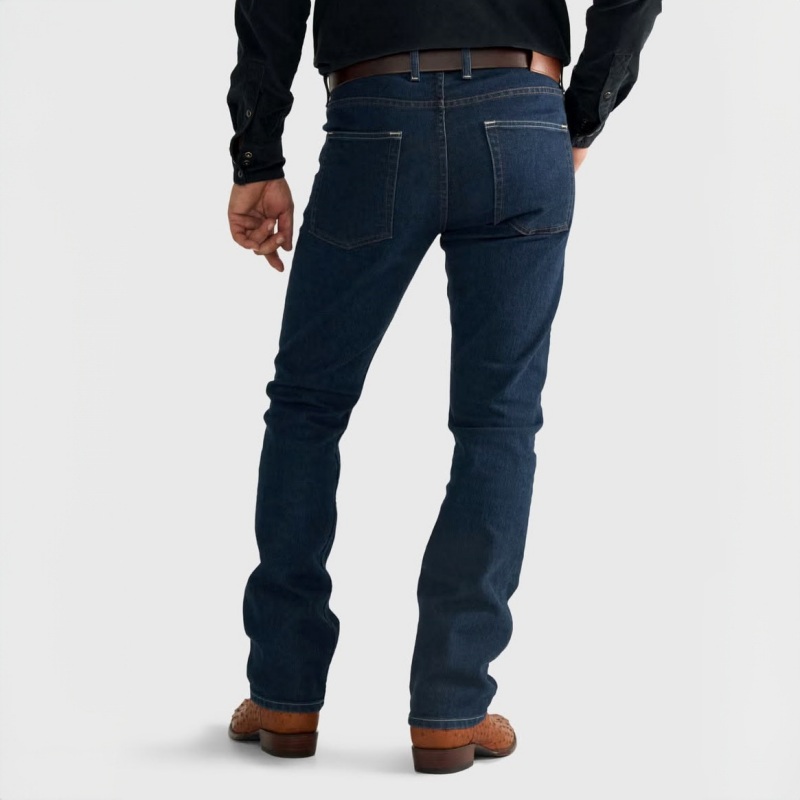
FR jeans are flame resistant, not fireproof. The distinction matters. These garments resist ignition and self-extinguish once the flame source disappears. They do not provide indefinite protection against sustained fire exposure.
The mechanism is straightforward. Flame-resistant clothing starves the flame of fuel. When the ignition source is removed, the fabric stops burning. This prevents the garment from supporting a fire that would otherwise continue consuming ordinary workwear. Standard blue jeans lack this treatment entirely. They ignite and sustain combustion, creating a serious burn hazard in flash fire or arc flash conditions.
Peça um orçamento personalizado para jeans FR à VisonSafety
How does the self-extinguishing process work?
The fabric chemistry interrupts the combustion cycle. Treated or inherently flame-resistant fibers release non-flammable gases when exposed to heat. These gases displace oxygen at the fabric surface. Without oxygen, the flame cannot sustain itself. The garment chars rather than continuing to burn.
Charring is critical. Proper FR denim forms a carbonaceous barrier instead of melting. Synthetic fabrics drip molten material onto skin, causing severe burns that compound the initial injury. FR jeans avoid this dangerous failure mode. The char layer remains intact, providing a final moment of protection before the wearer must escape the hazard zone.
What happens to regular denim in a flash fire?
Untreated cotton denim burns readily. It ignites, continues burning after the heat source is removed, and transfers thermal energy directly to the wearer. In arc flash incidents, ordinary jeans can disintegrate. The resulting burns often prove catastrophic. Flame resistant clothing is a foundational safeguard against burns from flash fires, electric arcs, and combustible dust. Workers in oil and gas, electrical, and utility sectors face these hazards daily. Standard denim offers no defense.
The difference between FR and non-FR denim is not subtle. One self-extinguishes. The other fuels the fire. For safety managers evaluating protective workwear, understanding the distinction between arc-rated and flame-resistant clothing clarifies which standard applies to specific job site risks.
How do FR jeans meet safety standards?
FR jeans meet safety standards through rigorous testing against established benchmarks for thermal hazards. NFPA 2112 governs flash fire protection, while NFPA 70E addresses arc flash risks in electrical environments. These standards define the minimum performance requirements a garment must satisfy before reaching workers in oil and gas, utilities, and heavy industry.
Arc ratings for FR jeans typically range from CAT 2 to CAT 4. This classification indicates the level of thermal protection the fabric provides against electric arc exposure. A higher category corresponds to greater incident energy resistance, helping safety managers match denim to specific job-site hazard analyzes.
What arc rating do FR jeans need for electrical work?
The required arc rating depends on the calculated incident energy at a given task location. NFPA 70E ties each PPE category to a minimum arc rating, with CAT 2 starting at 8 cal/cm² and CAT 4 reaching 40 cal/cm². FR jeans rated within this range deliver reliable protection against electric arc flash and radiant heat exposures.
How does international certification apply to FR jeans?
EN ISO 11612 provides international benchmarks for heat and flame resistance. This standard evaluates performance across multiple exposure types, including convective heat, radiant heat, and molten metal splatter. Garments meeting EN ISO 11612 ensure global compliance for FR workwear, which matters for multinational contractors and distributors serving European and Asian markets.
Consistent compliance does not end with design. VisonSafety conducts 100% fabric batch testing and maintains traceability records for three years. That documentation supports audits and confirms every production lot meets the same NFPA 2112, NFPA 70E, and EN ISO 11612 thresholds. Without that rigor, a single substandard batch exposes workers to burn injuries and organizations to regulatory penalties. Selecting the best FR clothing means verifying both the labeled arc rating and the manufacturer’s quality-control infrastructure behind it.
What care extends FR jean lifespan?
Proper laundering and consistent inspection directly extend the service life of FR jeans. Mild, low-residue detergents preserve the flame-resistant properties. Harsh chemicals degrade them fast.
The safest detergents for FR garments are mild, low‑residue formulas. These formulas use non‑ionic surfactants, avoid oxidizers, and contain no fabric softeners or optical brighteners. Detergent residue or aggressive chemicals reduce a garment’s ability to self‑extinguish. That loss of function may affect compliance with safety standards. A dedicated guide on laundry soap for FR clothing explains which detergent ingredients are FR‑friendly and which products to avoid.
How does detergent choice affect FR jeans?
Detergent choice determines whether FR jeans keep their protective qualities. Fabric softeners and oxidizers leave behind flammable residues. Those residues compromise the fabric’s self-extinguishing mechanism. Over time, the wrong soap turns compliant gear into a liability.
Peça um orçamento personalizado para jeans FR à VisonSafety
When should FR jeans be retired?
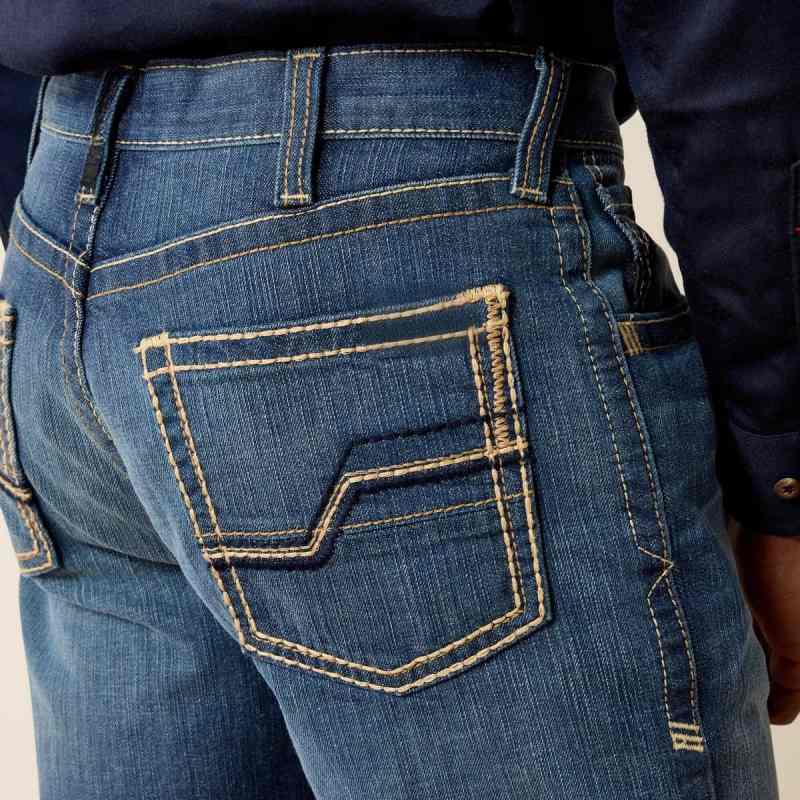
Regular inspection identifies wear, tears, and contamination that signal retirement. Safety managers look for thinning fabric, failed reflective trim, and stains that won’t lift. Persistent contamination traps fuel against the skin. A garment with compromised integrity no longer meets its arc rating. Retire it before it fails in the field.
Why choose certified FR jeans?
Certified FR jeans prevent catastrophic burn injuries. A single arc flash or flash fire incident without proper protection leads to third-degree burns, permanent scarring, and months of lost work.
Flame resistant clothing serves as a foundational safeguard against burns caused by flash fires, electric arcs, and combustible dust. These hazards appear daily in oil and gas extraction, electrical maintenance, welding operations, and utility work. Iron and steel mills and mining sites add their own thermal risks. Each industry carries distinct legal requirements for protective workwear. Non-compliance triggers fines, shutdowns, and liability exposure.
What certifications matter for FR denim?
Documentation separates compliant garments from unverified claims. Safety managers need OEKO-TEX certification confirming no harmful substances contact the skin. CE marking demonstrates conformity with European health and safety standards. UL certification verifies the fabric meets arc rating and flame resistance thresholds. Without these documents, audit readiness collapses.
Which industries mandate FR jeans?
High-hazard sectors drive the requirement. Oil and gas workers face flash fire potential near wellheads and processing equipment. Electricians and linemen confront arc flash energy measured in calories per square centimeter. Welders encounter molten metal spatter and radiant heat. Utility crews operate near energized lines in all weather conditions. Each role demands denim that self-extinguishes when the ignition source disappears.
Perguntas frequentes
What are FR jeans made of?
FR jeans use chemically treated cotton denim or inherently flame-resistant fiber blends like modacrylic and aramid.
Are FR jeans flame resistant?
FR jeans are flame resistant, not fireproof. They resist ignition and self-extinguish once the flame source disappears.
Conclusão
FR jeans are made from treated cotton or inherently flame-resistant fibers, and they are flame resistant, not fireproof, meaning they resist ignition and self-extinguish. For safety managers, the decision comes down to verifying that the fabric’s arc rating matches the job site’s hazard analysis and that the manufacturer’s quality control supports consistent compliance. Selecting certified FR denim reduces burn injury risk and strengthens audit readiness across high-hazard operations.
 English
 Deutsch
 Français
 Polski
 Português do Brasil
 Español
 日本語
 Русский
 العربية
 Italiano
 Nederlands
 Türkçe
 한국어