
Flame-resistant (FR) garments protect workers in hazardous environments, so controlling fabric shrinkage is a practical safety concern for safety managers, procurement teams, and frontline users. This guide explains whether FR gear shrinks, why dimensional change happens, and how to launder, dry, and store garments to limit unwanted shrinkage while keeping FR performance intact. You’ll find specific washing and drying parameters, chemicals and products to avoid, and notes on when shrinkage can affect compliance with standards such as NFPA 2112 and EN 11611. The article breaks down causes of shrinkage, lists step-by-step laundering practices, outlines safe drying and storage, and describes manufacturer controls that reduce shrink risk. Read on for manufacturer-backed tips, quick-reference tables, and concise action items to help teams maintain protective coverage and regulatory confidence.
Does FR Clothing Shrink and Why Is Shrinkage a Concern?
Yes—FR garments can show measurable shrinkage depending on fiber type, fabric finish, and laundering conditions. Shrinkage is a dimensional change: fibers relax or compact and the garment’s length or width can reduce, altering the intended fit. Heat, moisture, and mechanical agitation during washing or drying are the main triggers; blended fabrics typically move more than engineered synthetics. Shrinkage matters because shortened sleeves, raised hems, or exposed seams can reduce protective coverage assumed by certification tests, creating potential non-compliance and higher burn risk. The table below summarizes common FR fabric families and typical shrinkage behavior to help teams plan care protocols and replacement cycles.
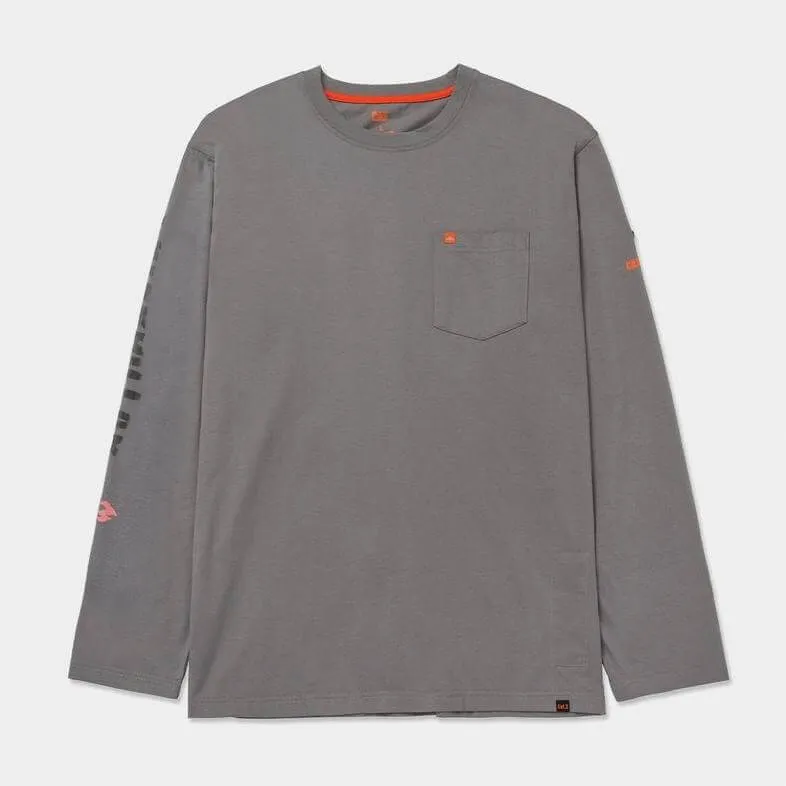
Get a Custom FR Clothing Quote from VisonSafety
FR fabric constructions respond differently to laundering and thermal exposure.
| Fabric Type | Attribute | Expected Shrinkage |
|---|---|---|
| Meta-aramid (e.g., Nomex-like) | Engineered synthetic fiber | Low |
| FR cotton blend | Natural fiber + FR treatment | Moderate |
| Modacrylic blends | Synthetic blend | Low to moderate |
This comparison shows why fabric choice and pre-treatment affect dimensional stability in service, and why laundering protocols should match material characteristics. The next section explains the physical mechanisms behind shrinkage and how they translate to real-world outcomes.
What Causes Shrinkage in Flame Resistant Clothing?
Shrinkage happens when fiber molecules relax from the tension applied during manufacturing; heat or water lets fibers reconfigure into a denser state. Mechanical agitation in washers and tumblers accelerates this by compacting and entangling fibers—an effect most visible in cotton-rich blends. Chemical exposure—strong alkalis, chlorine, or the wrong detergents—can damage fiber surfaces or strip finishes, which may increase dimensional change. Knowing these mechanisms helps safety teams choose wash cycles, detergents, and handling practices that limit fiber relaxation while preserving FR treatments.
How Does Shrinkage Affect FR Properties and Safety Compliance?
Shrinkage can reduce the coverage of protected body zones, exposing skin or underlying garments and potentially invalidating the assumptions behind certification tests. Employers and regulators rely on label guidance and expected fit to maintain certified performance; a garment that no longer fits as intended may fail compliance checks or need earlier retirement. Even modest shrinkage can alter seam alignment and comfort, which may distract wearers and reduce consistent use. Keeping laundering records and inspecting garments after cleaning helps catch significant dimensional changes before items return to use.
VisonSafety note: We manufacture dimensionally stable, pre-tested FR fabrics and recognize that shrinkage is a valid compliance concern. Our production includes pre-shrinking and batch testing to help ensure consistent sizing across deliveries while preserving FR performance.
How to Prevent FR Garment Shrinkage: Best Washing and Care Practices
Preventing shrinkage starts with following the garment’s care label and aligning wash parameters to the fabric construction. Lower temperatures and gentler mechanical action limit fiber relaxation while preserving flame resistance. Use liquid detergents formulated for technical textiles, avoid bleach and optical brighteners that can degrade finishes, and process loads at recommended sizes to reduce mechanical stress. Pre-treat stains with mild, FR-approved solvents or enzymatic cleaners rather than aggressive chlorine compounds. The checklist below gives a practical washing workflow for laundry operators and frontline staff.
Recommended washing steps to minimize shrinkage and preserve FR performance:
- Check Care Label First: Always follow the manufacturer’s instructions and any fabric-blend guidance before laundering.
- Use Cool to Warm Water: Choose cool to warm cycles—avoid hot water that promotes thermal relaxation.
- Select Gentle Cycle and Proper Load: Use low-agitation cycles and don’t overload machines so garments can move freely with minimal friction.
These steps control heat and mechanical action to reduce shrinkage risk while protecting FR finishes. The next section covers specific cycle, detergent, and handling recommendations.
What Are the Recommended Washing Instructions for FR Clothing?
Wash FR garments on gentle or commercial low-agitation cycles using cool to warm water, following the temperature limits on the care label. Use liquid, phosphate-free detergents designed for technical workwear and make sure garments receive a full rinse to remove any residue that can stiffen fabric. Keep loads within recommended weight limits so clothing tumbles without excessive compression or abrasion, and separate heavily soiled items to avoid contaminant transfer. Following these steps helps preserve dimensional stability and the integrity of any flame-retardant treatments.
Why Should You Avoid Fabric Softeners and Bleach on FR Apparel?
Fabric softeners leave lubricating films on fibers that can reduce surface friction but may also interfere with flame-resistant behavior and trap flammable contaminants. Chlorine bleach and other strong oxidizers can break down FR polymers or strip applied finishes, causing permanent loss of protective function. Safer alternatives include targeted, FR-approved enzyme pre-treats and oxygen-based whiteners only when explicitly allowed by the garment manufacturer. Avoiding these chemicals extends garment life and preserves certification-relevant properties.
VisonSafety care tip: Our garments carry clear care labels and we publish recommended wash parameters for each fabric blend. Customers can request fabric datasheets to confirm allowed temperatures and detergent types for specific materials.
What Are the Best Drying and Storage Methods to Maintain FR Clothing Size and Integrity?
Drying and storage influence both shrinkage and long-term performance. Controlled, low-heat drying or air drying reduces thermal stress, and correct storage prevents moisture-related damage and compressive deformation. Air drying on shaped hangers or flat surfaces helps retain garment geometry; if tumble drying is permitted use low-heat settings and remove garments promptly to avoid over-drying and heat-set shrinkage. Store items in cool, dry, ventilated areas away from direct sunlight, chemical vapors, and sharp objects that may damage fabric or trims. Regular inspection and rotation catch early signs of dimensional change or wear before garments return to hazardous work.
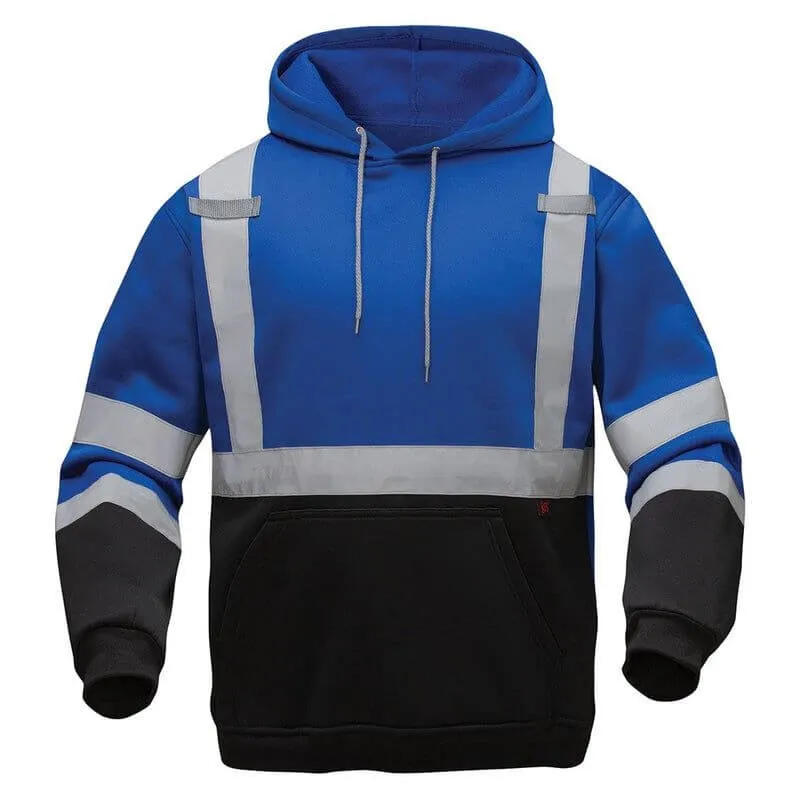
Get a Custom FR Clothing Quote from VisonSafety
Recommended drying and storage actions for FR garments:
- Air Dry or Tumble Dry Low: Prefer air drying; use tumble dry low only when the care label allows it.
- Avoid Compressive Storage: Don’t tightly fold or stack garments for long periods.
- Control Environment: Store in cool, dry, ventilated spaces away from chemicals and direct UV exposure.
These practices protect against shrinkage and preserve trims, patches, and branding. The following subsection gives guidance on safe dryer settings and industrial laundry considerations.
Can You Put FR Clothes in the Dryer? What Are Safe Drying Temperatures?
You can tumble dry only when the care label permits, and then only on low-heat settings. Safe dryer cycles use the lowest effective heat for moisture removal—typically labeled “low” or “gentle”—and garments should be removed promptly to prevent over-drying and heat-set shrinkage. Industrial laundries should follow manufacturer-recommended industrial cycles that balance moisture removal with dimensional control, and any deviation from label instructions should be validated against fabric datasheets. When unsure, air drying is the conservative choice to preserve fit and FR integrity.
How Should You Store FR Garments to Prevent Damage and Shrinkage?
Store FR garments on hangers or folded loosely on shelves to preserve shape and avoid pressure lines that can weaken fibers or finishes. Use breathable covers or ventilated cabinets to prevent moisture build-up and discourage mold or chemical exposure that could alter fabric properties. Implement a rotation and inspection schedule so garments are periodically checked for fit, contamination, and seam integrity before reissue. Good storage reduces the chance of irreversible shrinkage and supports predictable replacement planning.
VisonSafety testing note: We perform dimensional stability testing during production and can provide fabric datasheets or samples on request to confirm appropriate drying protocols for specific fabric families. B2B customers may request quotes or samples to evaluate fit and finish before placing orders.
How Does VisonSafety Ensure Dimensional Stability and Quality in FR Clothing?
VisonSafety minimizes shrinkage risk through selective fabric sourcing, pre-shrinking or heat-setting finishes, and strict batch testing. These controls help ensure delivered garments meet dimensional expectations and FR performance claims. Our quality program includes 100% fabric batch testing, multi-year material traceability, and ISO 9001-aligned processes to manage consistency across OEM and ODM runs. We offer custom safety apparel solutions, certified compliance to standards such as NFPA and EN, flexible minimums for B2B partners, and logistics options including delivered duties paid (DDP) for global distribution.
VisonSafety quality controls summarized for procurement teams.
| Process | Attribute | Value |
|---|---|---|
| Fabric batch testing | Frequency | 100% of batches tested |
| Dimensional control | Method | Pre-shrinking / heat-setting |
| Certification management | Scope | NFPA, EN, UL listed options |
These manufacturer processes lead to more predictable sizing, reduced in-service shrinkage, and documented compliance support for distributors and brands seeking dependable FR workwear. For B2B inquiries, procurement teams can request samples and datasheets to validate dimensional stability before bulk orders.
How to Prevent Shrinkage in FR Clothing | FAQs
What types of fabrics are commonly used in FR clothing?
FR garments commonly use meta-aramid fibers, FR-treated cotton blends, and modacrylic blends. Meta-aramids (Nomex-like) are engineered synthetics with low shrinkage. FR cotton blends combine natural fiber with flame-retardant treatments and typically show moderate shrinkage. Modacrylic blends are synthetic mixes with low to moderate shrink tendencies. Knowing the fabric helps you choose the right care approach to keep protective qualities intact.
How can I tell if my FR clothing has shrunk?
Compare the garment to the original size specifications or a new sample from the same batch. Look for shorter sleeves, higher hems, or exposed seams and check whether protected zones no longer cover intended areas. Regularly measuring and documenting garment dimensions after laundering helps you detect shrinkage early and maintain compliance records.
Are there specific detergents recommended for washing FR clothing?
Yes. Use liquid, phosphate-free detergents formulated for technical textiles. These clean effectively without compromising flame resistance. Avoid bleach and fabric softeners unless the care label explicitly allows a specific product. Refer to the garment’s care label or the fabric datasheet for exact detergent recommendations.
What should I do if my FR clothing gets stained?
Pre-treat stains with mild, FR-approved solvents or enzymatic cleaners. Avoid aggressive chemicals like chlorine bleach that can damage the fabric and its flame-resistant finish. Apply pre-treatment gently, then launder according to the manufacturer’s instructions to remove the stain while keeping FR properties intact.
How often should I inspect my FR clothing for wear and tear?
Inspect FR garments regularly—ideally before each use or at minimum once a month. Check for frayed seams, discoloration, shrinkage, or fit changes. Maintain an inspection log to track condition, repairs, and when items should be retired from service.
Can I use a regular dryer for my FR clothing?
Only if the care label permits tumble drying. Use low-heat settings and remove garments promptly to avoid over-drying and heat-set shrinkage. If unsure, air drying is the safest option to preserve fit and protective performance.
What are the best practices for storing FR clothing?
Hang garments on suitable hangers or fold them loosely on shelves. Keep storage areas cool, dry, and well ventilated, away from sunlight and chemicals that could degrade fabric or finishes. Use breathable covers if needed and rotate stock periodically to prevent long-term compression or moisture damage.
Conclusion
Proper care of flame-resistant clothing is essential to maintain protection and regulatory compliance. By following the recommended washing, drying, and storage practices—along with regular inspections and adherence to manufacturer guidance—you can reduce shrinkage risk and extend garment life. For further guidance, datasheets, or sample requests, consult our technical resources or contact VisonSafety’s team.
 English
 Deutsch
 Français
 Polski
 Português do Brasil
 Español
 日本語
日本語 Русский
 العربية
 Italiano
 Nederlands
 Türkçe
 한국어
한국어