
Knowing the difference between NFPA 2112 and NFPA 70E is essential for organizations managing hazardous environments. NFPA 2112 sets performance and certification requirements for flame‑resistant (FR) garments to protect against flash fires. NFPA 70E defines electrical safety practices and arc‑flash protection for workers exposed to energized equipment. This article explains each standard, highlights requirements, and helps you select appropriate PPE to stay compliant.
What Does NFPA 2112 Cover in Flame Resistant Clothing Standards?
NFPA 2112 defines expectations for flame‑resistant clothing intended to protect workers from flash‑fire hazards. It specifies fabric performance, garment construction, and certification testing so employers can be confident garments will limit burn injury and thermal exposure during a flash‑fire event.
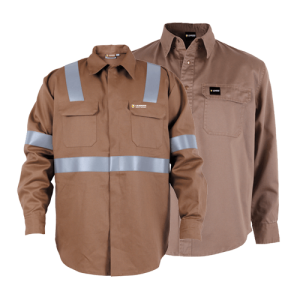
Get a Custom FR Clothing Quote from VisonSafety
What Are the Key Requirements of NFPA 2112 for Flash Fire Protection?
The key requirements of NFPA 2112 for flash fire protection include:
- Undergarment Safety: Garments and base layers must be designed to minimize burn injury across the entire body during a flash‑fire exposure.
- Whole-System Testing: Complete garments are tested as systems to confirm the combined materials and construction meet performance thresholds.
- Performance Tests: Materials and garments must pass specified tests for ignition resistance and thermal protection before certification.
Together, these requirements help FR clothing perform predictably and reduce injury severity.
Which Industries and Hazards Does NFPA 2112 Address?
NFPA 2112 applies where flash‑fire hazards exist—commonly in oil and gas, chemical processing, and some industrial or construction settings. The standard focuses on material performance and garment design so apparel matches the thermal risks in those industries.
How Does NFPA 70E Define Electrical Safety and Arc Flash Protection?
NFPA 70E sets workplace electrical safety requirements with an emphasis on preventing arc‑flash injuries. It gives guidance on safe work practices, risk assessment, and selecting and using appropriate PPE to minimize exposure to electrical hazards.
What Are the Main Electrical Safety Requirements in NFPA 70E?
The main electrical safety requirements in NFPA 70E include:
- PPE Selection Based on Risk Assessment: Employers must assess electrical hazards and choose PPE that matches the level of risk identified.
- Layering Guidance: The standard advises on layering FR and arc‑rated garments to achieve necessary protection without compromising mobility.
- Documentation Requirements: Employers must document risk assessments, PPE decisions, and safe work procedures to demonstrate compliance.
These measures reduce the likelihood and severity of electrical accidents for personnel who work on or near energized equipment.
Who Must Comply with NFPA 70E in the Workplace?
NFPA 70E applies to anyone working on or near electrical systems—electricians, maintenance technicians, and other staff who could be exposed to electrical hazards. Following NFPA 70E helps organizations protect workers and meet regulatory expectations.
What Are the Key Differences Between NFPA 2112 and NFPA 70E Standards?
The primary difference between NFPA 2112 and NFPA 70E is the hazard they address: NFPA 2112 targets protection from flash fires through certified FR clothing, while NFPA 70E focuses on electrical hazards and arc‑flash protection through safe work practices and arc‑rated PPE.
| Standard | Focus Area | Key Hazards Addressed | PPE Requirements |
|---|---|---|---|
| NFPA 2112 | Flame-resistant clothing | Flash fires | FR clothing |
| NFPA 70E | Electrical safety | Arc flashes | Electrical PPE |
Understanding these distinctions helps safety teams choose PPE that aligns with actual workplace risks.
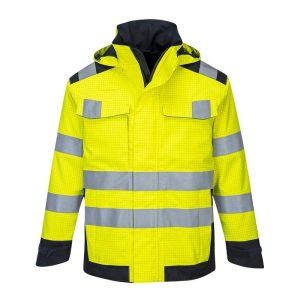
Get a Custom FR Clothing Quote from VisonSafety
How Do NFPA 2112 and NFPA 70E Differ in Hazard Types and Protection?
NFPA 2112 and NFPA 70E protect against different injury mechanisms. NFPA 2112 requires materials and garments that resist ignition and limit heat transfer during a flash fire. NFPA 70E requires arc‑rated clothing and practices that reduce incident thermal energy and protect against electrical shock—often requiring different materials, ratings, and layering approaches.
Which Flame Resistant Clothing Meets Each Standard’s Requirements?
Flame‑resistant garments that meet NFPA 2112 are made from fibers and treatments designed to resist ignition and provide measurable thermal protection. Common examples include:
- Nomex®: A widely used inherently flame‑resistant fiber valued for consistent thermal performance.
- Proban®: A treated cotton option that delivers reliable flash‑fire protection when properly certified.
For NFPA 70E, clothing must be arc‑rated and selected according to the calculated incident energy. Typical items include:
- Arc-rated coveralls : Garments tested and labeled with an arc‑rating appropriate to the task.
- Insulated gloves : Required when working on or near live conductors to protect against shock and burns.
Understanding the role of flame-resistant clothing ensures your industrial apparel meets the right standard for the hazard.
Why Is Understanding These Standards Important for Industrial Safety Apparel?
Knowing NFPA 2112 and NFPA 70E lets employers choose PPE that protects workers from the hazards they face. Clear knowledge of each standard reduces injury risk, supports regulatory compliance, and helps build a consistent, defensible safety program.
How Does Compliance with NFPA 2112 and NFPA 70E Enhance Worker Safety?
Compliance provides a framework for selecting, testing, and documenting PPE so workers wear gear rated for the hazard. Following both standards lowers the chance and severity of injuries from flash fires and electrical incidents and reinforces safe work practices across the organization.
For custom solutions, contact us to discuss options.
What Custom FR Apparel Solutions Does Vision Safety Offer for These Standards?
Vision Safety provides custom FR apparel engineered to meet NFPA 2112 and NFPA 70E requirements. We design garments to industry specifications, apply appropriate materials and treatments, and integrate arc‑rating and layering strategies so teams get compliant, comfortable, and task‑ready PPE.
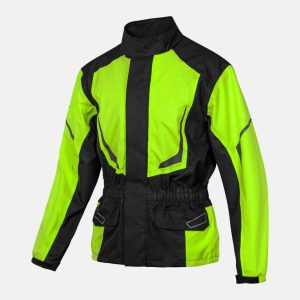
Get a Custom FR Clothing Quote from VisonSafety
NFPA 2112 vs NFPA 70E | FAQs
What is the significance of PPE in relation to NFPA 2112 and NFPA 70E?
PPE is a critical control in both standards. NFPA 2112 limits burn severity in a flash fire, while NFPA 70E defines arc‑rated PPE and safe procedures to reduce electrical injury. Selecting the right PPE for the specific hazard is the most practical way to protect workers.
How often should PPE be inspected for compliance with NFPA standards?
Inspect PPE regularly—before each use and via scheduled, documented inspections at least annually or per manufacturer guidance. Check for wear, damage, contamination, or any condition that could reduce protection and remove compromised items from service.
Can NFPA 2112 and NFPA 70E be applied simultaneously in a workplace?
Yes. When both flash‑fire and electrical hazards exist, employers should use PPE and layering strategies that satisfy both standards. A thorough risk assessment will identify required ratings and combinations so garments protect against multiple hazards.
What training is required for employees regarding NFPA standards?
Employees should receive role‑specific training on PPE selection, proper wear, inspection, and maintenance, plus hazard awareness and emergency response. Regular refreshers and updates when procedures or standards change are also important.
How do employers determine the appropriate PPE for their workers?
Employers perform a hazard and risk assessment that considers tasks, potential energy exposures, and incident‑energy calculations for electrical work. Based on those findings, they select PPE with the correct FR and arc ratings and establish procedures for proper use.
What are the consequences of non-compliance with NFPA standards?
Non‑compliance increases the risk of injury or death and can expose employers to fines, legal claims, and reputational damage. Following NFPA 2112 and NFPA 70E helps protect workers and demonstrates a commitment to safety and regulatory expectations.
Conclusion
Understanding the differences between NFPA 2112 and NFPA 70E is key to selecting protective apparel that matches workplace hazards. Applying the right standards for flash‑fire and electrical risks reduces injuries, supports compliance, and strengthens your safety culture. For tailored guidance and compliant FR solutions, explore our offerings or reach out to Vision Safety today.
 English
 Deutsch
 Français
 Polski
 Português do Brasil
 Español
 日本語
日本語 Русский
 العربية
 Italiano
 Nederlands
 Türkçe
 한국어
한국어