
Flame‑resistant clothing reduces harm from fast heat events such as flash fires and arc flashes. Understanding the differences between NFPA 2112 and NFPA 2113 helps safety teams select appropriate garments, meet compliance, and manage risk. This article summarizes each standard’s purpose, key requirements, and how they work together in practice.
Consistent standards and clear testing protocols are central to keeping workers safe in flame and heat hazards.
Flame-Resistant Clothing: Standards & Safety
Abstract summary: Rob Whittenberger (Tyndale Company, Inc.) presented a study on flame‑resistant clothing standards and industry statistics at the ASSE Professional Development Conference, Las Vegas, June 2008. The paper reviews frameworks for FR garment performance and highlights why standardized testing matters for workplace safety. (2004 study referenced in discussion.)
What is NFPA 2112 — Key Requirements?
NFPA 2112 is the benchmark for garments designed to protect workers from flash‑fire hazards. It defines fabric performance, whole‑garment testing, construction expectations, and certification documentation so garments deliver predictable thermal behavior during a flash event.
The requirement for certified flash‑fire garments is a primary control in environments where sudden ignition is possible.
NFPA 2112: Garments for Flash-Fire Protection
Abstract summary: Derek Sang (VF Imagewear) presented guidance at the ASSE Professional Development Conference, Dallas, June 2015, explaining why specifying NFPA 2112 certified garments reduces flash‑fire risk. The presentation focuses on material selection, testing protocols, and certification procedures that support consistent protective performance.
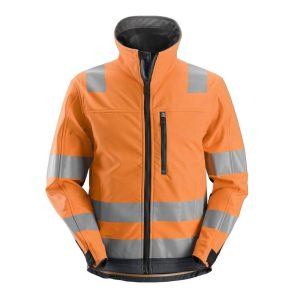
Get a Custom FR Clothing Quote from VisonSafety
What Does NFPA 2112 Cover for Flash-Fire Protection?
The standard covers fabrics, underlayers, and whole‑garment performance. It requires materials and assemblies to resist ignition, limit heat transfer, and pass repeatable tests that simulate flash scenarios, including evaluation of seams and closures under thermal stress.
What is NFPA 2113 and How Does It Apply to Industrial FR Clothing?
NFPA 2113 provides guidance for selecting, caring for, and maintaining FR clothing in industrial settings. It helps employers choose suitable garments, set inspection schedules, and manage lifecycle practices to preserve protective properties over time.
What Are the Specific Requirements of NFPA 2113 for Safety Apparel?
NFPA 2113 emphasizes construction quality, labeling, documentation, and maintenance procedures. It highlights seam strength and user instructions, and recommends inspection and replacement criteria so garments remain effective throughout service.
Main Differences Between NFPA 2112 and NFPA 2113
The core difference is scope: 2112 prescribes tested flash‑fire performance and certification; 2113 guides selection, inspection, and lifecycle management. Use 2112 when verified flash protection is required and 2113 to ensure garments remain protective in day‑to‑day use.
How Protection Levels Differ Between NFPA 2112 and NFPA 2113
NFPA 2112 measures protection by thermal criteria that demonstrate resistance to heat transfer in a flash event. NFPA 2113 supports protection indirectly by defining practices—inspection, repair, replacement, and care—that preserve those protective properties.
Which Industries Prefer NFPA 2112 vs. NFPA 2113 Certified FR Clothing?
Industries with flash‑fire risk—oil & gas, refineries, and some chemical plants—typically require NFPA 2112‑certified FR clothing because immediate thermal protection is critical. Sectors like utilities and maintenance may emphasize NFPA 2113 to ensure ongoing garment integrity through inspection and care. The right choice depends on whether the main hazard is sudden thermal exposure or routine wear.
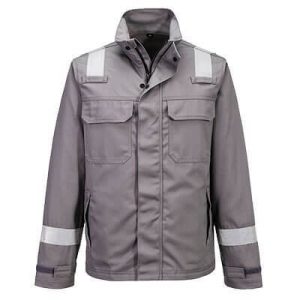
Get a Custom FR Clothing Quote from VisonSafety
How to Choose the Right Flame-Resistant Clothing Based on NFPA Standards?
Begin with a hazard assessment to determine whether flash fire, arc flash, or routine thermal exposure is the dominant risk. Specify NFPA 2112 for proven flash‑fire performance and use NFPA 2113 to define selection, inspection, and care practices. Also review fabric properties, seam construction, and vendor documentation before finalizing specifications.
Robust testing and careful selection of materials and construction are key to protecting workers from fire and chemical hazards.
Evaluating Protective Clothing for Fire & Chemical Hazards
Abstract summary: A 2022 experimental study evaluated protective clothing materials for chemical and fire resistance used by chemical workers. The research tested construction parameters, washing durability, chemical penetration and repellency, and after‑flame/char length performance, showing how material choice and garment design affect long‑term protection.
| Factor | Consideration | Importance |
|---|---|---|
| Hazard Assessment | Define the specific thermal or chemical risks present | High |
| Material Selection | Specify fabrics rated for the identified hazard and tests | High |
| Compliance | Verify certification and test documentation against NFPA standards | Critical |
| Customization | Adjust fit and features to meet user and task needs | Medium |
Making an informed selection—based on hazard, material performance, and compliance documentation—helps organizations protect workers while meeting regulatory expectations.
What Factors Influence Selecting NFPA 2112 or 2113 Certified Apparel?
Consider hazard type, required performance, expected lifecycle, and regulations. Verify certification and test reports, assess fabric durability, and evaluate how laundering, repair, and replacement will be managed to keep garments protective.
How Does Custom FR Apparel Manufacturing Ensure Compliance?
Manufacturers control sourcing, perform lab testing, and maintain quality control and traceable records. They test fabrics and seams to meet NFPA criteria and supply labels and instructions that support safe use, reducing the risk of non‑compliant garments reaching the field.
| Compliance Aspect | Description | Importance |
|---|---|---|
| Material Testing | Laboratory evaluation of fabric thermal and physical performance | Critical |
| Quality Control | Inspections and process controls to ensure garment integrity | High |
| Documentation | Test reports, certificates, and user guidance records | Essential |
| Custom Specifications | Tailored design, fit, and features to meet task requirements | High |
A methodical manufacturing and verification process gives employers confidence that custom FR apparel will meet intended safety and regulatory outcomes.
If you have questions or need product guidance, please contact us .
NFPA 2112 vs. NFPA 2113 | FAQs
Get a Custom FR Clothing Quote from VisonSafety
What are the key differences in testing methods between NFPA 2112 and NFPA 2113?
NFPA 2112 prescribes repeatable thermal performance tests for flash‑fire exposure, including heat transfer and after‑flame measures on fabrics and whole garments. NFPA 2113 emphasizes selection, construction quality, and lifecycle practices rather than a single flash‑performance test.
How often should flame-resistant clothing be inspected for compliance?
Inspect FR clothing regularly—at least monthly and more often in heavy‑use or harsh environments. Look for wear, holes, damaged seams, contamination, or alterations and follow manufacturer guidance for repair or replacement.
Can NFPA 2112 and NFPA 2113 certified clothing be used interchangeably?
Not automatically. They overlap in flame resistance, but 2112 confirms tested flash performance while 2113 frames selection and care. Choose garments that meet the standard suited to your hazards and enforce the related care practices.
What role does garment fit play in flame-resistant clothing effectiveness?
Proper fit keeps protection positioned and reduces snagging or unintended exposure. Avoid excessively loose or tight garments; balance protection, mobility, and task requirements.
Are there specific care instructions for maintaining NFPA certified clothing?
Yes. Follow manufacturer washing and care instructions—use mild detergents, avoid bleach and fabric softeners, and limit dryer heat unless allowed. Regular laundering, inspection, and proper storage extend service life and maintain compliance.
What advancements are being made in flame-resistant clothing technology?
Advances include lighter, higher‑performing fibers for improved comfort, moisture management and breathability upgrades, and durable fabric blends for longevity after laundering. Research also explores smart textiles and sensors for exposure monitoring.
Conclusion
Understanding NFPA 2112 and NFPA 2113 helps safety leaders match garment performance to hazards and maintain protection over time. Specify NFPA 2112 for verified flash‑fire protection and use NFPA 2113 guidance to manage selection, inspection, and lifecycle care. Prioritizing appropriate materials, construction, and maintenance improves safety and extends garment life. For details and certified options, visit our website.
 English
 Deutsch
 Français
 Polski
 Português do Brasil
 Español
 日本語
日本語 Русский
 العربية
 Italiano
 Nederlands
 Türkçe
 한국어
한국어