
NFPA 2112 and arc flash ratings influence how you select flame‑resistant (FR) gear for hazardous work. NFPA 2112 covers flash‑fire protection; arc flash ratings address electrical arc hazards. This guide explains the core differences, why each standard matters for PPE selection, and practical steps to match FR apparel to workplace risks.
Industry reports and standards provide context on how these certifications improve worker safety.
Flame‑Resistant Clothing — Standards & Safety
Rob Whittenberger, “Flame Resistant Clothing: Statistics, Standards and Safety.” Paper presented at the ASSE Professional Development Conference & Exhibition, Las Vegas, NV, June 2008. Tyndale Company, Inc.
Understanding NFPA 2112 vs. Arc Flash Rating: Key flame‑resistant clothing standards explained
Both standards are central to FR clothing selection but address different hazards. NFPA 2112—published by the National Fire Protection Association—sets performance and testing for flash‑fire garments. Arc flash ratings use metrics such as ATPV to indicate protection from electrical arcs. Identify the applicable hazard to choose the correct PPE.
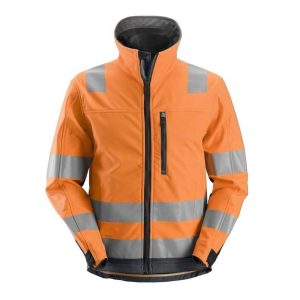
Get a Custom FR Clothing Quote from VisonSafety
What is NFPA 2112 certification and why it matters for FR clothing
NFPA 2112 certification confirms a garment meets laboratory and system‑level tests for flash‑fire protection. Certified apparel helps limit burn injuries by resisting ignition and reducing thermal transfer. In many sectors, NFPA 2112 garments are an expected compliance measure.
Standards guidance shows specifying NFPA 2112 garments reduces flash‑fire risk.
NFPA 2112 Garments for Flash Fire Hazard
Derek Sang, “Why NFPA 2112 Certified Garments Should Be Specified for Your Flash Fire Hazard.” VF Imagewear, 2015.
Definition and scope of the NFPA 2112 standard
NFPA 2112 sets minimum requirements for materials and finished garments for short‑duration flash fires. Tests cover fabric thermal performance, garment construction, and whole‑system evaluation so seams, closures and accessories are validated together, not just the textile.
Certification requirements and compliance for industrial safety apparel
Garments claiming NFPA 2112 must pass specified lab tests and be manufactured under quality controls that preserve performance. Employers should also verify any related standards (for example, ANSI/ISEA for high‑visibility garments) and follow care instructions to retain protection.
How arc flash rating measures electrical hazard protection
Arc flash protection is expressed by the Arc Thermal Performance Value (ATPV) and related metrics that indicate how much incident energy a fabric can withstand before likely causing a second‑degree burn. ATPV (cal/cm²) guides selection of arc‑rated garments—the higher the ATPV, the greater the protection.
Understanding arc flash hazards and rating systems
An arc flash occurs when electrical energy discharges through air, releasing intense heat and pressure. Arc hazard ratings estimate incident energy at a location or task (cal/cm²); those values set the minimum ATPV needed for PPE in that task.
Why arc flash ratings matter when choosing PPE
Choose clothing with an ATPV that meets or exceeds the task’s calculated incident energy. Account for layering—compatible layers can increase overall ATPV—and coordinate clothing, tools, and procedures to manage electrical risks effectively.
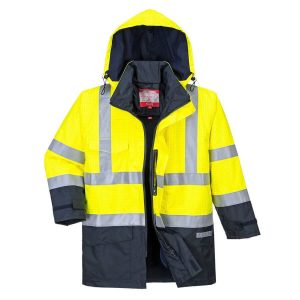
Get a Custom FR Clothing Quote from VisonSafety
Differences and similarities between NFPA 2112 and arc flash ratings
Both aim to reduce burn injuries but target different exposures: NFPA 2112 addresses thermal exposure from flame and flash fires; arc flash ratings address energy transfer from electrical arcs. They use distinct tests and metrics yet share requirements for testing, labeling, and maintenance to ensure real‑world protection.
Comparing protection levels and safety standards
FR clothing options vary by certification and intended hazard. The table below summarizes typical garment types and the hazards they address.
| Clothing Type | Certification | Protection Level |
|---|---|---|
| FR Coveralls | NFPA 2112 | Flash Fire |
| Arc‑Rated Shirt | ASTM F1506 | Arc Flash |
| FR Jacket | NFPA 2112 | Flash Fire |
Use the table as a starting point; match garment certifications to the actual hazards and tasks on your site.
How both standards shape industrial safety apparel choices
Specify clothing based on the primary hazards. In sites with both flash‑fire and electrical risks, select garments that meet multiple standards or plan a validated layering strategy. Correct choices improve compliance and reduce injury severity.
How to choose flame‑resistant clothing based on NFPA 2112 and arc flash ratings
Selecting appropriate FR clothing involves practical steps:
- Assess incident energy: Determine task‑specific incident energy to identify required ATPV ratings for electrical work.
- Follow layering guidance: Choose layer combinations that enhance protection without compromising comfort or compliance.
- Match materials to hazards: Use fabrics and constructions certified to NFPA 2112 for flash fires and to applicable arc‑rating standards for electrical hazards.
These steps help ensure your PPE strategy aligns with actual job risks.
Evaluating certification labels and arc flash protection levels
Read labels and certification documents carefully. Confirm the standard (e.g., NFPA 2112, ASTM F1506), the garment’s ATPV or arc rating, and any limitations or care instructions. Keep certification records as part of your safety program and training files.
Benefits of custom FR apparel from certified manufacturers
Custom FR apparel certified to standards offers clear benefits for organizations:
- Verified protection: Certification confirms the garment meets required performance.
- Durability: Quality materials and construction extend service life.
- Branding and fit: Custom options combine compliance with a professional appearance and better fit for workers.
Investing in certified, well‑made FR garments improves worker protection and supports operations.
To explore options for flame resistant clothing, review material specifications and certification details before ordering.
If you need tailored guidance, contact us — our team can help match garments to your hazards and compliance requirements.
NFPA 2112 vs. Arc Flash Rating | FAQs
What types of industries require NFPA 2112 and arc flash rated clothing?
Industries with elevated thermal or electrical risks typically require these protections: oil & gas, petrochemical, refining, heavy manufacturing, electrical utilities, and construction. Employers must specify certified apparel that matches site hazards and contractual or regulatory obligations.
How often should flame‑resistant clothing be inspected and maintained?
Inspect FR clothing before each use for tears, holes, contamination, or worn areas. Follow manufacturer laundering and care instructions. Include periodic formal inspections and replacement schedules in your PPE program.
Can NFPA 2112 and arc flash rated clothing be worn interchangeably?
No. These garments are engineered for different hazards—flash fires versus electrical arcs. Using the wrong certification can leave workers under‑protected.
What is the significance of ATPV in arc flash rated clothing?
ATPV (Arc Thermal Performance Value) measures incident energy a fabric can withstand before a likely second‑degree burn. Select PPE with an ATPV at or above the task’s calculated incident energy.
Are there specific certifications for custom flame‑resistant apparel?
Yes. Custom apparel can be certified to NFPA 2112 and relevant arc‑rating standards if materials and manufacturing meet those standards. Verify certification documents before accepting custom garments.
What role does layering play in flame‑resistant clothing protection?
Layering can increase thermal protection and effective ATPV when layers are compatible. Improper or non‑validated layers can reduce mobility, comfort, or protection, so follow manufacturer guidance and your PPE policy.
How can employers ensure compliance with NFPA 2112 and arc flash standards?
Perform hazard assessments, maintain arc‑flash studies and flash‑fire risk analyses, select certified garments that match identified hazards, provide PPE training and care guidance, and keep records of certifications and inspections. Regular audits and refresher training keep programs effective.
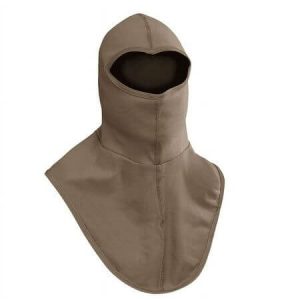
Get a Custom FR Clothing Quote from VisonSafety
Conclusion
NFPA 2112 and arc flash ratings address different but complementary safety needs. Use NFPA 2112‑certified garments for flash‑fire risk and arc‑rated apparel with the proper ATPV for electrical hazards. Where both risks exist, adopt a coordinated PPE and validated layering strategy that meets the most protective applicable standard. Contact our team for practical, standards‑based guidance if you need help evaluating hazards or specifying certified FR clothing.
 English
 Deutsch
 Français
 Polski
 Português do Brasil
 Español
 日本語
日本語 Русский
 العربية
 Italiano
 Nederlands
 Türkçe
 한국어
한국어