
The NFPA 2112 compliance deadline is a key milestone for organizations that rely on flame-resistant (FR) clothing. This article gives a concise overview of the deadline, who it affects, and what manufacturers and buyers must do to confirm garments meet the standard. With the deadline noted in 2023, companies should verify certifications and inventories promptly to limit risk and liability.
What Is the NFPA 2112 Compliance Deadline for Flame Resistant Clothing?
The deadline marks when FR garments must meet NFPA 2112 performance and testing criteria. Beyond regulatory obligation, it’s a workplace-safety threshold: missed compliance can increase incident risk, fines, and legal exposure.
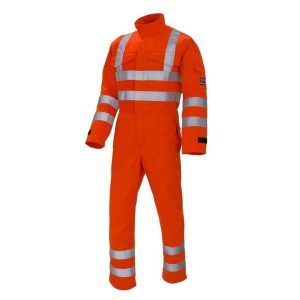
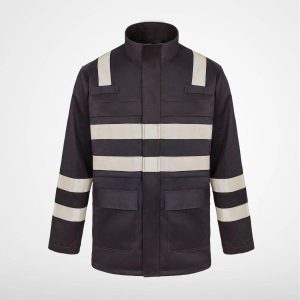
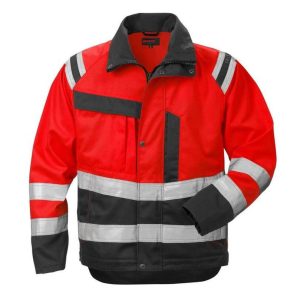
Suppliers of custom FR apparel align design, testing, and documentation to meet NFPA 2112 so employers can procure certified protective wear for hazardous settings.
Get a Custom FR Clothing Quote from VisonSafety
When is the official deadline date for NFPA 2112 compliance in 2026?
The official transition deadline is noted as August 2023, the point by which the updated standard was expected to be adopted. Organizations should audit inventory and certification records and confirm orders meet the revised requirements.
What industries are affected by the NFPA 2112 compliance deadline?
NFPA 2112 is relevant wherever flash fire or thermal exposure is a hazard. Key sectors include:
- Oil and Gas: Field and production operations with elevated fire risk require compliant FR clothing.
- Electrical Utilities: Arc-flash and electrical-fault exposure make certified garments necessary.
- Construction: Job-site ignition and thermal hazards call for protective apparel.
- Manufacturing: High-heat or flammable processes need certified protective clothing.
These industries should confirm protective clothing inventories meet NFPA 2112 and schedule replacements or upgrades where needed.
How Does NFPA 2112 Certification Timeline Affect FR Clothing Manufacturers?
The certification timeline impacts design, sampling, testing, and delivery. Manufacturers must plan testing and documentation early to avoid delays and to supply certified products before the compliance date. Typical milestones include:
- Consultation and Requirement Definition: Define applicable standards and metrics with clients.
- Prototype Development: Produce samples that reflect final materials and construction.
- Bulk Manufacturing: Scale production with quality controls to maintain FR properties.
- Testing and Certification: Complete required tests and secure compliance paperwork.
- Packaging and Distribution: Ship certified garments with clear documentation.
A disciplined schedule helps manufacturers meet compliance windows and deliver reliable apparel.
What are the key steps in the NFPA 2112 certification process?
The certification follows a clear sequence to verify performance criteria. The essential steps are summarized in the table below.
| Step | Description | Outcome |
|---|---|---|
| 1. Consult & Define Requirements | Identify specifications, use cases, and compliance obligations. | Clear requirements for testing and design. |
| 2. Prototype & Sampling | Produce and inspect samples for materials and construction. | Validated designs ready for testing. |
| 3. Bulk Manufacturing | Scale with documented quality controls to preserve FR performance. | Consistent product quality. |
| 4. Testing & Certification | Perform flame-resistance, durability, and thermal-protection tests and collect reports. | Certified products with paperwork. |
| 5. Packaging & Distribution | Label and ship orders with compliance documentation. | Traceable delivery of certified garments. |
Following these steps confirms garments meet NFPA 2112 before field use.
Further details on specific regulatory and flame-resistance testing methods are summarized in the publication below.
FR Apparel Testing: Regulatory & Flame Resistance Methods
FED-STD191 (Tests for Textiles) — for example, Method 5903 describes a 45° strip test for fabric flammability and Method 5905 covers related procedures. The chapter also reviews regulatory and testing requirements for flame-retardant textile applications.
Regulatory and testing requirements for flame retardant textile applications, R Horrocks, 2013
Get a Custom FR Clothing Quote from VisonSafety
How do manufacturing capabilities influence meeting compliance deadlines?
Capacity and process controls affect a manufacturer’s ability to meet NFPA 2112 timelines. Key capabilities include:
- Quality Control Processes: Inspection and documentation ensure FR properties are preserved.
- Automated Production Methods: Automation improves consistency and shortens lead times.
- Customization Capabilities: Flexible production supports industry-specific needs without losing compliance.
Investing in these areas improves the chance of meeting deadlines and reliably supplying compliant apparel.
What Are the Industrial Safety Clothing Requirements Under NFPA 2112?
NFPA 2112 defines performance and construction criteria to protect workers from flash fire and thermal hazards. Core requirements include:
- Material Performance: Fabrics must meet defined flame-resistance and thermal-protection metrics.
- Seam Integrity: Construction must withstand heat exposure to avoid premature failure.
- Performance Criteria: Garments must meet documented benchmarks for protection and durability.
Meeting these criteria ensures garments provide reliable protection in demanding environments.
For deeper guidance on selecting compliant FR clothing and the factors to consider, see the expert reference below.
NFPA 2112 Compliance: FR Clothing Selection & Requirements
This chapter outlines compliance requirements for different types of FR clothing and presents selection criteria, with a case study illustrating employee protection strategies. Selection of flame resistant protective clothing, 2013
Which flame resistant apparel standards must be met for compliance?
NFPA 2112 compliance is often considered alongside related standards, such as:
- NFPA 70E: Electrical safety and arc-flash mitigation.
- ASTM F1506: Minimum fabric and garment performance for arc-flash protection.
- EN ISO 11612: European standard for heat- and flame-resistant clothing.
- NFPA 2112: The primary U.S. benchmark for flash-fire protection.
Understanding how these standards interact helps ensure comprehensive, defensible compliance.
How do custom FR apparel orders align with NFPA 2112 regulations?
Custom orders can meet NFPA 2112 when design, material selection, and testing are integrated from the outset. Vision Safety addresses:
- Certification for Custom Orders: Test and document custom garments to verify compliance.
- Quality Assurance: Controlled production and inspections preserve FR properties.
- Customization Process: Collaborate to balance functionality, comfort, and compliance.
When these steps are followed, custom apparel is fit-for-purpose and NFPA 2112-compliant.
Where Can Businesses Find Updated Information on NFPA 2112 Compliance Deadlines?
Rely on authoritative sources for updates:
- NFPA Official Website: Official revisions, timelines, and guidance.
- Industry Associations: Practical interpretation and implementation advice.
- Safety Regulations Publications: Technical analyses and best-practice summaries.
Regularly checking these channels helps organizations adapt procurement and training plans as needed.
How to monitor NFPA announcements and industry news for deadline changes?
Effective monitoring reduces the risk of missing updates. Recommended tactics include:
- Subscribing to Newsletters: Receive curated regulatory and industry updates.
- Following Official NFPA Channels: Official feeds and communications are primary sources.
- Utilizing Monitoring Tools: Set keyword alerts and watch technical publications.
A proactive monitoring strategy lowers the chance of last-minute compliance gaps.
Get a Custom FR Clothing Quote from VisonSafety
What resources provide FAQs and compliance timeline updates?
Useful resources include:
- NFPA FAQs: Frequently updated answers to common compliance questions.
- Industry Webinars: Expert-led sessions on practical implications and timelines.
- Consultation Services: Accredited labs and consultants provide tailored timeline planning.
Using these resources helps businesses interpret requirements and plan for on-time compliance.
To review compliant options and technical specifications, consider browsing FR clothing that meet recognized safety requirements.
If you have questions or need help choosing the right apparel, please contact us for expert support.
NFPA 2112 Compliance Deadline | FAQs
What are the consequences of non-compliance with NFPA 2112 standards?
Non-compliance can bring penalties, higher insurance costs, and increased liability after an incident. It can also damage trust with employees and clients. Prioritizing compliance reduces these risks and shows commitment to worker safety.
How can businesses prepare for the NFPA 2112 compliance deadline?
Audit FR inventories and records, identify uncertified or worn garments, coordinate with suppliers for certified replacements, and train staff on inspection and use policies.
What role do testing laboratories play in the NFPA 2112 certification process?
Accredited labs perform required flame-resistance, thermal-protection, and durability tests and issue certification reports that manufacturers and buyers rely on to verify compliance.
Are there any exemptions to the NFPA 2112 compliance requirements?
Exemptions are limited and should be based on documented evidence that workers lack flash-fire or thermal exposure; determinations should involve safety experts and legal counsel.
How often should flame resistant clothing be inspected for compliance?
Inspect FR clothing at least annually, and more often when garments face heavy use or harsh conditions. Check fabric, seams, closures, and labels; replace damaged items.
What are the benefits of using custom FR apparel for compliance?
Custom FR apparel lets employers specify fabrics, fit, and features while ensuring products meet NFPA 2112, improving comfort and wear compliance.
How can companies stay updated on changes to NFPA 2112 regulations?
Subscribe to NFPA and industry newsletters, follow official communications, attend webinars, and set targeted alerts for regulatory updates.
Conclusion
The NFPA 2112 compliance deadline is a practical prompt to confirm protective clothing will perform when needed. By following certification steps, enforcing quality controls, and staying informed via trusted sources, organizations can protect workers and reduce liability. Explore custom FR apparel options to ensure your team has certified protection that fits operational needs.
 English
 Deutsch
 Français
 Polski
 Português do Brasil
 Español
 日本語
日本語 Русский
 العربية
 Italiano
 Nederlands
 Türkçe
 한국어
한국어