
Keeping hi-vis shirts clean isn’t just about appearance — it’s about safety. These garments use fluorescent fabrics and reflective tape to keep workers visible, so the way you wash and treat them matters. Below we cover proven washing methods, stain-removal steps, and how proper care helps your shirts stay compliant with safety standards. Follow these tips to extend the life of your hi-vis apparel and make sure it keeps doing its job.
What Are the Best Practices for Washing Hi Vis Shirts Safely?
Wash hi-vis shirts with care to preserve their color and reflective performance. Use mild, non-chlorine detergents, choose warm or cold water, and avoid bleach or harsh solvents. These simple choices help protect fluorescent fibers and reflective tape so the garments remain visible and effective on the job.
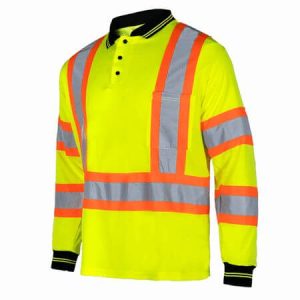
Get a Custom Hi-Vis Shirt Quote from VisonSafety
Which Detergents and Temperatures Preserve Reflective Tape?
To protect reflective tape, pick non-chlorine detergents and wash in warm or cold water. Chlorine bleach and strong alkalines can break down the adhesive and reflective surface, reducing visibility. Washing in warm water (up to about 40°C / 104°F) removes dirt without stressing the materials, while cold water is fine when you want to minimize color loss or shrinkage.
Can Hi Vis Shirts Be Machine Washed and Dried?
Yes — machine washing is OK if you use a gentle cycle and mild detergent. Air drying is best because high dryer heat can damage reflective tape and fluorescent fibers. If you must tumble dry, use the lowest heat setting and remove garments promptly to avoid overexposure to heat.
How Do You Remove Stains Effectively from High Visibility Clothing?
Stains should be treated quickly and carefully to avoid harming the fabric or tape. Use targeted techniques that lift the stain without scrubbing or applying harsh chemicals that might dull fluorescence or compromise reflectivity.
What Are the Recommended Stain Removal Techniques for Hi Vis Shirts?
Blot stains gently rather than rubbing to prevent spreading and abrasion. Use fabric-safe stain removers formulated for delicate or bright textiles and follow product instructions. Steer clear of chlorine bleach and aggressive solvents, which can permanently damage fluorescent fabrics and reflective tape.
How to Avoid Damage to Fluorescent Fabrics During Cleaning?
Avoid high temperatures and strong chemicals to keep fluorescent fabrics intact. Always read the care label, choose gentle cleaning agents made for bright colors, and rinse thoroughly. These steps help preserve vibrancy and the structural integrity of reflective elements.
How Can You Maintain Certification Compliance Through Proper Shirt Care?
Proper laundering and inspection help hi-vis garments continue to meet standards like ANSI/ISEA 107 and EN ISO 20471. Careful maintenance preserves the visibility and protective performance that those certifications require.
What Are the Care Guidelines for ANSI/ISEA 107 and EN ISO 20471 Certified Apparel?
Follow the manufacturer’s washing instructions and check certification labels regularly. Adhering to recommended temperatures, detergents, and inspection routines ensures the garments keep performing to the level required by the standard. Replace any piece that shows significant wear, tearing, or loss of reflectivity.
How Often Should Hi Vis Shirts Be Cleaned to Meet Safety Standards?
Clean shirts as often as the job and contamination level demand. In many hazardous or dirty environments, washing after each shift is advisable, but excessive washing can wear materials faster. Balance cleaning frequency with regular inspections to confirm the garment still meets visibility and safety requirements.
What Are the Differences Between Industrial and Home Laundry for Hi Vis Shirts?
Industrial and home laundering differ in scale and control. Industrial services use specialized equipment, controlled temperatures, and detergents designed for workwear — which can be helpful for large fleets or strict compliance needs. Home laundering can work for smaller volumes if you follow care guidelines closely.
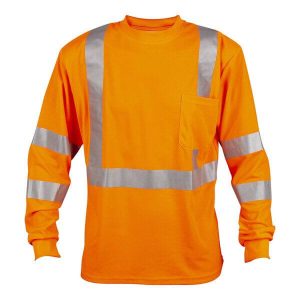
Get a Custom Hi-Vis Shirt Quote from VisonSafety
When Should You Use Industrial Laundry Services for Safety Apparel?
Choose industrial laundry when you have many garments to process, need documented compliance, or require the temperature and chemical controls those services provide. Industrial cleaners are set up to protect reflective tape and fluorescent fabrics while handling heavy soil loads.
How Does Home Laundering Impact Reflective Workwear Longevity?
Home laundering is fine for occasional cleaning, but mistakes — high heat, harsh detergents, or improper cycles — can shorten a garment’s usable life. Follow care labels, use gentle detergents, and avoid excessive heat to help your reflective workwear last longer.
 English
 Deutsch
 Français
 Polski
 Português do Brasil
 Español
 日本語
日本語 Русский
 العربية
 Italiano
 Nederlands
 Türkçe
 한국어
한국어