
Flame-resistant (FR) clothing lowers the chance of burn injury and limits thermal damage by resisting ignition and insulating the wearer during short-duration fires or electrical arc events. This guide outlines how correct fit, sensible layering, safe next-to-skin choices, and routine care preserve FR performance and keep workers compliant with standards like NFPA 2112 and NFPA 70E. You’ll get clear fit rules, a compact layering system for warm and cold conditions, straight-forward guidance on undergarments, and step-by-step laundering and retirement checks to protect ATPV and certification. VisonSafety, a certified FR and Hi-Vis workwear manufacturer and OEM/ODM partner, supplies FR shirts, jackets, coveralls and other garment types engineered for common regulatory needs. We keep product notes brief here so safety guidance stays front and center. Use the short lists and tables below to apply practical rules on the job and to brief procurement teams on how garment specs, certification, and QC affect real-world protection.
What Is the Proper Fit for FR Garments to Maximize Safety?
Proper fit means the garment covers exposed skin without excess loose material that can catch on equipment. Fit should balance coverage and mobility to lower ignition risk and preserve arc/flash protection. A correct fit helps seams and closures behave predictably under heat and keeps loose fabric away from moving parts or open flames. The following dos and don’ts summarize the key fit principles you can use immediately to reduce hazards.
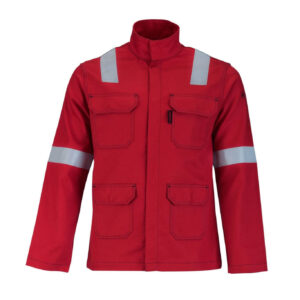
Get a Custom FR Clothing Quote from VisonSafety
VisonSafety’s FR shirts, coveralls, and jackets are produced with OEM/ODM sizing support so distributors and safety managers can specify the correct fit for their teams and match certification labels to intended wear.
This fit table links garment areas to clear recommendations and the safety reasoning you’ll need for procurement and pre-issue checks.
| Garment Area | Fit Recommendation | Safety Rationale |
|---|---|---|
| Torso/Chest | Close-fitting without constriction; long enough to cover while bending | Prevents skin exposure during movement and reduces ignition risk |
| Sleeves/Cuffs | Cuffs secured; sleeves not excessively long | Reduces chance of fabric contacting hot surfaces or machinery |
| Waist/Seat | Enough length for bending; avoid sagging or droop | Maintains coverage during tasks and lowers snag hazards |
Reference this table during sizing reviews and pre-issue inspections to confirm selected FR inventory meets both mobility and coverage requirements.
How Should FR Clothing Fit for Optimal Coverage and Movement?
FR clothing must allow full reach and bending while keeping the torso and limbs covered. Sleeves should reach the wrist with cuffs fastened; pant inseams should permit kneeling without exposing skin. Measure sleeve length and inseam against typical job movements and check that closures (buttons, zippers) lie flat and are FR-rated. Avoid sizes that compress seams, which can reduce the thermal barrier, and favor garments with articulated seams for mobility. For large orders, request size ranges and sample fittings from the manufacturer to validate movement on the job.
What Common Fit Mistakes Should Be Avoided When Wearing FR Clothing?
Common mistakes include untucked shirts that expose the lower torso, unfastened cuffs that leave wrists exposed, and overly baggy garments near rotating equipment. Inspect for frayed hems and stretched closures that weaken protective coverage and retire items showing those defects. Never combine FR garments with non-FR loose outerwear that increases ignition area—always layer with FR-certified pieces. A quick fit check before each shift cuts the chance that poor fit turns a minor incident into a serious injury.
How Do You Layer FR Clothing for Maximum Protection and Comfort?
Layering FR clothing creates a system where each layer has a role: base layers manage moisture and next-to-skin comfort, mid layers add insulation and breathability, and outer layers provide the primary barrier against flame or arc energy. Layering changes the combined arc rating or ATPV and should be treated holistically. Multiple certified FR layers can increase protection, but never mix FR and non-FR layers where ignition risk exists. Below are concise layering recommendations and a comparison table of typical materials and functions.
Layering systems are customizable; VisonSafety supplies certified materials and OEM/ODM options to help distributors specify compatible base, mid, and outer pieces that preserve combined protective performance.
| Layer | Material / Feature | Purpose / Recommendation |
|---|---|---|
| Base | 100% cotton or moisture-wicking inherent FR blend | Manages sweat, prevents cling, and insulates skin from heat |
| Mid | FR fleece or insulating inherent FR fabric | Adds thermal protection in cold conditions while remaining breathable |
| Outer | Certified FR jacket/coverall with sealed seams | Primary protective barrier; resists flame and reduces flash exposure |
Use this table to build procurement bundles that make combined ATPV and HRC considerations clear for safety managers.
What Are the Recommended Base Layers for FR Clothing?
Safe base layers are 100% natural fibers like cotton or wool, or purpose-made moisture-wicking inherent FR blends that won’t melt. These layers keep skin drier, reduce adhesion in high-heat events, and provide a stable base under outer FR garments. Avoid polyester or nylon next-to-skin since they can melt and stick; choose certified FR base layers designed for moisture control. Always check certification labels and material composition to confirm compatibility with outer FR pieces.
How Should Mid and Outer Layers Be Worn in Different Environments?
In cold conditions, wear insulating FR mid layers such as fleece under a certified FR outer shell; confirm zippers and closures are FR-rated and won’t trap conductive contaminants. In wet or heavily contaminated settings, prioritize waterproof FR outerwear with sealed seams and make sure mid layers wick moisture away from the skin. In high-arc-risk zones, avoid unnecessary layers that could alter the intended arc rating unless the combined system has been tested. Include donning and doffing procedures in training so layers can be adjusted safely during shifts.
What Undergarments Are Safe to Wear Under FR Clothing?
Next-to-skin undergarments should minimize melt and adhesion risk while providing comfort and moisture control—typically 100% natural fibers or certified inherent FR underwear and undershirts. The right undergarments reduce burn severity and let outer FR layers perform as designed under heat stress. The short Q&A below provides quick, field-ready guidance safety teams can use.
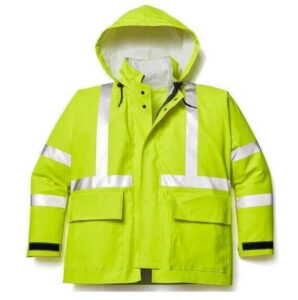
Get a Custom FR Clothing Quote from VisonSafety
Recommended undergarments include cotton, wool, and specialty FR base layers explicitly labeled as flame resistant. Non-FR blends create avoidable hazards when worn next-to-skin—ensure procurement and safety policies list permitted materials.
- Safe next-to-skin options:
100% cotton undershirts for breathability and low melt risk.Merino or wool blends for warmth and moisture control.Inherent FR moisture-wicking base layers for active work.
This quick list helps field teams pick safe undergarments before a shift.
Which Natural Fiber Undergarments Are Recommended?
Cotton is a common, comfortable option because it doesn’t melt and is widely available, though it absorbs moisture. Wool offers better thermal performance and retains insulation when damp, making it useful in cold, wet conditions. Silk can work as a lightweight layer when you need warmth without bulk, but for high-risk or heavy-duty tasks choose certified FR base layers. Each option balances comfort, moisture control, and thermal response depending on the work.
What Fabrics Should Be Avoided Under FR Clothing and Why?
Avoid polyester, nylon, rayon, and similar blends directly against the skin—these synthetics can melt and adhere during thermal exposure, increasing injury severity. Many athletic and stretch fabrics fall into this hazard class and should be excluded from next-to-skin use in hazardous work. Always check garment composition labels and enforce a prohibited-fabric list in safety policies to prevent accidental exposure to melting materials.
How Should You Care for and Maintain Flame Resistant Clothing?
Proper care sustains FR properties: use mild detergent, avoid chlorine bleach and fabric softeners, dry on low heat or line dry, and inspect garments regularly for damage. Correct laundering prevents residue that can reduce arc rating or obscure certification labels; inspection programs catch wear, contamination, and seam failures before garments return to service. Below is a compact care-actions table and a short numbered checklist for quick reference.
VisonSafety documents care instructions with batch testing and full QC; manufacturers who provide material traceability and clear care labels make it easier for purchasing teams to maintain compliance and extend garment life.
| Care Action | Recommended Method | Effect on FR Properties / Lifespan |
|---|---|---|
| Washing | Mild liquid detergent; warm water | Helps preserve fiber integrity and ATPV |
| Bleach/Softeners | Do not use chlorine bleach or fabric softeners | Prevents breakdown of FR treatments and loss of protection |
| Drying | Tumble low or line dry | Minimizes shrinkage and preserves fit and barrier performance |
- Washing and drying steps:Remove visible contaminants before laundering.
Wash in warm water with mild detergent; rinse thoroughly.
Tumble dry low or line dry; reshape while damp.
Following these steps keeps FR fabric performance consistent between service cycles and reduces inspection failures.
What Are the Best Practices for Washing and Drying FR Garments?
Launder FR garments separately from everyday clothing to avoid contamination. Use only mild detergents without additives that leave residue. Avoid chlorine bleach and fabric softeners—they chemically alter fibers and treated finishes and can reduce ATPV. Tumble dry on low or line dry to prevent excess shrinkage that changes fit and coverage.
For heavily soiled or high-use items, follow industrial laundering procedures recommended by the manufacturer to maintain consistent protective performance.
When Should FR Clothing Be Retired or Replaced?
Retire FR clothing immediately if it shows holes, open seams, melted or charred areas, heavy contamination with flammable liquids, or if certification labels are missing or illegible. Conduct routine inspections at set intervals and after any flash or arc event; any garment involved in a thermal incident should be removed from service for inspection or replacement. Keep records of inspections and retirement criteria so procurement can plan replacements and manage minimum order quantities for certified items.
- Retirement checklist:
Visible damage (holes, burns, melted fibers).Irreversible contamination with flammable chemicals.Missing or illegible certification labels.
These rules help.ensure garments in the field continue to deliver designed protection and enable safety teams to act quickly when retirement is required.
How to Wear FR Clothing | FAQs
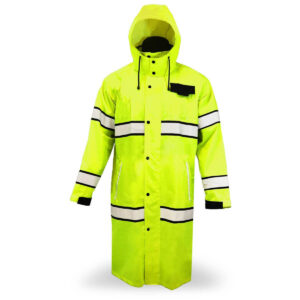
Get a Custom FR Clothing Quote from VisonSafety
What is the importance of flame-resistant clothing in hazardous work environments?
FR clothing is a critical layer of protection in hazardous work. It resists ignition and insulates the wearer during short-duration fires and electrical arcs, reducing burn severity and thermal injury. Meeting standards such as NFPA 2112 and NFPA 70E ensures garments perform predictably under test conditions and on the job. Proper fit, layering, and maintenance make the difference between a recoverable incident and a serious injury.
How can I ensure my FR clothing maintains its protective qualities?
Follow the manufacturer’s care instructions, use mild detergents, and avoid bleach and fabric softeners. Dry garments on low heat or line dry, and inspect regularly for wear or contamination. Adhering to laundering guidance and inspecting items before use preserves fabric integrity and helps maintain ATPV and certification labels.
Are there specific regulations governing the use of FR clothing?
Yes. Standards such as NFPA 2112 and NFPA 70E define performance, testing, and labeling requirements for FR clothing. Employers must provide appropriate FR garments where hazards exist and ensure workers understand fit, layering, and care requirements. Compliance reduces risk and helps meet legal and industry obligations.
What should I do if my FR clothing is damaged?
Remove damaged garments from service immediately. Signs that require retirement include holes, burns, melted fibers, open seams, or heavy contamination with flammable substances. Establish a clear retirement policy and inspection schedule so damaged clothing is identified and replaced promptly.
Can I layer non-FR clothing under my FR garments?
No. Non-FR fabrics like polyester and nylon can melt and stick during a thermal event, worsening injuries. Always wear certified FR base layers next to the skin. Check material labels and enforce permitted-fabric lists to prevent unsafe layering.
How often should FR clothing be inspected for safety compliance?
Inspect FR garments regularly—ideally before each use—and at manufacturer-recommended intervals. Look for visible damage, contamination, and legible certification labels. Any garment exposed to a flash or arc event should be taken out of service and inspected. Keep inspection records to support replacement planning and compliance audits.
What are the benefits of using moisture-wicking base layers with FR clothing?
Moisture-wicking FR base layers control sweat, keep skin drier, and improve comfort during active work. By reducing moisture on the skin, they lower the risk of burns and enhance overall thermal regulation. For active or hot environments, choose certified moisture-wicking FR fabrics to maintain protection and comfort.
Conclusion
Wearing FR clothing correctly—right fit, proper layering, safe undergarments, and consistent care—significantly reduces burn risk in hazardous workplaces. Regular inspections and adherence to standards reinforce garment performance. If you need certified FR garments or help specifying a compliant program, explore VisonSafety’s range of certified products to outfit your team for safer workdays.
 English
 Deutsch
 Français
 Polski
 Português do Brasil
 Español
 日本語
日本語 Русский
 العربية
 Italiano
 Nederlands
 Türkçe
 한국어
한국어