
Flame-resistant (FR) clothing demands specialized care to maintain its protective capabilities, minimize workplace hazards, and ensure compliance with critical standards like NFPA 2112 and NFPA 70E. This guide offers practical techniques for washing FR garments, suitable for both individual users and fleet managers. We’ll delve into why the right wash chemistry, temperature, and handling are crucial for preserving fabric integrity and extending garment lifespan. Many organizations and workers inadvertently reduce protection by using incompatible detergents, bleach, or fabric softeners. This article will highlight these common pitfalls and provide clear, step-by-step solutions. You’ll learn essential FR clothing washing instructions, how to select an FR-safe laundry detergent, best practices for home versus industrial laundering, effective drying and finishing methods, stain removal strategies that safeguard flame resistance, criteria for repair versus retirement, and how proper laundering supports certification retention.
What Are the Key FR Clothing Washing Instructions for Maintaining Safety and Compliance?
Essential FR clothing washing instructions are designed to ensure protective apparel retains its inherent or treated flame resistance while minimizing mechanical and chemical stresses. Proper washing effectively removes oils and soils that can increase burn risk, all while avoiding chemicals that degrade FR finishes. Correct temperature, detergent, and load management are vital for preserving arc and thermal protective performance. The practical benefits include reduced replacement costs, stronger compliance documentation, and enhanced on-the-job safety for workers. Always prioritize the manufacturer’s care label, wash FR garments separately, use FR-safe detergents, and meticulously document laundering processes for fleet management to ensure traceability and audit readiness. These fundamental principles pave the way for understanding care labels, implementing separation techniques, selecting appropriate temperatures, and choosing the right wash cycles.
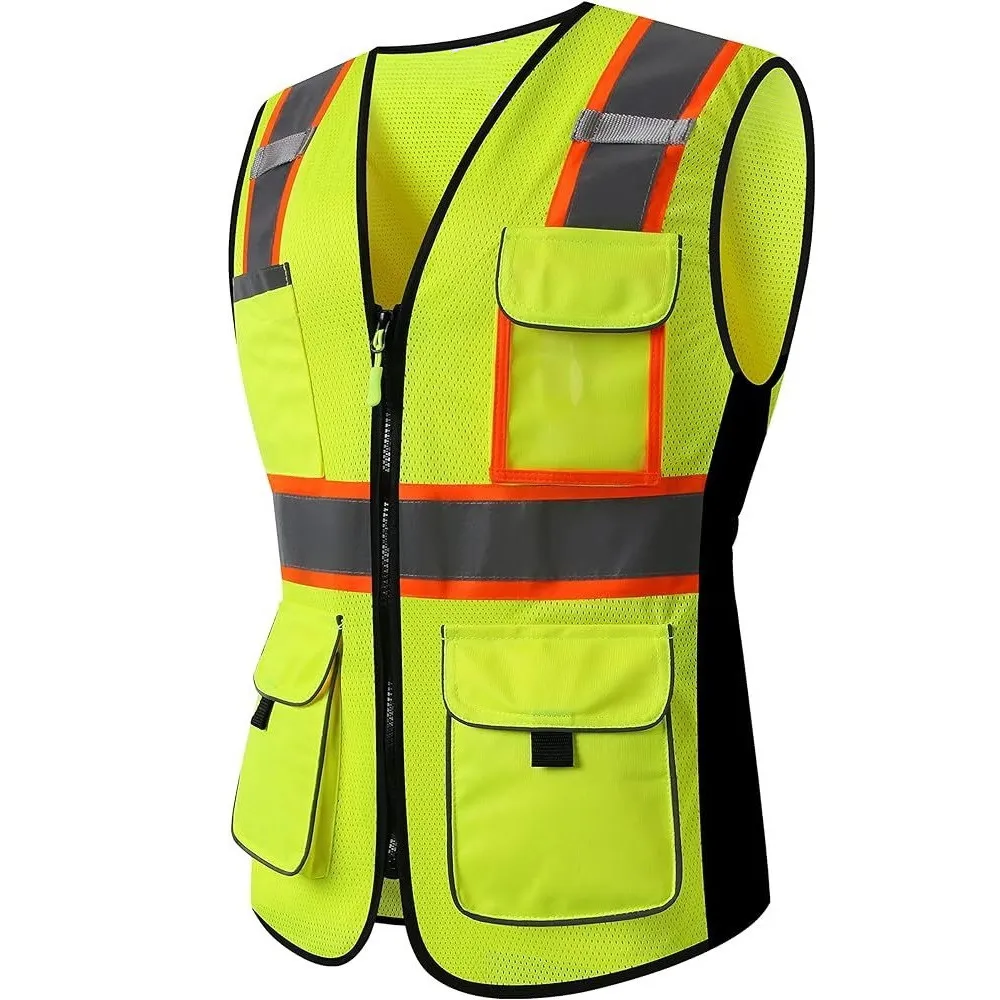
Get a Custom FR Clothing Quote from VisonSafety
This list outlines the top four core washing rules to preserve protection and support compliance:
- Always read and adhere to the garment care label and manufacturer’s instructions before laundering.
- Wash FR garments separately from regular laundry to prevent contamination and residue buildup.
- Use mild, non-ionic, FR-safe laundry detergents, and strictly avoid oxidizing agents or fabric softeners.
- Select appropriate water temperatures and gentle wash cycles to effectively remove soil while preserving fiber integrity.
These foundational rules will help you interpret care labels and determine wash parameters that prevent accidental damage and maintain certification. Understanding label language directly leads to knowing how to read care symbols and when to seek guidance from suppliers.
How Do You Read and Understand FR Clothing Care Labels and Symbols?
Care labels on FR garments provide crucial information about permitted wash temperatures, drying methods, and prohibitions that directly impact protective performance. Correctly interpreting these labels guides safe laundering choices. Labels typically specify the maximum water temperature, indicate whether bleach is prohibited, outline tumble-dry instructions, and note any dry-cleaning restrictions. Following these instructions preserves the manufacturer’s performance assumptions and provides essential evidence for compliance. If a label is unclear—for instance, suggesting a “gentle cycle” without a specific temperature—consult the garment supplier or procurement documentation for recommended wash specifications to avoid voiding warranties or certifications. Labels for inherently FR fabrics (like meta-aramids) might permit more vigorous mechanical action than treated cotton blends, so always prioritize the specific label instructions over general advice. Clear label interpretation eliminates guesswork and prevents practices that could accelerate chemical or mechanical degradation.
Why Is Separating FR Clothing from Regular Laundry Crucial?
Separating FR clothing is essential to prevent the transfer of residues or additives from non-FR garments, which can diminish flame resistance or create flammable films. Cross-contamination is a frequent cause of degraded performance. Fabric softeners, bleach residues, scented detergents, or starches found in regular laundry can adhere to FR fibers, altering their thermal behavior or arc rating. Therefore, separation is key to preserving both safety and traceability. For fleet operations, implement color-coded or tagged bags, batch labels, and documented handling procedures to keep FR loads distinct from general laundry and to facilitate audits. Separation is equally important for home laundering: wash FR garments by themselves or only with other FR items, and ensure thorough rinsing to remove any soil or product residues. Effective separation minimizes liability and simplifies inspection protocols for employers and safety managers.
What Is the Optimal Water Temperature for Washing FR Garments?
The optimal water temperature strikes a balance between effective cleaning and minimizing chemical and mechanical stress on the fibers. Warm water, around 140°F (60°C), is effective at removing oils and soils and can aid sanitizer action if care labels permit. Warm washes enhance the removal of hydrocarbons and heavy soils common in industrial environments, which otherwise pose an increased ignition risk. However, some treated cotton blends and specific trims may be sensitive to prolonged high temperatures, so always adhere to the maximum temperature indicated on the care label. If a garment cannot withstand 140°F (60°C), reduce the temperature and compensate with a longer wash cycle, increased detergent contact, or pre-soak steps using FR-safe chemistry to maintain cleanliness without compromising protection. Clear documentation of the chosen temperature, cycle length, and detergent used supports compliance and aids in determining replacement intervals based on wash counts and observed wear.
Which Wash Cycles Are Best for Flame Resistant Clothing?
Recommended wash cycles focus on effective soil removal with moderate mechanical action to limit abrasion and stress on seams, while still dislodging contaminants. Normal or gentle cycles are typically preferred, depending on the fabric type. While mechanical action aids cleaning, it also contributes to fiber abrasion. Therefore, avoid high-agitation or heavy-duty cycles for delicate FR finishes, and utilize extra rinse options when dealing with residues. Load size is also important: avoid overloading the washer, as proper water circulation and soil suspension improve cleaning efficiency and reduce repeated mechanical rubbing. For industrial laundry equivalents, document cycle parameters (RPMs, agitation patterns, dwell times) so procurement teams and auditors can verify conformance and replicate performance across different laundry facilities.
How to Select the Best Detergent for FR Clothing to Preserve Flame Resistance?
Choosing the best detergent for FR clothing involves selecting formulations that effectively remove soils without leaving residues or chemically damaging fiber finishes. Non-ionic liquid detergents are widely recommended for their balanced performance. Non-ionic detergents work by reducing surface tension and lifting soils into solution without the charged residues often left by some ionic detergents, thus helping to preserve FR treatments and the inherent structure of the fibers. Procurement teams should prioritize mild, fragrance-free, dye-free liquid detergents specifically labeled as FR-safe and request technical data sheets confirming the absence of oxidizers or optical brighteners. Understanding detergent chemistry empowers buyers to avoid products containing enzymes formulated for animal fats, chlorine-based oxidizers, or cationic softeners that can compromise flame resistance.
This table compares common detergent formats and their ionic types to guide selection for FR fabric compatibility.
| Detergent Format | Ionic Type | Compatibility with FR Fabrics | Practical Impact |
|---|---|---|---|
| Liquid | Non-ionic | High — minimal residue, safe for treated and inherent FR | Ideal for FR-safe laundry programs |
| Powder | Often ionic | Variable — may contain fillers/brighteners that leave residue | Use only if proven FR-compatible |
| Pods | Mixed | Risky — concentrated formulations may include additives | Avoid unless explicitly labeled FR-safe |
| Industrial concentrated liquids | Non-ionic/controlled | High when formulated for industrial FR laundering | Preferred for fleet programs with robust QA control |
Selecting the appropriate detergent significantly reduces the risk of irreversible damage and supports predictable garment lifespan. Next, we’ll explore specific detergent ingredients and additives to avoid to prevent FR degradation.
What Are Mild, Non-Ionic Detergents and Why Are They Recommended?
Mild, non-ionic detergents are composed of molecules without a net electrical charge. They clean by emulsifying oils and suspending soils, leaving minimal ionic residue on fibers, which helps preserve FR finishes and inherent material strength. Their cleaning mechanism minimizes interaction with flame-retardant chemistries and avoids depositing surfactant films that could alter thermal behavior. This makes them particularly suitable for treated cotton blends and meta-aramid fabrics. For procurement purposes, specify fragrance-free, dye-free formulations and request technical data sheets from suppliers that confirm the presence of non-ionic surfactants and the absence of oxidizers. Using non-ionic detergents promotes consistent wash-to-wash performance and aligns with best practices for maintaining NFPA-relevant protective properties.
Which Detergents and Additives Should You Avoid on FR Clothing?
Avoid detergents and additives containing chlorine or oxidative bleach, fabric softeners, starches, certain enzymes formulated for animal fats, and solvent-based products like DEET. These substances can remain on fibers, increasing flammability or reducing arc ratings. Chlorine bleach causes oxidative degradation of many FR fibers and finishes, softeners coat fibers with flammable films, and starch alters thermal properties—each mechanism compromises protective performance. If accidental exposure occurs, follow remediation steps such as repeated FR-safe rinses and consult with the supplier to determine if the garment’s service life has been affected. Strict avoidance preserves certification assumptions and reduces safety risks for workers relying on their protective apparel.
Why Is Bleach Harmful to Flame Resistant Fabrics?
Chlorine and other oxidative bleaches break chemical bonds within fiber polymers and FR finishes. This leads to weakened fibers, a loss of tensile strength, and visible discoloration that signals a reduction in protective properties. The oxidative mechanism alters the polymer structure in meta-aramids and treated cotton blends, diminishing thermal stability and arc resistance, and potentially voiding manufacturer performance claims. Visual indicators include localized fading, stiffness, or fiber fuzzing—these are signs that garments should be retired or sent for testing. Safe alternatives for whitening include oxygen-based, non-oxidative detergents, formulated and verified as FR-compatible under supplier guidance.
What Are the Dangers of Fabric Softeners, Starch, and DEET on FR Garments?
Fabric softeners deposit thin polymer or oil films on fiber surfaces, which can increase flame spread or reduce arc flash performance. Starch adds combustible material, and DEET and similar oils leave hydrophobic residues that attract and retain flammable contaminants. These residues alter heat transfer through the fabric and can diminish the effectiveness of engineered FR finishes or inherent fibers during thermal exposure. Prevention requires strict prohibition of these additives in FR laundry protocols and immediate remediation—multiple FR-safe rinses and thorough inspection—if accidental exposure occurs. Documenting the incident, quarantining the garment, and consulting the supplier are necessary steps to determine appropriate repair, re-testing, or retirement actions.
After detailing detergent selection and additives to avoid, it’s crucial for organizations to standardize procurement specifications and labeling to ensure consistent use of FR-safe detergents in both home and industrial laundering operations. VisonSafety offers OEM & ODM services and guidance on labeling recommendations, and can collaborate with buyers to specify FR-safe detergents and custom care-label instructions for bespoke orders.
What Are the Best Practices for Washing FR Workwear at Home and in Industrial Settings?
Best practices for home laundering and industrial operations differ, but they share a common objective: to remove soils and contaminants without compromising FR performance through controlled chemistry, temperature, and handling. Home laundering emphasizes separation, correct detergent dosage, appropriate temperature, and inspection. Industrial laundering incorporates batch tracking, precise chemistry control, and quality assurance testing to support large fleets. Documented procedures, comprehensive training, and verification processes ensure consistent outcomes that preserve protective properties. Decision trees for heavily contaminated garments help determine whether to escalate to professional degreasing or dry cleaning. These operational distinctions guide immediate user actions and corporate procurement of laundry services.
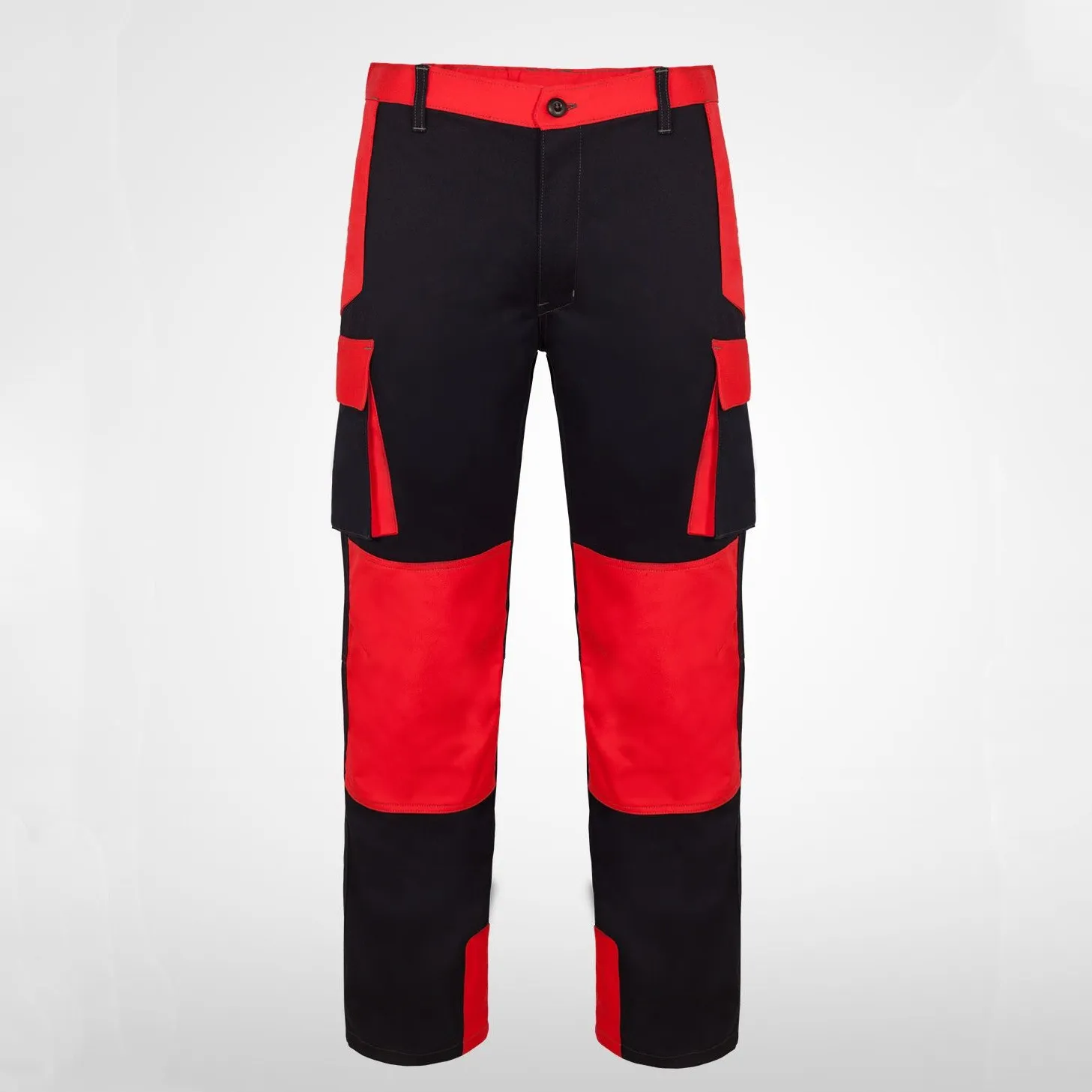
Get a Custom FR Clothing Quote from VisonSafety
The following table compares home and industrial laundering specifications to help readers quickly select the correct process for their situation.
| Parameter | Home Laundering Specification | Industrial Laundering Specification |
|---|---|---|
| Water Temperature | 40–60°C (dependent on label) | Up to 60°C with monitored cycles |
| Cycle Type | Normal/gentle, with an extra rinse | Controlled cycles, documented agitation |
| Load Separation | FR garments only | Batch separation and tagging |
| Additives | Non-ionic liquid detergent exclusively | Controlled FR-safe chemistries, no softeners |
| QA | Visual inspection post-wash | Batch testing, traceability, QC checks |
How to Properly Launder FR Clothing at Home: A Step-by-Step Guide
Home laundering of FR clothing is a viable option for light-to-moderate soils when following a disciplined sequence: separate loads, pre-treat stains using FR-safe methods, use a non-ionic liquid detergent, set the appropriate temperature, and inspect garments after drying. Always pre-treat stains on an inconspicuous area first to confirm compatibility. Use warm water near 60°C only if the care label permits; otherwise, opt for cooler water with a longer soak time. Dry on a low heat setting or line-dry according to label instructions, and meticulously inspect seams, trims, and reflective elements for any damage before returning garments to service. Home laundering is not suitable for heavy hydrocarbon contamination—such garments should be sent for industrial laundering for professional degreasing and quality assurance.
This numbered checklist provides a summary for a printable at-home workflow:
- Separate FR garments into a dedicated FR-only load.
- Pre-treat stains using FR-safe spot cleaners, always testing first.
- Wash with a mild, non-ionic liquid detergent at the temperature specified on the label.
- Rinse thoroughly, utilizing an extra rinse cycle if available.
- Dry on a low heat setting or line-dry, and inspect carefully before reuse.
Adhering to this checklist helps minimize accidental damage and supports consistent household maintenance of FR items.
What Are Industrial Laundering Best Practices for FR Apparel?
Industrial laundering facilities should implement documented wash parameters, robust batch tracking, precise chemistry control, and thorough quality assurance checks to maintain consistent FR performance across large fleets of garments. Key elements include validated wash recipes (specifying temperature, cycle time, and chemical concentrations), barcode or tag-based traceability systems, periodic batch testing of sample garments, and audit-ready records for compliance purposes. Contract launderers must strictly avoid prohibited additives, manage contaminated loads separately, and provide spec sheets detailing how they meet NFPA-relevant laundering requirements. Procurement teams should regularly audit and test industrial partners to confirm process control and consistent outcomes for protective apparel.
Industrial best practices significantly reduce variability and provide employers with verifiable evidence that garments have been laundered according to specifications, which is crucial for maintaining certification and planning for garment lifecycles. When heavy grease or hydrocarbon contamination is present, industrial methods for removal become essential.
How Does Industrial Washing Remove Heavy Grease and Contaminants Safely?
Industrial washing effectively removes heavy grease through a process involving pre-soaking, mechanical emulsification, and controlled wash chemistries specifically formulated to lift hydrocarbons without damaging FR finishes. Specialized degreasers are applied during a timed pre-wash phase and neutralized before the main wash cycle. Decision criteria for using these methods include the level of contamination, persistence of odor, and presence of flammable residue. Very heavy hydrocarbon exposure may necessitate professional solvent processing or dry-cleaning-equivalent services managed under strict safety protocols. Documentation must meticulously record the steps taken, chemicals used, and post-wash inspection results to verify that garments are safe for return to service. Safe removal of heavy contaminants requires a coordinated approach involving precise chemistry, effective mechanical action, and rigorous QA testing to confirm the absence of any residual flammable deposits.
VisonSafety can provide expert consultation on industrial laundering specifications and quality assurance for bulk orders, offering guidance to procurement teams on wash recipes, batch testing protocols, and industrial audit checklists.
How Should You Dry and Finish FR Clothing to Maintain Protective Properties?
Drying and finishing are critical steps that preserve fit and protect fabric integrity. Selecting the appropriate drying method prevents thermal or mechanical damage that could reduce flame resistance and garment lifespan. Controlled low-heat tumble drying minimizes moisture while limiting heat stress, whereas line drying reduces thermal exposure but may extend turnaround time. Both approaches can be suitable depending on fabric type and operational requirements. Over-drying can lead to fiber brittleness and loss of strength, while improper ironing or the application of non-FR trims can cause melting or compromise protection. Balanced finishing choices maintain fit and cleanliness while minimizing any treatments that could alter thermal performance.
- Tumble-dry low: offers controlled drying with moderate heat, ensuring a faster turnaround.
- Line-dry: provides minimal heat stress and reduced mechanical action, ideal for extending fabric life, though turnaround may be longer.
- Over-drying: leads to brittle fibers and diminished tensile strength, compromising garment integrity.
The following subsections detail recommended dryer temperatures, the advantages of line drying, indicators of over-drying damage, and safe ironing and storage practices.
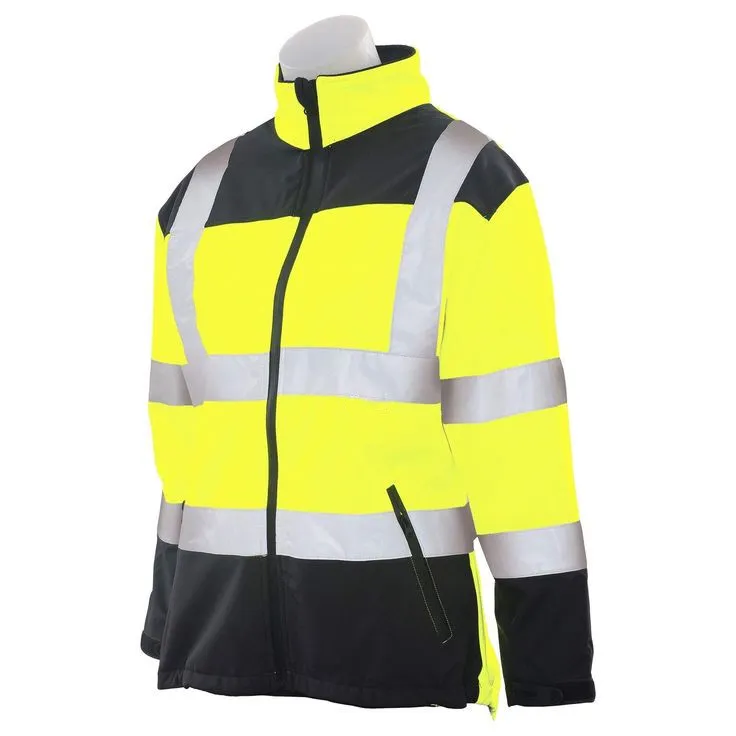
Get a Custom FR Clothing Quote from VisonSafety
Why Is Low Heat Tumble Drying Recommended for FR Garments?
Low heat tumble drying is recommended because it removes moisture in a controlled environment, minimizing prolonged high-temperature exposure that can stress fibers while maintaining practical turnaround times for many organizations. Excessive dryer temperatures accelerate thermal aging and can cause shrinkage or stiffness in both treated and inherent FR fabrics. Therefore, set dryer controls to the lowest effective setting and periodically validate dryer temperatures. In industrial settings, utilize monitoring devices to confirm that dryer zones do not exceed labeled temperatures and document these settings for QA records. Controlled tumble drying effectively balances operational efficiency with the preservation of material integrity.
What Are the Benefits of Line Drying FR Clothing?
Line drying completely eliminates heat exposure and minimizes mechanical abrasion from tumbling, which collectively reduces cumulative damage and extends fabric life, particularly for delicate treated blends or garments with specialized trims. The primary trade-off is a slower turnaround time and potential for environmental contamination if outdoor lines are used; indoor, covered line-drying is generally preferable for fleet operations. Where space or weather conditions are limiting, hybrid approaches—such as low-heat tumble drying to a damp state followed by line finishing—can mitigate risk while meeting scheduling demands. Line drying is a valuable option for garments nearing the end of their service life, where minimizing additional thermal stress is a priority.
How Can Over-Drying Damage Flame Resistant Fabrics?
Over-drying accelerates polymer embrittlement, weakens fibers, and can alter fabric hand and fit, thereby compromising both comfort and protective function. Visible signs include increased stiffness, surface cracking, or shrinkage. These physical changes correlate with reduced tensile strength and altered thermal performance under exposure to heat or arc. Prevent over-drying by setting shorter dryer cycles, using moisture sensors where available, and performing post-dry inspections for tactile changes. Early detection through diligent inspection and documentation minimizes the number of garments that reach an irreparable condition.
What Are Safe Ironing and Storage Tips for FR Apparel?
Safe ironing involves using low-temperature settings, avoiding direct contact with reflective trims and custom logos that may melt, and employing pressing cloths when necessary to protect finishes. Always consult the care label for specific ironing recommendations before applying heat. Storage should ensure garments remain clean, dry, and segregated from non-FR items and potential contaminants. Utilize sealed containers, labeled racks, or tagged bags for fleet management. Avoid storing FR clothing near solvents, fuels, or insect repellents like DEET, as these can deposit oils on fabric surfaces. Clear storage and handling protocols contribute to longer garment life and simplify auditing for compliance.
How Do You Effectively Remove Stains from FR Clothing Without Damaging Protection?
Effective stain removal requires a thorough understanding of stain chemistry combined with FR-safe methods that avoid solvents or additives harmful to flame resistance. The primary goal is to eliminate soils while preserving fiber integrity and finishes. Safe pre-treatment begins with spot-testing, using non-ionic, FR-compatible products, and strictly avoiding chlorinated solvents or petroleum-based spot removers unless explicitly approved by the supplier. For oil, grease, or flammable residues, staged degreasing and industrial laundering are often necessary. Procedural documentation and post-cleaning inspection are essential to confirm the garment is safe for return to service. The following matrix provides quick-reference guidance for common stain types and appropriate treatment decisions.
| Stain Type | Safe Pre-Treatment | When to Consider Professional Cleaning |
|---|---|---|
| Water-based (mud, food) | Non-ionic detergent spot-test, warm water soak | Rarely necessary |
| Oil/grease/hydrocarbon | FR-safe degreaser, pre-soak, industrial wash | When home methods fail or residue persists |
| Solvent-based (paints) | Avoid DIY solvents; consult supplier | Utilize controlled professional solvent processing |
| Ink/dye transfer | Enzyme-free spot cleaners, test first | Consider professional service if stain is persistent |
What Are Safe Pre-Treatment Methods for Stains on FR Garments?
Safe pre-treatment involves using FR-friendly spot cleaners and controlled agitation after testing on an inconspicuous area, as even mild solvents can affect treated finishes and trims. Apply a small amount of non-ionic liquid detergent diluted in water for spot treatment, blot gently—do not rub—then rinse and launder according to label instructions. Repeated spot testing on seams and trim areas helps minimize risk. For unknown contaminants, quarantine the garment and consult industrial laundry resources to prevent home misuse of solvents that could leave flammable residues. A conservative, documented pre-treatment approach reduces the likelihood of inadvertently degrading protective properties.
How to Remove Oil, Grease, and Flammable Substance Stains from FR Clothing?
Removing oil and grease requires a pre-soak with FR-compatible degreasers followed by controlled industrial washing. Home methods may be effective for light soils, but heavy hydrocarbon contamination necessitates professional treatment. Employ pre-soak steps to emulsify oils, then proceed with a non-ionic detergent wash at the highest label-allowed temperature, followed by an extra rinse to remove residues. If odor or residue persists after laundering, do not return the garment to service. Instead, escalate to industrial solvent processing according to approved protocols and meticulously document all actions taken. Safety precautions include isolating contaminated garments and avoiding open flames or ignition sources during handling.
When Is Dry Cleaning Recommended for FR Workwear?
Dry cleaning is recommended only when care labels explicitly authorize it and when solvent-based processing is required for contaminants that cannot be removed by aqueous methods. The choice of method depends on the solvent type and supplier guidance. It’s crucial to remember that some dry-cleaning solvents can be detrimental to FR finishes. Therefore, always verify solvent compatibility with the garment manufacturer and require documentation of the solvent type and process controls from the cleaning facility. For fleet programs, partner with contract cleaners who can provide quality assurance evidence that their solvent processes are safe for FR garments and maintain traceability. When in doubt, consult the manufacturer or a procurement advisor to determine the safest cleaning path.
When Should You Repair or Retire FR Clothing to Ensure Worker Safety?
Decisions regarding repair or retirement are based on visible and structural defects that compromise protection. Clear inspection criteria and documented thresholds are essential to safeguard workers and maintain compliance. A conservative approach dictates that garments with compromised seams, significant tears, chemical degradation, or extensive abrasion should be removed from service or repaired exclusively using certified FR materials and methods. Repair processes must preserve FR properties; otherwise, replacement is mandatory. Maintaining detailed repair logs and retirement records supports audit readiness and helps quantify replacement cycles for effective procurement planning.
- Excessive wear or thinning of fabric in high-stress areas.
- Presence of holes, exposed insulation, or compromised seam integrity.
- Chemical degradation indicated by stiffness, cracking, or unusual discoloration.
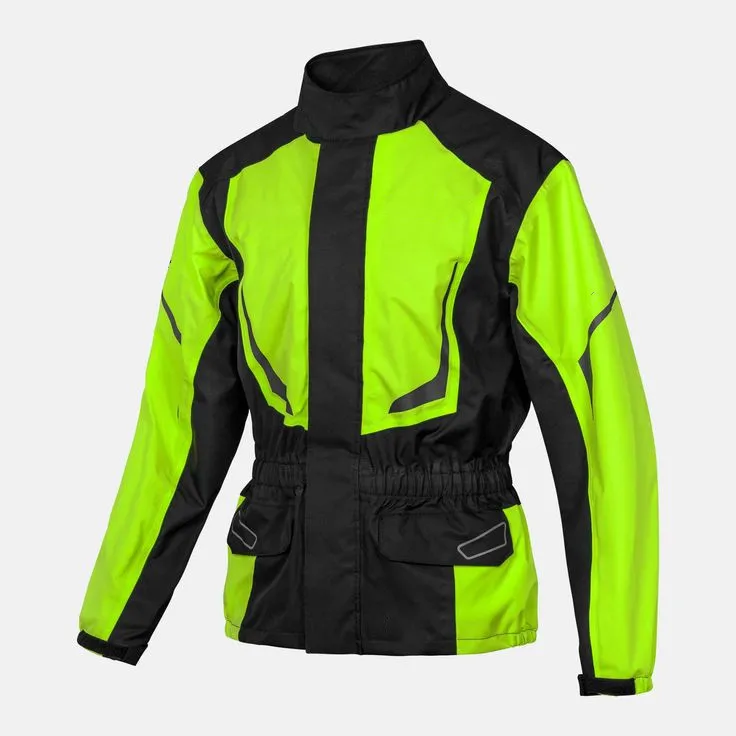
Get a Custom FR Clothing Quote from VisonSafety
What Are the Signs That FR Garments Need Repair or Replacement?
Indications include visible tears, exposed seam stitching, loss of fabric loft, discoloration consistent with chemical attack, and compromised trims or reflective elements. Tactile checks for brittleness also provide valuable information. Document each defect with photographs and logs that include the number of wash cycles, laundering history, and any contamination incidents to support repair or retirement decisions. Minor repairs, such as stitch reinforcement, may be acceptable if performed with FR-certified thread and materials, and this work should be recorded in the garment’s traceability file. Clear inspection criteria reduce subjective judgment and help organizations maintain consistent safety standards.
How Does Proper Repair Maintain FR Compliance and Protection?
Proper repair involves using FR-rated materials, adhering to manufacturer or certified repair-shop procedures, and conducting post-repair testing or inspection to confirm that the repair did not introduce non-FR components or weaken protective zones. Repairs that add non-FR trims, adhesives, or decorative elements can void protection and should be avoided. Instead, use approved FR patches and threads, and update labeling to reflect the repair history. Traceability—linking fabric batch numbers, repair records, and laundering history—enables employers to demonstrate ongoing maintenance consistent with compliance expectations. When repairs cannot restore original performance, the garment must be replaced.
What Are the Safety Risks of Using Damaged FR Clothing?
Using damaged FR clothing increases the likelihood of rapid heat transfer, fabric rupture, or exacerbated burn and arc injuries because the engineered resistance is compromised, altering ignition pathways. In severe cases, damaged garments may fail to self-extinguish or could lead to second-degree or worse burns that properly functioning FR apparel would have mitigated. Employers bear regulatory and liability responsibilities to maintain protective performance; therefore, rigorous inspection, repair protocols, and retirement thresholds are critical for worker safety and organizational compliance.
How Does Proper Washing Maintain NFPA 2112 and Other FR Clothing Certifications?
Proper washing preserves the performance assumptions underlying NFPA 2112 and NFPA 70E certifications by maintaining fiber integrity, FR finishes, and label-specified conditions that support certification claims. Certifications assume garments are used and maintained according to manufacturer instructions; improper laundering—such as using bleach, fabric softeners, or incompatible solvents—can invalidate these assumptions. Documented laundering protocols, batch tracking, and periodic testing create an audit trail demonstrating ongoing compliance and supporting employer duty-of-care obligations. The following subsections explain the importance of compliance, how washing impacts longevity, and how specific QA standards formalize records and testing.
Why Is Compliance with NFPA 2112 and NFPA 70E Critical for FR Clothing Care?
Compliance with NFPA 2112 and NFPA 70E is critical because these standards establish industry benchmarks for thermal protection and electrical arc safety. Employers must ensure garments perform as intended through correct maintenance and laundering practices. Improper care can invalidate manufacturer performance claims and expose organizations to regulatory and liability risks if a garment fails during use. Maintaining records of laundering parameters, wash counts, and inspection results helps employers demonstrate reasonable maintenance and audit readiness. Upholding compliance supports worker safety and aligns procurement and operational processes with recognized safety frameworks.
How Does Washing Affect the Longevity and Certification of FR Apparel?
Washing impacts longevity through mechanical abrasion and chemical exposure, which gradually reduce tensile strength, alter fiber chemistry, and wear away finishes. Tracking the number of wash cycles and observable degradation provides metrics for replacement decisions. Mechanical degradation results from agitation and abrasion, while chemical degradation is driven by oxidizers, solvents, and certain surfactants that break polymer chains or strip FR treatments. Recommended monitoring includes wash-count logs, periodic sample testing, and visual/tactile inspections—these metrics help predict remaining useful life and ensure certified performance is maintained. Effective tracking transforms laundering practices into valuable procurement intelligence that optimizes total cost of ownership.
What Are VisonSafety’s Quality Assurance Standards for FR Clothing Care?
VisonSafety supports compliance through documented quality assurance measures tailored to industrial needs: 100 percent fabric batch testing, comprehensive quality control, traceable material records, and operations within an ISO 9001 certified facility. These practices generate verifiable documentation for B2B clients. Our QA standards enable purchasers and safety managers to receive garments with material traceability and testing evidence, simplifying audit responses and supporting laundering specifications. For clients requiring custom labeling, trims, or laundering guidance, VisonSafety offers OEM and ODM capabilities to specify care-label text and packaging that reinforce proper maintenance. Organizations can request technical documentation and laundering spec sheets to integrate into their compliance and procurement workflows.
For B2B readers seeking samples, custom quotes, or laundering spec sheets, VisonSafety’s production processes include rapid sampling (5-10 days) and flexible logistic options designed to reduce total costs. DDP shipping is available, which can lower logistics expenses for bulk orders while maintaining traceability and QA documentation. This comprehensive support assists procurement teams in implementing laundering programs that align with NFPA expectations and organizational safety objectives.
 English
 Deutsch
 Français
 Polski
 Português do Brasil
 Español
 日本語
日本語 Русский
 العربية
 Italiano
 Nederlands
 Türkçe
 한국어
한국어