
Hi-vis shirts keep workers visible on the job, but dirt and stains can quickly reduce their effectiveness. Knowing how to clean these garments the right way preserves visibility, fabric life and reflective performance. This guide walks you through proven stain-removal steps, fabric-specific care, what safety certifications mean for cleaning, the benefits of industrial laundry, and how to protect the condition of your hi vis shirts.
How to Remove Grease and Oil Stains from Hi-Vis Shirts
Grease and oil are among the toughest stains on hi-vis gear. The best results come from acting quickly, using degreasing cleaners and following fabric care instructions so you remove the stain without harming the garment. Pre-treatment and the right wash method are key to keeping fabric and reflective elements intact.
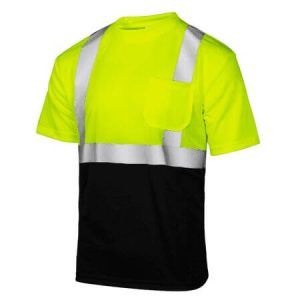
Get a Custom Hi-Vis Shirt Quote from VisonSafety
Which Detergents Work Best for Cleaning Grease on Safety Shirts?
Not all detergents tackle grease the same way. Enzyme cleaners excel at protein-based stains but are less effective on oil. For grease, choose detergents formulated to cut oil and break surface tension. Common effective options include:
- Detergents with surfactants and degreasers: Formulations that dissolve and lift oil are the most reliable for hi-vis shirts.
- Heavy-duty liquid detergents: Designed for tough, oily soils, these penetrate fibers to release grease.
- Stain remover sprays: A targeted pre-treatment spray for oil can make a big difference before laundering.
Picking the right cleaner helps remove grease while protecting fabric and reflective trims.
How to Use Temperature and Cleaning Agents for Optimal Stain Removal
Water temperature affects how well detergents work, but always check the garment label and reflective tape guidelines first. Follow these basic rules:
- Use warm water for cotton fabrics: Warm water helps dissolve oil in cotton hi-vis shirts and improves detergent performance.
- Cold or warm water for synthetic fabrics: Polyester blends respond better to cold or warm water—hot water can warp synthetic fibers or damage trims.
- Combine heat and detergent appropriately: Match water temperature to the fabric and use a grease-cutting detergent for best results.
Understanding temperature plus the right cleaning agent improves stain removal without compromising garment performance.
Caring for Different Hi-Vis Fabric Types
Hi-vis shirts are made from different fibers and blends, and each needs slightly different care to preserve durability and visibility. Follow fabric-specific instructions to keep garments performing and looking their best.
Care Instructions for Polyester and Cotton Blend Hi-Vis Shirts
Polyester/cotton blends are common because they balance comfort and durability. Basic care steps include:
- Washing: Use a gentle cycle with cold or warm water to prevent shrinking and color loss.
- Drying: Air drying is ideal; if you use a dryer, choose a low-heat setting to protect fibers and trims.
- Ironing: If ironing is needed, set the iron low and avoid ironing directly over reflective tape.
Following these simple practices helps maintain both fabric integrity and high-visibility features.
How to Preserve Fabric Durability and Color During Cleaning
Small choices in detergent and drying add years to your hi-vis shirts. Keep these tips in mind:
- Avoid harsh chemicals: Bleach and aggressive solvents can weaken fabric and degrade reflective properties.
- Use color-safe detergents: Detergents formulated to protect color help retain brightness without sacrificing cleaning power.
- Limit sun exposure: Dry shirts in the shade when possible—prolonged sun can fade fluorescent colors.
Taken together, these steps help your hi-vis shirts stay durable and visible longer.
Which Safety Apparel Certifications Affect Hi-Vis Shirt Cleaning?
Safety standards influence how hi-vis garments should be cared for. Knowing the relevant certifications ensures cleaning methods don’t reduce a shirt’s protective performance.
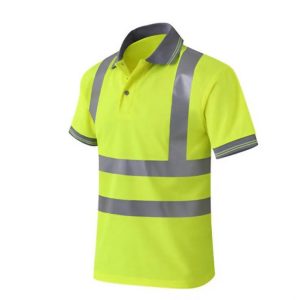
Get a Custom Hi-Vis Shirt Quote from VisonSafety
How Do ANSI/ISEA and EN ISO Standards Influence Cleaning Practices?
ANSI/ISEA (American National Standard for High-Visibility Safety Apparel) and EN ISO (European standard for high-visibility clothing) set expectations for how hi-vis apparel performs and is maintained. They affect cleaning by:
- Defining cleaning protocols: Standards include recommendations to preserve color, fabric strength and retroreflective durability.
- Recommending testing: Regular checks of color retention and retroreflective performance after laundering help confirm garments still meet requirements.
Following these guidelines ensures cleaned garments continue to meet safety expectations in the field.
Why Is Compliance Important for Industrial Safety Apparel Maintenance?
Maintaining compliance matters for safety, legal and quality reasons:
- Risk mitigation: Properly maintained hi-vis apparel reduces the chance of visibility-related incidents.
- Legal obligations: Many workplaces must follow safety standards—proper cleaning is part of that compliance.
- Quality assurance: Routine maintenance and testing ensure garments perform as designed.
Staying compliant protects workers and helps organizations meet their safety responsibilities.
How Can Industrial Laundry Services Enhance Hi-Vis Shirt Cleaning?
Industrial laundry services specialize in cleaning programs for safety apparel. They can help extend garment life, maintain compliance and remove tough soils without damaging materials.
What Are the Advantages of Professional Industrial Laundry Solutions?
Outsourcing to a professional laundry offers clear benefits:
- Expertise in stain removal: Professionals use tested methods to remove heavy soils while protecting fabrics and reflective components.
- Quality control: Industrial laundries implement checks to ensure garments are cleaned to required standards and remain compliant.
- Time efficiency: Outsourcing saves internal resources and keeps teams focused on core work.
For organizations that rely on hi-vis gear, professional cleaning is often a cost-effective way to maintain safety and appearance.
How Do Custom Manufacturing and Cleaning Processes Integrate for B2B Clients?
When businesses order hi-vis garments in volume, combining custom manufacturing with tailored cleaning programs creates a smoother workflow. This integration delivers:
- Personalized solutions: Custom garments can be specified with cleaning and maintenance needs in mind.
- Streamlined processes: Coordinated manufacturing and laundry schedules reduce downtime and ensure ready-to-use inventory.
- Enhanced quality assurance: Tailored programs often include guarantees or testing to confirm ongoing safety performance.
This coordinated approach helps companies keep their workforce visible, compliant and productive.
 English
 Deutsch
 Français
 Polski
 Português do Brasil
 Español
 日本語
日本語 Русский
 العربية
 Italiano
 Nederlands
 Türkçe
 한국어
한국어