
The lifespan of flame-resistant (FR) clothing is determined by its protective effectiveness and structural integrity, indicating when a garment no longer offers acceptable safety or service value. This guide explains how long FR clothing lasts by examining fabric science, environmental wear, laundering impacts, inspection triggers, and certification implications. This allows safety managers to plan replacement cycles and manage total cost of ownership. Many buyers ask, “Does FR clothing expire?” or “How many washes does FR clothing last?” This article answers those questions with fabric-specific ranges, wash-count guidance, and inspection checklists tied to real-world conditions. You will learn how inherent versus treated FR fabrics perform over time, which workplace exposures accelerate degradation, and actionable maintenance practices that extend usable service life. The article maps factors influencing lifespan, a comparative lifespan table for common FR fabric types, practical washing and storage rules, criteria for retirement, certification implications, manufacturer quality controls, and an ROI framework for fleet management.
What Factors Influence the Lifespan of FR Clothing?
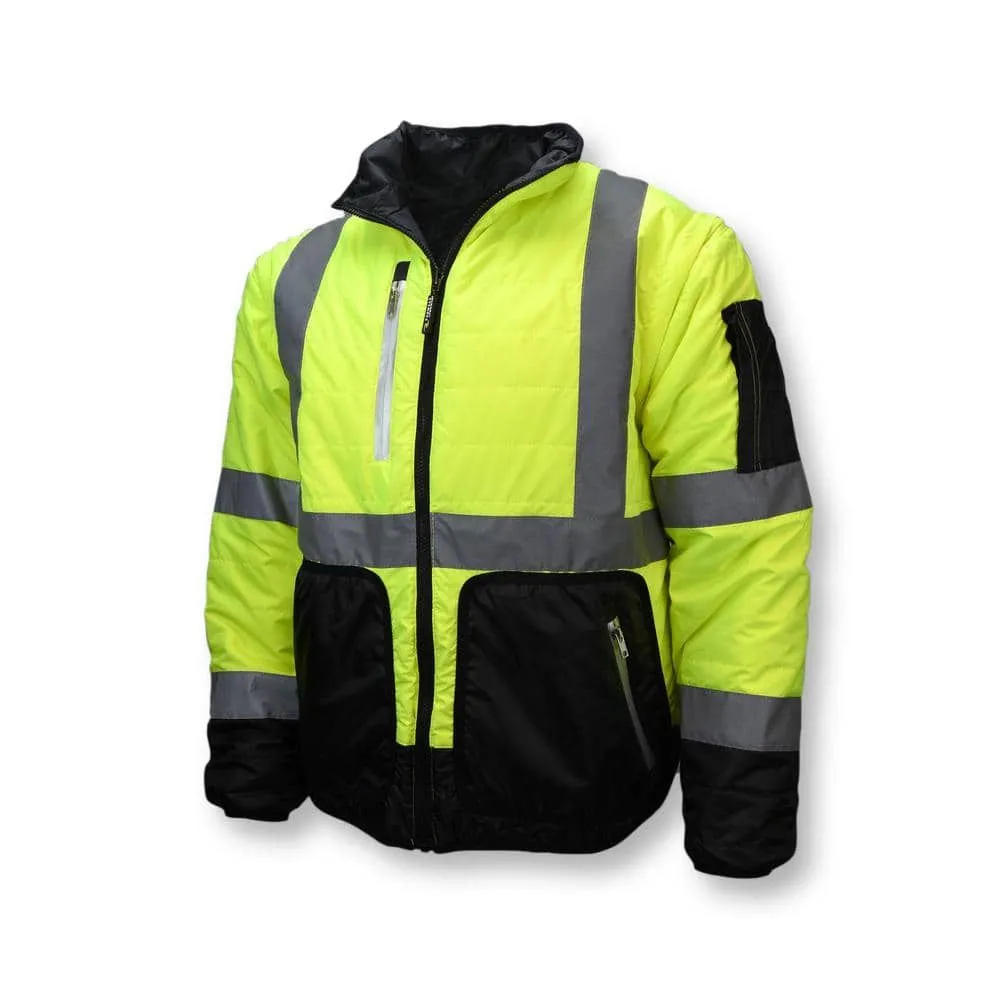
Get a Custom FR Clothing Quote from VisonSafety
The lifespan of FR clothing depends on three core dimensions: material-level flame performance, physical construction quality, and exposure history. These factors collectively determine the garment’s protective and service life. Materials provide flame resistance either inherently at the fiber level or through applied chemical treatments, and this chemistry explains why some garments retain protection longer than others. Construction quality—including seams, closures, and reinforcements—affects how long garments resist abrasion and maintain coverage. Workplace exposures such as heat, chemicals, and abrasive contact accelerate physical deterioration or contaminate the fabric. Understanding these interacting factors helps safety managers prioritize inherent FR for high-wear roles and adopt inspection and laundering regimes that preserve both flame performance and structural integrity.
The main drivers of wear combine material sensitivity and operational stressors, requiring matched maintenance plans to sustain service life. The next section examines how specific fabric categories affect longevity so buyers can align fabric choice with expected use patterns and procurement strategy.
The following list highlights the principal variables that shape FR lifespan for quick reference.
- Fabric chemistry and construction determine whether FR properties are permanent or wash-sensitive.
- Work environment exposures such as oil, chemicals, heat, and abrasion accelerate degradation.
- Use frequency and laundering cycles progressively reduce treated finishes and stress seams.
- Manufacturing quality and QC influence early failure risk and long-term consistency.
Taken together, these factors form the decision framework procurement teams use to select fabrics, inspection cadences, and laundering programs that match job risk profiles.
How Do Fabric Types Affect FR Clothing Durability?
Inherent FR fabrics incorporate flame resistance into the fiber, ensuring the protective mechanism remains intact despite washing. Treated FR fabrics, however, rely on a surface-applied chemistry that gradually diminishes with laundering and exposure. Inherent fibers such as meta-aramid and certain modacrylic blends resist thermal degradation at the fiber level, so the material retains flame resistance until physical wear compromises textile integrity. Treated cotton fabrics offer comfort and cost benefits but will lose FR performance after repeated wash cycles or exposure to damaging chemicals, making wash-count tracking essential. Choosing between inherent and treated options involves a trade-off between long-term durability and upfront cost or comfort, and this trade-off must align with the role’s expected abrasion, contamination, and laundering profile.
The next subsection explores how environmental exposures like oil fouling and heat cycles accelerate the practical end-of-life for any chosen fabric type.
What Role Does Work Environment Play in FR Garment Longevity?
Work environments that expose garments to abrasion, solvent contact, heat spikes, or sustained UV light shorten both protective function and physical service life. These hazards can remove treatments, embrittle fibers, or thin fabric through mechanical wear. For example, oilfield and heavy fabrication roles involve abrasive surfaces and hydrocarbon contamination that saturate fibers and make decontamination difficult, often triggering earlier replacement than standard laundering schedules indicate. Conversely, electrical maintenance roles with intermittent exposure but limited abrasive contact may preserve garment life longer if laundering and inspections are controlled. Recognizing environment-specific vectors helps safety managers set inspection thresholds and decide whether to select inherently flame-resistant fabrics or treated garments with planned shorter service cycles.
Understanding environmental impacts leads directly to how laundering frequency and method influence lifespan and when to track wash counts for lifecycle management.
How Does Frequency of Use and Washing Affect FR Clothing Lifespan?
Frequency of wear and laundering directly reduces treated FR effectiveness and contributes to seam and closure fatigue, which together define functional lifespan. Industrial laundering and wash-count tracking mitigate some risks by standardizing processes. Each wash cycle applies mechanical agitation, heat, and detergent chemistry that can strip applied FR finishes or stress stitched components, so garments used daily and laundered frequently will age faster than lightly used garments. Industrial laundering often offers controlled temperatures and validated detergents that minimize damage per cycle compared with unpredictable home washing, making formal laundering programs valuable for large fleets. Organizations should track wash counts per garment and couple those counts with regular formal inspections to determine replacement timing rather than relying on calendar age alone.
Tracking wash counts and exposure metrics sets the stage for estimating typical lifespans by fabric type, which the next section quantifies.
What Are the Typical Lifespans of Different FR Fabric Types?
This section defines typical wearable service-life ranges for inherent FR, treated FR, and common blends, explains the mechanisms behind those ranges, and provides procurement-oriented guidance for matching fabric choice to job demands. Lifespan ranges depend on use intensity, laundering frequency, and exposure, with inherent FR generally providing the longest service life and treated FR offering shorter but cost-effective protection in lower-risk applications. Buyers should interpret provided ranges as operational averages that assume recommended care and inspection regimes; actual life varies with abrasion, contamination, and laundering quality.
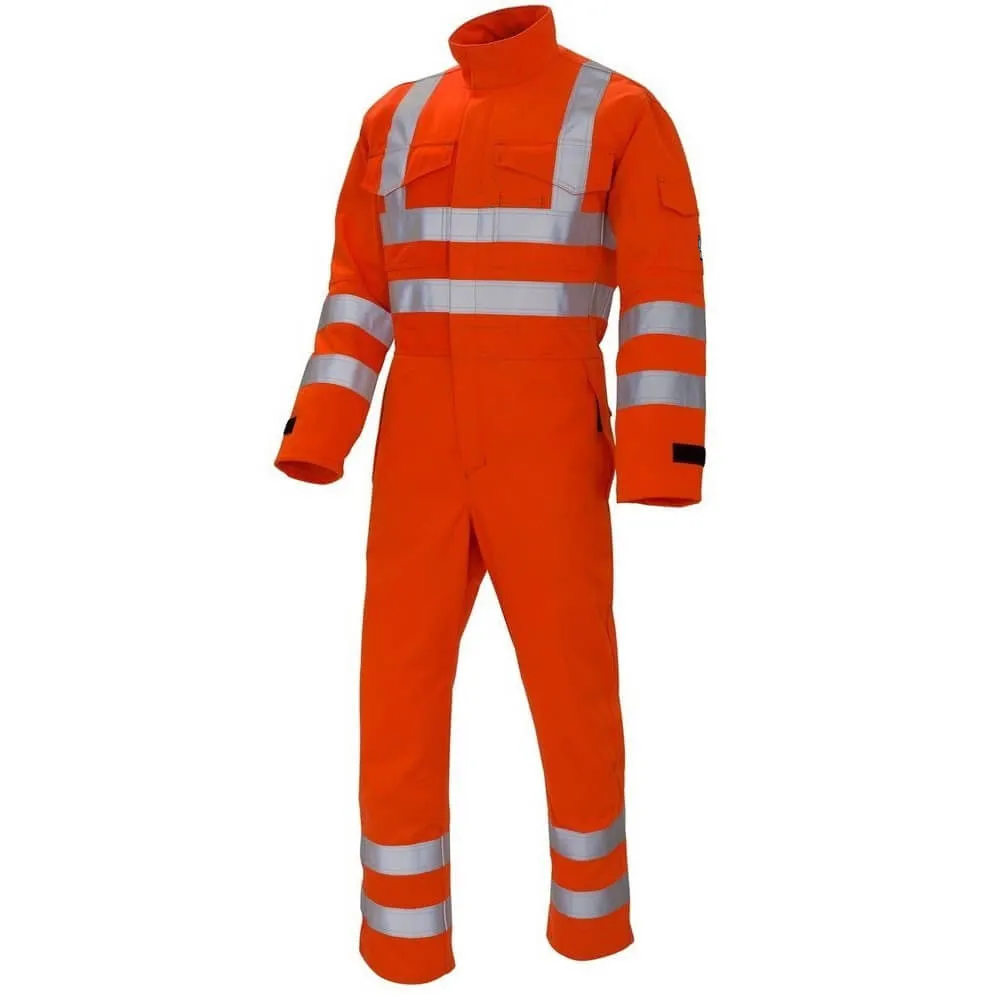
Get a Custom FR Clothing Quote from VisonSafety
Below is a practical comparison table showing expected lifespan ranges and wash-cycle tolerance for common FR fabric categories to support quick procurement decisions.
| Fabric Type | Typical Wearable Lifespan | Wash-Cycle Tolerance |
|---|---|---|
| Inherent FR (e.g., meta-aramid blends) | 3–5+ years under normal use | High — FR retained until physical wear |
| Treated FR (e.g., FR-treated cotton) | 12–36 months depending on use | Moderate — effectiveness declines with washes |
| Cotton-Nylon blends (treated or blended) | 18–30 months depending on construction | Moderate — blend-dependent sensitivity |
| Synthetic inherent blends (e.g., FR modacrylic blends) | 2.5–4+ years with proper care | High — retains FR at fiber level |
This comparison clarifies that inherent FR fabrics are preferable for high-wear, long-service applications, while treated options suit shorter lifecycles and lower intensity use.
How Long Does Inherent FR Fabric Last?
Inherent FR fabrics are engineered so flame resistance is a permanent fiber characteristic, meaning durability is primarily limited by physical wear rather than chemical loss of protection. Typical service lives for inherent FR range from roughly three to five years or more under moderate industrial use, with the primary retirement triggers being fabric thinning, seam failure, or catastrophic contamination events. Because the FR mechanism is fiber-integrated, laundering and approved detergents do not remove the protective chemistry, so inspection should focus on structural integrity and contamination rather than loss of FR chemistry. For high-abrasion or continuous-exposure roles, inherent FR offers the most reliable long-term protection and predictable replacement scheduling.
These longevity attributes make inherent FR a strong choice for roles where consistent protection across many wash cycles is essential and procurement planning requires predictable replacement cadences.
What Is the Lifespan of Treated FR Fabrics?
Treated FR fabrics depend on an applied chemical finish that provides flame resistance but gradually diminishes with washing, heat, and exposure to certain solvents or cleaning agents, so service life is commonly shorter than inherent alternatives. Typical real-world lifespans for treated FR garments fall in the 12–36 month window, depending on frequency of laundering and the type of contaminants encountered on the job. Because protection degrades progressively, tracking wash counts and scheduling performance testing or retreatment when available are necessary tactics for maintaining safety margins. Treated FR garments can be cost-effective for lower-risk duties or for temporary staffing, but teams must plan for more frequent replacement and stricter laundering controls than with inherent FR.
Understanding treated FR behavior explains why industrial laundering controls and documented wash counts are essential for maintaining compliant protection until scheduled retirement.
How Do Cotton, Cotton-Nylon, and Synthetic Blends Compare in FR Clothing Longevity?
Cotton-based FR garments, often treated, typically last 12–16 months in heavy-use scenarios due to faster loss of treatment and fiber wear, whereas cotton-nylon blends extend usable life into the 18–30 month range when construction quality is high. Synthetic inherent blends, which fold FR chemistry into the fiber, often reach 2.5–4+ years with appropriate care because both flame resistance and fabric strength are preserved longer. Trade-offs include comfort and breathability—cotton-rich garments score higher for comfort but usually require more frequent replacement, while synthetic inherent blends prioritize longevity and lower total cost of ownership for demanding applications. Selection should weigh worker comfort needs against expected laundering frequency and exposure to contaminants.
This comparative framing prepares procurement teams to balance upfront cost, comfort, and lifecycle replacement intervals when specifying uniforms or protective fleets.
How Can Proper Care and Maintenance Extend FR Clothing Durability?
Proper care preserves FR performance and structural life by minimizing chemical damage, mechanical abrasion, and contamination that accelerate retirement. Effective maintenance combines correct washing, controlled industrial laundering where feasible, and sound storage. Washing practices that avoid bleach and fabric softeners, use manufacturer-recommended detergents, and maintain moderate temperatures reduce the rate at which treated finishes degrade and slow seam and closure wear. Storage and handling—keeping garments away from sunlight, chemicals, and separating contaminated items—prevent latent damage and reduce the need for premature replacement. Implementing documented laundering and inspection programs, including wash-count tracking, turns maintenance into a lifecycle management tool that meaningfully extends usable service life and reduces total cost.
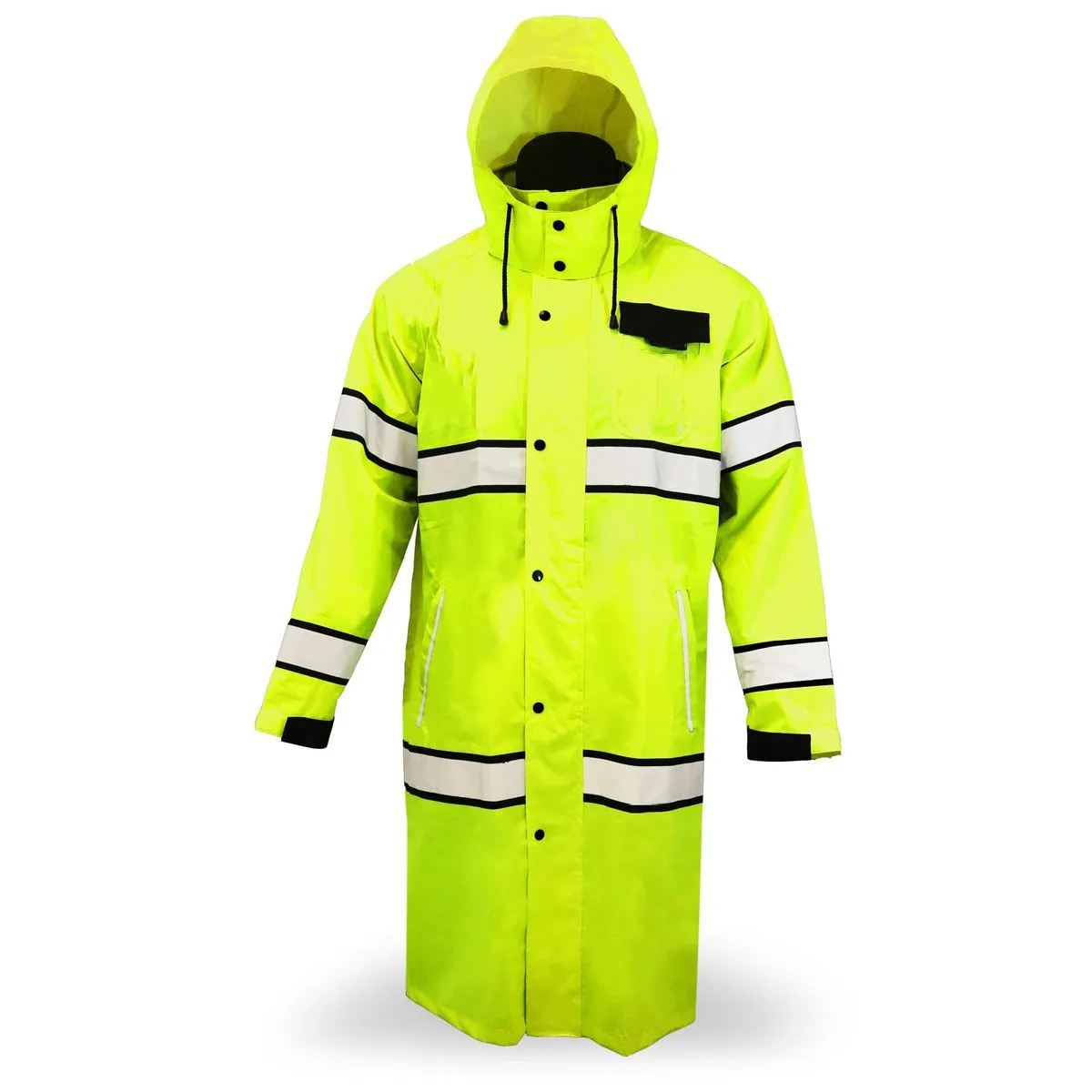
Get a Custom FR Clothing Quote from VisonSafety
The next content block lays out essential washing guidelines in list form and a table mapping care actions to recommended practices.
Below are essential washing guidelines every organization should enforce to preserve FR performance and garment structure.
- Use manufacturer-recommended detergents that are free of bleaching agents and optical brighteners.
- Avoid fabric softeners and bleach because they degrade FR treatments and reduce fiber resilience.
- Wash on warm, gentle cycles and inside-out to limit abrasion and preserve trims and reflective tape.
- Dry at low-to-moderate heat or air-dry to reduce thermal stress on fibers and treatments.
Adhering to these washing rules reduces treatment loss and mechanical wear, creating a predictable maintenance baseline for replacement planning.
This table maps common care actions to recommended practice and explains their typical impact on FR durability.
| Care Action | Recommended Practice | Expected Outcome |
|---|---|---|
| Detergent choice | Use non-bleach, FR-safe detergents | Preserves FR finish and fabric strength |
| Bleach/fabric softener | Avoid entirely | Prevents rapid degradation of treated FR |
| Wash temperature | Warm (per label), gentle cycle | Minimizes mechanical damage to fabric and trims |
| Drying method | Low heat or air-dry | Reduces heat stress and prolongs component life |
Maintaining these practices as standard operating procedures reduces unexpected early replacements and supports predictable lifecycle management.
VisonSafety care recommendations may be used as a manufacturer-backed reference for procurement teams seeking guidance on label instructions and industrial laundering partnerships. VisonSafety emphasizes manufacturer-backed washing guidance and can support product support queries and industrial laundering program alignment. This manufacturer support helps align field practices with warranty and quality expectations and encourages consistent laundering that extends garment durability.
What Are the Essential Washing Guidelines for FR Clothing?
Essential washing guidelines define what to do and what to avoid so treated FR finishes and garment components remain effective and intact through multiple wash cycles. Use detergents that do not contain bleach or optical brighteners, wash garments inside-out on warm gentle cycles, and avoid fabric softeners because those chemicals can coat fibers and reduce FR performance. Dry garments on low or moderate heat settings or use air-drying when feasible to prevent thermal damage to trims and reflective tape, and remove garments promptly to prevent prolonged wet-soil interactions that can weaken fibers. Proper washing reduces progressive performance loss and readies garments for effective inspection, which should follow laundering before reissue.
These washing rules lead into the next subsection comparing industrial laundering and home washing for fleet-level decisions.
How Does Industrial Laundering Compare to Home Washing for FR Garments?
Industrial laundering typically provides standardized processes, validated detergents, controlled temperatures, and tracking systems that limit per-garment damage compared with variable home washing conditions, and this control often extends effective service life. Industrial programs can reduce individual wash counts per garment by pooling user garments and optimizing batch sizes, and they also enable record-keeping for wash counts and contamination events that improve replacement decision-making. Home washing increases the risk of improper detergents, excessive heat, and inconsistent cycles, accelerating loss of treated FR protection and introducing variability into fleet condition. For large workforces, contracting industrial laundering with monitoring and documentation is often a cost-effective method to preserve FR properties and maintain audit-ready records.
Documented industrial laundering programs bridge to storage and handling practices that further protect garments from damage between uses.
What Are the Best Storage and Handling Practices to Preserve FR Clothing?
Good storage and handling prevent contamination and environmental damage that reduce FR garment life by keeping items clean, dry, and segregated from chemical hazards while enabling easy tracking for inspections. Store garments in cool, dry, shaded areas away from direct sunlight and chemical storage, and separate contaminated or heavily soiled garments immediately to avoid cross-contamination. Implement labeling or tracking—whether RFID or manual logs—to record wash counts, exposure incidents, and repairs so managers can schedule inspections and replacements precisely. Training staff on handling protocols and providing clear separation and labeling procedures reduces the probability of unnoticed contamination or improper washing that would otherwise force early retirement.
Clear handling and storage practices naturally inform inspection cadence and replacement thresholds covered in the next major section.
When Should FR Clothing Be Replaced? Key Signs and Inspection Criteria
FR clothing should be replaced when inspections reveal visible fabric compromise, component failure, unremovable contamination, or when wash-count thresholds tied to garment type are reached. These criteria preserve protection and reduce incident risk. Regular inspections verify both protective performance and structural integrity, and replacement criteria must be conservative: visible holes, thinning to transparency, burn damage, or degraded reflective materials are non-repairable conditions. Contamination with oils, solvents, or combustible materials that cannot be removed safely or that alter fabric properties necessitates immediate retirement. Establishing a documented inspection schedule and linking it to wash-counts and exposure events enables predictable, audit-ready replacement planning.
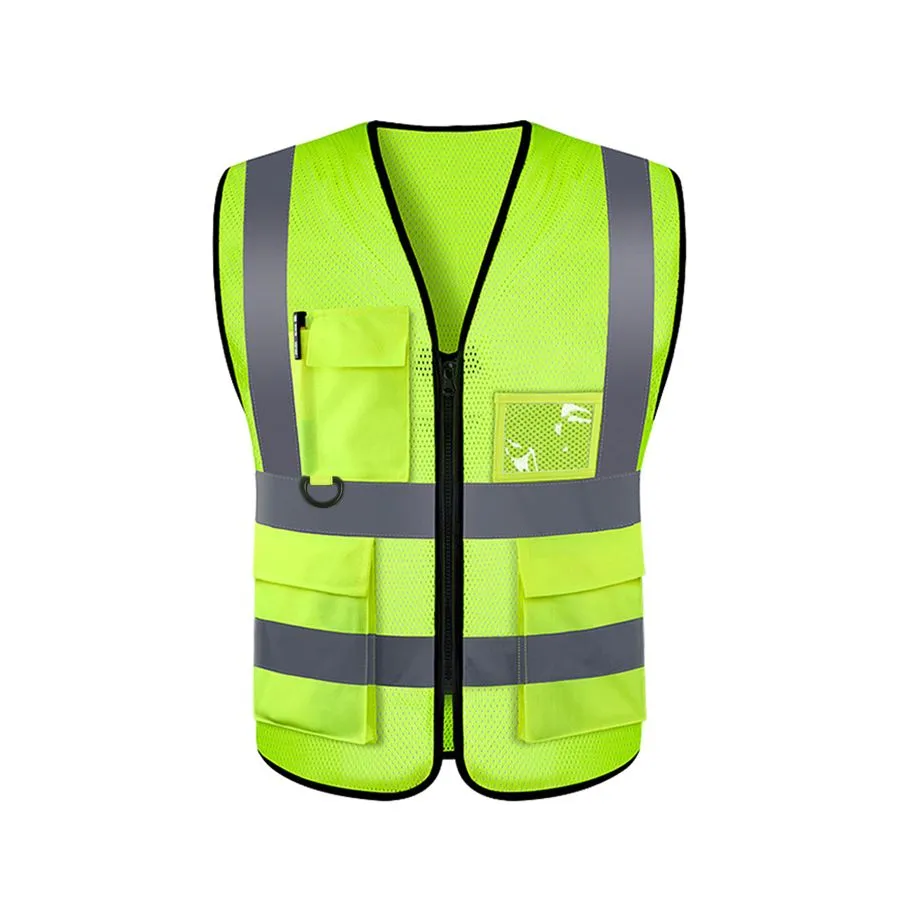
Get a Custom FR Clothing Quote from VisonSafety
The following checklist lists visible wear and failure modes that should trigger prompt replacement.
- Holes, tears, or severe abrasions that penetrate the protective layer or create exposure pathways.
- Visible burn, melt, or char damage anywhere on the garment or trims.
- Damaged reflective tape, closures, or seam failure that compromise fit or coverage.
Using these visible triggers with procedural inspections ensures garments are retired before protection is compromised.
What Visible Wear and Tear Indicate FR Clothing Replacement?
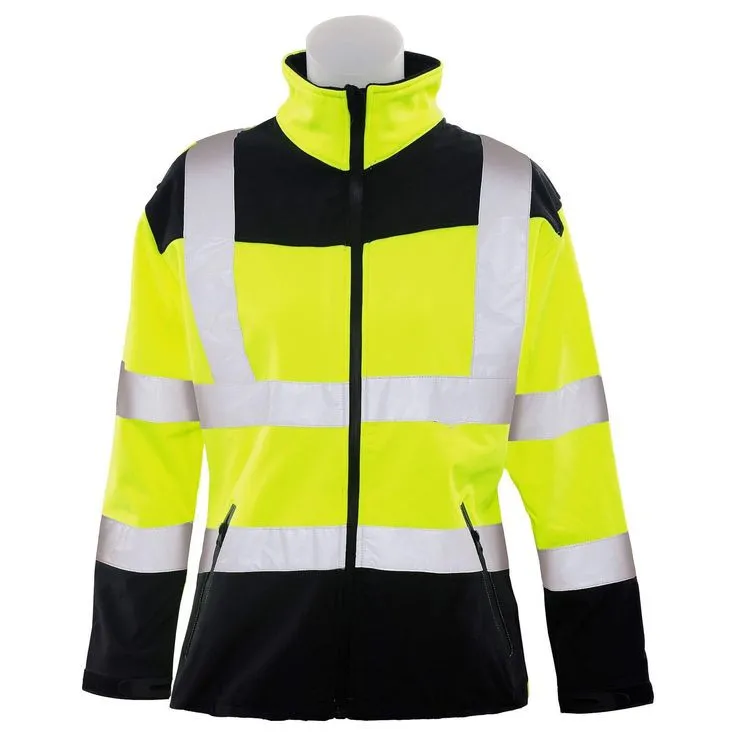
Visible wear and tear that mandates replacement includes holes and rips that expose skin, severe thinning that reduces the thermal barrier, and any localized burn or melt damage that indicates prior exposure beyond safe limits. Reflective tape that is cracked, delaminated, or missing reduces conspicuity and should be replaced to preserve visibility standards in Hi-Vis FR garments. Seams that open or closures that no longer fasten reliably expose users to hazards and demonstrate structural failure beyond field repair. Identifying and documenting these visible failure modes during scheduled inspections allows organizations to retire garments proactively and protect workers.
Recognizing visible damage leads to the next subsection on contamination and when it forces immediate retirement.
How Does Contamination Affect FR Garment Safety and Replacement Needs?
Contamination—particularly with hydrocarbons, solvents, or combustible dust—can saturate fibers, alter ignition characteristics, or create additional fuel load. This means contaminated garments often require retirement if decontamination cannot be reliably completed. Decision flow should distinguish washable contaminants from saturating or chemically reactive exposures; washable spills cleaned per manufacturer guidance may permit continued use, whereas solvent- or oil-saturated garments often need retirement even if the FR finish remains. For field decisions, err on the conservative side: heavily soiled or saturated garments that compromise inspection and testing should be removed from service. Clear contamination protocols reduce ambiguity and protect both workers and the organization from liability and incident risk.
This contamination guidance connects directly to component-level failures and fit issues that also warrant retirement.
What Damaged Components and Fit Issues Require FR Clothing Retirement?
Damaged components and improper fit reduce coverage and increase exposure pathways, so garments with broken zippers, missing snaps, failed seams, or severely distorted fit should be retired or replaced immediately. Even small component failures can allow heat, flame, or contaminants to reach skin during an event, and ill-fitting garments cannot be relied upon to position protective material correctly. Small repairs that do not affect FR integrity may be acceptable if performed under controlled protocols, but major repairs that alter material composition or seam placement are usually unacceptable. Maintaining a repair-vs-replace policy tied to component-criticality simplifies decisions and supports consistent safety outcomes.
Scheduled inspection frequency supports reliable replacement timing, as discussed in the next subsection.
How Often Should FR Clothing Be Inspected and Replaced?
Inspection cadence should match risk level: at a minimum, daily user visual checks combined with formal recorded inspections monthly or quarterly create a robust lifecycle monitoring system. High-risk environments or garments with heavy laundering cycles may require more frequent formal inspections, while low-risk roles can use longer formal intervals paired with documented wash-count thresholds. Replacement planning should combine inspection findings, wash counts, and exposure events rather than relying solely on calendar age. This data-driven approach reduces premature replacement while preventing over-extended service. Establishing audit-ready records of inspections, repairs, and laundering creates a defensible replacement program and improves procurement forecasting.
These inspection and replacement frameworks lead naturally into how certifications influence lifespan expectations and testing baselines.
How Do Certifications Impact FR Clothing Durability and Lifespan?
Certifications provide baseline assurance that garments meet minimum performance standards under specified test conditions. Understanding what each standard tests clarifies how certification informs expected durability in the field. Certifications such as NFPA 2112, EN ISO series, and UL validate performance through controlled test protocols that may include limited laundering or thermal exposure tests. However, certification demonstrates compliance with test conditions rather than guaranteeing a calendar lifespan. Buyers should use certification as a baseline assurance of robust design and combine it with manufacturer QC, laundering controls, and inspection programs to establish realistic service-life expectations. Interpreting certification tests in operational terms helps translate laboratory test cycles into field replacement schedules.
The next subsections break down what major standards imply about durability and how to apply those implications operationally.
Get a Custom FR Clothing Quote from VisonSafety
What Does NFPA 2112 Certification Guarantee About FR Garment Lifespan?
NFPA 2112 sets minimum performance requirements for garments intended for flash fire protection and includes test methods that may incorporate laundering cycles to validate the durability of flame performance under specified conditions. Passing NFPA 2112 tests indicates the garment meets performance criteria under those controlled conditions, which buyers can interpret as a baseline robustness indicator rather than a guarantee of indefinite service life. The standard helps purchasers compare product baseline performance, but operational lifespan still depends on exposure, laundering, and construction quality beyond the standardized tests. Procurement teams should therefore combine NFPA certification with inspection programs and wash-count monitoring to translate test-based assurance into real-world replacement timing.
This interpretation provides context for related European standards and electrostatic requirements in the next subsection.
How Do EN ISO 11611 and EN ISO 1149 Standards Relate to FR Clothing Durability?
EN ISO 11611 addresses protection for welding and allied processes and focuses on thermal performance, while EN ISO 1149 covers electrostatic properties. Both influence material selection, construction, and component choices that affect durability in specific use-cases. Those EN standards ensure garments are designed for particular hazards and include test regimes that validate performance under relevant stressors, helping buyers choose fabrics and constructions suited to hazard profiles. While EN testing supports material selection decisions that affect long-term durability, these standards do not directly prescribe calendar lifespan and must be paired with inspection and laundering protocols for lifecycle management. Understanding which standard applies to a workplace hazard helps align fabric choice and maintenance plans with expected wear patterns.
Knowing how EN standards complement NFPA testing helps when evaluating component-level validation such as UL, discussed next.
Why Is UL Certification Important for FR Clothing Longevity?
UL certification provides independent component- or material-level verification that can reduce supplier risk by validating that specific fabrics or trim items meet defined performance metrics. This supports a fuller durability picture when combined with garment-level standards. UL-listed materials bring third-party assurance that fabric properties conform to specified criteria, which helps buyers reduce variability when sourcing components and supports traceability in the supply chain. While UL validation complements NFPA and EN standards, it does not replace the need for manufacturing QC and lifecycle management because real-world longevity still depends on construction, laundering, and exposure. Using UL-validated components alongside certified garment assembly gives procurement teams a stronger basis for predicting consistent field performance.
This standards overview sets up a manufacturer-focused discussion of how production controls and QC affect FR longevity.
What Makes VisonSafety’s FR Clothing Durable and Long-Lasting?
VisonSafety emphasizes manufacturing and quality-control measures that translate into consistent FR performance and longer, more predictable garment lifespans for B2B customers. The company highlights 100 percent fabric batch testing and full quality control to reduce variability between runs, and materials are traceable for 3+ years to support post-sale verification and lifecycle analysis. VisonSafety offers OEM and ODM capabilities that enable tailored construction choices—such as reinforced seams, higher-grade trims, and specified fabric selections—to meet durability targets for specific work environments. Fast sampling plus on-time delivery helps procurement teams validate choices quickly. Global support features include DDP shipping to reduce logistics complexity and dedicated after-sales support to assist with industrial laundering alignment and service-life planning.
These manufacturing and service capabilities demonstrate how upstream controls and logistics support downstream durability, leading into specific quality-control practices described next.
Get a Custom FR Clothing Quote from VisonSafety
How Does VisonSafety’s Quality Control Ensure FR Garment Longevity?
VisonSafety’s quality control approach centers on fabric batch testing for every lot and full production inspections to ensure material performance aligns with expected specifications. This reduces early failures and variabilities that shorten usable life. Batch testing confirms material properties before assembly, while traceability for 3+ years allows post-sale verification if field issues arise, supporting replacement planning and audit trails. Production inspections focus on seam strength, closure integrity, and trim application to prevent component failures that commonly force early retirement. These QC steps link factory-level consistency directly to predictable field performance and help procurement teams adopt lifecycle-based replacement schedules confidently.
What Are VisonSafety’s OEM and ODM Capabilities for Custom Durable FR Apparel?
VisonSafety provides OEM and ODM services that enable buyers to specify construction details—reinforced stitching, heavier denier where needed, and selected trims—that materially affect the durability and lifetime performance of FR apparel. Customization allows safety managers to prioritize durability features for demanding roles, select inherent or treated fabrics per risk analysis, and validate samples rapidly through fast sampling processes before full production orders. Working with OEM/ODM capabilities supports consistent specification across large fleets and simplifies lifecycle planning because garments are produced to agreed durability targets and inspection criteria. These customization paths let organizations align procurement with expected wear conditions and extend total usable life through upstream design choices.
How Does VisonSafety Support Global Clients with Durable FR Workwear?
VisonSafety supports global B2B clients through services designed to reduce procurement friction—DDP shipping to lower logistics burden, on-time delivery commitments for predictable replacement runs, and dedicated after-sales support for troubleshooting laundering or field performance questions. These services simplify large-scale deployment and replacement scheduling across regions, helping managers maintain consistent garment specs and service-life expectations across workforces. Experience working with clients in 30+ countries indicates operational capability to coordinate sampling, production, and logistics for multinational programs. The practical value is that manufacturer-backed logistics and support help buyers implement the inspection, laundering, and replacement frameworks described earlier with fewer execution risks.
This manufacturer-focused view transitions into an operational ROI framework that shows how durable choices affect total cost of ownership.
How Can Businesses Calculate the ROI of Durable FR Clothing?
Get a Custom FR Clothing Quote from VisonSafety
Calculating ROI requires combining upfront purchase price with recurring costs—laundering, repairs, replacement frequency, and downtime risk—to derive an annualized per-garment cost that drives procurement decisions. Durable garments with a higher upfront cost often lower the total cost of ownership by reducing replacement frequency, administrative overhead, and risk exposure. A simple TCO model converts those dynamics into per-year and per-worker values that procurement teams can budget. Bulk ordering discounts, garment tracking, and industrial laundering contracts are practical levers that reduce per-unit lifecycle cost and improve forecast accuracy. Below is an ROI-style example table that presents common cost entities and sample values to illustrate how choices shift annualized cost.
This table demonstrates a simple TCO comparison to aid decision-making for safety purchasers.
| Cost Component | Attribute | Example Annualized Value |
|---|---|---|
| Initial purchase price | Per uniform | $80 (treated) vs $150 (inherent) |
| Laundering cost | Per wash or contract | $0.50–$1.50 per wash |
| Replacement frequency | Years of service | 1–3 years (treated) vs 3–5 years (inherent) |
| Administrative overhead | Inventory & management | $10–$30 per garment per year |
What Are the Cost Benefits of Investing in Long-Lasting FR Workwear?
Longer-lasting FR garments reduce replacement frequency, lowering procurement and inventory handling costs and reducing administrative time spent on reorder cycles and sizing logistics. Fewer replacements also reduce the operational disruption of reissuing and fit-checking garments and can lower incident risk costs by maintaining consistent protective performance. When incident mitigation and reduced downtime are factored in, a slightly higher upfront investment in inherent FR often produces lower lifecycle costs for high-wear roles. A simple arithmetic example comparing treated and inherent options over a five-year horizon typically shows lower total expense per year for inherent FR when replacement frequency and laundering impacts are included.
How Does Bulk Ordering and Garment Tracking Improve FR Clothing Management?
Bulk ordering secures consistent specifications, reduces unit cost via volume discounts, and simplifies inventory management. Garment tracking links wash counts, repairs, and exposures to individual items so replacements occur predictably. Tracking can be as simple as labeled logs or as advanced as RFID systems that record wash cycles; either approach enables data-driven replacement schedules and compliance audits. Combining bulk ordering with tracked lifecycle data ensures procurement plans align with true replacement needs and prevents overstock or emergency buys that inflate costs. For large workforces, these practices materially reduce total cost of ownership and improve safety program reliability.
VisonSafety’s services—bulk ordering, garment tracking support, and DDP shipping—can be used as practical examples of how manufacturers help reduce lifecycle costs and simplify program administration for B2B buyers.
What Are Best Practices for Managing FR Clothing Replacement in Large Workforces?
An operational playbook for large workforces includes establishing daily user checks, scheduled formal inspections, centralized laundering contracts, wash-count tracking, and procurement cycles aligned with measured replacement rates to create a predictable budget and compliance evidence trail. Implement a policy with daily user visual checks, monthly formal inspections logged centrally, and replacement triggers tied to wash-counts, visible damage, or contamination events to standardize decisions. Contracting industrial laundering and leveraging bulk ordering with agreed lead times smooths supply and reduces emergency procurement premiums. For procurement teams seeking manufacturer support, request fast sampling and OEM/ODM options to validate durable specs with manufacturers and plan for staged rollouts.
For organizations ready to evaluate custom durable FR apparel, VisonSafety invites B2B inquiries for custom quotes, fast sampling, and OEM/ODM discussions to align specifications, testing, and logistics with operational lifecycle targets.
Firefighter Turnout Gear: Post-Use Evaluation and Service Life Assessment
This research aimed to perform a post-use evaluation of firefighter turnout gear that had been in service for periods ranging from 2 years to its retirement. Inspection and testing protocols mandated by the National Fire Protection Association (NFPA) 1851 Standard on Selection, Care and Maintenance of Structural Fire Fighting and NFPA 1971 Standard on Protective Ensembles for Structural Fire Fighting were adhered to. The outcomes of the visual inspection and performance testing of the turnout gear were utilized to ascertain the appropriateness of the current recommended 10-year service life (retirement age). While thermal protective performance (TPP) and thermal heat loss (THL) data supported a service life of at least 10 years, measurements of tear resistance, breaking strength, seam strength, and water penetration indicated a service life not exceeding 10 years.
A post-use evaluation of turnout gear using NFPA 1971 standard on protective ensembles for structural fire fighting and NFPA 1851 on selection, care and …, M McQuerry, 1971
Fiber Type and Clothing Durability: An Environmental Impact Assessment
Variations in the lifespan of different fiber types significantly influence the environmental footprint of apparel. For instance, natural fibers such as cotton and wool typically exhibit shorter lifespans compared to synthetic fibers like polyester and nylon. Consequently, garments manufactured from natural fibers necessitate more frequent replacement, potentially leading to a greater cumulative environmental impact over time. The intrinsic properties of fibers directly affect their durability and longevity.
Does use matter? Comparison of environmental impacts of clothing based on fiber type, K Laitala, 2018
 English
 Deutsch
 Français
 Polski
 Português do Brasil
 Español
 日本語
日本語 Русский
 العربية
 Italiano
 Nederlands
 Türkçe
 한국어
한국어