
Flame‑resistant (FR) clothing is evaluated by lab measurements and industry standards that say how garments perform against heat, flame and electrical arc hazards. This guide breaks down what makes clothing FR rated, how arc rating and ATPV are determined, and which standards—NFPA 2112, ASTM F1506 and EN ISO 11612—matter when you’re buying or specifying PPE. You’ll get practical buyer checks, an explanation of key test results, and how fabric choices (aramid, modacrylic, FR‑treated cotton) plus construction details (seams, closures, labels) affect real‑world protection. We connect test metrics to procurement steps, provide quick comparison lists and tables for faster decisions, and show where manufacturing controls and verified testing turn lab numbers into dependable product performance. If you specify protective clothing, this overview gives you the questions to ask, the documentation to request, and the starting points for supplier conversations.
What Is Arc Rating for FR Clothing and Why Does It Matter?
Arc rating—usually reported as ATPV (Arc Thermal Performance Value)—measures the incident energy a fabric or garment can absorb before a 50% chance of a second‑degree burn occurs. It’s the primary metric for electrical arc protection because it links a lab energy value to a real wearer outcome: higher ATPV generally means more thermal protection. Choosing the right arc rating is essential to match your workplace risk and informs decisions about layering, full‑coverage garments versus partial protection, and whether adjacent components like seams and closures meet the same performance levels. Knowing how arc rating is measured and where it has limits helps you define the verification steps to require from suppliers.
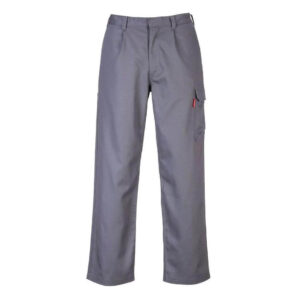
Get a Custom FR Clothing Quote from VisonSafety
How Is Arc Rating Measured for Flame Resistant Clothing?
Arc rating comes from controlled lab tests that expose fabric or a finished garment to a calibrated electric arc while measuring incident energy until an injury threshold is reached. Test reports commonly list ATPV and sometimes breakopen energy; ATPV is reported in cal/cm² and represents the energy level tied to a 50% probability of a second‑degree burn under standardized conditions. Accredited labs use arc rigs and calorimetric instruments to produce repeatable results and issue the certificates and detailed conditions you should request. To act on these reports, compare ATPV values for both the fabric and the finished garment and confirm the test scope, sample conditioning and whether seams or closures were part of the tested specimen.
| Metric | What It Measures | Buyer Takeaway |
|---|---|---|
| ATPV (Arc Thermal Performance Value) | Incident energy level associated with second‑degree burn probability | Choose garments with ATPV at or above your calculated workplace incident energy |
| Breakopen Energy | Energy required for the garment to open or fail under an arc | Review breakopen to understand potential coverage failures and seam risks |
| Calorimetric Data | Energy absorption profile recorded during the test | Check this data to confirm consistent protection across the fabric structure |
This table summarizes the core metrics. Always request the full lab report so ATPV comparisons are apples‑to‑apples and you can see whether the test covered the full garment or just the fabric.
What Does an Arc Rating Indicate About FR Clothing Safety?
An arc rating shows the thermal energy a garment can absorb before wearer injury is likely, but it isn’t the whole safety story. Fit, coverage, layering and seam performance all affect the protection delivered in the field. In practice, select garments whose ATPV meets or exceeds your incident energy analysis and account for overlap zones, closures and any non‑FR components that could reduce effective protection. Use a brief verification checklist before purchase to avoid common pitfalls and make sure the claimed rating applies to the finished product, not only the raw fabric. Verifying these items with suppliers lowers the chance that an arc‑rated label won’t reflect real‑world performance.
- Confirm Scope: Verify whether ATPV applies to the fabric only or the finished garment, including seams and closures.
- Match to Hazard: Require an incident energy analysis and select ATPV at or above the calculated exposure.
- Verify Documentation: Request full test reports, lab accreditation and evidence of manufacturing quality before acceptance.
Following these procurement steps turns arc‑rating numbers into reliable protective choices and naturally leads to questions about standards like NFPA 2112 and how they affect labeling and compliance.
How Does the NFPA 2112 Standard Define FR Clothing Performance?
NFPA 2112 sets performance criteria and test methods for garments intended to protect workers from flash fire hazards. It specifies material‑ and garment‑level testing, required documentation and labeling so buyers have a consistent baseline when comparing suppliers. Meeting NFPA 2112 indicates a garment has passed recognized flash‑fire performance thresholds, but you should still confirm the certified tests covered the exact garment styles and sizes you intend to buy. Knowing the standard’s main requirements helps procurement teams request the right evidence and align purchases with workplace hazard assessments.
What NFPA 2112 requires—buyer‑focused checklist:
- Material‑level testing: Fabrics must meet criteria for thermal decomposition and heat transfer.
- Garment‑level testing: Representative garments are exposed to simulated flash fire and evaluated for damage and secondary burn risk.
- Documentation and labeling: Suppliers must provide certificates, full test reports and clear labeling that show NFPA 2112 compliance.
What Are the Main Requirements of NFPA 2112 for FR Clothing?
NFPA 2112 requires that both materials and finished garments demonstrate limited heat transfer, controlled thermal shrinkage and resilience under flash‑fire exposure, and it requires documentation linking test specimens to production lots. The standard’s controlled methods and acceptance criteria let purchasers compare garments on performance rather than marketing claims. Ask for the certificate of compliance, the full laboratory report and evidence that production garments match the tested samples through quality‑control measures—these procurement actions make NFPA 2112 a practical verification step, not just a label.
How Does NFPA 2112 Impact FR Clothing Ratings?
NFPA 2112 complements arc metrics like ATPV by addressing flash‑fire scenarios instead of electrical arc energy; the two standards cover different hazards and are commonly specified together. A garment can be NFPA 2112‑compliant and still have a lower ATPV (and vice versa), so combining standard compliance checks with ATPV review gives a fuller safety picture. Ask suppliers which tests were performed, on which sizes, and what production controls prevent variability from the tested samples. If you require NFPA 2112 garments, suppliers should be ready to show traceable test documentation and QA procedures. As a B2B resource, we can coordinate requests for NFPA 2112 test documentation and verification for custom orders—contact us to discuss NFPA 2112‑compliant production and quality‑assurance evidence.
What Are ASTM F1506 Performance Specifications for FR Clothing?
ASTM F1506 defines fabric‑level performance for textiles used in garments that protect against electrical arc exposure. The standard focuses on standardized arc tests and metrics that describe how a fabric behaves in an arc event. ASTM F1506 is widely referenced in North American procurement—especially by electrical utilities—and complements NFPA and EN standards. Understanding ASTM F1506 helps you decide when to require fabric‑level testing in addition to garment‑level certification.
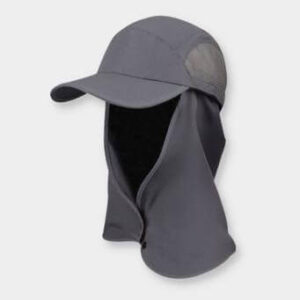
Get a Custom FR Clothing Quote from VisonSafety
How Does ASTM F1506 Test FR Clothing Heat and Flame Resistance?
ASTM F1506 measures fabric response to simulated arc exposure and reports results such as char length, melt or drip behavior and energy‑absorption metrics; these outcomes indicate whether the fabric resists ignition and limits thermal transfer. Lab reports typically summarize pass/fail results or provide quantified metrics procurement teams can compare across materials like aramid or FR‑treated cotton. Confirm whether tests were performed on production fabric batches and whether reports include conditioning, sample orientation and seam inclusion—these details determine how closely ASTM F1506 results map to finished‑garment performance.
Why Is ASTM F1506 Important for FR Clothing Certification?
ASTM F1506 provides a repeatable, fabric‑level benchmark that helps manufacturers, certifiers and buyers compare material options for arc protection consistently. It complements NFPA 2112 by focusing on arc‑specific behavior and supplies test data that inform ATPV comparisons and material selection. For procurement, request ASTM F1506 results alongside ATPV and NFPA documentation to build a multi‑dimensional view of protection and avoid surprises from materials that change behavior when sewn into garments. Require full test reports and ask how fabric test results are verified in production.
Which FR Clothing Certifications Ensure Heat and Flame Protection?
No single certification covers every hazard. Flash fire, arc flash and general heat or flame exposure are different threats, so use a combination of standards to match protection to exposure. Key standards are NFPA 2112 for flash fire, ASTM F1506 for arc‑resistant fabric performance and EN ISO 11612 for heat and flame protection under European norms; each measures different attributes and is best read together. When evaluating suppliers, request certificates, full lab reports and evidence of lab accreditation. Knowing which certification covers which hazard reduces procurement risk and tells you when custom testing or private‑label verification is needed.
- NFPA 2112: Flash‑fire garment performance and required documentation for industrial use.
- ASTM F1506: Fabric performance under electrical arc exposures for arc‑rated clothing.
- EN ISO 11612: European heat and flame test classes covering convective, radiant and contact heat.
These certifications form the core framework buyers should reference when specifying protective clothing; combining them with ATPV data and construction checks yields robust procurement criteria.
| Standard | What It Measures | Typical Buyer Action |
|---|---|---|
| NFPA 2112 | Flash‑fire garment‑level performance and documentation | Request certificate and garment‑level test reports |
| ASTM F1506 | Arc‑resistant fabric performance under electrical arc | Obtain fabric reports and ATPV‑related data |
| EN ISO 11612 | Heat and flame test classes for European PPE compliance | Verify class numbers and the test scope for intended use |
How Does EN ISO 11612 Certification Evaluate FR Clothing?
EN ISO 11612 tests fabrics and garments across classes that measure resistance to convective heat, radiant heat, contact heat and small splashes of molten metal, producing a class code that shows which hazards are covered. Test reports list class ratings (for example, A, B, C categories) you can match to identified workplace exposures. The standard emphasizes how the fabric behaves under different heat mechanisms. For procurement, make sure the EN ISO 11612 report names the tested fabric batch and that finished garments match the tested construction. Matching EN class codes to specific job tasks makes the certification actionable in your specifications.
What Other Certifications Validate FR Clothing Safety and Quality?
Beyond primary performance standards, supporting accreditations—like lab ISO/ILAC accreditation and regional PPE regulatory marks—add confidence that tests were performed correctly and results are traceable. Ask for lab accreditation evidence, calibration records for test rigs and a certificate of conformity that links production batches to tested samples. This extra documentation is critical for private‑label or custom orders and whenever suppliers claim combined compliance across NFPA, ASTM and EN regimes. Practical steps include verifying lab accreditation and requesting a factory capability statement that details QA controls for certified garments.
- Lab Accreditation (e.g., ILAC/ISO): Confirms the testing lab follows recognized quality systems.
- PPE Regulatory Marks: Indicates regional compliance with PPE directives and registration.
- Factory QA Evidence: Shows production matches tested samples and maintains traceability.
These supporting items increase trust in a supplier’s certification claims and reduce the risk of mismatches between tested samples and delivered garments.
As a B2B information hub, we help distributors and brands coordinate requests for certification support, test documentation and private‑label options—suppliers should be prepared to share lab reports and capability statements when asked.
We’re available to support B2B inquiries about factory capabilities, sample testing and documentation requests. Contact our information hub to request capability statements, coordinate sample tests or get certification support for custom safety apparel orders.
How FR Clothing Is Rated | FAQs
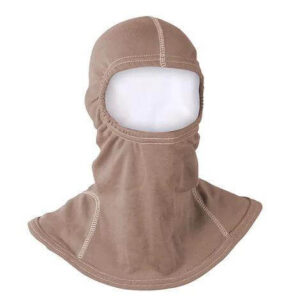
Get a Custom FR Clothing Quote from VisonSafety
What is the difference between ATPV and Breakopen Energy in FR clothing?
ATPV (Arc Thermal Performance Value) measures the incident energy tied to a 50% probability of a second‑degree burn—essentially the fabric’s thermal protection. Breakopen Energy measures how much energy it takes for the garment to open or fail structurally during an arc. ATPV focuses on thermal injury risk; breakopen tells you about coverage loss or seam failure. Reviewing both gives a more complete picture of performance against electrical hazards.
How can I ensure the FR clothing I purchase is compliant with multiple standards?
Request the full test reports and certificates for NFPA 2112, ASTM F1506 and EN ISO 11612 as applicable. Verify that the reports reference the exact garment style and sizes you plan to buy, and confirm lab accreditation. If multiple standards are required, ask suppliers to show how each test applies to the finished product and what production controls keep results consistent.
What factors should I consider when layering FR clothing?
Consider the ATPV of each layer and ensure the combined protection meets or exceeds your calculated incident energy. Check fit and comfort to avoid restricted movement, and verify that seams, closures and any exposed components are FR‑rated. Proper layering can increase protection, but only if the system is validated for the expected hazard and remains comfortable enough for safe work performance.
How does the choice of fabric affect the performance of FR clothing?
Fabric choice strongly influences protection, durability and comfort. Aramid fibers offer high strength and heat resistance, modacrylic balances comfort and FR properties, and FR‑treated cotton can be comfortable but may deliver lower ATPV. Understand each material’s tradeoffs and request the relevant test data so you can match fabric characteristics to your specific hazards and wearer needs.
What should I look for in test reports for FR clothing?
Look for ATPV, Breakopen Energy and calorimetric data, and verify whether the report covers fabric only or the finished garment (including seams and closures). Check lab accreditation, test conditions, sample identification and conditioning. A comprehensive report should let you map lab results directly to the garment you intend to buy.
Are there specific maintenance guidelines for FR clothing to ensure longevity?
Yes. Follow the manufacturer’s care instructions—typically wash in cold water, avoid bleach and fabric softeners, and use the recommended detergents. Inspect garments regularly for wear, tears or contamination, and remove damaged items from service. Proper storage away from direct heat and sunlight also helps preserve FR properties over time.
What role do certifications play in the procurement of FR clothing?
Certifications provide independent evidence that garments meet established performance criteria. NFPA 2112, ASTM F1506 and EN ISO 11612 each address different hazards; prioritizing suppliers who provide valid certification documentation helps reduce procurement risk and ensures worker protection aligns with regulatory and company requirements.
Conclusion
Knowing how FR clothing is rated and which certifications apply is essential for protecting workers from heat and electrical hazards. Use ATPV alongside standard compliance (NFPA 2112, ASTM F1506, EN ISO 11612) and verify garment‑level testing, seams and production controls to make informed procurement choices. If you need help evaluating test reports, coordinating sample testing, or requesting certification evidence, our team can assist. Reach out to discuss your requirements and request documentation.
 English
 Deutsch
 Français
 Polski
 Português do Brasil
 Español
 日本語
日本語 Русский
 العربية
 Italiano
 Nederlands
 Türkçe
 한국어
한국어