
Flame‑resistant (FR) clothing is protective apparel engineered to resist ignition, self‑extinguish, and limit thermal injury through specialized fibers, chemical treatments, and controlled assembly methods. This guide walks technical buyers through how FR garments are made — from raw material selection and fabric construction to finishing, garment assembly, and compliance testing — so you can see which choices drive safety and performance. Manufacturers deliver protection using two main strategies: inherently flame‑resistant fibers or chemically treated fabrics. Each approach has trade‑offs in durability, comfort, and washability. The production workflow links fiber chemistry to fabric structure and sewing practices, while quality systems ensure NFPA, EN, UL, and ANSI requirements (including NFPA 2112) are met. Below we cover fiber science, a numbered production checklist, testing and certification, and how custom OEM/ODM FR apparel projects are managed. That background helps procurement teams specify the right balance of protection, lifecycle, and cost for industrial PPE and safety clothing.
What Materials Are Used in Flame-Resistant Clothing Production?
Materials for FR clothing fall into two broad groups: inherent FR fibers that resist ignition at the molecular level, and treated flame‑retardant fabrics where performance is added by durable chemical finishes. Inherent fibers — for example aramid and modacrylic — char instead of melting, creating a thermal barrier that sustains protection. Treated cotton and blends rely on additives that promote char formation and reduce oxygen supply to the fabric. The choice between inherent and treated solutions depends on metrics such as limiting oxygen index (LOI), abrasion resistance, expected use, and laundering needs — each option influences garment lifespan and maintenance. The sections that follow break down inherent fiber behavior and common treatment chemistries used for treated FR fabrics.
Get a Custom FR Clothing Quote from VisonSafety
What Are Inherent Flame Resistant Fibers and Their Properties?
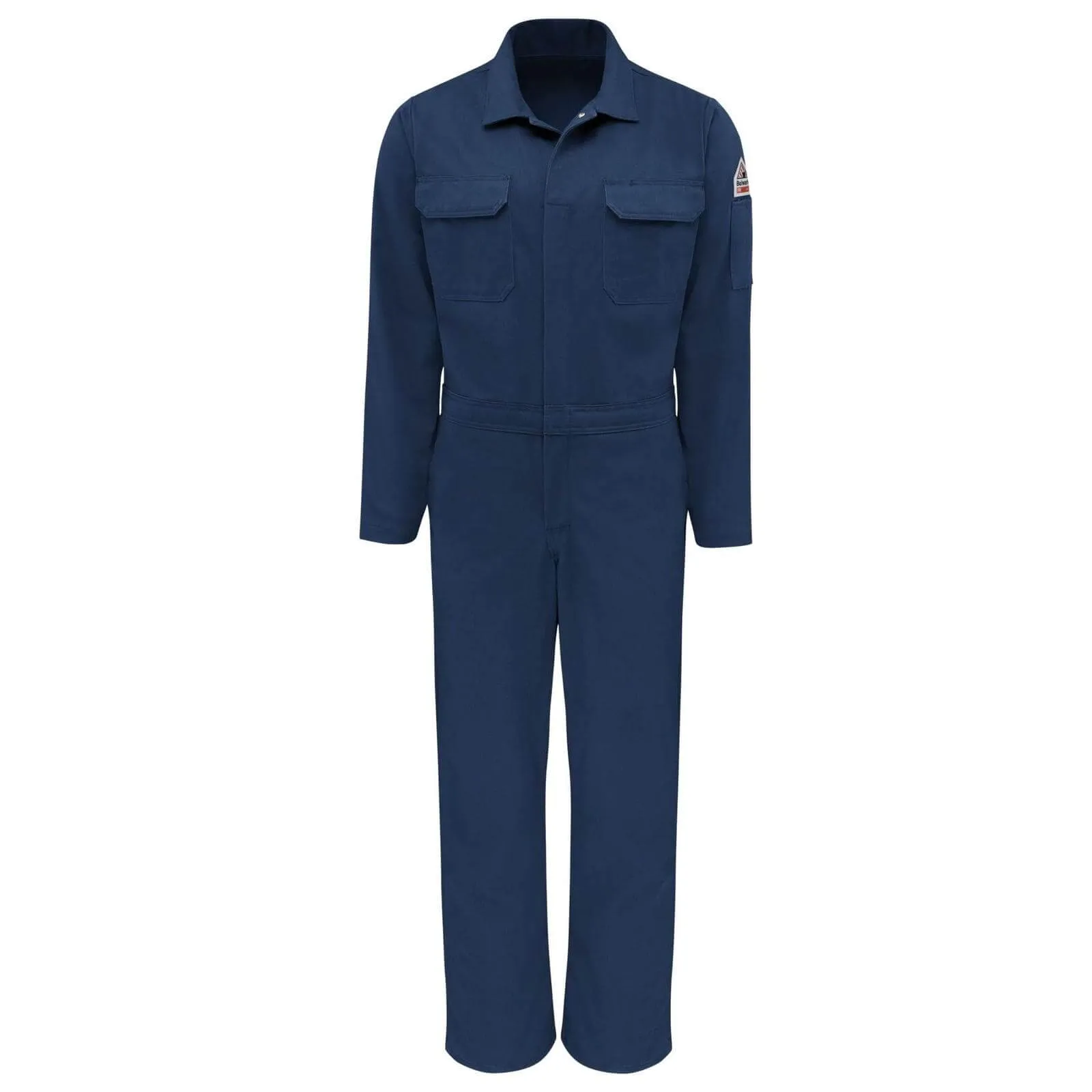
Inherent FR fibers are built at the polymer level so the fiber itself resists heat and flame without relying on surface finishes. Aramids (para‑ and meta‑aramid) provide high tensile strength and thermal stability and form a protective char under heat. Modacrylics are self‑extinguishing, have a softer hand, and retain color well. These fibers typically show higher LOI values and low melt flow, preventing dripping and reducing secondary burn risk during testing. Selecting an inherent fiber balances strength, thermal protection, and wearer comfort for applications such as FR shirts, jackets, and coveralls.
How Are Treated Flame Retardant Fabrics Made and Applied?
Treated FR fabrics begin with commodity fibers like cotton or blended yarns and gain flame resistance through chemical application methods such as padding, exhaustion, or coating that bind flame‑retardant molecules to yarns or the fabric surface. Phosphorus‑based and nitrogen‑phosphorus chemistries are common because they encourage char formation and create a stable thermal barrier. The application method affects durability — some finishes withstand many wash cycles, while others need re‑treatment. Environmental and safety profiles vary across treatments, so selection must match laundering expectations and the certifications required for the intended use. Understanding these trade‑offs helps designers decide when a treated cotton solution is appropriate versus an inherent fiber system.
Different fiber technologies deliver distinct performance profiles:
Common inherent and treated FR fiber options and their typical applications are listed below.
| Fiber Type | Key Attributes | Typical Uses |
|---|---|---|
| Aramid (meta/para) | High thermal stability; strong char formation; no melt | Heavy‑duty coveralls, jackets, gloves |
| Modacrylic | Self‑extinguishing; softer hand; good color retention | FR shirts, sweatshirts, linings |
| Treated Cotton | Comfortable and cost‑effective; performance tied to finish durability | FR work shirts, vests for frequent laundering |
These comparisons illustrate how fiber selection and finishing map to durability and intended use, guiding the next manufacturing phase: fabric formation and assembly.
What Are the Key Steps in the FR Clothing Manufacturing Process?
The FR garment manufacturing process follows repeatable stages that turn material properties into compliant, wearable garments: source materials, form fabric, apply finishes, pattern and cut, sew with FR‑specific components, then inspect and test before shipment. Each step has controls — supplier qualification for fibers, weave/knit specifications for fabric, validated protocols for treatments, and sewing standards to preserve FR performance. Discipline at every stage reduces variability in testing outcomes and supports traceability for batch‑level certification records. Below is a concise, practical checklist procurement and technical teams can use during sourcing and production review.
- Source and verify fibers and finishes against LOI and supplier certifications to meet required NFPA/EN performance.
- Weave or knit the fabric to specified density and construction that support thermal protection and wear resistance.
- Apply chemical treatments or finishes under controlled conditions and cure them to achieve durable FR performance.
- Pattern and cut with processes that minimize distortion, then sew using FR thread and reinforced seam designs for strength.
- Perform in‑line QC checks and sample testing during production to detect deviations early and maintain traceability.
- Complete final inspection and any garment‑level testing, label for standards compliance, and prepare shipments.
These steps form the backbone of a controlled production flow. The following sections detail early‑stage material selection and fabric formation that set the performance baseline.
How Is Fiber Selection and Fabric Weaving Performed for FR Apparel?
Fiber selection and fabric formation begin with technical specs tied to target metrics such as LOI, tensile strength, and abrasion resistance. Those specs determine whether aramid, modacrylic, or a treated cotton blend is the right choice. Sourcing includes supplier validation and certificate checks to ensure raw materials meet testable criteria for NFPA 2112 or equivalent regional standards. Yarn count and weave/knit structure are chosen to balance breathability and thermal protection. Fabric construction — plain weave versus twill versus knit — affects mechanical durability and how treatments penetrate or bond, which in turn shapes downstream processes. Selecting the correct fabric reduces the need for heavy finishes and supports consistent testing outcomes.
What Are the Cutting, Sewing, and Assembly Procedures in FR Garment Production?
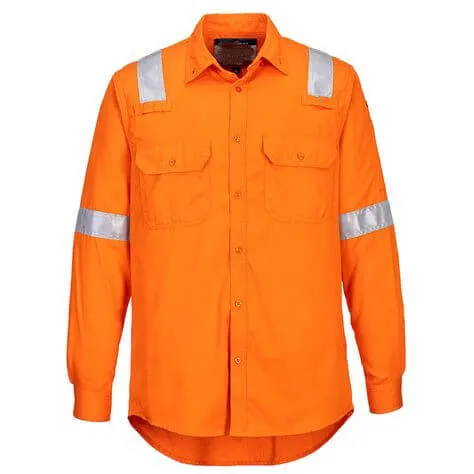
Cutting and sewing FR garments follow specialized practices to preserve performance: pattern layouts reduce edge fray, cutting equipment avoids fiber damage, and sewing specs require FR‑rated thread, defined stitch counts, and seam types that resist failure under heat. Reinforced zones — shoulders, knees, and pockets — use bar tacks or double seams, and closures must be FR‑rated to avoid weak points. Reflective tape for hi‑vis FR items is applied by adhesive or sewing methods approved for heat exposure. In‑process checkpoints verify seam strength, consistent tape placement, and correct labeling so garments meet both mechanical and regulatory requirements before final inspection.
As a practical example, a certified manufacturer integrates these practices into a full OEM/ODM workflow while maintaining production controls and documentation.
VisonSafety is a certified safety clothing manufacturer that focuses on OEM and ODM services for B2B clients. We operate with fast sampling and reliable delivery practices that align with the production steps above. Our approach emphasizes supplier validation, controlled treatment processes when used, and defined sewing standards that preserve FR function across assemblies. This manufacturer example shows how operational discipline turns material and process choices into compliant finished garments.
How Is Quality Ensured in Flame Resistant Clothing Manufacturing?
Quality assurance for FR clothing combines standardized testing, batch‑level material controls, and factory inspections to confirm both fabric and garment performance meet regulatory thresholds and client specs. Manufacturers use a layered approach: material testing (LOI, thermal stability), in‑line sampling during production, and final garment tests that verify seam integrity, thermal protection, and labeling accuracy. Traceability links test records to fabric batch numbers and garment lots so any deviation triggers quarantine and corrective action. Certification mapping helps buyers understand whether a product meets NFPA, EN, UL, or ANSI requirements for its intended market. The next section outlines key tests and what each standard evaluates.
Get a Custom FR Clothing Quote from VisonSafety
What Testing and Certification Standards Do FR Clothes Meet?
Major standards evaluate different aspects of FR performance: NFPA 2112 and NFPA 70E address workplace flash fire protection and garment‑level performance; EN standards (for example EN 11611) apply in Europe for welding and related hazards; UL verifies material properties and safety claims; and ANSI references often cover visibility and mechanical durability in the U.S. Standards vary in whether they focus on fabric metrics or full‑garment testing, so manufacturers must plan both material tests and finished‑garment assessments to demonstrate compliance for regional applications. Knowing which standard applies drives sampling plans and labeling decisions for end users.
Manufacturers commonly map standards to tests and required outcomes like this.
| Test / Standard | What It Evaluates | Outcome / Requirement |
|---|---|---|
| NFPA 2112 | Garment‑level flash fire performance | Pass thresholds for heat transfer and damage limits |
| EN 11611 | Protection against heat and flame for welding tasks | Fabric class and garment construction requirements |
| UL (material tests) | Thermal stability, LOI, melt behavior | Material acceptance criteria tied to product claims |
| ANSI (visibility/mechanical) | Hi‑vis performance and abrasion resistance | Reflective tape and durability metrics |
This mapping makes clear which tests are policy‑critical and how results affect certification, labeling, and shipment clearance during manufacturing.
How Does VisonSafety Perform Fabric Batch Testing and Final Inspection?
At VisonSafety we enforce factory‑level controls: incoming materials undergo systematic verification and traceable batch testing, followed by in‑line quality checks and a comprehensive final inspection. Our workflow includes 100% fabric batch testing to confirm each roll meets specified LOI and material performance metrics, full QC across sewing and finishing stages to ensure seam integrity and consistent trim application, and pre‑shipment inspections that verify labeling and packaging against certification requirements. These checks create traceability from raw fiber to finished garment and reduce the risk of nonconforming lots reaching customers.
These QC practices demonstrate how we tie testing outcomes directly to shipment decisions and regulatory compliance.
How Does Custom FR Apparel Design and Production Work?
Custom FR production for B2B buyers follows a defined OEM/ODM sequence: design brief and technical spec, prototyping and sampling, approval and pre‑production testing, scaled production with in‑process QC, and logistics (including DDP shipping if required). Custom choices — fabric type, logo placement, reflective tape layout, and label content — must be validated against the applicable standards because some modifications can change thermal performance or testing scope. Clear communication about certifications and intended use during the design stage reduces rework and ensures the final product meets both safety and branding requirements. The next section lists common customization options and their implications.
What Customization Options Are Available for FR Clothing?
B2B customers can request several customization options that affect cost and lead time, including fabric selection (inherent vs treated), embroidered or printed logos, reflective tape placement for hi‑vis FR garments, and tailored fits or pocket configurations. Each customization can have compliance implications: added trims or heavy prints may require extra garment‑level testing, and certain finishes can change laundering durability or char behavior. Managing these trade‑offs early in the OEM/ODM process ensures samples validate both design and regulatory performance before production ramps up.
| Custom Option | Typical MOQ / Lead Time | Benefit |
|---|---|---|
| Fabric selection (inherent vs treated) | Flexible MOQ; sampling in days to 1–2 weeks | Optimizes protection versus cost |
| Branding (embroider/print) | Low‑volume samples; scalable production | Maintains brand identity on compliant garments |
| Reflective tape / trims | Minimal additional lead time | Ensures hi‑vis compliance when combined with FR specs |
How Does VisonSafety Manage Supply Chain and On-Time Delivery?
VisonSafety provides OEM/ODM services for B2B clients with flexible MOQs, expedited sampling, and logistics that can include DDP shipping to simplify delivery. We link sampling speed and production schedules to in‑line QC milestones so on‑time delivery commitments are based on verified quality checkpoints rather than optimistic timelines. For buyers, this reduces lead‑time uncertainty and simplifies customs and last‑mile logistics when DDP terms are chosen. Companies evaluating custom FR production should confirm these operational touchpoints — sample turnaround, batch testing, and DDP options — before final approval.
For procurement teams seeking certified FR manufacturers capable of tailored OEM/ODM runs, VisonSafety offers certified production, batch testing, and logistics support; B2B buyers can request samples and technical specifications to begin the design and approval process.
How FR Clothing Is Made | FAQs
What is the difference between inherent and treated flame resistant fabrics?
Inherent FR fabrics use fibers that resist ignition at the molecular level — examples include aramid and modacrylic — giving built‑in protection without chemical finishes. Treated flame‑retardant fabrics start with standard fibers like cotton and gain FR performance through chemical treatments. Inherent fabrics generally offer more consistent, long‑lasting protection; treated fabrics can be more cost‑effective but may lose effectiveness after many wash cycles and sometimes need re‑treatment. The right choice depends on the application, laundering demands, and performance expectations.
How do environmental regulations impact FR clothing manufacturing?
Environmental rules significantly affect FR manufacturing, especially regarding the chemicals used in treatments and disposal of waste streams. Manufacturers must comply with regulations such as REACH in Europe and the Toxic Substances Control Act in the U.S., which restrict certain hazardous substances. Compliance protects workers and the environment. Increasingly, customers and regulators also expect sustainable practices — for example, using safer chemistries and minimizing waste — so environmental impact is a key consideration in treatment selection and process design.
What are the common applications for flame resistant clothing?
FR clothing protects workers in industries with fire or thermal hazards — oil and gas, electrical utilities, welding, and heavy manufacturing, among others. Typical garments include coveralls, jackets, shirts, and gloves designed for flash fires, arc flashes, and similar thermal risks. Material and design choices depend on the work environment, risk level, and applicable standards. Selecting the right FR solution reduces the risk of thermal injury and supports compliance on site.
How often should FR clothing be inspected and maintained?
Regular inspection and care are essential to keep FR garments protective and compliant. Inspect garments before each use for wear, damage, contamination, or compromised trims. Follow the manufacturer’s laundering instructions to preserve flame‑resistant properties. Depending on use and environment, perform more thorough checks periodically (for example, monthly or quarterly). Proper maintenance extends garment life and ensures ongoing protection.
What role does testing play in the certification of FR clothing?
Testing is central to certifying FR clothing: it verifies that materials and finished garments meet standards such as NFPA, EN, and ANSI. Tests assess thermal stability, flame resistance, seam integrity, and related properties. Certification provides confidence to end users and helps manufacturers meet regulatory obligations, improving product credibility and enabling safe deployment in the field.
Can FR clothing be customized for specific industries?
Yes — FR clothing can be tailored to industry needs. Custom options include fabric selection, fit adjustments, and added features like reflective tape or specialized pockets. Any modification must be evaluated for its impact on flame performance and compliance. Working with an experienced manufacturer ensures custom garments meet both safety standards and practical, brand, or functional requirements.
Conclusion
Knowing how FR clothing is designed and manufactured helps procurement teams choose solutions that balance safety, durability, and cost. By selecting appropriate materials and following rigorous testing and quality controls, manufacturers deliver compliant garments for hazardous environments. If you need tailored FR apparel, partnering with a certified supplier ensures your design, performance, and delivery requirements are met. Contact us to learn how our certified solutions can support your safety program.
 English
 Deutsch
 Français
 Polski
 Português do Brasil
 Español
 日本語
日本語 Русский
 العربية
 Italiano
 Nederlands
 Türkçe
 한국어
한국어