
Flame‑resistant (FR) clothing is engineered workwear that resists ignition, limits flame spread, and reduces burn severity when exposed to thermal hazards. This guide breaks down what FR garments are, how inherent and treated materials stop flames, which certifications prove performance, and how thermal and arc‑flash metrics translate to real‑world protection. Procurement and safety teams need a clear, practical framework to evaluate materials, certifications, and manufacturing traceability before they specify garments. You’ll find focused explanations of the fabric traits that enable self‑extinguishing behavior, the differences between meta‑aramid and treated cotton, how NFPA and EN tests inform specs, and selection tips for oil & gas, utilities, and industrial operations. Sections that follow cover definitions and mechanisms, a fabric comparison table, certification mapping, and an ATPV/TPP interpretation table. Technical terms like ATPV and TPP are defined and tied to procurement actions so you can specify the right FR workwear with confidence.
What Is Flame-Resistant Clothing and How Does It Protect You?
Flame‑resistant clothing is PPE designed to resist ignition, self‑extinguish once the heat source is removed, and limit heat transfer to the skin. Protection comes from two complementary factors: the material’s chemistry, which resists sustained combustion, and the fabric construction, which slows heat transfer through char formation and trapped air. Together these reduce burn severity and increase escape time during flash fires, welding sparks, or incidental flame exposure. It’s important to remember FR gear is not “fireproof” — it’s purpose‑built to lower injury risk and buy time for escape or rescue.
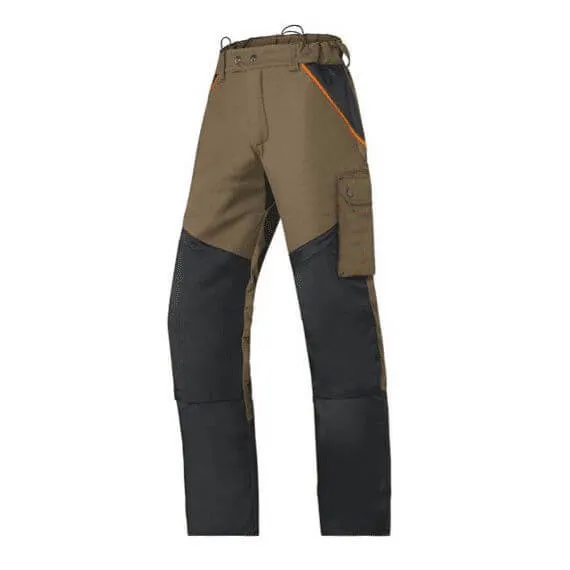
Get a Custom FR Clothing Quote from VisonSafety
FR fabrics share a handful of characteristics that determine protection and wearer comfort: predictable self‑extinguishing behavior, controlled char that insulates, low thermal conductivity to slow heat flow, and anti‑static properties to minimize ignition risk. Seam strength, closures, and garment construction also affect real‑world performance.
The short list below highlights the core fabric properties procurement teams should prioritize when writing specs.
- Self‑extinguishing behavior: Fabric stops burning once the ignition source is removed, avoiding sustained flames.
- Char formation: Fibers form a stable char instead of melting, creating an insulating barrier that reduces heat transfer to skin.
- Low thermal conductivity: Weave, construction, and trapped air slow heat flow, decreasing burn severity in short‑duration events.
These factors together determine how effectively a garment protects people on the job and set the stage for choosing between inherent fibers and chemically treated textiles in the next section.
What Are the Key Characteristics of Flame Resistant Fabrics?
Core FR fabric attributes include thermal stability, controlled char behavior, anti‑static performance, and mechanical durability — each affects protection and service life. Thermal stability prevents fibers from melting or dripping, avoiding secondary injuries and keeping the garment intact during exposure. Controlled char creates an insulating layer that slows heat transfer and reduces the likelihood of second‑ and third‑degree burns. Anti‑static finishes lower the chance of electrostatic discharge in flammable atmospheres, and robust seams and closures maintain coverage through repeated wear and laundering.
These attributes should appear in procurement documents because they influence test outcomes such as TPP and ATPV, and they determine maintenance expectations — for example, how many wash cycles a treated fabric retains its performance — which in turn affects total cost of ownership.
How Does FR Clothing Prevent and Self‑Extinguish Flames?
FR clothing prevents sustained combustion through material chemistry and controlled thermal degradation that favor char and non‑flammable residues rather than flaming decomposition. Inherent FR fibers have polymer backbones that form stable carbonaceous char under heat; treated textiles use surface chemistries that promote char formation or dilute combustible volatiles. Under flame exposure these mechanisms reduce oxygen access at the surface and interrupt the combustion feedback loop. The result is self‑extinguishment and a lower heat release rate.
This staged response — ignition, controlled decomposition, char formation, and self‑extinguish — gives the wearer additional escape time and reduces burn depth compared with non‑FR fabrics.
Examples of certified FR garments that apply these mechanisms include shirts, jackets, coveralls, pants, vests, sweatshirts, rainwear, and headgear. Manufacturers with OEM/ODM capabilities can produce these styles to spec and provide custom samples so you can verify fit, construction, and lab‑proven performance in the real world; request samples during the evaluation phase.
What Are the Different Types of FR Fabrics and How Do They Work?
FR fabrics generally fall into two categories: inherently flame‑resistant fibers and chemically treated textiles. Each has distinct mechanisms, longevity, and comfort tradeoffs. Inherent fibers such as meta‑aramid provide durable resistance because the chemistry is built into the polymer backbone. Treated fabrics rely on surface finishes that can lose effectiveness over time or with repeated laundering. Choosing between them requires balancing ATPV/TPP performance, weight, breathability, and life‑cycle cost.
Below is a comparison table summarizing common fabric types, typical performance ranges, and common industry uses to help procurement teams evaluate options.
| Fabric Type | Inherent vs Treated | Typical ATPV/TPP Range | Comfort / Common Industries |
|---|---|---|---|
| Meta‑aramid | Inherent | Medium–High ATPV / High TPP | Durable — well suited to utilities and welding |
| Modacrylic blends | Inherent/Treated blends | Medium ATPV / Medium TPP | Comfort and protection balance for manufacturing |
| Treated cotton | Treated | Low–Medium ATPV / Lower TPP | Breathable — common in oil & gas and general labor |
How Do Inherently Flame Resistant Fabrics Like Meta‑Aramid Work?
Meta‑aramid fibers resist flames because their aromatic polyamide backbone forms a stable char rather than melting or dripping. Under heat, these polymers decompose in a controlled way that leaves an insulating carbonaceous layer, preserving fabric structure and slowing heat transfer. Because the protection is intrinsic to the fiber, performance remains consistent through repeated laundering and wear, making meta‑aramid a frequent choice for high‑hazard work such as welding and electrical utilities. When specifying these materials, request manufacturer test data showing ATPV and TPP values to confirm suitability for the intended hazard.
The durability and predictable performance of inherent fibers often make them the most cost‑effective option over a garment’s lifecycle.
How Are Treated Flame Retardant Fabrics Made and How Do They Perform?
Treated FR fabrics receive chemical finishes applied to cotton or blends that promote char formation or interrupt ignition pathways. These treatments modify the surface chemistry to release non‑flammable gases, form protective char, or create a thermal shield during exposure. Treated fabrics can offer excellent comfort and breathability at a lower purchase price, but durability depends on the treatment chemistry and laundering. Periodic re‑treatment or defined laundering limits may be required. Buyers should specify minimum performance after a set number of wash cycles and confirm OEM/ODM flexibility for re‑treatment and minimum order quantities.
Manufacturers that supply both inherent and treated options can help match fabric selection to the workplace hazard and comfort needs.
How Do FR Clothing Certifications Ensure Safety and Compliance?
Certifications verify that FR garments meet measurable performance thresholds in controlled tests, turning lab data into procurement confidence. Standards such as NFPA, EN, and UL set hazard‑specific tests for flash fire, convective/radiant heat, and arc flash, with clear pass/fail criteria and labeling rules. For buyers, certifications reduce liability, make supplier comparison easier, and help ensure garments meet regulatory or corporate safety policies.
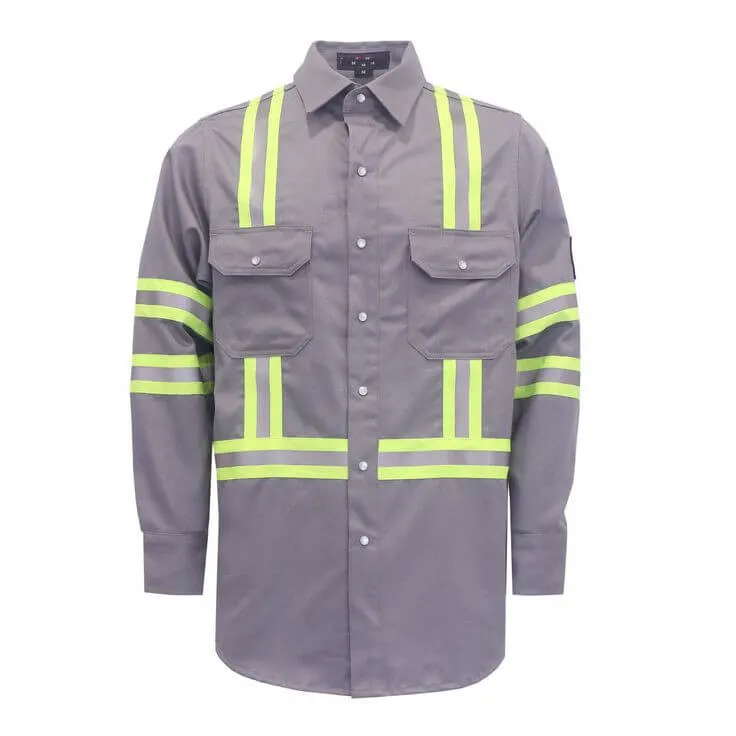
Get a Custom FR Clothing Quote from VisonSafety
Below is an easy‑to‑scan certification table mapping common standards to the hazards they cover, the key tests, and what each standard guarantees for buyers.
| Standard | Hazard Covered | Key Test(s) | What It Guarantees |
|---|---|---|---|
| NFPA 2112 | Flash fire | Flash fire exposure and seam strength tests | Protection against short‑duration flash fire exposure |
| EN 11612 | Heat and flame (Europe) | Convective, radiant, and molten metal tests | Multi‑mode heat protection under European norms |
| UL / ANSI | Product safety and visibility | Product‑level safety and hi‑vis testing | Compliance with product safety and visibility requirements |
This mapping helps procurement teams ask the right questions and request the specific test reports that match workplace hazards.
Certifications provide traceable evidence of performance, but supplier QA practices matter just as much: 100% fabric batch testing, strong quality control, and material traceability are critical. VisonSafety emphasizes certified manufacturing, batch testing, on‑time delivery, and flexible MOQ to support B2B evaluations; request certification documentation from suppliers during sourcing to verify claims before you place an order.
What Are the Main FR Clothing Standards: NFPA 2112, EN 11612, UL, and ANSI?
NFPA 2112 centers on garments for flash fire protection and tests materials and assemblies under a standardized flash fire exposure to ensure garment integrity and limit burn injury. EN 11612 is the European standard addressing convective and radiant heat and includes classifications for different heat exposures. UL and ANSI standards cover product‑level safety, visibility, and specific performance aspects such as electrostatic properties. Because each standard targets different hazards and test methods, it’s essential to specify the correct standard(s) to match workplace risks.
Procurement teams should list required standards in technical documents and ask manufacturers for full test reports as part of the bid process.
Why Are These Certifications Important for Industrial FR Apparel?
Certifications translate material science into auditable performance criteria that satisfy regulators, insurers, and corporate safety programs. For buyers, certified garments lower procurement risk by ensuring consistent performance across batches and providing documented evidence for safety audits and incident investigations. Certification also simplifies supplier comparisons because metrics like ATPV and TPP are reported in standardized units that directly map to hazard mitigation needs.
Requiring certified products and traceable batch testing helps organizations maintain compliance and better protect workers under defined exposure scenarios.
How Does FR Clothing Provide Thermal and Arc Flash Protection?
FR clothing provides thermal protection through low thermal conductivity, insulating char formation, and layered construction that absorb and dissipate incident energy. Arc flash protection depends on arc‑rated materials that resist electrical energy without catastrophic failure. Two lab metrics convert test results into procurement values: Thermal Protective Performance (TPP), which estimates energy to cause a second‑degree burn, and Arc Thermal Performance Value (ATPV), which quantifies the incident energy a fabric can withstand. Use these metrics to specify the garment rating required for a given hazard.
The table below clarifies how ATPV and TPP map to injury risk and buyer guidance.
| Metric | What It Measures | Buyer Guidance |
|---|---|---|
| TPP | Energy (cal/cm²) required to reach a second‑degree burn threshold | Choose a TPP that matches expected convective and radiant heat exposures |
| ATPV | Incident energy (cal/cm²) producing a 50% likelihood of a second‑degree burn | Specify ATPV per the arc flash study and define required garment coverage |
| Category/Rating | Classification based on ATPV/TPP ranges | Combine ATPV/TPP with coverage to determine the PPE ensemble for a task |
How Does Thermal Insulation in FR Fabrics Reduce Burn Injuries?
Thermal insulation lowers burn risk by slowing heat transfer to the skin through trapped air, multi‑layer constructions, and char formation that increases thermal resistance. Insulating layers absorb and disperse incident energy, reducing the rate at which skin temperature rises during short events and lowering the chance of second‑degree burns. Material thickness, weave density, and stable char formation all influence insulation. When specifying garments, balance required insulation with mobility and heat stress; choose fabrics and layering strategies that suit task duration, ambient conditions, and the hazard profile.
Right‑sized insulation depends on the duration of exposure, working environment, and the nature of the thermal risk.
What Is Arc Flash Protection and How Is It Measured in FR Clothing?
Arc flash protection covers exposure to electrical energy where clothing must resist ignition, melting, and excessive heat transfer. It’s measured primarily by ATPV, reported in cal/cm², which represents the incident energy a fabric can withstand with a 50% chance of a second‑degree burn — higher ATPV equals greater protection. Arc‑rated garments must be specified by ATPV and by the body regions at risk; procurement should require ATPV values, full arc test reports, and clear garment coverage diagrams. Also verify supplier QC practices, including batch testing and material traceability, for arc‑rated fabrics.
Asking for ATPV values, complete test reports, and documented traceability ensures garments fit the electrical hazard profile at your site.
Influence of Textile Material on Flame Resistance Ratings
This study evaluated flame spread across five uniform fabric constructions using 200 specimens in plain and twill weaves. Materials tested included 100% cotton; 100% polyester; 67% polyester/33% cotton; 50% polyester/50% wool; and 55% polyester/45% wool, measured in both warp and weft directions. Results showed the lowest flame spread rate for the 50% PES/50% WO plain weave in the weft (0.742 ± 0.140 m/s) and the highest for the 67% PES/33% CO plain weave in the filling direction (3.698 ± 1.806 cm/s). The authors suggest future work to reduce flammability could focus on tighter constructions, synthetic blends to improve functionality, fabric orientation, and yarn specifications.
The influence of textile materials on flame resistance ratings of professional uniforms, M.C. Silva‑Santos, 2019
When sourcing FR apparel, prefer manufacturers that operate under ISO 9001, perform 100% fabric batch testing, meet delivery schedules, and offer flexible MOQ — these practices provide measurable supply‑chain assurance. Contact your garment supplier to request certification documents and custom samples so you can validate performance before placing production orders.
Frequently Asked Questions
What are the common applications for flame resistant clothing?
FR clothing is used anywhere workers face thermal hazards: oil & gas, electrical utilities, welding, metal fabrication, and heavy manufacturing. Typical applications include oil rig operations, electrical maintenance, hot‑work and fabrication environments. Properly specified FR garments reduce the likelihood of severe burns and improve escape chances when incidents occur.
How should flame resistant clothing be maintained for optimal performance?
Follow the manufacturer’s care instructions to preserve FR properties. Wash in cold or warm water with mild detergents and avoid bleach and fabric softeners that can degrade treatments. Inspect garments regularly for damage — tears or worn areas can compromise protection. For treated fabrics, track laundering limits and re‑treatment requirements to maintain performance over the garment’s service life.
Can flame resistant clothing be customized for specific workplace hazards?
Yes. Many manufacturers offer customization: different fabric choices, colors, reflective tape, pockets, and fit options. Customization lets organizations meet safety standards while matching branding and operational needs. When ordering custom garments, clearly communicate the hazards and required certifications so the supplier can produce compliant protective wear.
What is the difference between arc‑rated and flame‑resistant clothing?
Arc‑rated clothing is specifically tested to protect against electrical arc flash events; it’s rated by ATPV and must withstand high incident energies without igniting or melting. Flame‑resistant clothing protects against broader flame and thermal hazards but is not necessarily arc‑rated. Employers must assess site risks and choose garments that satisfy both thermal and electrical protection needs where required.
How do I know if my FR clothing is compliant with safety standards?
Check garment labels and certifications from recognized bodies such as NFPA, EN, UL, or ANSI. Ask suppliers for full test reports and certificates of conformity. Procurement teams should keep documentation on file and perform periodic audits to ensure ongoing compliance across production batches.
What are the limitations of flame resistant clothing?
FR garments reduce burn severity and extend escape time but are not “fireproof.” They may not protect against all thermal hazards — for example, molten metal splashes or prolonged, intense exposure can exceed a garment’s protective limits. Treated fabrics can lose effectiveness with repeated washing. Assess the specific hazards and choose appropriate PPE ensembles and administrative controls to manage remaining risks.
Conclusion
Flame‑resistant clothing is a critical layer of protection that lowers burn severity and increases escape time in thermal incidents. Understanding fabric characteristics, certification differences, and performance metrics like ATPV and TPP helps procurement teams specify garments that truly match workplace hazards. Prioritize certified materials, documented QA, and supplier traceability to protect workers and reduce liability. Explore our certified FR apparel range to equip your teams with proven protection.
 English
 Deutsch
 Français
 Polski
 Português do Brasil
 Español
 日本語
日本語 Русский
 العربية
 Italiano
 Nederlands
 Türkçe
 한국어
한국어