
Flame-resistant (FR) clothing protects workers from flash‑fire and arc‑flash hazards during tasks where ignition risk exists. At the same time, outdoor insect exposure creates a practical conflict between personal comfort and garment performance. This guide explains how common repellents—especially DEET and permethrin—interact with FR fabrics, why those interactions matter for safety, and what employers should specify for procurement and maintenance to preserve certification and protective performance. You’ll find the chemistry behind the effects, real‑world workplace implications, recommended treatment and laundering practices, and the standards that govern FR garment care. The guide is organized into four focused sections: DEET’s effects on FR garments; permethrin compatibility and application best practices; broader chemical compatibility and standards; and operational steps businesses can take to protect FR clothing while managing insect control. We frame recommendations with current research and manufacturer guidance so safety and operations teams can make informed decisions in insect‑prone environments.
How Does DEET Insect Repellent Impact Flame Resistant Clothing?
DEET (N,N‑diethyl‑meta‑toluamide) affects FR clothing because it behaves like an organic solvent and is flammable. Those properties can change surface chemistry and, in some cases, reduce a fabric’s apparent flame performance in testing and in service. Mechanically, DEET may dissolve or mobilize finishes and surface residues, leave a combustible film, and mask the thermal decomposition cues that help fabrics resist ignition. Practically, garments with DEET on outer layers can ignite more easily in flash‑fire events, increasing burn severity and risking noncompliance with standards. Because of DEET’s solvent action, workplace controls typically prohibit skin‑applied DEET on FR garments and favor clothing‑applied, non‑flammable alternatives.
Key DEET‑related risks for quick operational reference:
- DEET can raise fabric flammability by leaving combustible residues and acting as a solvent.
- DEET may dissolve or mask surface FR finishes, changing test and field performance.
- Employers should treat DEET contact with garments as a controllable safety hazard—address through policy, laundering, and inspection.
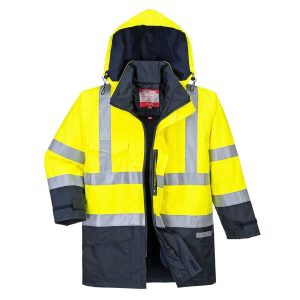
Get a Custom FR Clothing Quote from VisonSafety
Why Is DEET Considered Hazardous for FR Clothing?
DEET’s hazard to FR clothing comes from its chemistry: it can interact with polymer finishes and surface treatments and it has a flash point that contributes to flammability. Laboratory work and field observations show DEET residues can shorten time‑to‑ignition for some treated fabrics and alter visible burn behavior, which directly affects protection during flash fires. The solvent effect also allows other contaminants, like oils, to penetrate deeper into fibers, changing thermal response and complicating cleaning. For those reasons, manufacturers and safety professionals recommend avoiding DEET on FR garments and documenting any solvent‑like exposures during inspections.
From a practical risk‑management view: frequent worker contact with DEET calls for more frequent inspections and stricter retirement criteria for affected garments.
What Are the Real-World Risks of Using DEET on FR Workwear?
On the job, DEET exposure typically happens when workers spray themselves or their clothing for insect protection and then enter ignition‑risk zones. DEET residues plus environmental contaminants (oils, grease) can narrow the safety margin FR clothing provides during flash fires or arc incidents. From a compliance and liability perspective, employers face added risk if they lack documented maintenance and re‑inspection protocols after chemical exposure. Mitigation requires administrative controls: prohibit DEET application to garments, train workers on safe repellent use, and enforce laundering and inspection procedures to remove solvent residues before garments return to hazardous duty.
These operational concerns point to safer alternatives that do not carry the same solvent or flammability issues—permethrin is the primary example.
| Repellent | Flammability Concern | Typical Effect on FR Performance |
|---|---|---|
| DEET | Flammable; solvent‑like | Can increase ignition risk and mask FR finishes |
| Permethrin | Low/non‑flammable when properly bound | Minimal effect when applied correctly |
| Picaridin/IR3535 | Low flammability | Limited data; generally less solvent activity |
This comparison shows why DEET is treated as higher risk and why clothing‑applied permethrin is often the preferred choice for FR garments.
Operational takeaway: avoid DEET on FR apparel and favor non‑flammable, fabric‑binding treatments when insect protection is required.
Is Permethrin a Safe Insect Repellent for FR Clothing?
Permethrin is generally compatible with FR clothing when applied correctly because it chemically bonds to textile fibers rather than acting as a solvent, and it does not leave combustible residues that significantly alter thermal decomposition. Permethrin adheres to the fabric surface and can provide durable insect protection through multiple washes depending on the treatment method. When applied by the factory or by certified re‑treatment services—and when label and manufacturer instructions are followed—permethrin typically does not materially reduce a garment’s flame resistance. That compatibility makes permethrin the recommended option where clothing treatment is needed for outdoor work in insect‑prone areas.
Because application and maintenance affect durability and safety, follow‑up best practices are essential; the next section outlines those steps.
How Does Permethrin Work with Flame Resistant Fabrics?
Permethrin bonds to fibers and is largely non‑volatile, so it contributes far less to fabric flammability than solvent‑based repellents. Factory treatments or certified re‑treatments bind permethrin to fiber surfaces and retain effectiveness across multiple wash cycles, with durability depending on formulation and laundering. Because permethrin does not act as a solvent for FR finishes, it rarely degrades flame resistance—but periodic inspection and verification testing remain prudent to ensure ongoing compliance. This fiber‑binding behavior explains why permethrin is widely recommended for clothing applications.
Recognizing this mechanism informs how you select treatment methods that maximize longevity while preserving FR integrity.
What Are the Best Practices for Applying Permethrin to FR Workwear?
Employers should follow a concise set of best practices when using permethrin on FR garments: select clothing‑specific permethrin products or certified treatments, apply according to product and garment manufacturer instructions, and document reapplication schedules tied to wash cycles. Applying treatments outdoors or through certified facilities reduces inhalation and skin exposure and ensures an even, controlled application that preserves FR behavior. After treatment, implement a laundering and inspection protocol that checks for residue, fabric damage, and label legibility to maintain certification traceability. These steps help ensure permethrin protects against insects without undermining the garment’s protective purpose.
- Use clothing‑specific permethrin treatments: Prefer factory or certified applications for consistent results.
- Follow label and manufacturer instructions: Application method and reapplication intervals are important.
- Document treatment and laundering: Keep records for safety audits and end‑of‑life decisions.
Together, these measures create an auditable system that balances insect protection with FR performance and worker safety.
What Are the Chemical Compatibility Considerations for FR Clothing and Insect Repellents?
Chemical compatibility examines how repellent residues, solvents, and other contaminants interact with FR fabric properties such as ignition resistance, thermal protection, and fiber strength. Primary concerns include residue buildup that masks fiber response, solvent‑driven degradation of FR finishes, and the accumulation of combustible films that reduce time‑to‑ignition. Regular laundering, scheduled inspections, and clear retirement criteria mitigate these effects by removing residues and identifying compromised items. Mapping these compatibility concerns to standards such as NFPA 2113 and ASTM specifications helps procurement and maintenance teams design policies that preserve certification and protect workers.
| Fabric Property | Affected Aspect | Observed Effect / Recommended Action |
|---|---|---|
| Surface Finish | Ignition behavior | Solvent repellents can dissolve finishes — avoid DEET; launder promptly |
| Thermal Decomposition | Time‑to‑ignition | Residues may lower time‑to‑ignition — inspect and retire if performance changes |
| Fiber Strength | Durability | Aggressive chemicals can weaken fibers — follow manufacturer‑approved cleaning |
VisonSafety applies these compatibility principles across manufacturing and testing: we perform 100% fabric batch testing and adhere to EN/ANSI/NFPA/UL certification protocols to help B2B clients evaluate repellent compatibility and procurement specs. For distributors or brands needing tailored guidance, OEM/ODM consultation, sampling, and test‑data support are available to align insect‑protection strategies with maintenance programs and compliance requirements.
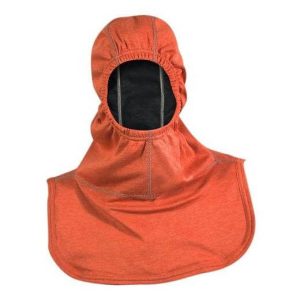
Get a Custom FR Clothing Quote from VisonSafety
How Can Businesses Protect FR Clothing While Using Insect Repellents?
Businesses can protect their FR investments by implementing three core controls: procurement policies that specify approved repellents (favoring permethrin for clothing), maintenance workflows that include laundering and inspection after any repellent exposure, and training that teaches workers approved application practices. Operational steps should include reapplication intervals tied to wash cycles, clear signage banning DEET application to garments, and routine audits to verify label legibility and certification markers. These measures reduce contamination risk, preserve certification performance, and create an auditable compliance trail for safety managers. The following subsection translates these controls into manufacturer recommendations and maintenance tactics.
- Set procurement policies that require compatibility testing and approved treatment methods.
- Implement laundering schedules and inspection checkpoints after chemical exposure.
- Train workers on approved repellents and safe application away from FR work zones.
Taken together, these controls turn technical guidance into repeatable procedures that reduce safety risk and extend garment service life.
What Are Manufacturer Recommendations for FR Clothing Care and Insect Repellent Use?
Manufacturers recommend verifying chemical compatibility before applying any repellent to FR garments, using certified clothing‑applied treatments instead of skin‑applied solvents on outer layers, and following laundering protocols that remove residues without damaging FR finishes. Keep labels and technical data sheets with every garment; any deviation from recommended cleaning methods should be discussed with the manufacturer to avoid voiding performance assurances. For tailored programs, manufacturers like VisonSafety offer OEM/ODM services, sampling and testing support, and guidance aligned with EN/ANSI/NFPA/UL frameworks so procurement and safety teams can implement compatible insect‑protection strategies. Engaging manufacturers early helps ensure treatments, laundering, and retirement criteria preserve FR function.
These manufacturer‑aligned practices make repellent use part of a managed garment lifecycle, not an ad‑hoc worker habit.
How Does Proper FR Clothing Maintenance Reduce Safety Risks from Insect Repellents?
Proper maintenance—regular laundering with approved detergents, scheduled inspections for soiling or chemical residue, and timely retirement of compromised garments—removes contaminant films that can mask FR behavior and identifies items with reduced protective performance. Protocols that track wash counts and re‑treatment logs help measure permethrin efficacy and flag garments exposed to prohibited chemicals like DEET for immediate removal. Routine training and recordkeeping build organizational habits that reduce human error and ensure audit readiness. By linking maintenance records to procurement specifications and manufacturer test data, businesses close the loop from acquisition to retirement, preserving worker protection and minimizing regulatory and liability exposure.
- Regular laundering removes residues that could mask flame behavior.
- Inspections after chemical exposure identify garments that may need retirement.
- Documentation ties maintenance actions to compliance requirements and manufacturer guidance.
VisonSafety’s production and testing capabilities support these maintenance practices by supplying certified FR garments and offering consultation on sampling and testing protocols for B2B clients seeking proven compatibility data and custom OEM/ODM solutions.
In short: disciplined maintenance, informed procurement, and close manufacturer collaboration reduce the safety risks associated with insect repellents while keeping FR clothing functional and compliant.
Does Insect Repellent Affect FR Clothing | FAQs
1. Can I use DEET on my FR clothing if I wash it frequently?
No. DEET is not recommended on FR clothing, even with frequent washing. It acts as a solvent that can degrade flame‑resistant finishes and increase flammability. Washing may remove some residue, but it does not guarantee full restoration of protective properties. Employers should prohibit DEET on FR garments to maintain safety and compliance.
2. What alternatives to DEET are safe for use with FR clothing?
Permethrin is the most widely recommended alternative for treating clothing because it bonds to fibers and is not solvent‑based. Picaridin and IR3535 generally show low flammability and minimal solvent activity but have less published data for FR applications. Always use repellents formulated and labeled for clothing, and follow manufacturer guidance.
3. How often should I inspect FR clothing treated with insect repellents?
Inspect FR clothing after each laundering cycle and after any known chemical exposure. Focus inspections on fabric condition, visible residue, label legibility, and signs of degraded flame behavior. A routine inspection schedule helps ensure garments remain compliant and protective.
4. What should I do if my FR clothing has been exposed to DEET?
Remove the garment from service immediately and follow your protocol for inspection and laundering to attempt residue removal. Depending on exposure extent, the garment may need to be retired. Document the exposure and actions taken to support audits and safety reviews.
5. Are there specific laundering instructions for FR clothing treated with permethrin?
Yes. Use mild detergents; avoid bleach and fabric softeners, which can degrade treatments. Wash in cold or warm water and air dry or tumble dry on low. Track wash counts and inspect garments regularly to verify the permethrin treatment and flame‑resistant properties remain intact.
6. How can businesses ensure compliance with FR clothing maintenance standards?
Establish clear policies that list approved repellents, set laundering schedules, and define inspection protocols. Train employees on safe application practices and the importance of garment integrity. Maintain records of inspections, treatments, and any chemical exposures to create an auditable compliance trail.
7. What are the long-term effects of using incompatible repellents on FR clothing?
Using incompatible repellents like DEET can cause long‑term degradation of flame resistance. Over time, chemicals may weaken fibers, reduce thermal protection, and increase flammability, compromising worker safety and raising employer liability. Regular maintenance and adherence to manufacturer guidance are essential to extend garment life and performance.
Conclusion
Knowing how insect repellents interact with FR clothing is essential to protecting workers and preserving garment performance. Prioritize compatible repellents such as permethrin, follow manufacturer and label instructions, and put rigorous maintenance and inspection protocols in place. Clear policies, worker training, and documentation close the loop from procurement to retirement and reduce both safety and compliance risks. For tailored guidance on integrating insect protection into your FR program, explore our resources or contact VisonSafety for OEM/ODM support.
 English
 Deutsch
 Français
 Polski
 Português do Brasil
 Español
 日本語
日本語 Русский
 العربية
 Italiano
 Nederlands
 Türkçe
 한국어
한국어