
Hydrogen peroxide is a common oxygen bleach and oxidizer. When it contacts flame-resistant (FR) clothing, it can alter flame‑retardant finishes and, over time, damage the fibers themselves. This guide explains both the chemistry and the practical implications, outlines which chemicals and laundry additives to avoid, and provides B2B-ready washing and stain‑removal protocols to help preserve FR performance and compliance. You’ll learn how oxidizers reduce protection, how to spot visual and functional damage, and step‑by‑step laundering practices suitable for industrial laundries and small batches. The guide maps the problem (oxidation of FR finishes), operational responses (load separation, approved detergents, inspection), and escalation paths (professional laundering and lab testing) so procurement and laundry managers can act with confidence.
How Hydrogen Peroxide Impacts Flame‑Resistant Clothing
Hydrogen peroxide is an oxidizer that can break down flame‑retardant finish molecules and attack fiber chemistries, producing measurable loss of protection and altered fabric integrity. Oxidation can remove or change active FR groups so they no longer promote char formation; repeated exposure may embrittle fibers, causing thinning and reduced thermal resistance. Practically, garments exposed to oxygen bleaches can show stiffness, discoloration and a shortened service life—issues that affect compliance with standards such as NFPA 2112 and EN 11612. Knowing these effects lets laundry managers prioritize safer chemistries and inspection checkpoints that preserve certification‑relevant performance.
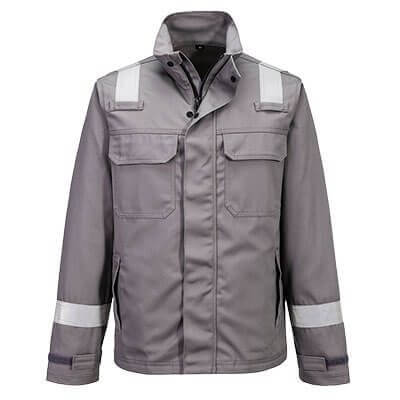
Get a Custom FR Clothing Quote from VisonSafety
Chemical Reactions That Damage FR Fabrics
Hydrogen peroxide attacks flame‑retardant finishes and can trigger chain scission in susceptible polymers, weakening the fiber backbone and lowering mechanical strength. Put simply: the oxidizer strips reactive groups and can break long molecular chains, reducing the fabric’s ability to form a protective char in heat. Visible signs include yellowing, uneven fading, local stiffness and thinning; functional signs include lower thermal protection and greater flammability in patch tests. After accidental exposure, routine inspection and sample testing are essential to determine whether a garment should be retired.
How Oxidation Reduces Flame‑Retardant Performance
Oxidative damage prevents FR finishes from forming a stable char and can remove binders that hold flame‑retardant additives to fibers, resulting in less insulation and faster heat transfer. The sequence is: oxidizer → chemical breakdown of the finish → reduced char formation → measurable drop in flame resistance metrics. That drop can render garments noncompliant with certification criteria. If laundering history or visual inspection suggests oxidation, manufacturers or accredited testing labs should verify performance with batch tests. We offers fabric chemical‑resistance testing and can advise on OEM/ODM fabric choices and laundering tolerances for garments used in harsh cleaning environments.
Impact of Laundering on Firefighter Clothing: Detergent Residue and Flame Retardant Degradation
The study linked degradation of flame‑retardant performance to residual detergent trapped in fibers; dryer heat also contributed. Spin speed (600 vs. 900 rpm) showed no clear effect on FR performance, and increasing rinses from two to five did not remove adsorbed detergent. The authors recommend adjusting spin‑dry profiles and dryer exposure to reduce fabric damage and residual heat, and call for further research on rinse volume and temperature to better manage detergent residue.
The effects of laundering on the protective performance of firefighter clothing, 2021
Chemicals to Avoid When Washing FR Clothing
Certain chemical classes accelerate wear on FR finishes and fibers. Common offenders include chlorine bleaches, oxygen bleaches (like hydrogen peroxide), fabric softeners and solvent‑based spotters. These products either oxidize FR chemistry, leave combustible residues, or strip finish binders, so they should be excluded from FR laundering and pre‑treatment. The table below provides a quick reference on each chemical class, its action and recommended handling to help procurement and laundry teams decide what to forbid or substitute.
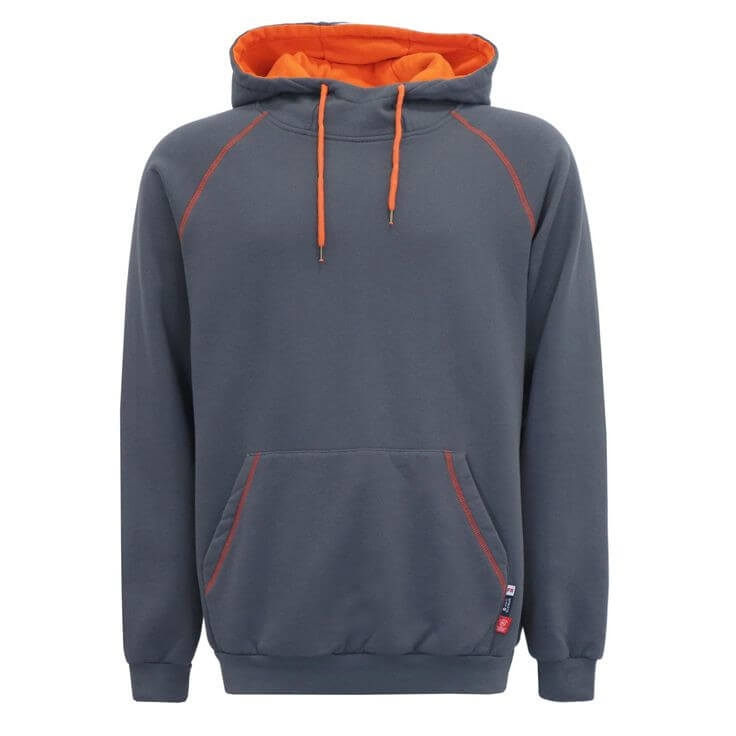
Get a Custom FR Clothing Quote from VisonSafety
Replacing oxidizers and residue‑forming additives with neutral, FR‑compatible detergents reduces damage risk and helps extend garment life.
Why Bleaches and Oxygen Bleaches Harm FR Garments
Bleaches work by oxidation, which can alter or remove flame‑retardant groups and dyes, producing both functional and aesthetic damage. Chlorine bleach is especially destructive and can cause immediate breakdown and color loss. Oxygen bleaches such as hydrogen peroxide act more slowly but still oxidize finishes and can embrittle fibers with repeated exposure. If exposure does occur, rinse thoroughly with clear water, isolate the garments and perform validation testing before returning items to service. The preferred prevention strategy is to adopt bleach‑free laundering protocols.
Other Laundry Additives That Damage FR Clothing
Common additives can harm FR performance through residue, pH shifts or solvent action: fabric softeners, starches, high‑pH detergents and fragranced or enzyme‑rich treatments are examples. Fabric softeners leave a combustible film that reduces arc/flash resistance; starch can alter thermal behavior and trap contaminants; strong alkaline cleaners may strip FR binders. Avoid these additives unless a product is explicitly certified FR‑safe. Keep material records and detergent logs to support traceability and compliance.
Best Washing and Care Instructions for FR Clothing
Washing FR clothing requires a balance between cleaning efficiency and preserving FR chemistry: wash FR loads separately, use a mild, bleach‑free detergent at the manufacturer‑recommended temperature, avoid fabric softeners and high‑alkali boosters, and inspect garments after each cycle. Separation prevents cross‑contamination with oxidizers or solvent residues, and neutral‑pH, low‑residue detergents minimize chemical stress on finishes. Dry at low heat or air‑dry when possible to limit thermal exposure, and check for stiffness, thinning or discoloration after washing to guide retirement decisions.
Which detergents are safe and which practices help preserve lifespan? The table below helps procurement specify permitted detergent attributes for industrial laundries.
These recommendations help procurement and laundry managers specify compatible chemistries and record detergent batches for traceability and compliance.
Operational note for B2B buyers: VisonSafety recommends following manufacturer wash instructions and can provide documentation showing how our ISO‑9001 manufacturing and batch testing align care instructions with garment certifications. For bulk or OEM orders, VisonSafety offers consultative support on detergent compatibility and laundering protocols to help customers maintain FR performance across service cycles.
Which Detergents Are Safe for Washing Flame‑Resistant Workwear?
Safe detergents for FR workwear are neutral‑pH, bleach‑free and low‑residue formulations designed for industrial use. These minimize finish stripping and combustible residues. Confirm detergent compatibility with the garment manufacturer and record the detergent batch in laundry logs to support certification traceability. For procurement, request supplier declarations and test results, and run small‑batch validation washes before making a full switch. This control reduces the risk of unexpected FR degradation.
Washing Practices That Prolong FR Clothing Lifespan
Operational practices that protect FR performance include pre‑inspection, segregated loads, controlled water temperature, avoiding over‑drying and consistent post‑wash inspections with record‑keeping. Use a checklist: inspect for contaminants, wash FR separately, follow recommended cycles and temperatures, air‑ or low‑heat dry, and conduct a post‑wash functional check and log the result. This chain of custody and quality control protects workers and supports regulatory compliance.
Flame‑Retardant Textile Finishing: Properties, Durability, and Performance
This review examines the need for flame‑retardant finishes in the context of textile flammability, relevant legislation and test methods. It outlines finish chemistries for cellulose, wool and synthetic fibers, discusses multifunctional finishes and the particular challenges of polyester/cotton blends, and reviews laundering behavior and finish durability. The paper highlights how finishing treatments affect textile properties and long‑term performance.
Flame‑retardant finishing of textiles, AR Horrocks, 1986
Safely Removing Stains from FR Clothing
Safe stain removal matches the stain class to low‑impact methods that avoid oxidizers and harsh solvents. Immediate actions and spot testing reduce risk. For oil or grease, use absorbent powders and an FR‑safe degreaser; for protein stains, rinse with cold water and use a mild detergent; for industrial chemicals, isolate the garment and follow the safety data sheet. The matrix below gives practical pre‑treatment steps for common stains to guide industrial laundries and onsite managers.
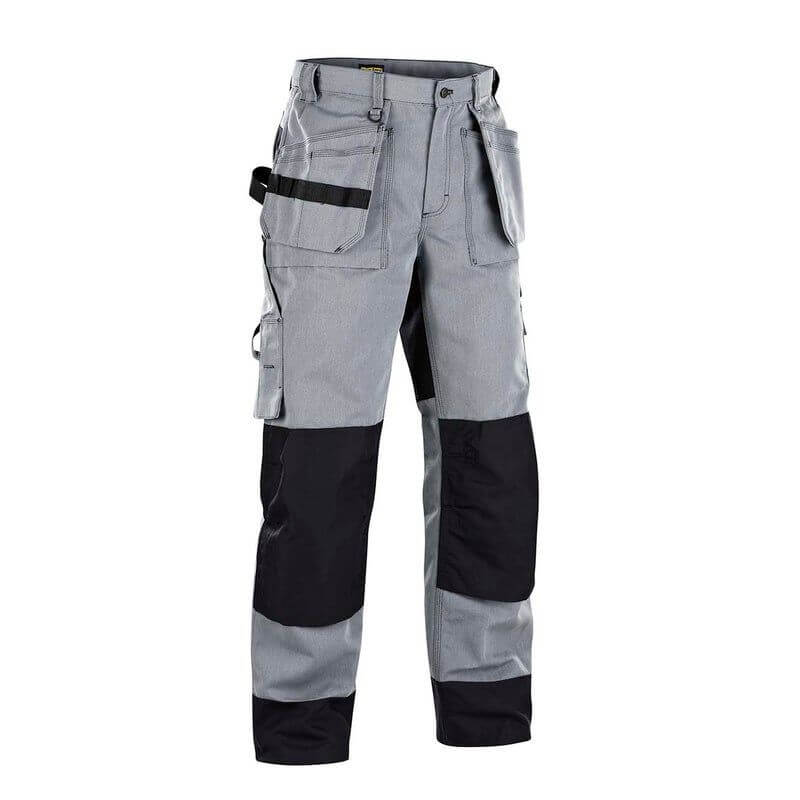
Get a Custom FR Clothing Quote from VisonSafety
This matrix helps teams choose immediate actions that protect FR chemistry while addressing contaminants efficiently.
Safe Pre‑Treatment Methods for Common Stain Types
Conservative, immediate pre‑treatment preserves FR finishes: blot liquids, avoid rubbing, use absorbents for oils, rinse protein stains in cold water and never apply bleach or solvent spotters. Spot‑test any degreaser or stain remover in an inconspicuous area and record the result. If results are uncertain, escalate to professional laundering that can validate outcomes. For industrial contaminants, always follow the chemical SDS and isolate affected garments until a specialist assesses them.
Recommended Products for Stain Removal on FR Workwear
Recommended products include FR‑safe degreasers, neutral‑pH stain removers and low‑residue commercial formulations that explicitly confirm compatibility with FR textiles. Avoid oxygen‑ and chlorine‑based spotters and solvent‑based cleaners unless they carry FR certification. Document product choices, spot‑test results and include outcomes in your laundry QC records to ensure traceability and repeatable, safe cleaning. VisonSafety can advise on product selection and provide batch testing support for customers specifying custom cleaning protocols and labels.
What Does Hydrogen Peroxide Do to FR Clothing | FAQs
What are the signs that FR clothing has been damaged by hydrogen peroxide?
Look for visual cues—yellowing, uneven fading, localized stiffness—and tactile changes like thinning or increased brittleness. Functionally, damaged garments may show reduced thermal protection in patch tests. Regular inspection after laundering is the fastest way to catch these signs and remove compromised garments from service.
How can I ensure the longevity of my FR clothing?
Follow manufacturer care instructions, use neutral‑pH, bleach‑free detergents, wash FR garments separately and avoid high‑heat drying. Inspect garments after each wash and keep records of detergents and washing cycles. These steps help protect FR properties and extend service life.
Are there specific laundering techniques recommended for FR clothing?
Yes. Wash in cold or warm water with a mild, bleach‑free detergent; avoid fabric softeners; air‑dry or use low heat; and segregate FR loads to prevent cross‑contamination. Post‑wash inspections for stiffness, discoloration or thinning are essential to confirm ongoing compliance.
What should I do if my FR clothing accidentally contacts hydrogen peroxide?
Act quickly: rinse the affected area thoroughly with clear water, isolate the garment and inspect for visible damage. If there’s any doubt about performance, perform validation testing or consult a professional laundering service before returning the item to use.
Can I use regular laundry detergents for FR clothing?
No—many household detergents contain bleach, enzymes or high‑alkali ingredients that can degrade FR performance. Use neutral‑pH, bleach‑free, low‑residue detergents formulated for industrial or FR use and document the product and batch in your records.
What are the best practices for stain removal on FR clothing?
Use low‑impact methods: blot instead of rubbing, use absorbents for oils, rinse protein stains in cold water and avoid bleach or solvent spotters unless they are FR‑certified. Always spot‑test and document results to preserve both safety and garment integrity.
How often should FR clothing be inspected for damage?
Inspect FR clothing regularly—ideally after every wash cycle. Focus on visual signs (discoloration, stiffness, thinning) and maintain periodic functional checks as part of a routine QC program. Prompt retirement of compromised garments keeps workers safe and maintains compliance.
Conclusion
Hydrogen peroxide and other oxidizers can undermine flame‑resistant finishes and shorten garment life if they’re used in FR laundering. By avoiding harmful chemicals, choosing neutral, low‑residue detergents, and following careful washing, drying and inspection routines, you can protect FR performance and keep garments in service longer. These practices safeguard workers and support regulatory compliance. For tailored advice, protocol documentation or testing support, contact VisonSafety to discuss your operation’s needs.
 English
 Deutsch
 Français
 Polski
 Português do Brasil
 Español
 日本語
日本語 Русский
 العربية
 Italiano
 Nederlands
 Türkçe
 한국어
한국어