
NFPA 2112 protects workers from flash-fire hazards, but it may not be ideal for wildland operations. This article summarizes NFPA 2112’s scope, contrasts it with wildland standards, and outlines when NFPA 1977 or custom FR solutions better match field needs.
What Is NFPA 2112 and Its Protection Scope?
NFPA 2112 sets performance requirements for flame-resistant garments designed specifically for brief, intense flash fires. The standard emphasizes material behavior and whole-garment testing so clothing resists ignition and reduces burn severity in short-duration events.
Experts stress that specifying independently certified garments is a practical way to protect both employees and organizations from flash-fire risk.
NFPA 2112 Certified Garments for Flash Fire Protection
Specify independently certified NFPA 2112 garments and follow NFPA 2113 guidance to help ensure employee safety and to reduce organizational liability.
Why NFPA 2112 Certified Garments Should Be Specified for Your Flash Fire Hazard, 2015
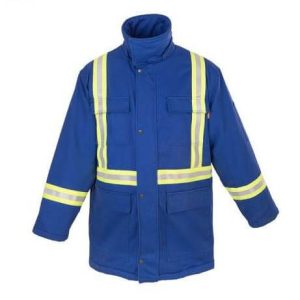
Get a Custom FR Clothing Quote from VisonSafety
How Does NFPA 2112 Define Flash Fire Protection?
Under NFPA 2112, flash-fire protection means a garment resists ignition and forms a barrier that slows flame spread during a short, high-energy event. The standard evaluates full garment systems—including undergarments—so testing reflects real-world use and aims to reduce burn injury and improve survivability.
Which Flame Resistant Fabrics Are Certified Under NFPA 2112?
Several fabric families meet NFPA 2112. Each offers trade-offs in thermal stability, comfort, and durability that affect suitability for specific tasks.
| Fabric Type | Certification | Durability | Performance Characteristics |
|---|---|---|---|
| Nomex® | NFPA 2112 | High | Excellent thermal stability |
| Modacrylic | NFPA 2112 | Moderate | Good flame resistance |
| FR Cotton Blends | NFPA 2112 | Moderate | Comfortable and breathable |
Choose fabric by balancing protection, durability, and comfort for the expected work cycle.
What Are Wildland Fire Protective Clothing Standards?
Wildland standards address hazards typical of the field: longer heat exposure, rugged terrain, and extended wear in hot or variable conditions. Requirements focus on material choice, garment design, and performance so firefighters can operate safely and with manageable heat strain.
What Does NFPA 1977 Require for Wildland Fire Safety Apparel?
NFPA 1977 specifies wildland fire safety apparel requirements, covering material performance, ergonomic design, and visibility. It favors lightweight, breathable garments that still deliver thermal protection and durability to support sustained operations while reducing heat stress.
In practice, field realities—how gear is cleaned, stored, and transported—can make strict compliance difficult, which is why standards should consider operational feasibility.
Wildland Firefighter PPC & NFPA 1877 Standard Compliance
Research shows many wildland firefighters do not isolate contaminated gear, wash PPC at home, or avoid transporting gear in personal vehicles—practices that depart from NFPA 1877 recommendations. The study recommends adapting the standard to reflect practical, service-specific constraints.
Wildland firefighting personal protective clothing cleaning practices in the United States, M McQuerry, 2022
How Does ASTM F1506 Relate to Wildland Fire Protection?
ASTM F1506 provides fabric and garment performance criteria often used where electrical and thermal hazards overlap. While not specific to wildland incidents, its benchmarks can inform selection when multiple hazards exist.
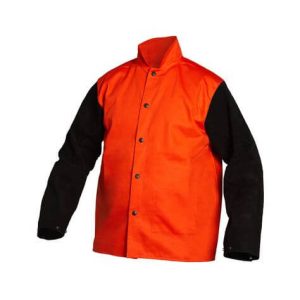
Get a Custom FR Clothing Quote from VisonSafety
How Do NFPA 2112 and Wildland Fire Standards Compare?
Both aim to reduce thermal injury, but they address different exposure profiles. NFPA 2112 targets short-duration flash fires; wildland standards emphasize prolonged exposure, mobility, and breathability. Knowing both helps buyers select gear aligned to operational threats.
What Are the Key Differences Between Flash Fire and Wildland Fire Protection?
Flash fires are abrupt and intense but brief, requiring materials that resist rapid ignition. Wildland fires expose personnel to longer heat, smoke, and abrasion, so clothing must balance protection with breathability, durability, and wearability for extended shifts.
Can NFPA 2112 Certified Clothing Be Used for Wildland Firefighting?
NFPA 2112 garments deliver reliable flash-fire protection but may lack features needed for wildland work. Wildland operations often call for NFPA 1977-compliant apparel or custom designs that prioritize ventilation, mobility, and prolonged comfort. Select garments to match the operational risk profile.
What Custom FR Clothing Solutions Meet Wildland Firefighter Needs?
Custom FR pieces can be tailored to wildland demands. Common items include:
- FR Hard Hat Liners: Add comfort and heat protection under helmets.
- FR Pants: Built for rugged use and extended comfort.
- FR Shirts: Lightweight, breathable options for hot conditions.
- FR Headgear: Shields head and neck from radiant heat and embers.
- FR Coveralls: Full-body protection for varied response scenarios.
- FR Sweatshir: Insulating layers for cool-weather operations.
These pieces help balance protection, mobility, and comfort during long shifts.
How Are Custom FR Garments Tailored for Wildland Fire Safety?
Custom garment development begins with a needs assessment—tasks, climate, and hazards—then progresses through prototypes, fit samples, and performance testing. Iteration ensures the final product meets safety criteria and the practical demands of wildland crews.
Which Certifications Ensure Compliance for Wildland Fire Protective Apparel?
Key standards to consider include:
- NFPA 70E: Electrical safety in the workplace.
- NFPA 2112: Flash-fire protection.
- ASTM F1506: Fabric and garment performance for thermal hazards.
- EN ISO 11612: European standard for protection against heat and flame.
Together, these standards help verify that apparel delivers the protection required for specific risks and operational needs.
To review available options, visit FR clothing to find garments that might suit your team.
If you need guidance or have questions, please contact us — our team can help match solutions to your operational needs.
Does NFPA 2112 Meet the Needs of Wildland Firefighters | FAQs
What are the main differences between NFPA 2112 and NFPA 1977 standards?
NFPA 2112 focuses on brief, high-intensity flash fires and whole-garment performance. NFPA 1977 is tailored to wildland conditions and emphasizes comfort, breathability, durability, and visibility for prolonged operations.
How often should wildland firefighting gear be inspected and maintained?
Inspect gear before every use for damage or contamination. Follow manufacturer wash and repair instructions, and perform a deeper inspection at least annually or after heavy exposure to preserve protection and extend garment life.
Are there specific training requirements for using NFPA 2112 certified clothing?
NFPA 2112 does not mandate training, but users should be trained in donning/doffing, garment limitations, and maintenance. Employers must ensure workers understand how care and use affect protection.
What role does moisture management play in flame-resistant clothing?
Good moisture management reduces heat stress and helps maintain thermal protection. Wet or saturated garments can lower performance and increase burn risk, so select FR fabrics that wick and dry quickly.
Can NFPA 2112 certified clothing be used in other industries besides firefighting?
Yes. NFPA 2112 is appropriate for workplaces with flash-fire risk—such as oil and gas, chemical processing, and utilities—provided the certification matches the site hazards.
What are the benefits of custom FR clothing solutions for wildland firefighters?
Custom FR clothing offers improved fit and functionality. Features like reinforced seams, strategic pockets, lightweight fabrics, and reflective trim increase comfort, mobility, and safety for sustained field work.
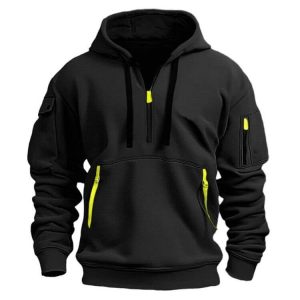
Get a Custom FR Clothing Quote from VisonSafety
Conclusion
Understanding NFPA 2112 and wildland-focused standards is essential for outfitting crews safely. NFPA 2112 offers flash-fire protection, but wildland operations often benefit more from NFPA 1977-compliant garments or custom FR solutions that balance protection, breathability, and durability. Contact us for recommendations tailored to your team.
 English
 Deutsch
 Français
 Polski
 Português do Brasil
 Español
 日本語
日本語 Русский
 العربية
 Italiano
 Nederlands
 Türkçe
 한국어
한국어