
Flame resistant (FR) clothing shields workers from thermal hazards using fibers and treatments that delay ignition and limit heat transfer. However, many buyers question: does FR clothing contribute to cancer risk? This article clarifies what flame retardant chemicals are, their health impacts, and why material selection is crucial for workplace safety and procurement teams. You’ll learn the distinction between inherently flame-resistant fabrics and those treated with chemicals, how PFAS and other retardants relate to cancer risk, what certifications verify, and practical steps employers can take to minimize exposure. Our guidance is evidence-based, B2B-focused, and incorporates current research and regulatory trends to inform purchasing decisions. We also outline relevant certifications and provide vendor assurance checkpoints, enabling procurement teams to balance thermal protection with chemical safety. Keywords such as “FR clothing,” “PFAS-free FR clothing,” “inherently flame resistant,” and “NFPA 2112” are integrated throughout the analysis to assist readers in evaluating risk and compliance.
What Are Flame Retardant Chemicals and How Do They Affect Health?
Flame retardant chemicals are substances added to textiles or embedded within fibers to inhibit ignition and slow flame spread. They function by disrupting combustion chemistry or forming a protective char layer. These compounds encompass various chemical families, differing in their persistence, tendency to bioaccumulate, and toxicity. Their presence in FR clothing can create exposure routes through skin contact, airborne dust, or during laundering. Understanding these specific chemical families empowers procurement teams to assess long-term health trade-offs and select safer alternatives. The subsequent section details the primary chemical types historically and currently used in textiles.
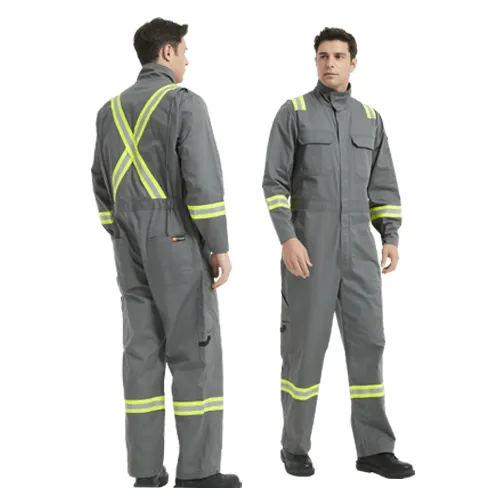
Get a Custom FR Clothing Quote from VisonSafety
What Types of Flame Retardants Are Used in FR Clothing?
This section identifies the major chemical families employed in FR applications and notes their current status and common uses. In recent decades, brominated flame retardants and polybrominated diphenyl ethers (PBDEs) saw widespread application but are now largely phased out due to concerns about persistence and toxicity. Organophosphate flame retardants (OPFRs) and various brominated compounds have been introduced as replacements, while PFAS-based finishes are applied for oil and water repellency, and sometimes for flame performance. These shifts highlight how regulatory pressure and safety data drive substitution, underscoring the importance for buyers to request transparent chemical declarations from suppliers.
Different flame retardant classes and their health implications:
- Brominated flame retardants / PBDEs: Historically prevalent; linked to persistence and neurodevelopmental concerns.
- Organophosphate flame retardants (OPFRs): Used as substitutes; some exhibit endocrine and neurotoxic effects.
- PFAS-based finishes: Provide durable repellency and flame resistance; notable for persistence and bioaccumulation.
This list emphasizes the necessity of material transparency and targeted testing prior to making procurement decisions.
| Chemical Family | Typical Use in Textiles | Known Health Concerns / Regulatory Status |
|---|---|---|
| PFAS (per- and polyfluoroalkyl substances) | Durable water/oil repellency, sometimes FR finishes | Persistent, bioaccumulative; linked to cancer and immune system effects; subject to increasing regulation |
| PBDEs (brominated) | Historically used flame retardants | Phased out in many regions due to persistence and developmental toxicity |
| OPFRs (organophosphate) | Replacement flame retardants | Emerging concerns: endocrine disruption, neurotoxicity; ongoing monitoring advised |
This table summarizes key chemicals, enabling buyers to quickly assess risks and prioritize testing and PFAS declarations.
Is FR Clothing Toxic? Differentiating Inherently Flame Resistant Fabrics from Chemically Treated Ones
The toxicity of FR clothing largely depends on how flame resistance is achieved: through inherent fiber chemistry or via surface-applied chemical treatments. Inherently flame-resistant fabrics utilize fibers with a molecular structure that resists ignition, offering consistent performance without relying on post-treatment chemicals. Chemically treated textiles achieve FR properties through applied additives that may migrate, degrade, or transfer to the skin over time, posing potential exposure and lifecycle concerns. Procurement teams should therefore consider durability, worker exposure, and end-of-life management when comparing options.
What Are Inherently Flame Resistant Fabrics and Why Are They Safer?
Inherently flame-resistant fabrics provide protection through their fiber chemistry rather than applied finishes. Examples include meta-aramid and modacrylic fibers, which char or insulate when exposed to heat. As no post-treatment is necessary, these fibers reduce the risk of chemical migration, lower long-term exposure potential, and maintain their FR performance through laundering and wear. Inherently FR materials like meta-aramid are also durable, allowing employers to rely on consistent thermal protection and fewer chemical declaration obligations. This advantage makes inherent fibers a preferred choice for minimizing worker exposure while meeting safety standards.
How Do Chemically Treated FR Fabrics Compare in Terms of Safety?
Chemically treated FR fabrics receive finishes that impart flame resistance but may allow chemicals to migrate from the fibers to the skin, dust, or wastewater during laundering. The efficacy of these treatments can diminish with repeated washing and abrasion, potentially increasing exposure as finishes break down and release particles. Employers should evaluate treatment durability, recommended laundering procedures, and whether the treatments involve PFAS or other persistent substances. These lifecycle considerations mean chemically treated options may necessitate stricter supplier transparency and periodic testing to manage occupational health risks.
How Does VisonSafety Ensure Non-Toxic, PFAS-Free FR Clothing?
VisonSafety prioritizes manufacturing controls and quality systems to minimize hazardous chemical presence in FR apparel and to support B2B risk management. The company operates an ISO 9001 certified facility and implements comprehensive quality control, including 100 percent fabric batch testing, ensuring material traceability for three years or more. VisonSafety also communicates certified compliance with standards such as NFPA 2112, EN 11611, and EN 1149, assisting buyers in aligning protective performance with chemical safety expectations. These operational practices provide procurement teams with verifiable checkpoints for selecting PFAS-free workwear and reducing worker exposure.
Are PFAS Chemicals in Flame Resistant Clothing Harmful? Risks, Regulations, and Industry Trends
PFAS are a group of synthetic chemicals valued for their resistance to heat, water, and oils. They are often called “forever chemicals” due to their environmental persistence and slow elimination from the human body. Evidence links certain PFAS to cancer, immune dysfunction, and other adverse health outcomes, prompting regulatory action and increased industry scrutiny. For procurement teams, the critical task is distinguishing PFAS-containing finishes from PFAS-free alternatives and documenting chemical declarations to manage liability and ensure worker protection. The following section defines PFAS concisely and explains their persistence.
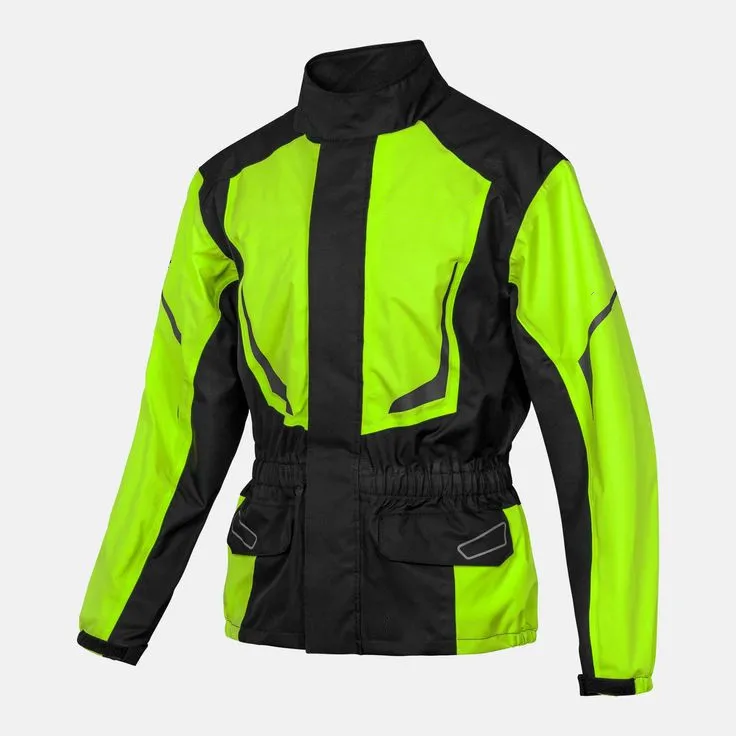
Get a Custom FR Clothing Quote from VisonSafety
What Are PFAS and Why Are They Called “Forever Chemicals”?
PFAS are fluorinated compounds characterized by strong carbon-fluorine bonds that resist degradation, allowing them to persist in the environment and accumulate in living organisms. Their inherent chemical stability means PFAS can bioaccumulate through food chains and remain detectable in human blood, raising concerns about long-term health effects. This persistence is the primary driver behind regulatory attention and market shifts away from PFAS-containing finishes in apparel. Understanding PFAS chemistry empowers buyers to demand verified PFAS-free claims and targeted testing as part of their supplier due diligence.
Which Regulations Are Restricting PFAS Use in FR Clothing?
Regulatory actions are increasingly limiting PFAS in both consumer and industrial products. Several U.S. states and international bodies have implemented restrictions affecting textile finishes and manufacturing supply chains. Procurement teams must stay informed about regional rules and their effective dates, prioritize suppliers who disclose their PFAS status, and require conformity documentation to mitigate compliance risks. The following list highlights practical regulatory checkpoints that buyers should monitor.
- State-level bans or restrictions: Monitor regional prohibitions that may limit PFAS in clothing finishes. (dceg.cancer.gov)
- International proposals and restrictions: Keep abreast of EU and other jurisdictions pursuing broader PFAS controls. (dceg.cancer.gov)
- Corporate and buyer mandates: Numerous large purchasers now require PFAS declarations and test results. (dceg.cancer.gov)
These evolving regulatory trends underscore the importance of supplier transparency and proactive PFAS screening during the sourcing process.
How Is the Industry Moving Toward PFAS-Free FR Clothing Solutions?
Manufacturers and brands are responding to PFAS concerns by reformulating products, adopting inherently flame-resistant fibers, and pursuing certification-driven sourcing that emphasizes chemical safety. Growing demand for PFAS-free workwear is prompting suppliers to offer alternative finishes and to provide documentation for batch testing and material traceability. This market evolution favors suppliers who offer clear chemical declarations and robust quality control, enabling B2B clients to reduce exposure and comply with evolving regulations. The next section explains how certifications contribute to these safety assurances.
How Do Certifications Ensure the Safety of Flame Retardant Clothing?
Certifications establish performance and testing criteria related to thermal protection and, in some instances, material stability and flammability under realistic conditions. Standards like NFPA 2112 and EN 11611 define thermal performance, while additional testing and manufacturer quality systems support product consistency and traceability. Certifications reduce procurement risk by offering third-party validation of protective performance and by establishing testing protocols that indirectly limit chemical migration through requirements for durability and performance. The subsequent section lists key global standards and their scope.
What Are the Key Global Certifications for FR Clothing Safety?
Major standards include NFPA 2112 for flash fire protection, NFPA 70E for electrical safety, EN 11611 for welding protection, EN 1149 for electrostatic properties, and UL and ANSI testing frameworks for material performance. Each certification evaluates specific aspects: thermal protection, arc rating, resistance to ignition, or electrostatic behavior—criteria critical for worker safety in particular hazards. Buyers should request copies of certifications and confirm that the test methods align with workplace risks. These standards, coupled with manufacturing quality control, create a layered assurance strategy for procurement teams.
| Certification | Scope / What It Tests | Relevance to Chemical Safety & Worker Protection |
|---|---|---|
| NFPA 2112 | Flash fire thermal protection | Confirms garment resists ignition and limits burn injury; supports durable performance that reduces chemical leaching risk |
| EN 11611 | Protection for welding | Validates protection against sparks and flames common in welding; durability requirements ensure consistent safety |
| EN 1149 | Electrostatic properties | Tests for ESD control in hazardous environments; material selection impacts worker safety in explosive atmospheres |
This table correlates certifications with their testing scope and their role in mitigating exposure and liability.
How Do Certifications Address Chemical Safety and Worker Protection?
Certifications primarily focus on performance outcomes—how garments react under heat, arc, or spark exposure—and often mandate repeatable test methods that favor durable materials and consistent manufacturing. By validating material performance and requiring documented test results, certifications encourage suppliers to maintain quality control processes that minimize reliance on unstable surface treatments. Consequently, certified products tend to offer more predictable protection and assist B2B clients in meeting regulatory and workplace safety obligations. The following section illustrates how supplier quality practices translate into worker health benefits.
How Does VisonSafety’s Certified FR Apparel Protect Workers from Health Risks?
VisonSafety’s certified product lines and manufacturing controls are designed to align protective performance with the chemical safety needs of B2B buyers. The company declares compliance with standards such as NFPA 2112, EN 11611, and EN 1149, and emphasizes 100 percent fabric batch testing and comprehensive quality control to ensure consistent material properties. Material traceability for over three years and ISO 9001 facility management assist procurement teams in verifying certificates and test reports, reducing uncertainty regarding PFAS or other harmful additives. These practices support safer sourcing by linking certification evidence to operational quality assurance.
What Are the Long-Term Health Considerations for Wearing FR Clothing?
Long-term health considerations primarily involve cumulative exposure to specific flame retardant chemicals, the durability of protective finishes, and maintenance practices that influence chemical migration. Current research indicates associations between certain flame retardants (notably some PFAS and legacy brominated compounds) and cancer or endocrine effects. However, the magnitude of risk depends on the chemical type, treatment persistence, and workplace controls. Employers can minimize risk through careful material selection, supplier testing, appropriate laundering protocols, and timely garment retirement. The following section examines evidence regarding chronic exposure and cancer risk.
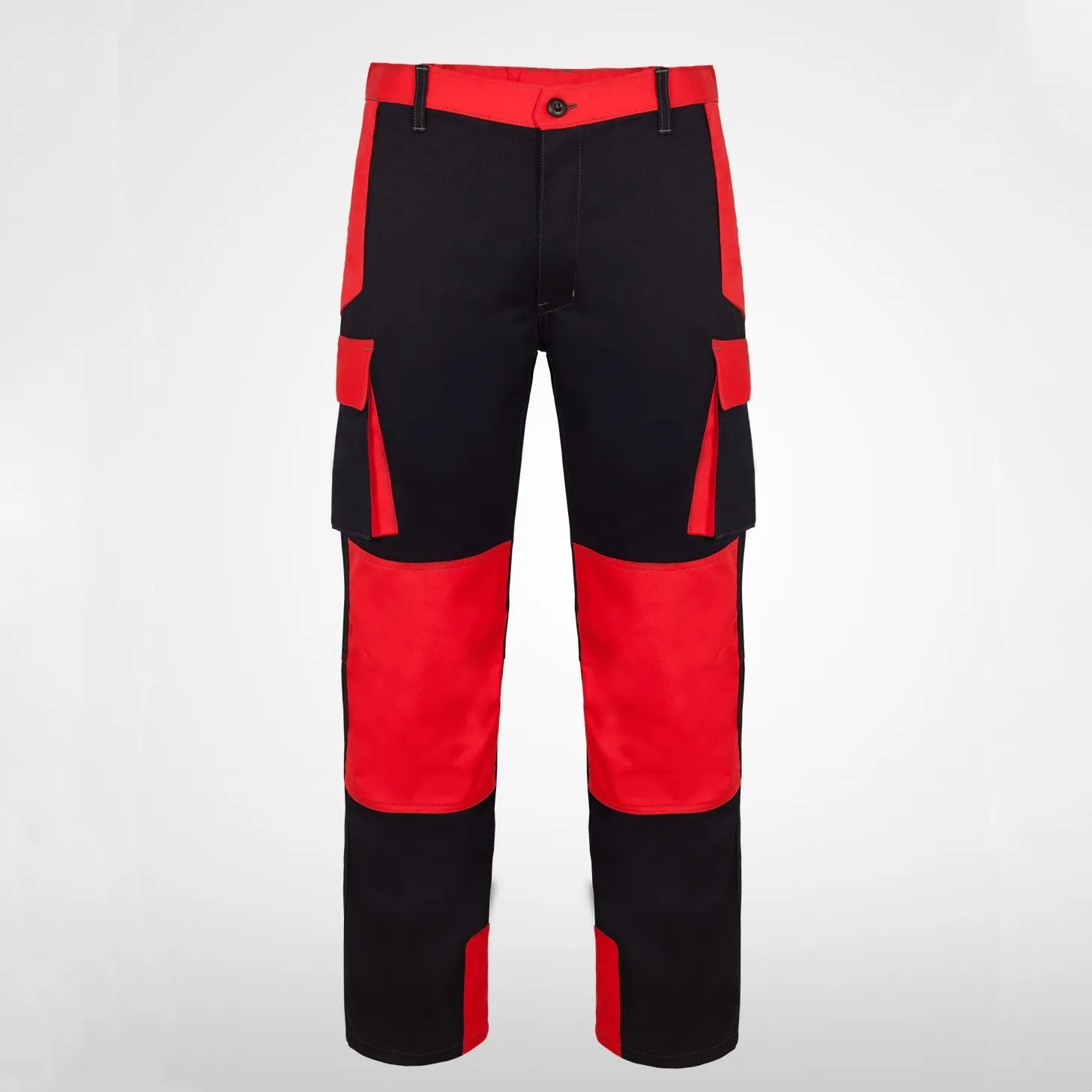
Get a Custom FR Clothing Quote from VisonSafety
Can Prolonged Use of FR Clothing Increase Cancer Risk?
Prolonged exposure to specific flame retardants has been linked in epidemiological studies to an increased risk of cancer and other health issues, particularly for persistent compounds like certain PFAS and legacy brominated retardants. Nevertheless, the extent of risk is contingent upon the exposure dose, compound properties, and workplace hygiene; not all FR clothing presents the same level of risk. Opting for inherently FR fibers, requesting PFAS-free declarations, and engaging certified suppliers with batch testing capabilities can reduce long-term exposure. Employers should interpret study findings within their proper context and implement procurement and occupational hygiene measures to mitigate cumulative risk.
How Does Proper Care and Maintenance Affect FR Clothing Safety?
Appropriate laundering, inspection, and timely retirement of FR garments are essential for maintaining protective performance and reducing opportunities for chemical migration to the skin and the work environment. Recommended practices include adhering to manufacturer laundering instructions, isolating contaminated garments, conducting regular inspections for wear or damage, and replacing garments that exhibit degradation of protective properties. Routine maintenance minimizes the emission of fibers and residues, preserving both thermal protection and chemical safety. The subsequent section provides a procurement checklist to help operationalize these practices.
The following checklist assists B2B buyers in ensuring compliant and safer FR clothing procurement.
- Request certification and test reports: Confirm NFPA, EN, or UL documentation that aligns with intended hazards.
- Require chemical declarations: Ask suppliers to disclose PFAS and other flame retardant families present in finishes.
- Verify QC and traceability: Insist on batch testing and material traceability for a minimum of three years.
- Prefer inherent FR fibers when possible: Favor meta-aramid or modacrylic to reduce reliance on surface treatments.
How Can B2B Clients Ensure Compliance and Worker Safety with Safe FR Clothing?
Procurement teams should integrate certification verification, material declarations, supplier audits, and sample testing to ensure that purchased FR clothing effectively balances flame protection with chemical safety. Contractual clauses mandating batch testing, traceability, and PFAS-free confirmation serve as effective controls, as do on-site audits of manufacturer quality systems and verification of ISO 9001 processes. Educating workers on proper care and laundering further minimizes exposure pathways and extends garment performance. By implementing these controls, buyers can meet regulatory obligations while safeguarding worker health.
VisonSafety provides manufacturing assurances—certified compliance, comprehensive quality control with 100 percent fabric batch testing, material traceability for over three years, and an ISO 9001 facility—that support these procurement practices. B2B clients seeking PFAS-free samples and verified certifications can request documentation and product samples to validate chemical safety and protective performance before scaling their orders.
 English
 Deutsch
 Français
 Polski
 Português do Brasil
 Español
 日本語
日本語 Русский
 العربية
 Italiano
 Nederlands
 Türkçe
 한국어
한국어