
Safety vests, particularly high-visibility vests, play a crucial role in enhancing worker safety across various industries. These garments are designed to improve visibility in low-light conditions and high-risk environments, thereby reducing the likelihood of accidents. This article delves into the effectiveness of safety vests, exploring their benefits, limitations, and compliance with safety regulations. Readers will gain insights into how these vests function, the standards they must meet, and the best practices for their use. By understanding the mechanisms behind safety vests, businesses can make informed decisions about their safety protocols and compliance requirements.
Get a Custom Hi-Vis Vest Quote from VisonSafety
Benefits
Safety vests offer numerous advantages that contribute to worker safety and compliance with regulations. Understanding these benefits is essential for organizations aiming to enhance their safety measures.
Improved Visibility
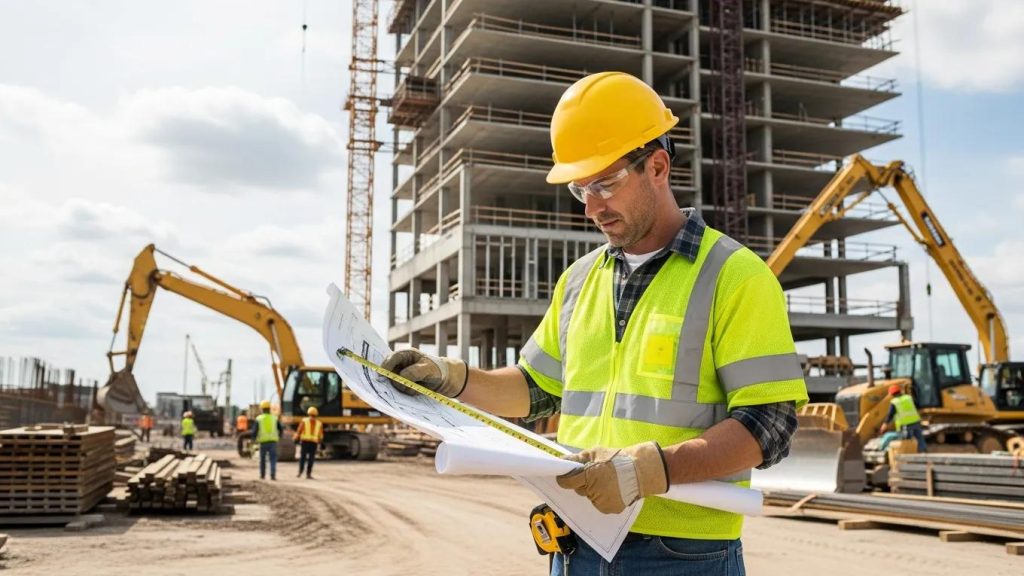
High visibility vests are primarily designed to enhance visibility through the use of bright fluorescent colors and reflective materials. These features make workers more noticeable in various environments, especially in low-light conditions. The effectiveness of these vests is particularly evident in construction sites, roadwork, and emergency response situations, where visibility can significantly impact safety outcomes.
Enhanced Safety
Statistical evidence supports the claim that wearing safety vests correlates with reduced accident rates. Research indicates that workers wearing high visibility apparel are less likely to be involved in accidents, particularly in high-risk environments. This enhancement in safety is crucial for industries such as construction and logistics, where the risk of accidents is elevated.
Regulatory Compliance
Compliance with safety regulations is a critical aspect of workplace safety. High visibility vests must meet specific standards, such as ANSI/ISEA 107, which outlines the requirements for performance and design. Adhering to these standards not only ensures worker safety but also protects employers from potential liability issues.
Customization Options
Customization of safety vests allows businesses to incorporate branding while maintaining compliance with safety standards. Organizations can choose to add logos or company colors without compromising the vest’s visibility features. This balance between branding and safety is essential for companies looking to promote their identity while ensuring worker protection.
Limitations
While safety vests provide significant benefits, they also come with limitations that organizations must consider.
Fit and Comfort
The fit of safety vests is crucial for their effectiveness. Ill-fitting vests can hinder movement and reduce visibility, ultimately compromising safety. It is essential for employers to ensure that workers are provided with vests that fit properly to maximize their protective benefits.
However, achieving an optimal fit can be challenging, especially when considering diverse body types and the constraints of existing safety standards.
Safety Vest Fit Challenges: ANSI/ISEA Standards & Women’s PPE
Safety vests are an essential piece of protective equipment worn by individuals working in environments requiring high visibility for safety reasons. The American National Standards Institute (ANSI) and the International Safety Equipment Association (ISEA) develop safety vest standards to ensure 360-degree visibility of workers, but these standards create limitations in manufacturer’s abilities to create a well-fitted vest for women of smaller stature, particularly in the sizes between XXS and S, as the required square inches of material result in a baggy fit.
Designing Safety Vests to Fit Women, 2020
Maintenance Requirements
Proper maintenance of safety vests is necessary to ensure their longevity and effectiveness. Regular cleaning and inspection are vital to maintain the reflective properties and overall condition of the vests. Neglecting maintenance can lead to diminished visibility and increased risk of accidents.
Environmental Factors
Environmental conditions can impact the performance of safety vests. Factors such as background clutter, weather conditions, and lighting can affect how well a vest stands out. Organizations must consider these factors when implementing safety protocols to ensure maximum visibility for their workers.
Adherence to Safety Regulations
Adhering to safety regulations is paramount for any organization. Employers are responsible for ensuring that their workers are equipped with compliant safety vests. This adherence not only protects employees but also mitigates legal risks associated with workplace accidents.
How Do Safety Vests Improve Worker Visibility and Safety?
Get a Custom Hi-Vis Vest Quote from VisonSafety
Safety vests improve visibility and safety through several mechanisms that enhance their effectiveness in various environments.
Mechanisms of Visibility Enhancement:
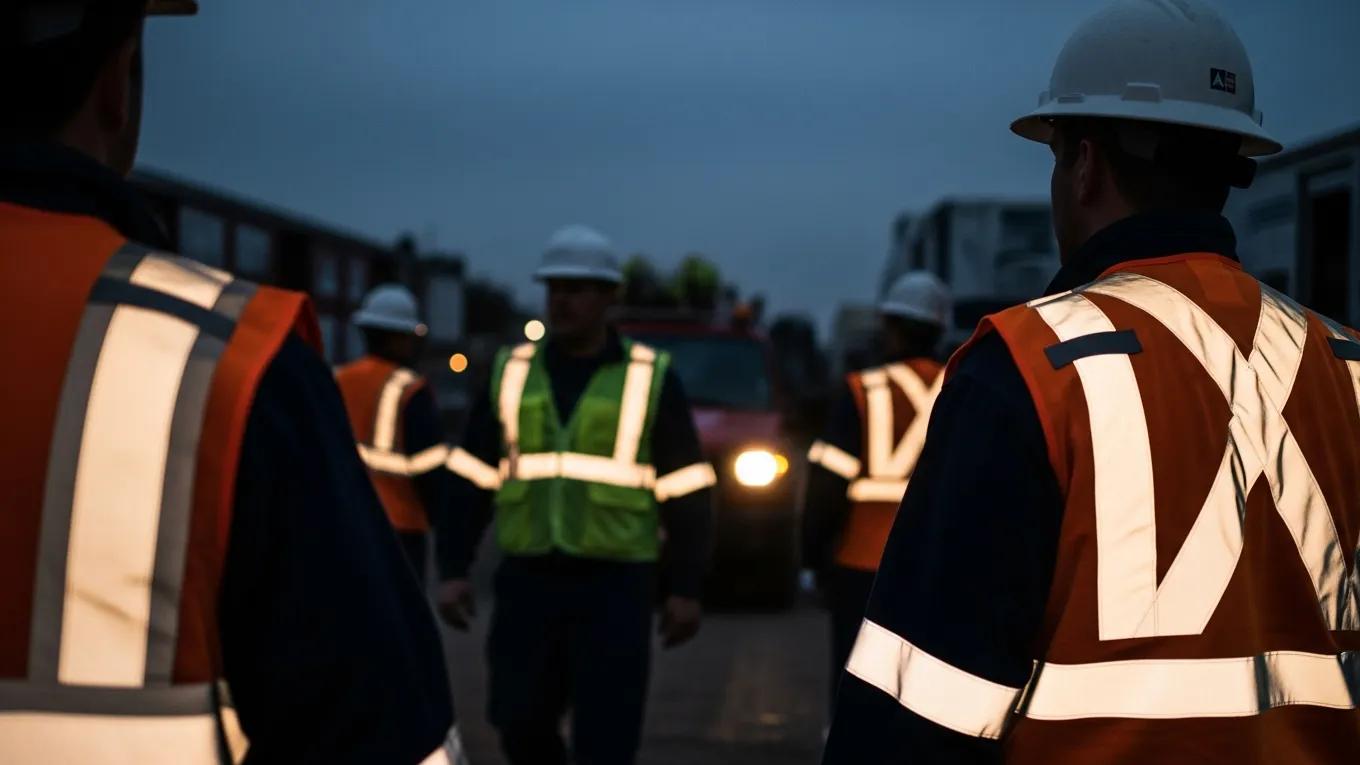
The primary mechanism by which safety vests enhance visibility is through the use of fluorescent fabrics and reflective materials. Fluorescent colors are highly visible in daylight, while reflective materials ensure visibility in low-light conditions. This combination significantly increases the chances of being seen by drivers and machinery operators.
Statistical Evidence of Safety Improvements:
Research has consistently shown that the use of high visibility vests leads to a reduction in workplace accidents. For instance, studies indicate that workplaces that enforce the use of safety vests experience a decrease in accident rates by up to 43%. This statistical evidence underscores the importance of these garments in promoting safety.
Further emphasizing the life-saving potential of high-visibility apparel, studies reveal its critical role in preventing fatalities in high-risk occupations.
High-Visibility Safety Apparel: Preventing Fatalities & Improving Compliance
Traffic related fatalities are one of the most common workplace hazards in the law enforcement community. They accounted for approximately 44% of all fatalities within the law enforcement occupational field between 2002 and 2011. Although many law enforcement officers’ deaths are due to being struck by vehicles, these could be prevented with the use of High-Visibility Safety Apparel (HVSA). The importance of raising traffic protective behavior compliance is largely overlooked by misperceptions in the workplace.
Personal Protective Clothing: Law Enforcement Officers’ Attitudes and Safety Behavior Assessments Toward High-Visibility Safety Apparel, 2010
Relevant Compliance Standards:
Safety vests must comply with various standards, including ANSI/ISEA 107 and EN ISO 20471. These standards outline the performance requirements for high visibility clothing, ensuring that vests provide adequate protection in different environments. Compliance with these standards is essential for both worker safety and legal protection.
What Role Does Reflective Material Play in Enhancing Visibility?
Get a Custom Hi-Vis Vest Quote from VisonSafety
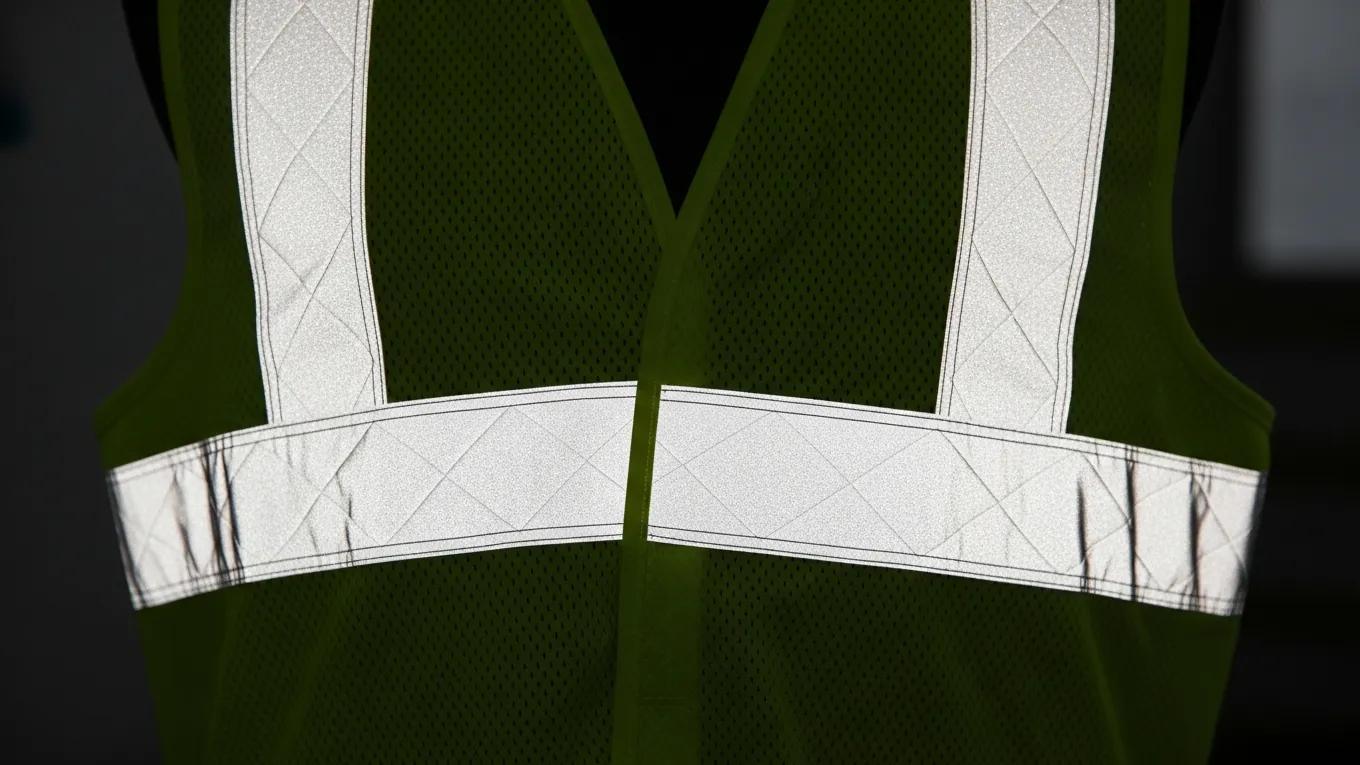
Reflective materials are a critical component of high visibility vests, significantly enhancing their effectiveness in low-light conditions. These materials reflect light back to its source, making the wearer more visible to drivers and machinery operators. The strategic placement of reflective strips on vests is designed to maximize visibility from various angles, further improving safety.
How Does High Visibility Clothing Reduce Workplace Accidents?
High visibility clothing, including safety vests, reduces workplace accidents by increasing the likelihood of being seen. This visibility is particularly important in environments where workers are in close proximity to moving vehicles or heavy machinery. By wearing high visibility apparel, workers can alert others to their presence, thereby reducing the risk of accidents.
What Are the Key Hi Vis Vest Standards Ensuring Safety Compliance?
Several key standards govern the design and performance of high visibility vests. The ANSI/ISEA 107 standard is one of the most recognized, outlining the requirements for performance, design, and labeling of high visibility apparel. Compliance with these standards is essential for ensuring that vests provide adequate protection in various work environments.
Which ANSI Safety Vest Standards Apply to High Visibility Vests?
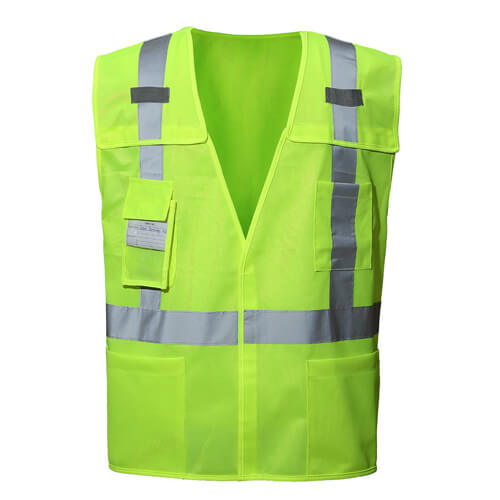
The ANSI/ISEA 107 standard classifies safety vests into different classes based on their visibility features. Class 1 vests are suitable for low-risk environments, while Class 2 and Class 3 vests are designed for higher-risk situations. Understanding these classifications helps organizations select the appropriate vests for their specific needs.
How Do Regulatory Bodies Like OSHA Influence Safety Vest Requirements?
Regulatory bodies such as OSHA play a significant role in shaping safety vest requirements. OSHA regulations mandate that employers provide appropriate personal protective equipment, including high visibility clothing, to ensure worker safety. Compliance with these regulations is essential for maintaining a safe work environment and avoiding potential penalties.
What Technical Specifications Define Effective Safety Vests?
Effective safety vests must meet specific technical specifications to ensure their performance. These specifications include the use of durable materials, adequate reflective coverage, and proper sizing. Organizations should prioritize vests that meet or exceed these specifications to ensure maximum safety for their workers.
Which Materials and Construction Methods Optimize Durability and Reflectivity?
The materials and construction methods used in safety vests significantly impact their durability and reflectivity. High-quality fabrics that resist wear and tear, combined with advanced reflective technologies, enhance the vest’s performance. Organizations should invest in vests made from durable materials to ensure long-term effectiveness.
How Do ANSI-Compliant Reflective Stripes Enhance Vest Performance?
ANSI-compliant reflective stripes are designed to enhance the visibility of safety vests in low-light conditions. These stripes are strategically placed to maximize reflection and ensure that the wearer is easily seen from various angles. The effectiveness of these stripes is crucial for maintaining safety in high-risk environments.
In Which Industries Are Safety Vests Most Effective and Required?
Safety vests are particularly effective and often required in industries such as construction, logistics, and emergency services. In these sectors, the risk of accidents is heightened, making visibility a critical factor in ensuring worker safety. Organizations in these industries must prioritize the use of high visibility vests to protect their employees.
How Are Safety Vests Utilized in Construction and Roadwork Environments?
In construction and roadwork environments, safety vests are essential for ensuring that workers are visible to drivers and machinery operators. These vests are often mandated by safety regulations and are a key component of safety protocols. Proper utilization of safety vests in these settings can significantly reduce the risk of accidents.
What Are the Use Cases for Safety Vests in Night Shift and Low-Light Conditions?
Safety vests are particularly valuable for workers operating during night shifts or in low-light conditions. The combination of fluorescent colors and reflective materials ensures that these workers remain visible, reducing the likelihood of accidents. Organizations should emphasize the importance of wearing safety vests during these times to enhance safety.
Get a Custom Hi-Vis Vest Quote from VisonSafety
How Should Businesses Choose the Right Safety Vest for Their Needs?
When selecting safety vests, businesses should consider factors such as the work environment, compliance requirements, and employee comfort. It is essential to choose vests that meet the necessary safety standards while also ensuring a proper fit for maximum effectiveness.
What Factors Determine the Selection of ANSI Safety Vests?
Several factors influence the selection of ANSI safety vests, including the level of risk in the work environment, the specific tasks being performed, and the need for customization. Organizations should assess these factors to determine the most appropriate vests for their workforce.
How Does Customization Impact Brand Visibility and Compliance?
Customization of safety vests can enhance brand visibility while maintaining compliance with safety standards. Organizations can incorporate logos and colors into the design of the vests without compromising their visibility features. This balance is crucial for promoting brand identity while ensuring worker safety.
What Maintenance Practices Ensure Long-Term Safety Vest Effectiveness?
To ensure the long-term effectiveness of safety vests, organizations should implement regular maintenance practices. This includes routine cleaning, inspections for wear and tear, and timely replacements when necessary. Proper care is essential for maintaining the reflective properties and overall condition of the vests.
How Does Proper Care Affect Reflective Material Longevity?
Proper care of safety vests directly impacts the longevity of their reflective materials. Regular cleaning and appropriate storage practices help preserve the vest’s visibility features, ensuring that they remain effective over time. Organizations should educate employees on the importance of caring for their safety vests.
When Should Safety Vests Be Replaced to Maintain Compliance?
Safety vests should be replaced when they show signs of wear, such as fading colors or damaged reflective materials. Regular inspections can help identify when a vest needs to be replaced to maintain compliance with safety standards. Organizations must prioritize timely replacements to ensure ongoing worker safety.
For any inquiries or further assistance, you can contact us.
 English
 Deutsch
 Français
 Polski
 Português do Brasil
 Español
 日本語
日本語 Русский
 العربية
 Italiano
 Nederlands
 Türkçe
 한국어
한국어