
High-visibility (hi-vis) vests are specification-driven garments designed to maximise worker conspicuity. Differentiating ANSI/ISEA Class 2 and Class 3 vests guides compliance and the selection of apparel that reduces exposure to vehicular and site hazards. This article summarises technical criteria, common uses, and visibility requirements so safety managers can match vest class to operational risk.
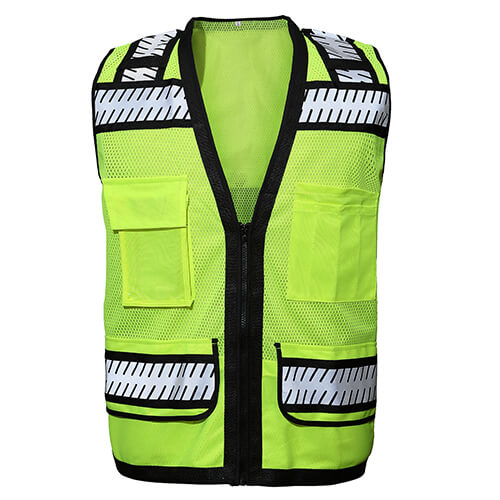
Get a Custom Class 2 Hi-Vis Vest Quote from VisonSafety
Safety Standards
ANSI/ISEA 107 sets the performance criteria for hi-vis garments. It defines minimum fluorescent background area, retroreflective tape area and configuration, and overall garment design. Class 3 requires greater reflective coverage and visible surface than Class 2 to address higher-risk scenarios such as high-speed traffic and low-light operations.
Specifications
The main differences are reflective area, tape pattern, and garment coverage. Class 2 provides the baseline fluorescent background plus standard reflective tape layouts for moderate-risk tasks. Class 3 increases retroreflective coverage and may use full sleeves or extra panels to meet higher conspicuity thresholds in ANSI/ISEA 107.
Applications
Choose Class 2 or Class 3 based on a site risk assessment and applicable regulations. Class 2 suits controlled or moderate-risk settings such as many construction zones, utility operations, and routine roadside maintenance. Class 3 is specified for high-risk contexts — emergency response, highway maintenance, and work adjacent to moving traffic — where maximum visibility significantly reduces collision risk.
Visibility Requirements
Visibility metrics prescribe minimum dimensions and placement of fluorescent material and retroreflective tape for daytime and nighttime conspicuity. Class 2 meets baseline reflective-area requirements for low- to moderate-risk environments; Class 3 increases retroreflective coverage and visible surface so workers are detectable at greater distances and in adverse weather. Compliance is a primary control for reducing accident exposure.
What Defines ANSI Class 2 and Class 3 Hi Vis Vests?
ANSI Class 2 and Class 3 vests are defined by quantifiable criteria in ANSI/ISEA 107: minimum background area, retroreflective tape area and placement, and garment configuration aligned to operational risk categories.
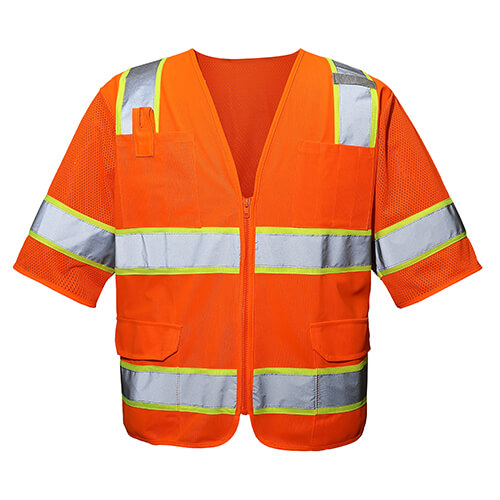
Get a Custom Class 3 Hi-Vis Vest Quote from VisonSafety
ANSI Class 2 Hi-Vis Vests
Class 2 vests meet ANSI/ISEA 107 Class 2 requirements for moderate visibility. They combine fluorescent background fabric with strategically placed retroreflective tape to meet minimum area and pattern standards. Typical roles include general construction, utility maintenance, and roadside support where exposure to high-speed traffic is limited.
ANSI Class 3 Hi-Vis Vests
Class 3 vests meet the highest ANSI/ISEA 107 conspicuity criteria by increasing retroreflective coverage and background area — often via full sleeves or added panels — to maximise detection distance. They are specified for high-risk operations such as highway maintenance, emergency response, and work near moving vehicles.
What Are the Key Material and Reflective Tape Specifications for Each ANSI Class?
Material and tape specifications determine a vest’s certified performance. Manufacturers must use fluorescent background fabrics and retroreflective materials that meet ANSI/ISEA 107 minimums for visible area, tape width, and placement to certify Class 2 or Class 3 garments.
Following these material and tape requirements ensures each vest class meets visibility thresholds for its intended risk profile.
Beyond material and tape, vest color quality — chromaticity — is also a critical factor in effectiveness.
ANSI Hi-Vis Vest Color Specifications
Chromaticity is the objective specification of the quality of vest color (regardless of its luminance).
Evaluation of the visibility of workers’ safety garments during nighttime highway-maintenance operations, FL Mannering, 2010
How Do ANSI 107-2020 Compliance Requirements Differentiate Class 2 and Class 3 Vests?
ANSI/ISEA 107-2020 codifies the metrics that distinguish Class 2 from Class 3: minimum background area, retroreflective area, and tape configuration. Class 2 satisfies baseline conspicuity; Class 3 raises those metrics for operations with greater exposure to vehicle traffic and low-visibility conditions. Compliance with the 2020 revision confirms garments meet current performance criteria.
How Do ANSI Class 2 and Class 3 Vests Impact Worker Safety and Visibility?
Class 3 garments provide greater detection distance and contrast, reducing collision risk in high-exposure environments. Class 2 garments deliver adequate conspicuity for moderate-risk tasks while balancing cost and comfort. Selecting the appropriate class aligns PPE with task hazards, supporting safety outcomes and operational efficiency.
Empirical research supports the improved conspicuity of Class 3 garments in critical operational scenarios.
Class 2 vs. Class 3 Vest Conspicuousness
Class 3 jackets were significantly more conspicuous than both the Class 3 or Class 2 vests.
Evaluation of the visibility of workers’ safety garments during nighttime highway-maintenance operations, FL Mannering, 2010
What Are the Visibility and Coverage Differences Between Class 2 and Class 3 Vests?
Visibility and coverage differences stem from retroreflective area and the amount of garment surface visible to observers. Class 3 increases both variables versus Class 2 to enable earlier detection, especially at distance and in poor weather. Greater coverage supports safer operations where vehicle speeds and exposure warrant enhanced conspicuity.
How Do These Differences Translate to Risk Reduction and Operational Efficiency?
Increased conspicuity from Class 3 vests can reduce incident exposure and lower accident rates in high-risk operations. Deploying Class 2 where appropriate balances visibility with comfort and cost. Specifying the correct class for each task reduces operational risk, limits liability, and can improve productivity by enabling safer, uninterrupted work.
Which Industries and Job Roles Require ANSI Class 2 Versus Class 3 Hi-Vis Vests?
Industry selection corresponds to documented exposure to traffic and site hazards. Employers should map job tasks to ANSI/ISEA risk categories to determine whether Class 2 or Class 3 garments are required.
Class 2 : Commonly used by construction workers, utility personnel, and roadside maintenance crews.
Class 3 : Required for emergency services, highway maintenance workers, and construction personnel working near moving vehicles.
Accurate classification is necessary to meet safety regulations and provide appropriate protection across roles.
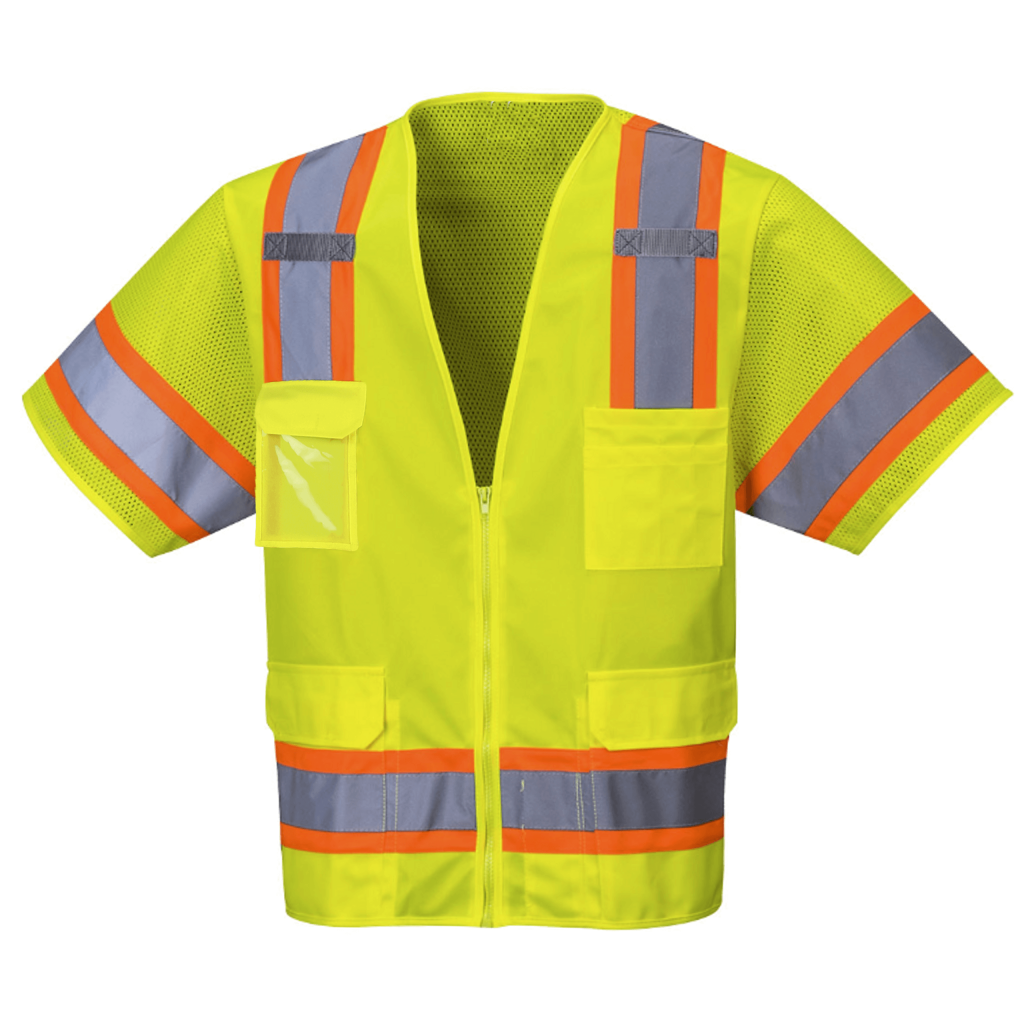
Get a Custom Hi-Vis Vest Quote from VisonSafety
What Are Typical Use Cases for ANSI Class 2 Vests in Construction and Logistics?
Class 2 vests suit tasks where moderate visibility meets operational needs. Typical deployments include:
Construction Sites : Workers performing tasks away from high-speed traffic.
Logistics and Warehousing : Personnel operating in areas with controlled vehicle movement.
Utility Work : Crews working on power lines or water systems in low-risk environments.
These examples illustrate why vest class must align with site-specific hazard assessments.
When Is ANSI Class 3 Vest Usage Mandated for High-Risk Environments?
Class 3 vests are mandated where maximum conspicuity materially lowers collision and injury risk. Examples include:
Highway Maintenance : Workers performing tasks near moving vehicles on busy roads.
Emergency Services : First responders operating in low-light or high-traffic situations.
Construction Near Traffic : Personnel working on sites adjacent to active roadways.
Mandating Class 3 in these contexts aligns PPE selection with elevated exposure and regulatory expectations for worker protection.
What Customization and Sizing Options Are Available for ANSI Hi Vis Vests?
Manufacturers offer customization and sizing to ensure compliance and fit. Options commonly include reflective tape configuration for branding, a full range of sizes for varied body types, and durable materials engineered for repeated laundering and field abrasion.
Reflective Tape Customization : Businesses can choose tape placement and design while preserving required visibility patterns.
Sizing Options : Vests are offered in multiple sizes to accommodate different body types and ensure a proper fit.
Durability Considerations : High-quality materials help vests withstand laundering and field wear.
Thoughtful customization and sizing let organisations procure compliant apparel that supports branding and long-term value without compromising visibility.
How Can Businesses Customize Reflective Tape and Branding on ANSI Class 2 and 3 Vests?
Customisation should follow manufacturer guidance and ANSI/ISEA requirements. Reflective tape placement must preserve mandatory patterns and surface area; branding (screen printing, embroidery) should be applied in non-critical zones so conformity is maintained.
Reflective Tape Placement : Ensure tape patterns meet mandatory visibility specifications.
Branding Methods : Use screen printing or embroidery in non-critical areas to retain compliance.
Compliance with Safety Standards : Verify that customisation does not reduce total visible area or reflective coverage.
Properly managed customisation preserves performance while delivering brand recognition.
What Are the Durability and Sizing Considerations for Optimal Fit and Compliance?
Durability and accurate sizing sustain compliance and worker performance. Vests must retain fluorescent chromaticity and reflective properties after laundering and field use. Fit should permit full mobility while maintaining the minimum visible area specified by ANSI/ISEA.
Material Durability : Choose fabrics and tapes that resist abrasion and repeated wash cycles.
Sizing Accuracy : Proper sizing ensures comfort, mobility, and that required areas remain visible.
Compliance with ANSI Standards : Confirm garments meet durability and sizing criteria in the standard.
Addressing these factors helps organisations procure vests that meet regulations while supporting worker comfort and longevity of service.
However, achieving an optimal fit while meeting ANSI/ISEA minimum visible-area requirements can be challenging for some body types.
The American National Standards Institute (ANSI) and the International Safety Equipment Association (ISEA) develop safety vest standards to ensure 360-degree visibility of workers, but these standards create limitations in manufacturer’s abilities to create a well-fitted vest for women of smaller stature, particularly in the sizes between XXS and S, as the required square inches of material result in a baggy fit.
Designing Safety Vests to Fit Women, 2020
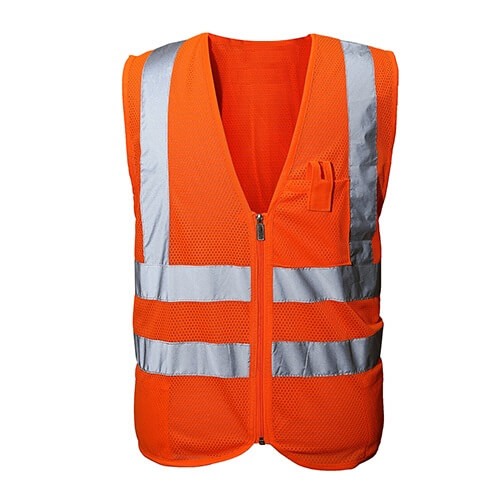
Get a Custom Hi-Vis Vest Quote from VisonSafety
Frequently Asked Questions
What are the key differences in reflective material between Class 2 and Class 3 vests?
The principal distinction is reflective area and distribution. Both classes use a minimum 2-inch retroreflective tape width; Class 3 requires additional tape coverage and specific configurations to increase detection distance and conspicuity.
Can ANSI Class 2 and Class 3 vests be used interchangeably in different work environments?
They are not interchangeable by default. Class choice should follow a task hazard assessment and applicable regulations to ensure garment performance matches exposure to traffic and environmental conditions.
What factors should businesses consider when selecting ANSI hi vis vests for their workforce?
Evaluate operational risk level, ANSI/ISEA compliance, material durability, sizing range, maintenance needs, and any required branding. These factors affect safety outcomes, total cost of ownership, and workforce acceptance.
How do weather conditions affect the choice between Class 2 and Class 3 vests?
Rain, fog, and low ambient light increase the need for enhanced conspicuity. Class 3 is preferred where such conditions reduce visibility because its added reflective coverage improves detection range.
Are there specific maintenance requirements for ANSI hi vis vests to ensure longevity?
Yes. Follow manufacturer washing and care instructions to preserve fluorescent chromaticity and reflectivity. Inspect garments for damage, fraying, or loss of reflectivity and store them away from harsh chemicals and direct sunlight.
What are the implications of not complying with ANSI standards for hi vis vests?
Non-compliance raises accident risk, exposes the organisation to legal and financial liability, and can undermine worker confidence in safety programmes. Conformity with ANSI/ISEA standards is a fundamental part of occupational risk management.
How can businesses ensure that their customized vests remain compliant with ANSI standards?
Partner with manufacturers experienced in ANSI/ISEA requirements, document customisation plans, and verify that reflective tape placement and total visible area meet the standard. Periodic audits of customised inventory help maintain compliance.
Conclusion
Distinguishing between ANSI Class 2 and Class 3 hi-vis vests is a compliance and risk-management decision. Each class offers defined conspicuity levels aligned to operational exposure. Choosing the appropriate class reduces incident risk, supports regulatory compliance, and can improve operational efficiency. Review ANSI/ISEA 107 and consult qualified manufacturers to specify correct garments for your workforce.
 English
 Deutsch
 Français
 Polski
 Português do Brasil
 Español
 日本語
日本語 Русский
 العربية
 Italiano
 Nederlands
 Türkçe
 한국어
한국어