
Flame-resistant (FR) clothing certification proves garments will reliably protect workers from thermal hazards and meet regulatory or purchaser requirements—critical information for compliance, safety, and procurement. This guide explains what certification means, why manufacturers and buyers specify particular standards, and how materials move from fabric selection through laboratory testing to labeled delivery. You’ll find the major global standards (NFPA, EN/ISO, ASTM), a step-by-step NFPA 2112 workflow from a manufacturer’s viewpoint, the common lab tests that determine performance, and practical buyer guidance for selecting and maintaining certified FR apparel. We focus on procedural detail and manufacturer responsibilities to close common B2B gaps—traceability and batch-testing practices that lower risk. Use this as a reference when evaluating suppliers, planning custom FR garment projects, or preparing documents for compliance and procurement teams.
Which Flame-Resistant Standards Matter for Certification?
FR clothing standards define the performance and test methods that match specific hazards and regional regulatory expectations, so garments properly mitigate risks like flash fire, arc flash, or welding sparks. Standards vary by region and hazard: NFPA 2112 targets flash fire protection in the U.S., EN ISO 11612 covers industrial heat and flame performance in Europe, and ASTM/UL references provide test methods and labeling guidance for arc and other thermal hazards. Knowing each standard’s focus and main tests helps buyers pair garment types—such as FR coveralls for flash fire or arc-rated shirts for electrical work—with the right workplace exposures. The list below highlights core standards and the hazards they address to help with quick decision-making before deeper evaluation.
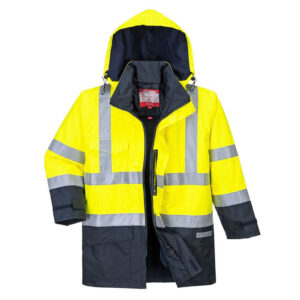
Get a Custom FR Clothing Quote from VisonSafety
Key standards and their primary focus:
- NFPA 2112: Flash fire protection for garments used in oil, gas, and petrochemical settings.
- EN ISO 11612: Industrial protection from heat and flame with performance classes for varied exposures.
- ASTM F1506 / NFPA 70E: Arc-rated garment performance and electrical-safety requirements for utility and electrical workers.
This comparison gives procurement teams a fast map of which standards to request on specifications and test reports when sourcing FR clothing.
| Standard | Focus / Test Type | Region / Typical Application |
|---|---|---|
| NFPA 2112 | Flash fire protection; ASTM F1930 predicted body burn testing | United States; oil, gas, petrochemical |
| EN ISO 11612 | Industrial heat and flame resistance; performance classes A–E | Europe and global markets; manufacturing and general industry |
| ASTM F1506 / NFPA 70E | Arc-rated fabrics and ATPV (cal/cm²) testing | United States; electrical utilities and maintenance |
This table clarifies which standard to prioritize based on hazard and market, helping buyers prepare specification checklists and lab-report requests.
What Does NFPA 2112 Certification Cover for FR Clothing?
NFPA 2112 sets minimum performance requirements and test methods for garments intended to protect against flash fire. The standard emphasizes predicted body burn (ASTM F1930), constituent fabric performance, garment construction, and correct labeling. Fabrics and completed garments must meet limits for after-flame and char, and manufacturers must demonstrate consistent production controls so test results are representative of finished product. Buyers commonly specify NFPA 2112 for coveralls, jackets, and other outer layers where short-duration, high-heat exposure is the primary hazard. Proper certification also requires clear labeling and documentation that trace tested samples back to production lots to maintain supply-chain confidence.
How Do EN ISO 11612 and EN 11611 Apply to FR Apparel?
EN ISO 11612 defines performance classes for protection against convective heat, radiant heat, molten metal splash, and contact heat—allowing specifiers to match garments to identified exposures. EN 11611 focuses on welding and allied processes, testing for small spatter resistance and continued exposure. Both standards use performance codes (for example A1/A2 for convective heat) so technical teams can select garments by measurable outcomes, and CE marking verifies conformity for the EU market. Buyers in manufacturing, metalworking, and European markets should request certificates that list the exact classes achieved and confirm assembly practices, since seams, closures, and construction affect overall protection.
| Standard | Attribute | Value |
|---|---|---|
| EN ISO 11612 | Performance classes | Convective, radiant, molten metal, contact heat |
| EN 11611 | Welding protection | Small spatter resistance and seam integrity |
| CE / Declaration | Compliance verification | Manufacturer declaration of conformity for EU market |
This table helps international buyers compare European performance classes with U.S.-focused flash fire metrics so they can make hazard-appropriate sourcing decisions.
NFPA 2112: Step-by-Step Certification Process for FR Clothing
The NFPA 2112 workflow from a manufacturer’s perspective runs from hazard analysis and fabric selection through prototype testing, production controls, and final labeling—linking lab results with factory QA so certified garments go to market with documented performance. The sequence starts with identifying the workplace hazard and selecting fabrics with known metrics, proceeds through prototype construction and accredited lab testing, and finishes with production controls and documentation that ensure each production lot matches the tested sample. Below is a concise sequence manufacturers and buyers can follow to assign responsibilities and timelines.
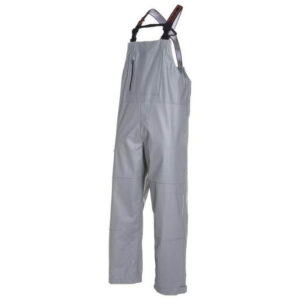
Get a Custom FR Clothing Quote from VisonSafety
- Hazard assessment and fabric selection: Identify exposure type and select a fabric family with the required ATPV or flash performance.
- Prototype design and sample preparation: Build representative garments and prepare samples per laboratory protocols.
- Accredited lab testing: Submit samples for ASTM F1930 and related tests to measure predicted body burn, after-flame, and char.
- Results review and design iteration: Modify fabric weight, layering, or seam construction if tests reveal performance gaps.
- Factory QA and batch controls: Put incoming material checks, sewing audits, and traceability protocols in place.
- Labeling, documentation, and delivery: Apply required certification labels and retain test archives for audit readiness.
VisonSafety offers OEM and ODM services, fast sampling (5-10 days), flexible MOQ, DDP shipping, 100 percent fabric batch testing, full Quality Control and traceability of materials for over 3 years, operates a 40,000 sq.ft. ISO 9001 facility, and promises a dedicated team response within 12 hours.
This step list clarifies which party—the buyer, manufacturer, or lab—is typically responsible at each phase, streamlining project planning and procurement timelines.
How Is FR Fabric Tested for Compliance and Safety?
FR fabric testing quantifies thermal protective performance—after-flame, char length, and arc rating—to predict injury potential under defined exposure scenarios. Common methods include ASTM F1930 for flash fire predicted body burn, ASTM F1959/F2621 for arc thermal performance value (ATPV), and EN tests for convective and radiant heat. Accredited labs follow strict sample preparation and instrumentation protocols. Buyers should request full test reports showing test conditions, sample construction, and traceable lot identifiers, because those details determine whether results apply to production garments. Choosing an accredited lab and keeping sample archives are best practices that support certification continuity and defensible procurement decisions.
Common fabric tests and what they measure:
- ASTM F1930: Predicted body burn for flash fire scenarios using manikin testing.
- ASTM F1959 / F2621: ATPV and arc rating for electrical hazard protection.
- EN heat tests: Convective, radiant, and molten metal resistance measured to class levels.
Ask suppliers for complete test dossiers and lot traceability when comparing offers from multiple manufacturers.
What Are the Manufacturer’s Responsibilities in the Certification Process?
Manufacturers are responsible for quality systems that preserve tested performance through production: material traceability, incoming fabric inspections, sewing and seam standards, and retention of tested sample archives for audits. A strong factory QA program verifies the fabric batch used in production matches the tested lot and that assembly processes (threads, zippers, labels) don’t compromise protection. Clear records linking test reports to production lots and finished-garment labels are essential for audits and customer confidence. Manufacturers should also provide laundering and maintenance guidance so end users can preserve protective properties over the garment lifecycle.
| Phase | Responsible Party | Deliverable / Timeframe |
|---|---|---|
| Fabric selection | Buyer / Manufacturer | Fabric specification and sample within weeks |
| Prototype & testing | Manufacturer / Lab | Accredited lab reports for samples |
| Factory QA | Manufacturer | Incoming inspection reports and lot traceability |
This mapping clarifies accountability during certification and supports contractual clauses that protect buyers.
How Do You Test FR Fabric to Meet Certification Requirements?
Testing links laboratory measurements to real-world garment performance by quantifying heat transfer, burn potential, and arc energy thresholds fabrics must resist to meet standards. Results translate into industry metrics—ATPV (cal/cm²) and predicted body burn percentages—that procurement teams specify for particular jobs. Interpreting these numbers requires attention to sample construction and test conditions so buyers can confirm equivalence between tested samples and production garments. Routine batch testing after fabric receipt and before cut-and-sew helps ensure ongoing conformity to certified performance levels.
Common testing methods and their meaning:
- ASTM F1930: Predicts burn injuries from flash fire using instrumented manikins and reports percentage body burn.
- ASTM F1959 / F2621: Reports ATPV values indicating the energy a fabric can withstand before second-degree burns occur.
- EN convective/radiant tests: Assign performance class codes for industrial heat exposures.
VisonSafety uses 100 percent fabric batch testing and maintains material traceability as a best practice to minimize production risk and support long-term certification continuity.
This approach helps ensure laboratory-confirmed performance is preserved during manufacturing and delivery.
What Are the Common Testing Methods for Flash Fire and Arc Flash Protection?
Flash fire and arc flash tests are standardized so results produce comparable metrics buyers can use to set minimum protection levels. Flash fire testing (ASTM F1930) measures predicted body burn on instrumented manikins to assess short-duration, high-heat exposures. Arc flash testing (ASTM F1959/F2621) produces ATPV ratings in cal/cm² to quantify energy thresholds. When reviewing reports, verify sample build, layering, and any coatings, and confirm the lab is accredited to the referenced methods. Clear communication about expected hazard levels helps labs and manufacturers select the correct tests and interpret results for procurement.
Requests to suppliers should include the following checklist:
- Confirm the exact test standard used and the lab accreditation.
- Verify sample construction and whether results apply to finished garments.
- Ask for lot traceability linking fabric batch to test samples.
This checklist helps technical buyers parse reports and accept only applicable evidence of performance.
How to Choose and Maintain Certified FR Clothing for Your Industry Needs?
Selecting and maintaining certified FR clothing means matching the hazard profile to the right standard and rating, verifying supplier documentation, and following care instructions that preserve protective properties. Start with a hazard assessment to decide between flash fire-rated coveralls, arc-rated shirts, or weld-specific outerwear, then request test reports, certificates, and lot traceability before placing orders. Inspect garments for wear, contamination, or repairs that could impair protection, and follow laundering guidance from the manufacturer to avoid degrading inherent or treated FR fibers. A procurement checklist and maintenance schedule extend garment life while keeping compliance on track.
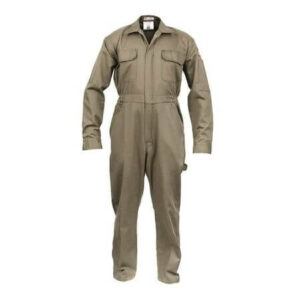
Get a Custom FR Clothing Quote from VisonSafety
Selection and care checklist for buyers:
- Match the standard and rating to the identified workplace hazard.
- Verify lab reports, certificate validity, and lot traceability for fabric.
- Inspect garments for damage and retire items that show compromised protection.
- Follow manufacturer laundering and repair guidance to maintain performance.
Working with a manufacturer that supports custom needs simplifies sourcing for specialized fleets. VisonSafety provides fast sampling (5-10 days), flexible MOQ, DDP shipping, and operates an ISO 9001 facility—making it a practical option for buyers who need rapid prototypes, reliable batch testing, and documented traceability; Request a quote to discuss custom FR apparel projects and production timelines.
What Factors Should Businesses Consider When Selecting Certified FR Apparel?
When selecting FR apparel, evaluate the hazard type, required certification, garment fit and layering strategy, durability, and total lifecycle cost to balance protection and wearability. Technical procurement teams should require complete test documentation, confirm manufacturing QA procedures, and assess supplier logistics such as sample lead times and minimum order quantities. Comfort and fit affect compliance—ill-fitting garments reduce wear time and increase risk—so include worker feedback during pilot trials. Choosing a supplier with transparent batch testing and traceability reduces the risk of performance drift between samples and production runs.
How Should Certified FR Clothing Be Cared for to Maintain Certification?
Proper care preserves FR performance. Follow the manufacturer’s washing instructions, avoid bleach or fabric softeners that can degrade treatments, and use recommended temperatures and detergents; track laundering cycles for each garment. Perform regular inspections documenting seam integrity, closure function, and contamination; damaged or heavily soiled garments should be retired or professionally laundered per supplier guidance. Keep maintenance records tied to individual garments to demonstrate compliance during audits and plan replacement cycles. Consistent care, inspection, and record-keeping extend service life and help sustain certification across your FR fleet.
How to Certify FR Clothing | FAQs
What is the difference between flash fire and arc flash protection in FR clothing?
Flash fire protection guards against rapid ignition and intense, short-duration heat—common in oil, gas, and petrochemical environments—and is covered by standards like NFPA 2112. Arc flash protection addresses electrical-arc hazards where garments must withstand high-energy electrical discharges; standards including ASTM F1506 and NFPA 70E apply. Knowing the difference ensures you select the correct FR apparel for the specific workplace hazard.
How can businesses ensure ongoing compliance with FR clothing standards?
Maintain compliance with a program of regular inspections, proper laundering, and documented care procedures. Follow the manufacturer’s washing and repair guidance—improper care can degrade protective properties. Keep records of inspections, maintenance, and laundering to demonstrate compliance during audits and to ensure garments remain effective through their service life.
What role does fabric selection play in FR clothing certification?
Fabric selection is foundational: a fabric’s thermal resistance, durability, and construction determine whether it meets the performance criteria for a given hazard (flash fire, arc flash, welding). Manufacturers must choose fabrics that meet the required tests and ensure that finished garments preserve those properties through appropriate assembly and QA. Proper fabric choice ensures certified performance in the field.
What are the implications of using non-certified FR clothing?
Using non-certified FR clothing can leave workers exposed to severe injury because those garments may not meet the tested thresholds for specific hazards. Beyond safety risks, employers face potential legal liability, regulatory penalties, and reputational damage. Investing in certified FR clothing protects people and helps meet regulatory and purchaser expectations.
How often should FR clothing be inspected for wear and damage?
Inspect FR clothing regularly—ideally after each use—for signs of wear, damage, or contamination. Conduct more thorough inspections at least monthly or before major shifts. Focus on seams, closures, and fabric integrity. If damage is found, follow the manufacturer’s guidance to repair or retire the item. Regular inspections help preserve protective qualities and keep workers safe.
What documentation should be requested when sourcing FR clothing?
When sourcing FR clothing, request complete documentation: test reports, certification details, and lot traceability information. Verify garments meet the relevant standards for your hazards (for example NFPA 2112 for flash fire or ASTM F1506 for arc flash). Also obtain records of the manufacturer’s QA processes and laundering guidance to confirm garments will perform as expected throughout their lifecycle.
Conclusion
Knowing FR clothing certification requirements is essential to protect workers and meet industry standards. By prioritizing the right certifications—NFPA 2112, EN ISO 11612, and relevant ASTM methods—you reduce thermal risk and make defensible procurement choices. When you’re ready to move from specification to supply, explore our certified FR apparel options tailored to your needs and talk with our team about custom projects, testing, and traceability to ensure your workforce stays protected and compliant.
 English
 Deutsch
 Français
 Polski
 Português do Brasil
 Español
 日本語
日本語 Русский
 العربية
 Italiano
 Nederlands
 Türkçe
 한국어
한국어