
Starching FR clothing is a frequent question we hear from safety managers and frontline workers who want crisp-looking uniforms without sacrificing protection. Short answer: don’t starch FR garments. Starch leaves combustible residue that interferes with a fabric’s self‑extinguishing behavior and can compromise critical fire performance. This guide explains how starch undermines flame resistance, shows the right washing and maintenance steps, identifies chemicals and habits to avoid, and offers practical inspection and storage measures to extend garment life. You’ll find short, actionable answers, guidance on industrial versus home laundering, and checklists you can use in on‑site programs or when working with industrial launderers. We also reference related protective categories like Hi‑Vis and arc‑flash clothing and tie care practices to standards such as NFPA 2112 and ASTM F1506 so procurement and safety teams can balance compliance, worker protection, and lifecycle cost.
Why Is Starching FR Clothing Not Recommended?
Starching FR clothing is discouraged because the starch itself is combustible and changes how treated or inherent FR fibers behave under heat. Starch settles on fiber surfaces and inside fabric gaps, creating extra fuel that can defeat a garment’s self‑extinguishing properties and alter ignition thresholds. For employers and safety leads, starching can turn a certified item into a non‑compliant hazard, increase replacement needs, raise inspection workload, and heighten liability. The sections that follow break down the mechanism and list the safety risks so you can make evidence‑based care choices and avoid practices that undermine certification.
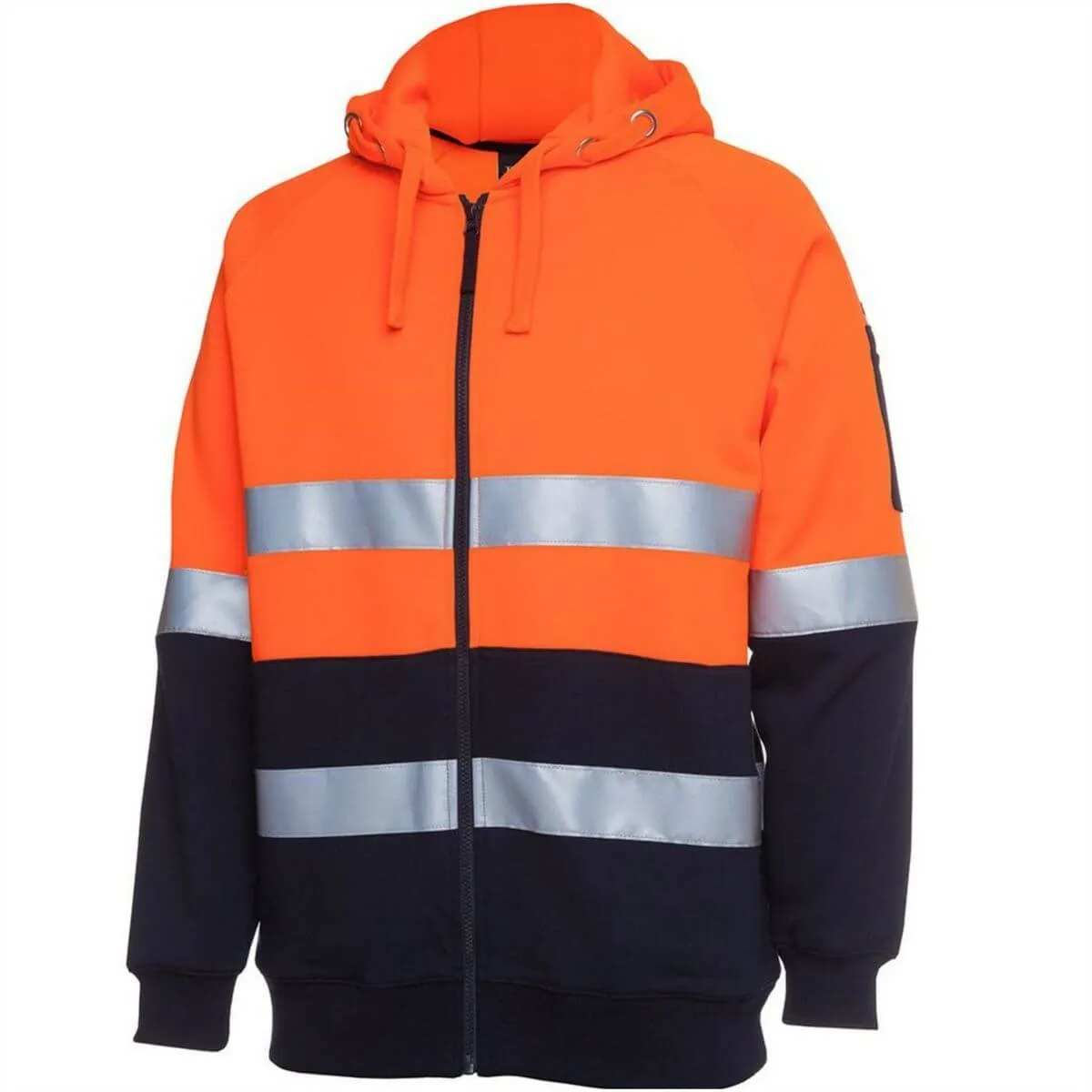
Get a Custom FR Clothing Quote from VisonSafety
How Does Starch Affect Flame Resistance in FR Fabrics?
Starch reduces flame resistance by leaving a carbohydrate film on fibers that heats, chars, and burns more easily than engineered FR yarns. Inherent FR fibers (for example, meta‑aramids) rely on high‑temperature stability, while treated fabrics depend on surface chemistry; starch interferes with both by adding combustible material and changing heat transfer at the fiber level. That shifts thermal decomposition pathways and can shorten time‑to‑ignition in standardized tests, effectively lowering protective performance. Even light starching on blends or Hi‑Vis FR garments can therefore have outsized safety consequences.
What Are the Safety Risks of Using Starch on FR Clothing?
Applying starch to FR garments creates real safety and compliance risks beyond aesthetics. Starch adds fuel at the garment surface, which can increase burn severity, raise the chance of failing certification‑based inspections, and shorten useful life—driving up replacement and administrative costs. In regulated workplaces subject to NFPA 2112 or ASTM F1506, starching can void the expected protection and complicate any incident review. The practical recommendation from manufacturers and safety programs is straightforward: avoid starch and follow approved laundering protocols to preserve FR performance.
How Should You Properly Wash and Maintain Flame Resistant Clothing?
Effective washing and maintenance remove contaminants without introducing chemicals or residues that reduce flame resistance. Start by inspecting and sorting garments, then use approved detergents and wash cycles at manufacturer‑recommended temperatures. Avoid bleach, peroxide‑based cleaners, optical brighteners, and fabric softeners. Industrial laundering programs offer controlled chemistries, validated thermal cycles, and contamination handling that home washing often can’t match—making them the best choice for heavy oil, grease, or solvent exposures. Below are prioritized steps and a detergent/temperature reference to guide both on‑site and outsourced laundering decisions.
- Inspect garments for contamination or damage before washing and separate contaminated items.
- Pre‑treat heavy oil or solvent spots using manufacturer‑approved methods or send them to industrial laundering.
- Use mild, phosphate‑free detergents without peroxide or optical brighteners and follow recommended water temperatures.
- Dry per manufacturer guidance; avoid high heat that can damage trims or reflective tape.
These steps form the core of an FR garment maintenance program and lead into the detergent and temperature recommendations below.
| Detergent Type | Chemical Property | Recommended Water Temp / Notes |
|---|---|---|
| Mild, phosphate-free | Low oxidizers, no optical brighteners | 40–60°C (warm) for most FR fabrics; follow the garment label |
| Industrial alkaline cleaners | Strong soils removal, controlled neutralization | Use validated industrial cycles with manufacturer approval |
| Peroxide-based detergents | Oxidizing agents | Avoid — can degrade FR treatments and trims |
| Fabric softener (liquid/softener sheets) | Leaves petroleum or silicone residues | Avoid — residues are combustible and reduce protection |
This reference helps safety leads choose compatible chemistries. When in doubt, use industrial laundering services that validate both cycles and chemistry.
On the manufacturing side, garments are designed with real‑world care in mind. VisonSafety produces certified FR and Hi‑Vis workwear that are batch‑tested and manufactured to hold up across recommended laundering cycles. Our focus on quality control and traceable materials supports B2B buyers who need OEM/ODM flexibility and documentation to meet procurement requirements. Choosing certified products and following approved care preserves protection and helps control lifecycle cost.
What Detergents and Water Temperatures Are Safe for FR Garments?
Safe detergents are mild, phosphate‑free formulas with no bleach, peroxides, or optical brighteners—these avoid oxidizing or coating fibers. Recommended water temperatures usually run from warm to moderately hot depending on fabric and soil; industrial laundries use validated cycles that balance soil removal with fabric integrity. For home laundering, follow the care label and favor professional laundering for heavy contamination to avoid residual oils that home machines may not remove. Proper detergent selection and temperature control protect FR performance and extend garment life.
Should FR Clothing Be Washed Separately from Other Laundry?
Wash FR clothing separately when items are contaminated or when other loads might deposit residues that affect flame resistance. Cross‑contamination from bleach, softeners, or heavily soiled household laundry can transfer harmful residues to FR garments, reducing protection and risking failed inspections. For small inventories or mixed‑use facilities, pool FR loads with an industrial launderer or run dedicated on‑site cycles to ensure separation and traceability. Simple sorting and separation controls preserve safety and compliance.
What Chemicals and Practices Should You Avoid on FR Clothing?
Certain chemicals and household practices directly undermine FR performance and must be avoided to keep garments protective and compliant. Chlorine bleach and fabric softeners are primary offenders—bleach oxidizes treatments and softeners leave combustible films—while oils and solvents can penetrate fibers and resist removal. The table below maps common chemicals and practices to their effects and safety impacts so procurement and safety teams can set clear do‑not‑use policies.
| Chemical / Practice | Effect on FR Fabric | Safety Impact |
|---|---|---|
| Chlorine bleach | Oxidizes and strips surface treatments | Higher ignition risk, possible compliance failure |
| Fabric softeners | Leaves combustible films on fibers | Reduced self‑extinguishing behavior |
| Peroxide-based cleaners | Strong oxidizers altering fiber chemistry | Accelerated degradation of FR performance |
| Home dry-cleaning solvents | May not be fully removed by laundering | Persistent contamination raising burn risk |
This mapping makes clear why routine cleaning choices have direct safety consequences and supports policy decisions on permitted cleaning agents.
- Avoid bleach and peroxide-based products: they chemically weaken FR finishes.
- Never use fabric softeners or dryer sheets: they leave combustible residues.
- Do not dry‑clean FR garments unless the manufacturer permits it: solvents can persist in the fabric.
- Segregate contaminated items for industrial cleaning: prevent cross‑contamination.
Why Are Bleach and Fabric Softeners Harmful to FR Fabrics?
Bleach and fabric softeners damage FR fabrics in different ways. Bleach (especially chlorine) oxidizes and can remove or alter surface treatments, while softeners deposit films that change thermal behavior. Oxidative damage from chlorine or peroxide lowers fiber strength and can alter thermal decomposition, undermining NFPA‑rated performance. Softeners also reduce fabric loft and can hinder moisture wicking, increasing localized heat transfer and burn severity. If a garment is heavily exposed, consult the manufacturer—retirement may be the safest option, and traceability records help justify replacements.
How Do Contaminants Like Oils and Solvents Affect FR Clothing Safety?
Oils and solvents raise burn risk by becoming embedded in the fabric where normal home laundering may not fully remove them. These contaminants lower ignition temperature, encourage sustained burning, and can hide fiber damage until failure occurs in service. Industrial laundering uses higher temperatures, alkaline or solvent‑specific chemistries, and validated processes to remove such soils; for severe contamination, apply strict retirement criteria. Regular inspection, contamination logs, and a conservative repair‑or‑retire policy reduce the risk from persistent contaminants.
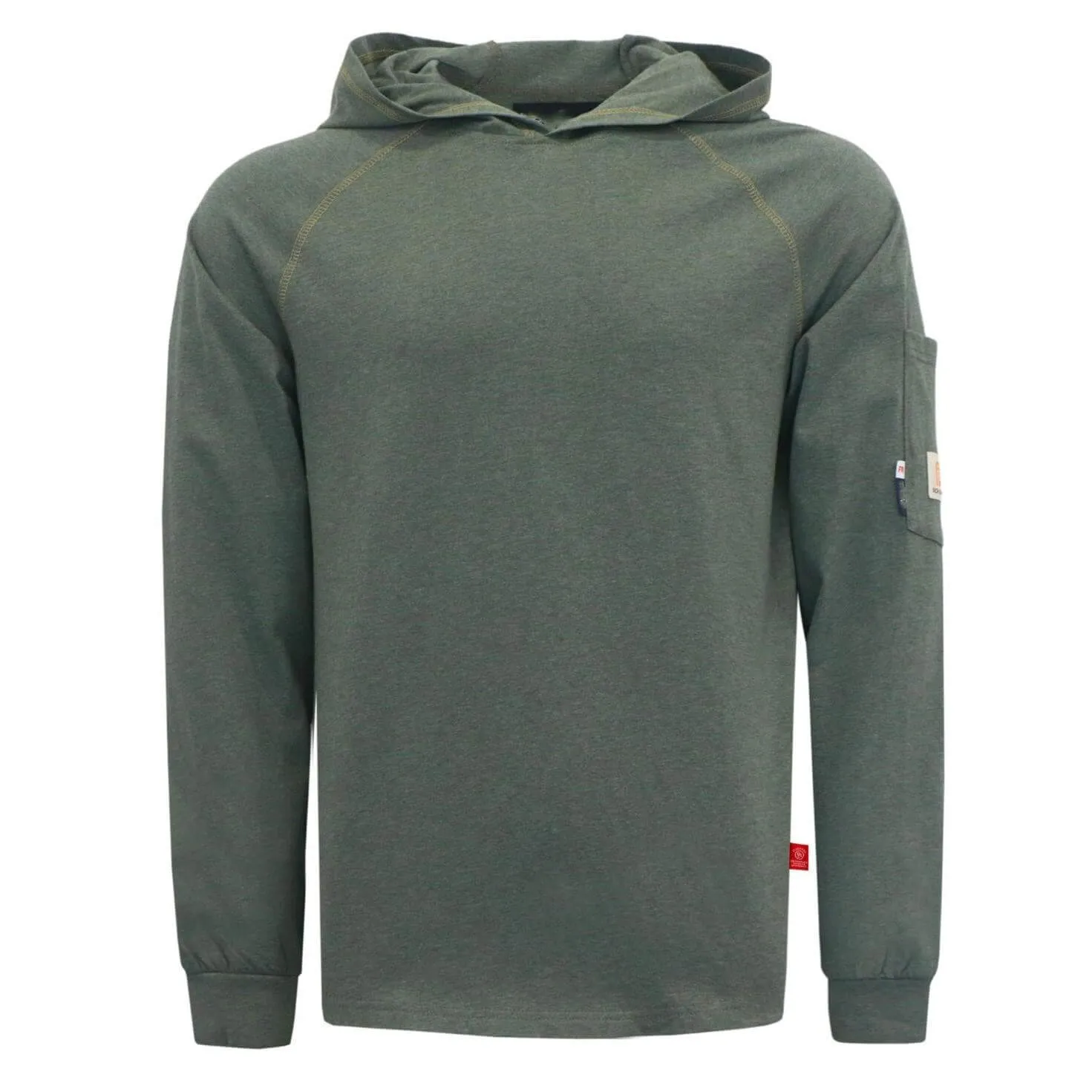
Get a Custom FR Clothing Quote from VisonSafety
How Can You Extend the Lifespan and Performance of FR Workwear?
Extending FR workwear life combines regular inspection, correct storage, careful repair, and following certification‑related care instructions. Put a documented inspection schedule in place, rotate labeled inventory, store garments away from contaminants, and use a clear repair versus retire decision matrix to protect workers while managing costs. Choosing certified products with batch testing and traceability reduces uncertainty—manufacturers can provide care guidance and evidence for procurement and compliance. The checklist and maintenance table below give practical steps to formalize garment longevity in workplace programs.
- Inspect garments before each use for contamination, seam damage, or changes in fabric behavior.
- Store cleaned garments in dry, labeled bins away from solvents and oil sources.
- Repair only per manufacturer guidance; retire garments with compromised FR performance.
- Keep records of batch numbers and laundering cycles to support compliance and traceability.
The table below links fabric types to practical maintenance actions so facilities can prioritize inspections and replacement planning.
| Fabric Type | Attribute | Maintenance Action |
|---|---|---|
| Inherent FR (meta-aramid) | Durable thermal stability | Inspect seams quarterly; follow manufacturer wash cycles |
| Treated FR (cotton blend) | Surface treatment may degrade | Limit exposure to oxidizers; inspect after heavy soiling |
| Hi-Vis FR with reflective tape | Combined safety features | Avoid abrasive cleaners; inspect tape adhesion monthly |
What Are the Best Inspection and Storage Practices for FR Clothing?
Best inspection practice is a quick visual and tactile check before each use for stains, melted fibers, seam failures, or adhesive loss on reflective tape. Use a simple checklist and log inspections to build a maintenance history that informs repair or retirement decisions, and apply stricter criteria to garments exposed to oils or heat. Store cleaned items in a clean, dry area separated from contaminants, and rotate stock so older, cleaned garments are used first. These controls reduce unexpected failures and support compliance with NFPA and other standards.
How Do Certifications Like NFPA 2112 Influence FR Clothing Care?
Certifications such as NFPA 2112 set performance expectations that assume correct care and maintenance; misuse or exposure to prohibited chemicals can void those assurances. Keeping batch traceability, laundering records, and inspection logs helps B2B buyers show due diligence and meet procurement specs that call for ISO‑quality manufacturing and batch testing. Manufacturers that provide clear care instructions and QC documentation make it easier for buyers to meet compliance requirements while managing lifecycle cost and liability.
For tailored OEM/ODM options or quotes for certified FR and Hi‑Vis workwear with traceable batch testing and flexible order sizes, contact VisonSafety for manufacturing and supply solutions. VisonSafety is a manufacturer of certified FR and Hi‑Vis workwear with quality control, sampling, and logistics services designed to support B2B procurement and compliance needs.
Can You Starch FR Clothing | FAQs
1. Can I use fabric softeners on FR clothing?
No. Do not use fabric softeners on FR clothing—softeners leave combustible residues that can compromise the fabric’s flame resistance. Follow the garment’s care instructions and use only approved detergents to keep the protection intact.
2. How often should FR clothing be inspected for damage?
Inspect FR clothing before each use for signs of damage, contamination, or wear. Regular checks catch seam failures, stains, or problems with reflective tape early. A documented inspection routine helps ensure timely repairs or retirements and supports compliance.
3. What should I do if my FR clothing gets heavily contaminated?
If garments are heavily contaminated with oils or solvents, follow manufacturer‑approved cleaning procedures or send them to an industrial laundering service. Home washing may not remove these soils; in severe cases, retiring the item may be the safest choice to meet standards and protect workers.
4. Are there specific storage conditions for FR clothing?
Yes. Store FR clothing in a clean, dry area away from oils, solvents, and other contaminants. Use labeled bins to segregate cleaned items and rotate stock so older garments are used first. Proper storage preserves fabric integrity and reduces unexpected failures.
5. How do I choose the right industrial laundering service for FR garments?
Choose a launderer that uses validated cleaning cycles, approved detergents, and has experience with FR clothing. Ask for process documentation and evidence of compliance with standards. That ensures cleaning preserves protective performance and meets regulations like NFPA 2112 and ASTM F1506.
6. What are the consequences of using bleach on FR clothing?
Using bleach can severely damage FR clothing by oxidizing and stripping protective treatments. This can increase ignition risk and cause compliance failures. Use mild, phosphate‑free detergents instead and follow manufacturer care instructions.
7. How can I ensure my FR clothing remains compliant with safety standards?
To stay compliant, follow the manufacturer’s care instructions for washing, drying, and storage; perform regular inspections; keep laundering and repair records; and avoid prohibited chemicals like bleach and fabric softeners. These steps help preserve protective capabilities and support compliance documentation.
Conclusion
Preserving the protective performance of flame‑resistant clothing is essential for worker safety and regulatory compliance. Follow approved laundering and storage practices, inspect garments regularly, and avoid harmful chemicals like bleach and fabric softeners. When in doubt—especially with heavy contamination—choose industrial laundering or consult the manufacturer. For more guidance and tailored solutions, explore VisonSafety’s resources on FR clothing care.
 English
 Deutsch
 Français
 Polski
 Português do Brasil
 Español
 日本語
日本語 Русский
 العربية
 Italiano
 Nederlands
 Türkçe
 한국어
한국어