
Flame-resistant (FR) apparel demands specific care to maintain its protective capabilities. Therefore, the question “Can you dry clean FR clothing?” requires a precise and cautious answer. This guide covers when dry cleaning is appropriate, how to properly wash FR clothing at home, best practices for industrial laundering, safe stain removal methods, and how diligent care extends garment life while safeguarding certification integrity. You’ll find fabric-specific advice for meta-aramid and FR-treated cotton blends, insights into solvent risks like perchloroethylene, recommendations for home detergents and temperatures, and details on commercial laundry controls that support NFPA/EN compliance. This article directly addresses common concerns: Is dry cleaning safe for my FR garments? How do I wash FR clothing at home? What should I expect from industrial laundering? How do I remove stains without compromising protection? Each section utilizes evidence-based principles, practical checklists, and clear inspection cues to assist safety officers, workers, and launderers in preserving FR clothing performance.
Is Dry Cleaning Safe for All Types of FR Clothing?
The safety of dry cleaning hinges on the fabric’s construction and the solvents employed, as inherently flame-resistant fibers react differently than FR-treated textiles. Inherently FR fibers, such as meta-aramid, retain their structure and resist many solvents. In contrast, FR-treated cotton blends rely on chemical finishes that can be stripped or altered by certain dry-cleaning agents. The primary advantage of understanding this distinction is preserving the garment’s tested performance and certification claims when the correct process is selected. Comprehending solvent effects and label instructions minimizes the risk of compromising self-extinguishing properties. The subsequent section compares fabric types and their typical suitability for dry cleaning, helping you identify conditional allowances.
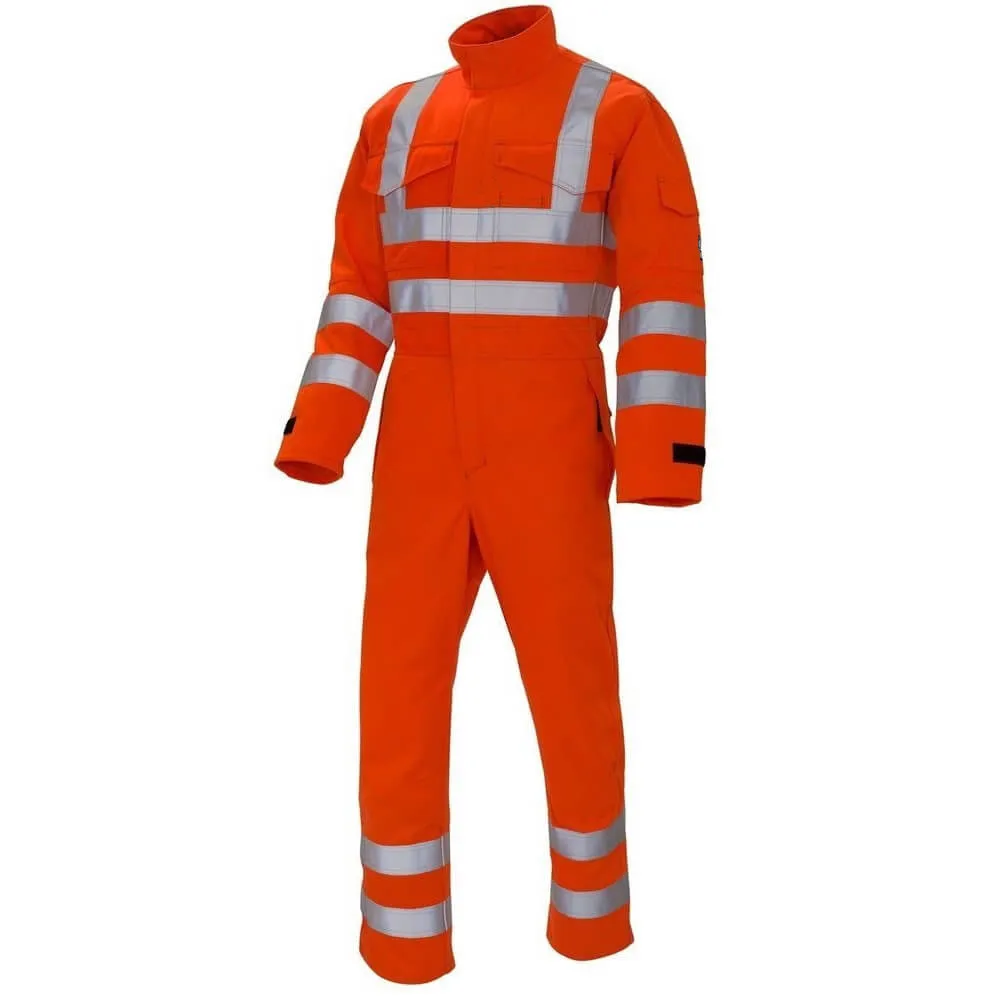
Get a Custom FR Clothing Quote from VisonSafety
Which FR Fabrics Are Suitable for Dry Cleaning?
Inherently FR fabrics, like meta-aramid and certain engineered blends, generally tolerate dry-cleaning solvents better because their flame resistance is an intrinsic fiber characteristic, not a surface treatment. Treated natural fibers, including FR-treated cotton blends, are more susceptible, as the FR treatment can be removed or chemically altered, diminishing protection. Always inspect the care label and manufacturer’s guidance on each garment before opting for dry cleaning. The label provides the definitive compatibility assessment and aids in maintaining traceability for compliance. For ambiguous garments, consider professional evaluation or industrial wet-laundering specifically designed for FR textiles. This material-level distinction explains why fabric-specific care is crucial for maintaining certification and worker safety.
An introductory comparison of common FR fabric types and dry-cleaning recommendations follows to clarify choices and guide inspections.
| Fabric Type | Dry Clean Recommended? | Notes |
|---|---|---|
| Meta-aramid (inherent FR) | Often yes, with experienced cleaner | FR property intrinsic to fiber; fewer solvent risks but verify label |
| FR-treated cotton blends | Typically no / conditional | Finishes can be stripped; prefer manufacturer-recommended washing |
| Natural fibers with FR finish | Usually no | Solvent exposure may reduce surface treatment effectiveness |
This table underscores that material identity dictates the dry-cleaning decision, and label/manufacturer guidance serves as the ultimate authority.
What Dry Cleaning Solvents Are Recommended or Harmful?
Common dry-cleaning solvents have varying effects on FR finishes. Perchloroethylene (PCE), a widely used solvent, can be harsh on some surface treatments and may leave residues. Hydrocarbon alternatives are milder but can still interact with finishes or leave films. Residues, such as starch or certain spotting agents, can impair the self-extinguishing behavior of treated fabrics by altering surface chemistry and increasing flammability risk. For any solvent choice, consult a professional cleaner experienced with protective apparel and request details on their processes and residue controls to safeguard FR performance. The subsequent section outlines scenarios where dry cleaning should be avoided and suggests alternative actions.
An introductory checklist clarifies solvent classes and their typical interactions with FR treatments.
- Solvent classes often used in dry cleaning:Chlorinated solvents (e.g., perchloroethylene): can be aggressive toward finishes.
Hydrocarbon solvents: gentler but may leave oily residues.
Wet-cleaning systems: aqueous-based, often safer for treated fabrics. - Summary: Choose solvent types with documented safety for the garment’s fabric and insist on residue controls.
Perchloroethylene and Dry Cleaning: Transitioning to Safer Alternatives
ABSTRACT: Perchloroethylene and Dry Cleaning: It is time to transition the industry to safer alternatives. 1. Your research is a significant asset; learn how we maximize its impact through our leading community journals.
Perchloroethylene and dry cleaning: It’s time to move the industry to safer alternatives, DM Ceballos, 2021
When Should You Avoid Dry Cleaning FR Apparel?
Refrain from dry cleaning if a garment is contaminated with flammable liquids, exhibits heavy soiling that could trap residues, or carries a care label prohibiting dry cleaning. These situations elevate the risk of performance degradation or hazardous residues. Garments with special trims, heat-sensitive fasteners, or compromised labels are also poor candidates, as dry-cleaning processes can exacerbate damage or remove essential traceability information required for compliance. In such instances, isolate the item, consult manufacturer instructions, and consider industrial wet-laundering, professional FR-focused cleaning, repair, or disposal. The next section details safe home laundering methods that preserve FR properties for garments designated as machine washable.
Introductory bullets summarize contraindications and safe alternatives for damaged or contaminated FR items.
- When to avoid dry cleaning:Visible contamination with flammable liquids.
Care label explicitly prohibits dry cleaning.
Significant structural damage or missing labels. - Summary: If in doubt, prioritize safety—retire, remediate, or use qualified industrial services.
How Should You Properly Wash Flame Resistant Clothing at Home?
Correct home laundering preserves FR performance by employing mild cleaning agents, controlled temperatures, and gentle mechanical action that prevent the stripping of finishes or the embedding of residues. Warm water and liquid, phosphate-free detergents minimize excessive chemical stress, while gentle cycles reduce abrasion to seams and fiber surfaces. These practices uphold the tested mechanisms that provide protective benefits. Adhering to these steps safeguards certifications and extends the garment’s useful life, thereby reducing replacement costs and operational risks. The subsequent subsections provide details on safe detergents, appropriate settings, and reasons to avoid bleach and fabric softeners.
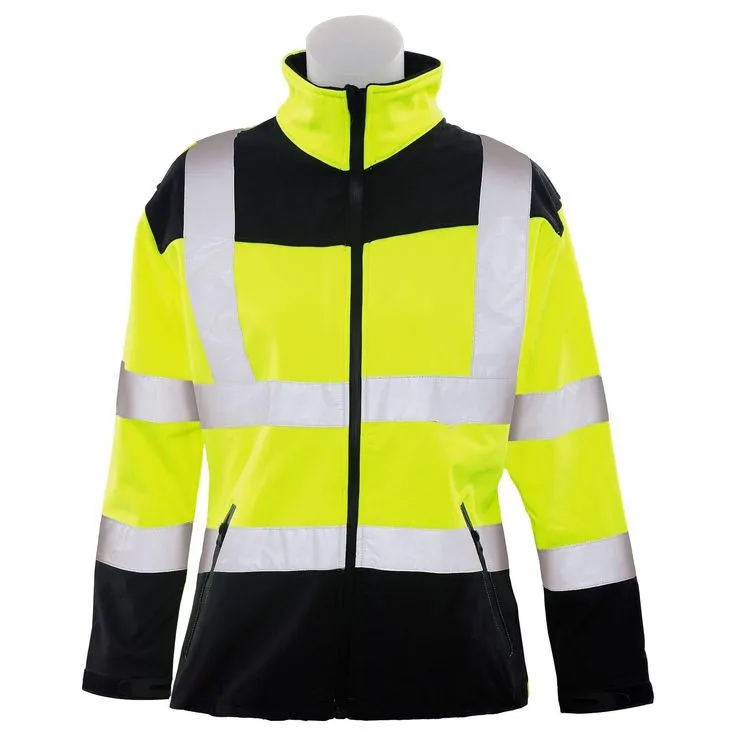
Get a Custom FR Clothing Quote from VisonSafety
What Detergents Are Safe for FR Garments?
Utilize mild liquid detergents formulated without bleach, harsh alkalis, or optical brighteners, as aggressive chemicals can alter FR treatments or damage inherent fiber structures. High-efficiency (HE) liquid detergents are often suitable due to their ease of rinsing and reduced residue buildup; avoid powdered detergents, which may leave particulates. Enzymatic pretreaters specifically formulated without optical brighteners or petroleum solvents are safer for spot treatment. Always consult the manufacturer’s care guidance and test any new product on an inconspicuous area, or seek professional advice for compatibility confirmation.
Introductory list outlines safe detergent characteristics and avoidance guidance.
- Safe detergent practices:Use mild liquid, phosphate-free detergents.
Prefer HE formulations for effective rinsing.
Avoid powdered detergents with abrasives or residues. - Summary: Clean chemistry and thorough rinsing protect FR performance.
Introductory decision table compares detergent and machine settings to guide at-home choices.
| Cleaning Element | Recommended Setting | Rationale |
|---|---|---|
| Detergent type | Mild liquid, phosphate-free | Minimizes chemical attack and residue |
| Water temperature | Warm (not hot) | Balances soil removal and fiber integrity |
| Cycle | Gentle/tumble low | Reduces abrasion to seams and finishes |
What Water Temperature and Machine Settings Preserve FR Properties?
Warm water—typically below high-heat thresholds—effectively cleans without accelerating the degradation of finishes or causing shrinkage in blends. Avoid hot water cycles, which can weaken fiber bonds and alter fabric geometry. Gentle mechanical action and moderate spin speeds minimize abrasion to seams and reduce pilling, preserving both structural integrity and the distribution of the FR treatment. For drying, line drying or tumble-drying on a low setting limits thermal stress; high heat can degrade finishes and damage trims. The following subsection explains why bleach and fabric softeners are detrimental and offers safe alternatives.
Introductory bullets highlight practical setting choices for at-home care.
- Recommended settings summary:Warm water, gentle cycle.
Moderate spin, avoid overdrying.
Line dry or tumble low to protect finishes. - Summary: Controlled heat and gentle action sustain tested protection.
Why Should You Avoid Bleach and Fabric Softeners on FR Clothing?
Bleach oxidizes fibers and can break down chemical bonds within FR treatments, diminishing flame resistance and potentially invalidating manufacturer performance claims. Fabric softeners and dryer sheets deposit hydrophobic films that can alter surface properties and reduce self-extinguishing behavior by creating flammable residues. Instead, use enzyme-free, no-brightener stain removers and mild detergents with complete rinses. For stubborn stains, consult manufacturer guidance or professional FR cleaning services. The next H2 section addresses industrial laundering controls for larger inventories and compliance documentation.
Introductory list of harmful agents and safe substitutes.
- Agents to avoid and why:Chlorine bleach: oxidative damage to fibers and finishes.
Fabric softeners: leave films that alter surface behavior.
Petroleum-based spot removers: may penetrate and remain as fuel. - Summary: Avoid harmful additives and prioritize complete rinsing and manufacturer-approved products.
What Are the Best Practices for Industrial Laundering of FR Clothing?
Industrial laundering for FR clothing emphasizes validated processes that meticulously control chemistry, temperature, mechanical action, and traceability to uphold certification and ensure worker safety. Commercial laundries should implement process validation, pH monitoring, controlled chemical dosing, and batch testing to confirm that laundered garments continue to meet performance criteria after repeated cycles. These controls yield consistent results, reduce long-term replacement expenses, and provide the necessary documentation for compliance audits. The subsequent section lists specific controls that procurement managers should request and explains the advantages of professional maintenance.
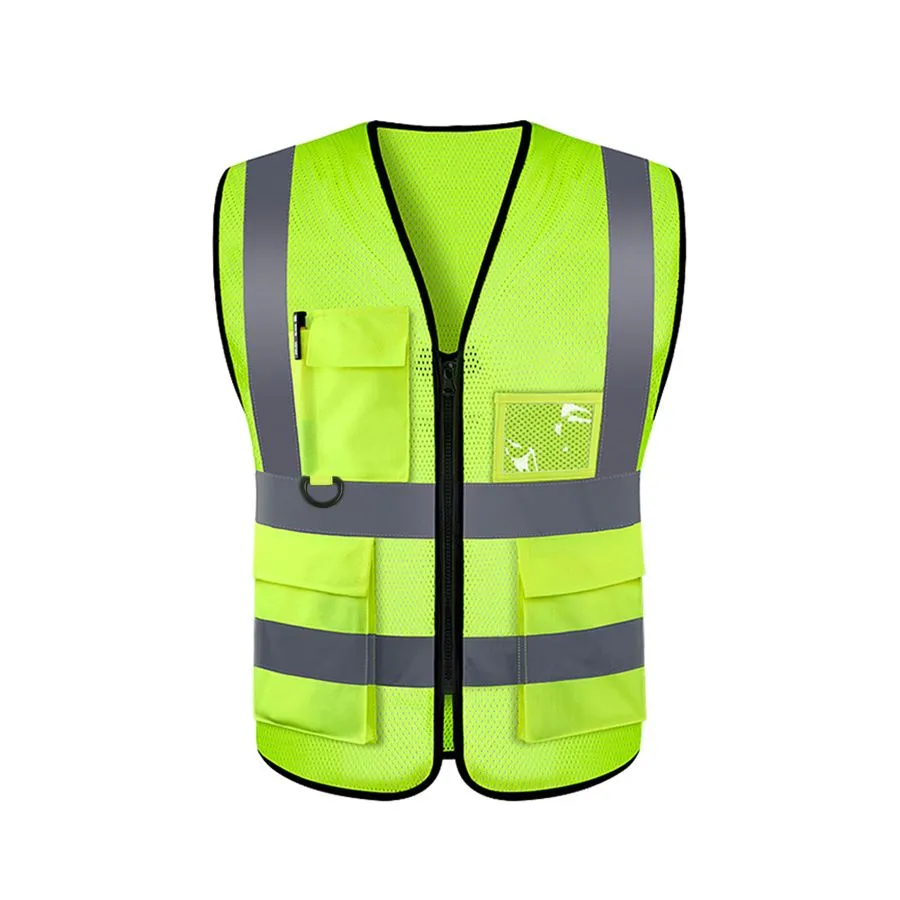
Get a Custom FR Clothing Quote from VisonSafety
How Do Commercial Laundries Maintain FR Certification Compliance?
Commercial laundries ensure compliance by logging process parameters (pH, temperature, chemical concentrations), conducting batch testing for residual flame resistance, and maintaining traceable records that link garments to test outcomes. Contractual agreements should clearly define acceptable chemistries, maximum cycle counts, inspection criteria, and required documentation, such as test certificates and process logs. These measures protect the tested performance and furnish evidence for safety officers during audits. The following business callout highlights manufacturer-level capabilities relevant to large-scale programs.
Introductory checklist provides procurement managers with actionable items to request.
- Documentation and process controls to request:pH and temperature logs per batch.
Chemical dosing records and MSDS for detergents.
Batch traceability and test results confirming FR performance. - Summary: Require detailed process transparency to safeguard certification.
VisonSafety note: As a manufacturer specializing in certified custom safety apparel, VisonSafety emphasizes batch testing and comprehensive quality control for Flame Retardant Clothing. Organizations managing extensive fleets can collaborate with manufacturers or experienced launderers to secure OEM/ODM support, compliance documentation, and process traceability for consistent industrial laundering programs.
What Are the Benefits of Professional FR Garment Maintenance?
Professional maintenance extends garment lifespan, preserves protective performance, and reduces the frequency of replacements by preventing premature degradation caused by improper chemistry or handling. Certified processes help maintain certifications like NFPA 2112 and EN standards by ensuring the garment’s post-laundering performance aligns with laboratory-tested conditions. Employers benefit from reduced operational risks, predictable lifecycle costs, and documented evidence for regulatory compliance. The next H2 section details stain removal techniques that minimize risk to FR protection.
Introductory list of ROI and safety benefits derived from professional services.
- Benefits of professional FR maintenance:Longer garment service life and reduced replacement costs.
Maintained protective performance and certification evidence.
Decreased operational and regulatory risk for employers. - Summary: Investing in certified processes yields both safety and financial returns.
How Can You Remove Stains from FR Clothing Without Damaging It?
Effective stain removal requires a balance between prompt action and chemical restraint to avoid damaging FR finishes or embedding residues that could increase flammability. For garments contaminated with flammable liquids, isolate the item and follow hazardous-material protocols instead of attempting home treatment. For typical oil, grease, or dirt stains, blotting and pre-treating with a mild liquid detergent, followed by proper laundering, usually suffices. Opting for non-petroleum spot cleaners and enzyme-based products free of optical brighteners prevents damage while enhancing soil release. The subsequent subsections offer step-by-step techniques and a list of agents to avoid.
What Techniques Work for Flammable and Non-Flammable Stains?
For garments exposed to flammable liquids, do not attempt home laundering. Isolate the item and adhere to workplace hazardous-material procedures, which may involve controlled industrial cleaning or disposal. For non-flammable stains, blot to remove excess material, pre-treat with a small amount of mild liquid detergent, gently agitate, and then launder using warm water and a thorough rinse. Avoid rubbing, as it can abrade fibers and spread contaminants. Always reconfirm the garment’s label and manufacturer’s guidance before using any solvent-based spot remover. These steps strike a balance between effective cleaning and preserving FR performance.
Introductory list of do/don’t steps for common stains.
- Safe stain-handling steps:Blot—not rub—excess material immediately.
Pre-treat with mild liquid detergent, then launder per care label.
For flammable-soaked items, isolate and consult safety procedures. - Summary: Prompt, gentle action avoids embedding contaminants or harming finishes.
Which Cleaning Agents Should Be Avoided for Stain Removal?
Steer clear of chlorine bleach, harsh solvents, petroleum-based spotters, and unlabelled commercial stain removers, as they can chemically alter FR treatments or leave flammable residues. Instead, use mild detergents, water-based enzymatic pretreaters formulated without brighteners, or manufacturer-recommended products that explicitly state FR compatibility. When uncertain, test on an inconspicuous area, consult manufacturer guidance, or entrust the garment to a professional cleaner experienced with FR apparel. The next H2 section explains how proper care preserves certification and identifies when garments require repair or retirement.
Introductory list of prohibited agents and safer alternatives.
- Agents to avoid and alternatives:Chlorine bleach → use oxygen-based, manufacturer-approved options only if permitted.
Petroleum solvents → use water-based or approved enzymatic pretreaters.
Fabric softeners → use detergent-only washes with full rinses. - Summary: Substituting gentler, labeled products safeguards FR function.
How Does Proper Care Extend the Lifespan and Safety of FR Clothing?
Diligent care directly contributes to maintained protective performance, sustained certification validity, and optimized lifecycle costs, as garments retain their tested characteristics when laundered and inspected according to manufacturer guidance. Regular inspections are crucial for identifying fabric thinning, seam wear, contamination spots, and illegible labels that compromise safety and traceability. Addressing these issues promptly through repair or controlled retirement prevents unsafe usage. Documenting care and repair actions also supports ongoing certification and audit readiness. The subsequent subsections provide inspection cues and explain how adhering to manufacturer instructions protects certifications.
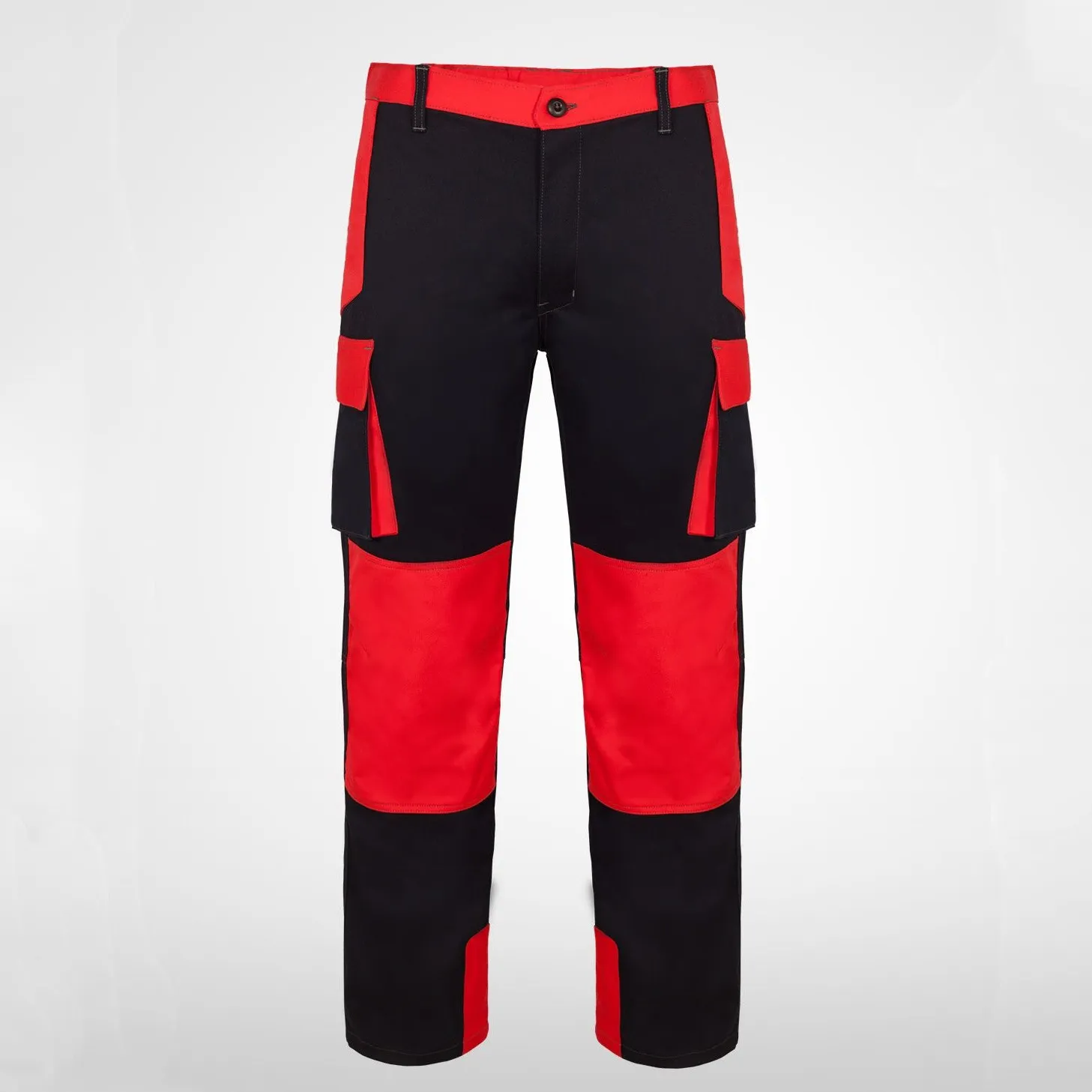
Get a Custom FR Clothing Quote from VisonSafety
What Are the Signs That FR Clothing Needs Repair or Retirement?
Examine garments for clear indicators such as fabric thinning, holes or tears in high-stress areas, persistent staining that resists safe removal, and damaged or missing care labels that compromise traceability. Frayed seams, compromised closures, and visible changes in material texture or rigidity are additional signs that protective performance may be compromised. Utilize a straightforward inspection checklist for each wear cycle and remove suspect garments from service for professional evaluation, repair, or retirement to uphold workplace safety. The following subsection connects these inspection actions to certification protection.
Introductory checklist for visual inspection and action triggers.
- Inspection indicators to watch:Fabric thinning, holes, or tears.
Persistent contamination or staining.
Illegible or missing labels and compromised seams. - Summary: Systematic inspection prevents unsafe continued use.
How Does Following Manufacturer Care Instructions Protect Certifications?
Manufacturer care instructions reflect the conditions under which garments were tested. Adhering to these instructions preserves the material and finish properties that form the basis of performance claims and certifications, such as NFPA 2112 or EN standards. Deviating from prescribed chemistries, temperatures, or cleaning methods can effectively invalidate the tested scenario and diminish confidence in the garment’s protection. Maintain records of laundering, repairs, batch testing, and service providers to demonstrate ongoing compliance. Partnering with manufacturers and certified launderers supports traceability and provides documented evidence that garments consistently meet expected performance over time.
VisonSafety note: Following manufacturer-recommended care not only helps protect certification validity but also reduces replacement costs. VisonSafety’s emphasis on 100 percent fabric batch testing and quality control highlights the value of aligning care and laundering programs with manufacturer guidance when procuring Flame Retardant Clothing or specifying FR coveralls for a fleet.
 English
 Deutsch
 Français
 Polski
 Português do Brasil
 Español
 日本語
日本語 Русский
 العربية
 Italiano
 Nederlands
 Türkçe
 한국어
한국어