
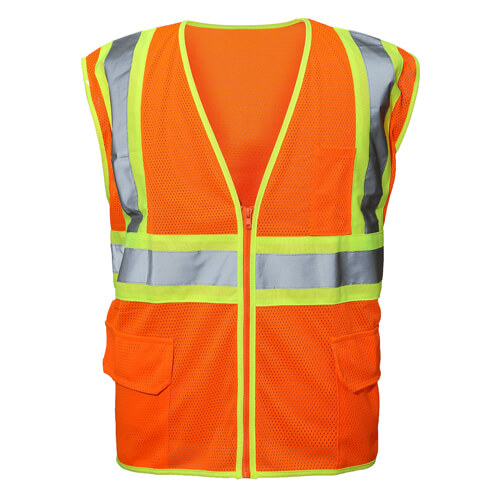
Class 2 high-visibility vests are ANSI/ISEA 107–classified garments designed to improve worker conspicuity in moderate-risk work zones. They combine fluorescent background material and retroreflective tape to meet minimum visibility thresholds while allowing compliant customization for corporate identification.
الامتثال لمعايير ANSI
ANSI/ISEA 107 sets measurable criteria for background area, chromaticity, and retroreflective performance. Class 2 is specified for workers exposed to vehicular traffic or moving machinery at moderate speeds and serves as a primary control to reduce visibility-related incidents.
Get a Custom Class 2 Hi-Vis Vest Quote from VisonSafety
الميزات الرئيسية
Class 2 vests balance conspicuity and practicality. Typical features include:
ألوان الفلورسنت: Bright yellow-green, orange, or red backgrounds for daytime contrast.
شريط عاكس: Retroreflective bands improve detection in low light and at night.
خيارات التخصيص: Permitted so long as required background and reflective areas remain intact.
خيارات التخصيص
Customisation can include logos, approved background colours, and non-intrusive functional additions. Any marking must preserve the minimum material coverage and retroreflective placement required by the standard.
High Visibility Safety Apparel Explanation
The engineered combination of fluorescent substrates and retroreflective components increases detection distance in varied lighting, lowering collision risk in construction, traffic control, and logistics when used within a broader safety programme.
What Defines a Class 2 Hi Vis Vest According to ANSI/ISEA 107 Standards?
Class 2 garments are defined by minimum fluorescent background area and a prescribed quantity and pattern of retroreflective material to achieve required conspicuity for moderate-risk environments. Employers select Class 2 PPE based on ambient conditions and traffic velocity.
Which ANSI/ISEA 107 Requirements Must Class 2 Vests Meet?
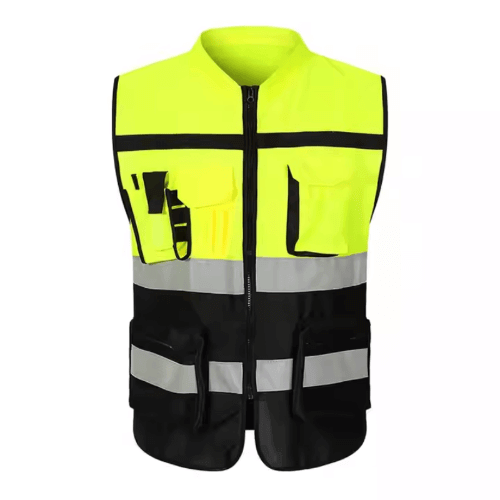
Class 2 vests must meet quantified parameters for background and reflective surface areas, material chromaticity, and retroreflective photometric performance. Key points include:
Minimum Areas: Specified square-inch minimums for background and reflective materials.
Approved Colours: Fluorescent yellow-green, orange, or red.
Tape Standards: Retroreflective tape width and placement follow standardized patterns.
Meeting these parameters ensures the garment provides the intended level of visual conspicuity.
Get a Custom Class 2 Hi-Vis Vest Quote from VisonSafety
How Do Reflective Tape and Materials Enhance Worker Visibility?
Retroreflective tape returns light toward its source, increasing apparent brightness to drivers at distance, while fluorescent fabrics enhance daytime contrast. Used together, they measurably extend detection range and reduce exposure to struck-by hazards.
What Are the Key Features and Materials of Class 2 Reflective Safety Vests?
Class 2 vests use proven materials and construction methods to sustain visibility and wearability:
أقمشة متينة: Polyester or blended substrates that resist wear.
مقاس مريح: Adjustable designs and breathable materials for extended use.
Compliant Customisation: Branding added without reducing required material areas.
Proper sizing is functional: a good fit preserves retroreflective placement, mobility, and wearer acceptance.
Importance of Properly Fitting High-Visibility Safety Vests
As the construction industry diversifies, personal protective equipment must accommodate a broader range of body types. The conventional “one size fits all” approach has proven inadequate; student-led research and industry feedback indicate a prevailing deficit of appropriately fitting vests. The Cal Poly Construction Management Department convened the Verifying Everyone’s Safety Together (VEST) Hackathon to develop prototype solutions and discuss inclusive fit strategies. The resulting research documents the demonstrated demand for properly fitting high-visibility vests identified by participants and stakeholders.
مغطاة بأمان أو مكشوفة بشكل خطير: تحليل قانون الامتثال لسترات السلامة، 2015
Importance of Properly Fitting High-Visibility Safety Vests
As the construction industry diversifies, personal protective equipment must accommodate a broader range of body types. The conventional “one size fits all” approach has proven inadequate; student-led research and industry feedback indicate a prevailing deficit of appropriately fitting vests. The Cal Poly Construction Management Department convened the Verifying Everyone’s Safety Together (VEST) Hackathon to develop prototype solutions and discuss inclusive fit strategies. The resulting research documents the demonstrated demand for properly fitting high-visibility vests identified by participants and stakeholders.
مغطاة بأمان أو مكشوفة بشكل خطير: تحليل قانون الامتثال لسترات السلامة، 2015
What Types of Reflective Tape and Fabric Are Used in Class 2 Vests?
Manufacturers select materials that meet chromaticity, retroreflectivity, and durability requirements. Common choices include engineered fluorescent textiles, certified retroreflective tapes, and durable polyester constructions.
قماش فلوري: Optimised for daylight visibility.
Retroreflective Tape: Meets photometric performance for nighttime detection.
Durable Polyester: Provides mechanical resilience in service.
These selections support predictable in-service performance and regulatory compliance.
How Does Vest Design Support Comfort and Durability in Moderate-Risk Environments?
Design choices balance ergonomics and longevity: lightweight blends reduce fatigue, ventilation manages heat, and reinforced seams prolong service life. These measures promote consistent use and reduce replacement frequency.
Material Composition: Lightweight, breathable fabrics.
التهوية: Venting or mesh panels for airflow.
Reinforcement: Strengthened seams and stress points.
How Do Class 2 Hi Vis Vests Support Worker Safety and Brand Visibility?
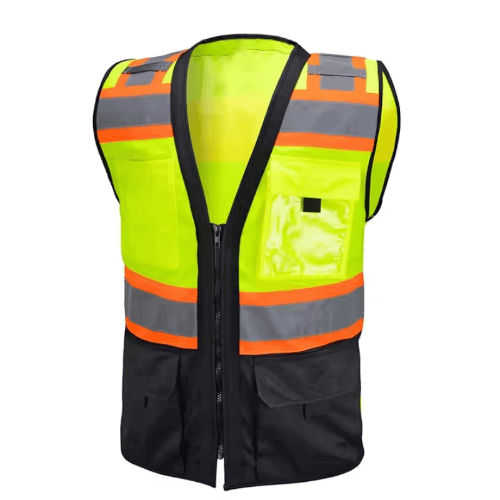
Class 2 vests enhance worker visibility while providing a compliant platform for corporate identification. Properly applied branding can coexist with ANSI/ISEA requirements, helping organisations manage risk and present a consistent image.
Get a Custom Class 2 Hi-Vis Vest Quote from VisonSafety
In What Work Environments Are Class 2 Vests Recommended?
Class 2 vests suit roles with routine exposure to moving equipment or vehicular traffic at moderate speeds where Class 1 is insufficient. Typical applications include:
مواقع الإنشاءات
التحكم في حركة المرور
Logistics and Warehousing
Selection should follow a documented hazard assessment aligned with regulatory guidance.
How Can Customization Options Enhance Brand Recognition and Compliance?
Customisation can reinforce identity while preserving ANSI/ISEA parameters. Organisations may add logos or select approved colours provided modifications do not reduce required background or retroreflective areas. فيزونسافيتى offers compliant customisation services.
What Are the Differences Between Class 2 and Class 3 Hi Vis Vests?
The classes differ in minimum fluorescent and retroreflective areas and intended exposure. Class 3 provides greater conspicuity for high-speed or high-exposure environments; Class 2 is intended for moderate-risk situations.
متطلبات الرؤية: Class 3 requires more reflective material and larger fluorescent area.
Intended Uses: Class 2 for moderate risk; Class 3 for high-risk or night/high-speed operations.
How Do ANSI Standards Distinguish Class 2 from Class 3 Vests?
ANSI standards define minimum areas, placement patterns, and retroreflective performance thresholds that distinguish classes, enabling objective PPE selection based on traffic speeds, lighting, and exposure.
Which Class of Vest Is Suitable for Night Work and High-Risk Conditions?
For night work or high-risk conditions, Class 3 garments are recommended because their larger fluorescent area and greater retroreflective coverage maximise detection distance. Class 2 remains appropriate for many daytime, moderate-risk roles.
What Are Class 2 Hi Vis Vests | FAQs
What are the main differences between Class 2 and Class 1 hi vis vests?
Class 1 is for low-exposure settings and requires less background and reflective material. Class 2 increases fluorescent and retroreflective coverage for moderate-risk tasks.
Can Class 2 hi vis vests be used in inclement weather?
Yes, when constructed from materials that retain chromaticity and retroreflectivity when wet. Water-resistant or waterproof options are available; verify manufacturer specifications.
How should Class 2 hi vis vests be maintained for longevity?
Inspect regularly for wear and retroreflective loss. Follow laundering guidance (mild detergent, no bleach, air dry) and store away from prolonged UV exposure.
Are there specific sizing guidelines for Class 2 hi vis vests?
Use manufacturer sizing charts to ensure material coverage and mobility. Adjustable features help accommodate diverse body types without obscuring reflective placement.
What industries benefit most from using Class 2 hi vis vests?
Construction, traffic control, logistics, and other sectors with routine vehicle or equipment interaction benefit from Class 2 apparel to reduce struck-by incidents and support compliance.
Can Class 2 hi vis vests be customized for branding purposes?
Yes—within ANSI/ISEA constraints. Approved logo placement and colour options preserve required areas while enabling brand integration into PPE programmes.
الخلاصة
Class 2 hi-vis vests offer a standards-based way to improve conspicuity in moderate-risk settings while permitting compliant customisation. Selecting specification-compliant, well-fitting garments is a practical step toward reducing visibility-related hazards and sustaining workplace safety programmes.
 English
 Deutsch
 Français
 Polski
 Português do Brasil
 Español
 日本語
日本語 Русский
 العربية
 Italiano
 Nederlands
 Türkçe
 한국어
한국어