
Flame‑resistant (FR) clothing is purpose-built to protect people from thermal hazards by combining FR fabrics, engineered seams, and certified components that resist ignition and limit burn injury. This guide explains whether alterations are safe, why most field modifications create safety and compliance risks, and what practical alternatives — repairs, re‑treatment, or custom manufacture — keep protection intact. You’ll learn how inherent and treated FR fabrics react to cutting and re‑seaming, what industry standards require for repairs, and when working with a certified manufacturer or repair center is the safer choice. For B2B buyers, VisonSafety’s OEM/ODM custom FR manufacturing is presented as a controlled alternative to risky post‑sale changes. The sections that follow unpack safety hazards, offer a concise fabric comparison, summarize manufacturer and standards guidance with clear checklists, and show how custom production reduces the need for on‑site alterations while supporting compliance and logistics.
Why Is Altering FR Clothing Risky for Safety and Compliance?
Altering an FR garment changes the engineered protective system: cuts, new seams, or non‑FR parts can disrupt fabric continuity, weaken seam strength, and invalidate certified components. Those changes undermine the mechanisms that prevent ignition and control heat transfer, increasing the potential for more severe burns. Regulators and certifiers treat FR garments as complete systems, so unauthorized modifications can void certification and break traceability required for audits. Below we list the most common, concrete safety risks so you can quickly assess exposure.
- Loss of fabric continuity: Cutting into the FR weave removes protective fibers and can leave untreated edges vulnerable.
- Introduction of non‑FR materials: Using regular thread, standard adhesives, or non‑rated fasteners creates new ignition points.
- Compromised seam integrity: Replacing or altering seams may reduce thermal performance and lower tear or load strength.
These hazards show why tailoring FR clothing isn’t the same as standard alterations — it’s a technical change that can increase burn severity and legal liability. Next, we detail how specific modifications interact with standards and certification.
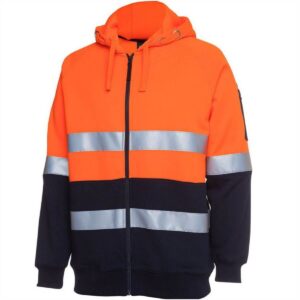
Get a Custom FR Clothing Quote from VisonSafety
What Are the Safety Risks of Modifying Flame Resistant Garments?
Common changes — hemming, resizing, or adding patches — can cause localized loss of flame resistance and unpredictable ignition behavior. Cutting severs continuous FR fibers, reducing char performance and exposing raw edges that ignite more easily. Adding non‑FR thread or patches introduces materials with lower ignition thresholds, creating hot‑spot failure points. Safety managers and frontline supervisors should treat modification requests cautiously and follow a short pre‑work checklist before approving any change.
- Check the garment’s certification label and documentation before any work.
- Never use non‑FR thread, adhesives, or fasteners on FR garments.
- For repairs, insist on FR‑rated components and traceable repair methods.
That checklist helps decide whether a repair is acceptable or if replacement or a factory solution is required. Next we explain how improper changes affect standards such as NFPA 2112.
How Do Improper Alterations Affect NFPA 2112 and Other Standards?
Alterations done without following approved methods can void certification under standards like NFPA 2112, ASTM F1449, and EN ISO 11612. These standards require that garments and repairs preserve FR performance using approved materials and documented processes. Repairs must often be made with FR‑rated components and logged so traceability remains for audits. Removing or obscuring certification tags — or performing undocumented alterations — complicates compliance and can expose buyers to regulatory and contractual risk. Always document repair choices and consult the original manufacturer to reduce regulatory exposure.
Because standards focus on both materials and documented processes, the next section explains how inherent and treated FR fabrics differ in their tolerance to alterations and what that means for repairability.
What Are the Differences Between Inherent and Treated FR Fabrics for Alteration?
Inherent FR fabrics carry flame resistance in the fiber chemistry itself, while treated FR fabrics depend on a surface‑applied finish to resist ignition. That distinction matters: cutting or reworking an inherent fiber leaves the remaining yarn still FR at the fiber level, whereas cutting into a treated fabric can expose untreated fiber cores or remove the finish at edges. These differences affect repair options, recommended techniques, and when replacement is the safer course. The table below gives a concise comparison to help buyers and safety teams judge when an alteration might be feasible.
| Fabric Type | How Alterations Affect It | Practical Risk / Repairability |
|---|---|---|
| Inherent FR | Fiber chemistry remains FR after cutting | Lower risk if repaired using FR thread and compatible components |
| Treated FR | Surface finish can be removed by cutting or washing | Higher risk; exposed edges may lose FR protection and require re‑treatment |
| Blend (treated+inherent) | Response varies with dominant fiber | Variable — perform sample tests before approving repairs |
Overall, inherent fabrics tolerate conservative repairs better than treated finishes, but every repair still requires FR‑rated materials. Next we look at practical guidance for inherent fibers.
How Does Alteration Impact Inherent Flame Resistant Fabrics?
Inherent FR fibers such as aramids are flame‑resistant by composition, so mechanical alteration doesn’t change the fiber chemistry. The protective system, however, depends on seam construction, thread choice, and compatible components — introducing non‑FR thread or improper seam techniques can negate the fiber’s advantage. Repairs on inherent fabrics are most reliable when technicians use like‑for‑like FR thread, FR patches, and certified fastening methods that preserve seam strength. Before proceeding, perform a sample repair or consult the garment manufacturer to confirm the repaired area still meets performance requirements.
With that in mind, here’s how treated fabrics differ when altered.
What Are the Challenges of Altering Treated FR Fabrics Safely?
Treated FR fabrics owe protection to a bonded chemical finish; that finish can be removed by cutting, laundering, heat, or solvents. Alterations that expose untreated edges or use aggressive sewing processes can locally strip the treatment and create zones that no longer meet flame‑resistance criteria. For substantial changes, replacement or factory re‑treatment followed by testing is often the safer option. When considering alterations to treated garments, prioritize manufacturer‑approved repair paths or full replacement to avoid compliance failure.
With fabric behavior established, the next section summarizes manufacturer and industry guidance on acceptable repair materials and methods.
What Are the Manufacturer and Industry Guidelines for FR Clothing Alterations?
Manufacturer instructions and industry standards set the rules for when and how FR garments may be altered; following them preserves protection and traceability. Standards like NFPA 2112 and ASTM F1449 require that repair materials and techniques maintain FR performance and that repairs are documented so certification claims remain verifiable. Many manufacturers list approved threads, patches, and fasteners and may mandate certified repair centers for structural work. Below are the key, practical clauses to follow and a short checklist of approved actions.
Key standard takeaways for repairs and alterations:
- Use only FR‑rated materials for thread, patches, and fasteners.
- Log every repair for traceability and audit readiness.
- Get manufacturer approval or use certified repair processes for structural changes.
These rules clarify the practical steps technicians should take; next we summarize what standards typically require in repair situations.
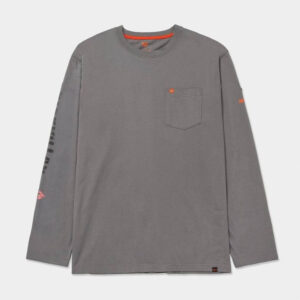
Get a Custom FR Clothing Quote from VisonSafety
What Do NFPA 2112 and ASTM F1449 Say About FR Garment Repairs?
NFPA 2112 and ASTM F1449 require that repairs preserve the garment’s FR performance and that replacement materials be equivalent to the original certified components. When a repair alters the protective system significantly, these standards call for documented repair procedures and, in some cases, re‑testing or re‑certification. In practice, some repairs will need explicit manufacturer approval to maintain compliance. Keeping detailed repair records and material certificates helps organizations demonstrate conformity during audits.
This overview points directly to which materials and techniques are generally acceptable for safe modifications.
Which Materials and Techniques Are Approved for Safe FR Clothing Modifications?
Approved options are those that preserve the garment’s protective system and are commonly specified by manufacturers and standards. Acceptable materials include FR‑rated sewing thread, FR fabric patches that match the original spec, and certified FR fasteners. Risky or prohibited choices include ordinary polyester/cotton thread, non‑rated adhesives, and standard snaps or zippers. When unsure, limit changes to cosmetic adjustments or send the garment to the manufacturer or a certified repair specialist to avoid creating non‑compliant items.
- Use FR‑rated thread for all seam and edge repairs.
- Apply FR patches with approved seam methods and stitching patterns.
- Replace fasteners only with certified FR‑rated equivalents.
This practical checklist explains why many buyers choose custom manufacturing to remove the need for risky field alterations — the next section covers that option in detail.
How Does VisonSafety’s Custom FR Manufacturing Prevent the Need for Alterations?
Custom FR manufacturing reduces post‑sale alterations by building required fit, features, and compliance into the garment during production. OEM/ODM processes let buyers specify sizing, seam construction, and FR components so garments meet operational and regulatory needs out of the box, lowering the chance of risky field changes. VisonSafety is a certified safety apparel manufacturer offering custom Hi‑Vis and FR workwear with production controls designed to maintain FR integrity and cut alteration‑driven liability. The table below maps specific service features to business benefits and measurable impact for B2B buyers.
| Service Feature | Benefit | Business Impact |
|---|---|---|
| 100% fabric batch testing | Verifies material consistency | Reduces in‑field repairs and compliance exposure |
| ISO 9001 facility (40,000 sq.ft.) | Controlled production and QA | Improves traceability and audit readiness |
| OEM/ODM flexibility | Custom sizing and spec options | Minimizes fit‑related alterations and returns |
This mapping shows how factory controls and bespoke specifications lower the need for hazardous on‑site modifications. The following points reinforce operational credibility.
Why Choose Custom FR Workwear to Avoid Unsafe Alterations?
Custom FR workwear prevents the common fit and feature gaps that drive hemming, resizing, or retrofitting—actions that can void certification and create safety hazards. Factory production installs FR seams, FR thread, and FR‑rated components, preserving the garment’s protective system and certification integrity. For B2B buyers, investing in custom specs reduces downstream costs from non‑compliant repairs, rework, and liability. Here are the practical reasons organizations pick custom manufacturing as a preventive compliance strategy.
- Custom sizing removes the need for field hemming or resizing.
- Factory‑installed FR components preserve certification claims.
- Spec‑driven production ensures consistent brand and safety standards.
These benefits make custom manufacturing a safer, often more cost‑effective choice than altering certified garments after delivery.
How Does VisonSafety Ensure Certified and Tailored FR Clothing for B2B Clients?
VisonSafety maintains production and quality controls that support certified, custom FR workwear for global B2B customers. We perform 100% fabric batch testing and operate full quality control within an ISO 9001 facility, keep materials traceable for more than three years, and provide certification documents such as OEKO‑TEX, CE, and UL where applicable. VisonSafety offers OEM and ODM services with flexibility for small to bulk orders, dedicated after‑sales support, and DDP shipping to simplify logistics. For organizations needing compliant, fit‑for‑purpose FR clothing, contacting VisonSafety to request a spec‑driven quote or sample is the best way to avoid unsafe alterations and maintain audit‑ready traceability.
| Service Feature | Attribute | Value |
|---|---|---|
| Batch testing | Quality assurance | 100% fabric batch testing for consistency |
| Certification docs | Compliance support | OEKO‑TEX, CE, UL documentation available |
| Logistics flexibility | Buyer convenience | Small to bulk orders; DDP shipping offered |
This final table reinforces how manufacturer controls make post‑sale alterations unnecessary and reduce the risk of non‑compliant changes.
Can You Alter FR Clothing | FAQs
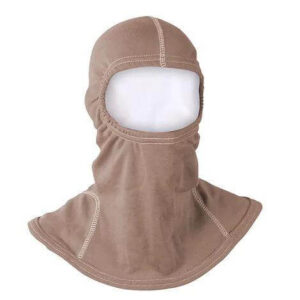
Get a Custom FR Clothing Quote from VisonSafety
Can I wash flame-resistant clothing without losing its protective qualities?
Yes — if you follow the manufacturer’s care instructions. Proper laundering maintains FR performance. Avoid bleach, fabric softeners, and aggressive solvents, and follow recommended wash temperatures and detergents. Inspect garments after laundering for wear, damage, or changes in fit, and retire items that show signs of compromised protection.
What should I do if my FR clothing gets damaged?
Assess the damage and its location. Small, localized tears may be repairable using FR‑rated materials and approved methods; major structural damage usually requires replacement. Always consult the garment’s manufacturer or a certified FR repair specialist before authorizing repairs — improper fixes can void certifications and increase risk.
Are there specific certifications I should look for in FR clothing?
Yes. Look for industry standards and certificates such as NFPA 2112, ASTM F1506, and EN ISO 11612 where they apply to your region and hazard type. Check labels and documentation for FR‑rated components and testing data. Verified certifications help ensure the garment meets the performance you expect.
How often should I replace my FR clothing?
Replacement frequency depends on use, exposure, and condition. Inspect garments regularly and replace them sooner if you see significant wear, contamination, or damage. As a rule of thumb, many organizations plan for replacement within 1–2 years for heavily used items, but always base decisions on inspection records and performance, not an arbitrary schedule.
Can I customize my FR clothing for better fit and comfort?
Customization is possible, but it must be done correctly to preserve FR protection. Consult the manufacturer for approved customization methods and materials. In many cases, ordering custom FR garments from the factory is the safest route to achieve fit and comfort without risking the garment’s protective properties.
What are the benefits of custom FR manufacturing over off-the-shelf options?
Custom FR manufacturing delivers tailored fit, integrated features, and consistent compliance. It reduces the need for on‑site alterations, ensures all components are FR‑rated and compatible, and lowers liability from improper modifications. For businesses, custom specs also improve usability and reduce returns or rework.
How can I ensure my FR clothing remains compliant with safety regulations?
Follow manufacturer care instructions, perform routine inspections, and document maintenance and repairs. Use only FR‑rated materials for any approved repairs and consult the manufacturer for guidance on acceptable modifications. Maintain repair records and certificates to demonstrate compliance during audits and inspections.
Conclusion
Altering flame‑resistant clothing carries real safety and compliance risks. When protection matters, the safest choices are proper, documented repairs by certified specialists or ordering custom FR garments built to your specifications. Custom manufacturing from a trusted provider like VisonSafety removes common fit and feature gaps that lead to risky field alterations and supports audit‑ready traceability. For a compliant, fit‑for‑purpose solution, explore VisonSafety’s custom FR workwear options today.
 English
 Deutsch
 Français
 Polski
 Português do Brasil
 Español
 日本語
日本語 Русский
 العربية
 Italiano
 Nederlands
 Türkçe
 한국어
한국어