
NFPA 2112 is an important baseline for flame-resistant (FR) clothing, but many employers and safety professionals ask whether it’s enough where molten metal is present. This article explains what NFPA 2112 covers, where it falls short for molten-metal splash, and how those risks differ from typical flash-fire hazards. You’ll also find practical guidance on fabrics and garment types that better protect workers in aluminum and steel operations, plus how to decide when additional standards or specialized apparel are required.
What Does NFPA 2112 Cover in Flame Resistant Clothing Standards?
NFPA 2112 sets performance and construction requirements focused mainly on flash-fire protection. It specifies how garments should be made and tested so they don’t ignite easily and will limit burn injury during a short-duration thermal event. Certification to NFPA 2112 gives employers confidence that garments meet flash-fire criteria, but the standard was not written to address all thermal hazards found in foundries or metal-processing environments.
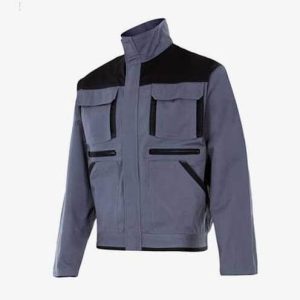
Get a Custom FR Clothing Quote from VisonSafety
Which Hazards Are Addressed by NFPA 2112?
NFPA 2112 targets flash-fire scenarios—rapid, short-duration flames often caused by flammable vapors or gases. The standard assumes a whole-garment system that performs predictably during that brief exposure. It does not, however, cover the distinct challenge of molten metal splash, which behaves differently and can require different material properties and testing.
What Are the Limitations of NFPA 2112 Regarding Molten Metal Splash?
The main limitation is scope: NFPA 2112 was developed for flash-fire protection and does not include specific tests for molten metal splash. Molten metal can cause deep, adhesive burns and demands resistance to melting and dripping—characteristics NFPA 2112 testing doesn’t fully measure. As a result, an NFPA 2112-certified garment may offer some protection but should not be assumed sufficient for routine exposure to molten metal.
Why Is Molten Metal Protection Different from Flash Fire Protection?
Molten metal hazards differ in duration, temperature, and injury mechanism. Flash fires are intense but brief, so materials are tested for short-term heat exposure and limited char or after-flame. Molten metal introduces direct contact and splash with very high localized temperatures; some fabrics can melt or stick to skin under those conditions. That’s why molten metal protection often requires non-melting fibers, surface treatments, or layered systems designed specifically for splash resistance.
What Are the Specific Hazards of Molten Metal in Aluminum and Steel Industries?
In aluminum and steel operations, molten metal splashes and spills are frequent hazards. Temperatures are high enough to melt many synthetic fibers, causing them to fuse to skin and greatly worsen injury. Unexpected splashes, accidental pours, and splatter during handling increase the need for garments that resist melting, provide mechanical durability, and limit heat transfer to the wearer.
How Does Molten Metal Splash Impact FR Clothing Performance?
Molten metal splash exposes clothing to concentrated heat and molten droplets that can penetrate, melt, or adhere to fabric. Synthetic fibers tend to perform poorly because they can liquefy and stick to skin. That’s why non-melting base layers, inherently flame-resistant fibers (like aramids), and properly constructed outer layers are important for reducing burn severity and improving overall protection in molten-metal environments.
Research comparing common workwear fabrics shows big differences in how materials handle molten metal exposure, underlining the importance of careful fabric selection.
Workwear Fabric Performance for Molten Metal Protection
Foundry processes involve melting metals and carrying them to molds, which creates significant splash and spill risks. A study of workwear materials used in Turkish foundries evaluated a wide range of fabrics to identify suitable options for molten metal work. Materials tested included FR-treated cotton, cotton denim, modacrylic-viscose blends, meta-aramid, aluminized aramid, FR viscose–wool–polyamide blends, and leather. Results varied: meta-aramid and some FR cottons resisted flame spread, while leather, aluminized aramid, FR viscose–wool–polyamide, and cotton denim showed the strongest performance in molten metal protection tests.
Workwear fabric suitability to molten metal industry, B Kutlu, 2020
| Material Type | Melting Point | Suitability for Molten Metal Protection |
|---|---|---|
| Nomex® | 370°C | High |
| Modacrylic | 250°C | Moderate |
| Synthetic Fabrics | 200°C | Low |
The table highlights how different fibers perform under molten-metal exposure. Selecting materials with higher thermal stability and non-melting behavior is key when molten metal is a likely hazard.
How Do NFPA 2112 and Other Standards Compare for Molten Metal Protective Gear?
NFPA 2112 focuses on flash-fire resistance. Other standards fill different needs: ASTM F1506 targets arc-flash protection, and ISO 11612 addresses a wider range of thermal hazards, including molten metal splash. Knowing which standard tests for which hazard helps you pick garments that match the real-world risks of your operations.
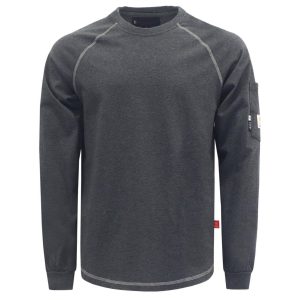
Get a Custom FR Clothing Quote from VisonSafety
What Are the Key Differences Between NFPA 2112, ASTM F1506, and ISO 11612?
The standards differ by hazard focus and test methods. NFPA 2112 centers on flash fire performance, ASTM F1506 includes arc flash criteria, and ISO 11612 covers several thermal risks—such as radiant heat, convective heat, and molten metal splash. Each standard has value; the right choice depends on the hazards workers actually face.
Studies of advanced fabric systems show that para-aramid blends and reinforced constructions can reach high molten-metal splash resistance, meeting ISO 11612 classifications in many cases.
Advanced Fabrics for Molten Metal Splash Protection
Thermal protection against flame, hot surfaces, radiant heat, and molten metal is critical in foundries and welding applications. Two para-aramid-based fabrics were developed and evaluated: one 100% para-aramid and another blended para-aramid with modacrylic and steel-wire reinforcement (PMSS). Both delivered comparable thermal protection, while the PMSS blend showed superior mechanical strength (better cut and puncture resistance). Both fabrics experienced some sticking of molten aluminum, but a neoprene coating improved their performance. Each fabric achieved a D2 level per ISO 11612, indicating suitability for high-risk molten-metal environments.
Protection Against Thermal Hazards: Large and Small Molten Metal Splashes, 2025
When Should Additional Standards Be Considered for Industrial Safety Apparel?
Consider additional standards whenever your workplace exposes workers to hazards beyond what NFPA 2112 covers—especially molten metal, arc flash, or prolonged thermal exposure. Combining standards (for example, NFPA 2112 for flash fire plus ISO 11612 for molten metal) or selecting garments tested to the specific exposure scenarios of your operation will yield better protection.
What Are the Best FR Clothing Options for Aluminum Workers Facing Molten Metal Hazards?
For aluminum operations with molten-metal risk, prioritize garments that resist melting, shed splatter, and offer full coverage. Common effective options include:
- FR Coveralls: Full-body protection that minimizes exposed seams and gaps where splashes can penetrate.
- FR Shirts: Breathable, layered options for tasks with lower splash risk but still requiring inherent FR performance.
- FR Pants: Durable, non-melting materials and reinforced seams for reliable lower-body protection.
VisonSafety provides certified FR garments and can help specify custom solutions that address molten-metal exposures for your facility.
To explore custom options tailored for industries with molten metal hazards, you can contact VisonSafety .
How Does VisonSafety Customize FR Apparel for Molten Metal Protection?
VisonSafety works with customers to match fabric, fit, and features to the task. That means selecting non-melting base layers and outer fabrics with proven splash resistance, optimizing patterns for coverage and mobility, and adding functional details—like reinforced knees or closures—to reduce exposure points. The goal is practical protection that workers will actually wear on the job.
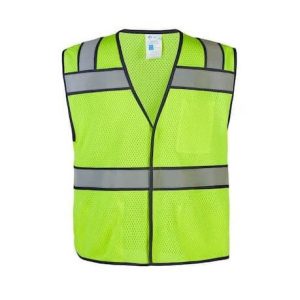
Get a Custom FR Clothing Quote from VisonSafety
Which Certifications Ensure Compliance and Enhanced Safety Performance?
Third-party certifications give objective assurance that garments meet their intended performance. Common and useful certifications include:
- ANSI/ISEA 107 Compliance : Improves visibility for workers in hazardous environments.
- NFPA 2112 Certification : Verifies flash-fire performance for FR garments.
- ASTM F1506 Certification : Addresses arc-flash protection requirements.
Choosing garments that combine the right certifications for your hazards helps ensure workers receive comprehensive protection.
For a selection of protective gear designed to meet rigorous safety requirements, explore FR clothing options.
Is NFPA 2112 Good Enough for Molten Metal Protection | FAQs
What materials are best for molten metal protection in FR clothing?
Materials with high thermal stability and non-melting behavior are preferred. Nomex® and para-aramid blends perform well thanks to high decomposition temperatures and structural integrity under heat. Leather and aluminized aramid also provide strong splash resistance. Avoid ordinary synthetic fabrics in molten-metal areas because they can melt and adhere to skin, increasing injury severity.
How can employers ensure their workers are adequately protected from molten metal hazards?
Start with a thorough risk assessment to identify actual exposure scenarios. Specify garments and PPE tested for those scenarios—ISO 11612 is useful when molten-metal splash is a concern. Combine appropriate clothing with training, safe work practices, and engineering controls to reduce risk. Regularly review protections as processes or materials change.
What additional safety measures should be implemented alongside FR clothing?
Use a layered approach: engineering controls, physical barriers, and administrative controls plus personal protective equipment. Provide task-specific PPE (gloves, face shields, aprons, and boots), enforce safe handling procedures, maintain ventilation, and run emergency drills. Good housekeeping and routine equipment maintenance also reduce splash and spill likelihood.
Are there specific regulations for molten metal protection in the workplace?
Yes. In the U.S., OSHA sets general requirements for personal protective equipment and safe workplaces. Standards like ISO 11612 and ASTM F1506 provide specific test methods and performance criteria for thermal and arc hazards. Employers must apply the regulations and standards that match the hazards present in their workplaces.
How often should FR clothing be inspected and replaced?
Inspect FR garments before each use for damage, wear, contamination, or signs that performance may be compromised. Replace garments that show significant wear or that have been exposed to molten metal. Follow manufacturer guidance on service life and laundering to preserve protective qualities.
What role does comfort play in the effectiveness of FR clothing?
Comfort strongly influences compliance. If garments restrict movement or cause overheating, workers are less likely to wear them consistently. Proper fit, breathable construction where possible, and sensible design details increase the chance that workers will keep PPE on and correctly, which improves overall safety.
Conclusion
NFPA 2112 provides reliable flash-fire protection, but it was not written to address molten metal splash specifically. For environments where molten metal is a realistic hazard, select garments and materials tested for molten metal performance (such as those meeting ISO 11612 classifications), combine appropriate certifications, and implement complementary controls. Doing so reduces injury risk and delivers protection matched to the real hazards your workers face. For tailored solutions, explore VisonSafety’s FR clothing options or contact our team to evaluate your specific needs.
 English
 Deutsch
 Français
 Polski
 Português do Brasil
 Español
 日本語
日本語 Русский
 العربية
 Italiano
 Nederlands
 Türkçe
 한국어
한국어