
Meeting NFPA 2112 is essential for companies that outfit people who face flash‑fire or thermal risks. The standard defines how flame‑resistant (FR) apparel must perform to protect workers during short, intense fire exposures. Below we explain why NFPA 2112 matters, the key requirements, and practical steps to achieve compliance. A clear process — from material selection to testing — makes the path manageable. We also note the value of partnering with certified manufacturers like Vision Safety for custom FR clothing .
What NFPA 2112 Is — and Why It Matters
NFPA 2112, produced by the National Fire Protection Association, sets performance criteria for flame‑resistant garments to protect industrial personnel from flash fires. Compliance shows clothing has been tested to reduce burn severity and afterflame and establishes minimum protection employers should require for FR apparel.
NFPA 2112: Standard for Flame‑Resistant Garments
This standard details requirements for heat‑ and flame‑resistant protective clothing used to protect industrial personnel from flash fire hazards.
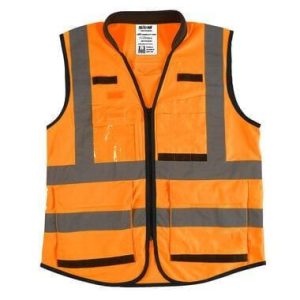
Get a Custom FR Clothing Quote from VisonSafety
How NFPA 2112 Defines Fire‑Resistant Clothing Performance
The standard specifies construction and performance expectations. Tests evaluate fabrics and finished garments during and after flash‑fire exposure — assessing ignition resistance, afterflame duration, and whether materials melt or drip — so designers and safety managers can select garments that reliably protect workers.
Key Benefits of NFPA 2112‑Compliant Workwear
Adopting NFPA 2112‑compliant apparel provides clear safety and operational benefits:
- Stronger Worker Protection: Certified garments reduce the chance of serious burns by meeting tested performance thresholds.
- Reliable Material Performance: Compliant clothing uses proven FR fibers and blends for durability and sustained protection.
- Better Fit and Comfort: Many certified garments are engineered for mobility and everyday wear, improving acceptance and use.
Vision Safety manufactures custom FR apparel to NFPA 2112 standards, combining protection with practical fit and comfort for the workforce.
Steps to Achieve NFPA 2112 Certification for Clothing
Achieving compliance typically follows a clear sequence:
- Consultation with Experienced Manufacturers: Work with suppliers who understand NFPA 2112 and can advise on materials and design.
- Prototype Development: Produce prototypes built to spec for laboratory evaluation.
- Testing and Certification: Send samples to accredited labs for required NFPA 2112 tests and certify garments once they pass.
Following these steps helps businesses validate protection levels and document compliance.
Testing Protocols and Compliance Requirements for FR Fabrics
NFPA 2112 requires tests to measure how fabrics and garments respond to flash‑fire exposure. Core compliance elements include documented test results, ongoing quality inspections, and traceable records showing materials and final products meet the standard.
- Quality Inspection: Fabrics and finished garments must pass visual and performance checks to ensure consistency and safety.
- Compliance Documentation: Maintain test reports and certificates from recognized laboratories to prove NFPA 2112 adherence.
These protocols ensure FR textiles do not melt, drip, or sustain excessive afterflame; NFPA 2112 limits afterflame to under two seconds.
NFPA 2112 Test Criteria for Flash‑Fire Garments
The standard requires that FR fabrics neither melt nor drip nor continue to burn after a flash‑fire exposure; afterflame must be less than 2 seconds.
| Testing Method | Description | Compliance Requirement |
|---|---|---|
| Flame Resistance Test | Measures a fabric’s tendency to ignite and sustain burning | Must meet defined minimum performance thresholds |
| Thermal Protective Performance Test | Evaluates the garment’s insulation against heat transfer during exposure | Must pass specified heat‑exposure criteria |
| Quality Control Inspection | Verifies manufacturing consistency and adherence to specifications | Regular inspections and recordkeeping are required |
The table summarizes common tests and why they matter when certifying FR clothing to NFPA 2112.
Thermal protective performance testing helps engineers choose materials and constructions that provide the most effective protection against intense flash fires.
Modeling Thermal Protective Performance for Flash‑Fire Garments
Research aims to model heat transfer in protective garments during intense flash fires to guide material and garment design for optimal thermal protection.
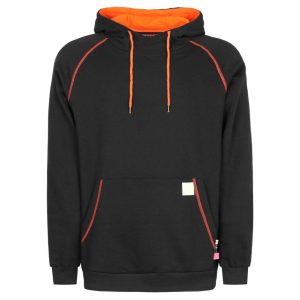
Get a Custom FR Clothing Quote from VisonSafety
Fabrics and Materials That Meet NFPA 2112
Several fabric types commonly meet NFPA 2112 requirements:
- Inherently Flame‑Resistant Fibers: Aramids and similar fibers are intrinsically FR and do not rely on topical treatments.
- Treated Cotton Blends: Cotton blends treated for flame resistance balance comfort with protection.
- Durable Performance Synthetics: High‑performance synthetics support wear resistance and longevity where needed.
Selecting the right fabric depends on the work environment, comfort needs, and required protection levels.
Common FR Fabric Blends and Their Characteristics
Designers use blends to combine protection, comfort, and durability. Typical examples include:
- Modacrylic‑Cotton Blends: Comfortable and suitable for general‑purpose FR garments.
- Aramid‑Polyester Blends: Durable and resilient, offering strong thermal protection and longer service life.
- Treated Cotton‑Nylon Blend: Lightweight and breathable while maintaining flame resistance.
Each blend offers tradeoffs; manufacturers select combinations that meet both NFPA 2112 performance and wearer needs.
Advances in Sustainable and Smart FR Textiles
Innovation now emphasizes sustainability, moisture management, and smart capabilities. New inherently FR fibers improve comfort and environmental credentials, while smart textiles can provide monitoring and feedback to enhance on‑the‑job safety.
How Custom FR Manufacturers Support NFPA 2112 Compliance
Custom FR manufacturers support compliance by verifying material compliance, providing tailored manufacturing services, and guiding certification and documentation processes.
- Material Compliance Assurance: Suppliers select and verify fabrics that meet NFPA 2112 requirements.
- Custom Manufacturing Services: Tailored garments meet fit, branding, and functional needs without sacrificing safety.
- Certification Guidance: Experienced manufacturers help navigate testing, documentation, and lab relationships.
Partnering with a knowledgeable provider like Vision Safety can simplify the path to compliant FR clothing for your team.
Advantages of Working with Certified FR Suppliers
Choosing certified suppliers delivers practical benefits:
- Enhanced Worker Safety: Certified products meet established safety tests, reducing risk.
- Regulatory Confidence: Demonstrable compliance helps meet regulatory and contractual obligations.
- Competitive Differentiation: Supplying compliant FR apparel can strengthen reputation with safety‑focused clients.
Certified suppliers remove uncertainty and help ensure consistent protection for employees.
Customization Options for Industrial FR Apparel
Customization lets companies meet operational and branding needs without compromising protection. Common options include:
- FR‑Safe Trim and Logos: Branding elements made from flame‑resistant materials to preserve overall garment safety.
- OEM Production Flexibility: Original equipment manufacturing services for bespoke solutions.
- Custom Sizing and Specs: Proper fit enhances comfort and safety; custom sizing accommodates diverse workforces.
These options help organizations deliver compliant, on‑brand FR apparel tailored to their needs.
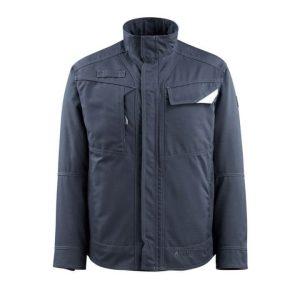
Get a Custom FR Clothing Quote from VisonSafety
Achieving NFPA 2112 Compliance | FAQs
Which industries need NFPA 2112‑compliant clothing?
NFPA 2112 is commonly required in high‑risk sectors such as oil and gas, chemical processing, electrical utilities, petrochemicals, and firefighting support roles; any workplace with flash‑fire hazards should consider it.
How often should NFPA 2112 garments be inspected?
Inspect garments regularly — at minimum annually, and more often in heavy‑use or harsh environments. Check for wear, damage, contamination, and any signs the fabric’s protective qualities may be compromised. Follow manufacturer guidance for intervals and procedures.
Can NFPA 2112 garments be laundered like regular workwear?
Yes, but laundering must follow manufacturer instructions to preserve FR performance: wash separately when possible, use mild detergent, and avoid bleach or fabric softeners that degrade treatments.
How does NFPA 2112 differ from NFPA 70E?
NFPA 2112 addresses flash‑fire protection; NFPA 70E focuses on electrical safety and arc‑flash hazards. They target different threats and use different testing and performance criteria, so choose garments based on the specific hazard.
What are the limits of NFPA 2112‑compliant clothing?
NFPA 2112 garments protect against flash fires but are not designed for all thermal hazards (for example, molten metal splashes or prolonged extreme heat). Effectiveness can decrease with misuse, improper laundering, contamination, or wear.
Are there certifications for manufacturers of NFPA 2112 clothing?
Yes. Testing laboratories and certification bodies evaluate materials and finished garments against NFPA 2112. Work with manufacturers who can provide test reports and certification documentation from accredited labs.
Conclusion
NFPA 2112 compliance is a practical, measurable way to reduce burn risk from flash fires. By choosing appropriate materials, following testing protocols, and working with experienced, certified manufacturers like Vision Safety, organizations can supply protective, comfortable FR apparel that meets industry standards. Explore compliant options and make safety part of your workwear program.
If you have questions or need help, contact us today.
 English
 Deutsch
 Français
 Polski
 Português do Brasil
 Español
 日本語
日本語 Русский
 العربية
 Italiano
 Nederlands
 Türkçe
 한국어
한국어