
NFPA 2112 defines performance and testing requirements for flame‑resistant (FR) clothing used where flash fires are a hazard. The standard sets whole‑garment performance expectations so employers can choose garments that reduce burn severity and support on‑site safety. Below we summarize why NFPA 2112 matters, how garments are tested, which materials qualify, and key selection, maintenance, and certification points.
What is the NFPA 2112 Standard and Why Does It Matter?
NFPA 2112 creates a consistent benchmark for FR clothing used where flash fires can occur. By specifying minimum performance and test criteria, the standard helps organizations in oil & gas, chemical processing, utilities, and similar industries select garments that reduce injury risk and meet regulatory expectations.
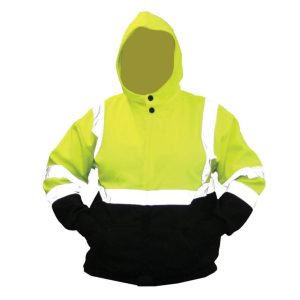
Get a Custom FR Clothing Quote from VisonSafety
Defining NFPA 2112 and Its Role in Workplace Safety
The standard addresses resistance to ignition, limits on heat transfer, seam and component integrity, and garment durability. It emphasizes whole‑garment performance and workmanship, so fabric choice and construction both matter for effective PPE programs.
How NFPA 2112 Protects Against Flash Fire Hazards
Protection is based on repeatable whole‑garment testing that simulates flash‑fire exposure to measure ignition, thermal transfer, and burn potential. Only garments meeting those criteria are considered compliant, which helps limit burn severity and improve survivability in short, intense fires.
Which Fabrics and Materials Comply with NFPA 2112?
Materials that meet NFPA 2112 include inherently flame‑resistant fibers and chemically treated fabrics; blends combine both approaches to balance protection, comfort, and cost.
| Fabric Type | Description | Compliance Level |
|---|---|---|
| Inherently Flame-Resistant Fabrics | Fabrics engineered at the fiber level to resist ignition and maintain protection without additional chemical treatments. | High |
| Treated Flame-Resistant Fabrics | Woven or knit fabrics that receive chemical treatments to provide flame resistance; effectiveness can diminish over time with wear and laundering. | Moderate |
| Blends | Fabrics that combine inherent and treated fibers to balance protection, comfort, and cost. | High |
Manufacturers choose materials based on durability, comfort, and how reliably they meet NFPA 2112 performance requirements.
Types of Flame Resistant Fabrics Used in Industrial Safety Apparel
Common FR fabrics trade off protection, comfort, and cost. Typical options include:
- Nomex: An inherently flame‑resistant aramid with established thermal protection and long service life.
- FR Cotton: Chemically treated cotton that offers breathability and comfort for lower‑heat tasks.
- PBI: A high‑performance fiber used where maximum thermal protection and comfort are required.
Early laboratory work showed notable improvements in PBI technology, highlighting its protective advantages over traditional materials used at the time.
PBI Fabric Development for Superior Fire Protection
PBI was evaluated for use in lightweight flight coveralls. Researchers designed and tested spun PBI fabrics and developed processes to reduce thermal shrinkage after high‑temperature exposure. While further refinement was needed to prevent fabric darkening, the lab findings showed spun PBI outperformed the cotton and Nomex flight suits then in use by the Air Force, offering better resistance to thermal penetration and destruction by fire.
Development of PBI Fabric for Flight Suit Wear Test, 1971
Material selection should reflect the work environment and required level of protection.
Subsequent comparative testing quantified PBI’s improved thermal protection versus Nomex under severe fuel‑fire exposures.
PBI vs. Nomex: Thermal Protection in Fuel Fires
Air Force flight suits made from PBI and Nomex were exposed to JP‑4 fuel fires to compare flammability, mechanical performance, and comfort. Based on mean differences in percent body area damaged across sixty suits, PBI produced 21.5% less body‑area damage than Nomex. In full‑scale wear tests, PBI also ranked highest for wearer comfort in operational evaluations.
The protective characteristics of PBI and NOMEX coveralls in JP-4 fuel fires, 1973
How Arc Flash Protection Clothing Meets NFPA 2112 Requirements
Arc‑flash garments intended for environments with flash‑fire risk are engineered to meet arc‑rating needs and NFPA 2112 flame‑resistance criteria. Manufacturers use appropriate tests and construction methods so a single certified garment can address electrical and thermal hazards where required.
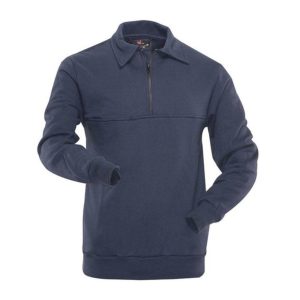
Get a Custom FR Clothing Quote from VisonSafety
How Does NFPA 2112 Compliance Impact Fire Resistant Workwear?
Adopting NFPA 2112‑compliant clothing standardizes selection, issuance, and management of FR PPE. Compliance raises the protection baseline, supports consistent procurement, and helps demonstrate due diligence after incidents.
Certification Processes for NFPA 2112 Compliant Clothing
Certification follows a documented sequence that demonstrates performance and repeatability:
- Testing: Full‑garment tests and material evaluations that validate flame resistance and thermal performance.
- Documentation: Test reports, material specifications, and compliance records from recognized labs and standards.
- Quality Control: Production controls and inspections to ensure ongoing conformity.
Those steps give employers confidence that FR clothing will perform as intended in the field.
Benefits of Wearing NFPA 2112 Certified Industrial Safety Apparel
Certified NFPA 2112 apparel offers clear advantages:
- Enhanced Protection: Reduced severity of burn injuries in flash‑fire events.
- Increased Comfort: Many certified fabrics are made for wearability so workers can perform tasks without restriction.
- Regulatory Compliance: Certification supports safety programs and demonstrates proactive protection measures.
Investing in certified FR clothing helps reduce incident impact and build workforce confidence.
What Are the Maintenance and Customization Options for NFPA 2112 Apparel?
Proper care and validated customizations keep FR garments effective. Best practices include:
- Regular Inspections: Check for wear, damaged seams, or contamination that could reduce protection.
- Proper Laundering: Follow manufacturer guidance—use approved detergents; avoid bleach and fabric softeners.
- Repairs: Repair or retire garments when repairs cannot restore certified performance.
Customization—fit adjustments, pockets, reflective trim, and branding—can be added if done to specification and validated to maintain compliance.
How to Properly Maintain Flame Resistant Clothing for Longevity
To preserve protection and extend service life:
- Laundering: Use mild, manufacturer‑approved detergents; avoid bleach and softeners.
- Inspection: Check for fraying, seam damage, or discoloration; replace garments that no longer meet performance requirements.
- Storage: Keep garments in a cool, dry place away from sunlight and contamination.
Consistent maintenance ensures FR clothing remains reliable when needed most.
Custom Safety Apparel Orders: Tailoring NFPA 2112 Compliant Workwear
Custom orders let organizations balance protection, function, and branding. Common options include:
- Fit Adjustments: Tailoring to ensure mobility and correct coverage.
- Design Features: Pockets, reinforced panels, or reflective trim for job‑specific needs.
- Branding: Company logos and colors applied without compromising garment integrity.
Properly specified custom clothing improves safety, comfort, and team identity.
To learn more about how we can assist you, please contact us today.
For more information on flame resistant clothing and how it protects workers, explore our resources.
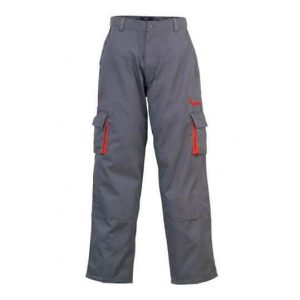
Get a Custom FR Clothing Quote from VisonSafety
What is NFPA 2112 | FAQs
What industries require NFPA 2112 compliant clothing?
Any industry with flash‑fire risk should consider NFPA 2112 clothing, including oil & gas, chemical processing, utilities, and other operations handling flammable liquids or vapors. The standard helps ensure garments limit burn severity and improve survivability.
How can employers ensure their workers are properly trained on NFPA 2112 standards?
Implement regular training that covers why FR clothing is required, correct wear and care, and how to inspect garments. Combine classroom or online modules with demonstrations and periodic refreshers, supported by clear documentation and supervisory oversight.
What are the differences between inherently flame-resistant and treated fabrics?
Inherently FR fabrics resist ignition at the fiber level and retain protection for the garment’s life. Treated fabrics receive chemical treatments and can lose effectiveness with repeated laundering. Choose based on use, cost, comfort, and lifecycle needs.
What should be included in the documentation for NFPA 2112 compliance?
Documentation should include test reports, material specifications, manufacturing records, and certificates from recognized labs showing the garment meets NFPA 2112 criteria, plus quality control and traceability records.
How often should NFPA 2112 apparel be inspected for safety?
Inspect FR apparel before each use when practical and perform a thorough inspection at least monthly or after exposure to unusual conditions. Check for frayed seams, holes, contamination, or other damage and follow manufacturer guidance for repair or replacement.
Can NFPA 2112 compliant clothing be customized for specific job roles?
Yes. NFPA 2112 garments can be tailored for role‑specific needs—fit, pockets, reinforcements, and branding are common customizations. Any modifications should be validated so they don’t reduce certified performance.
Conclusion
NFPA 2112 offers a test‑based foundation for selecting and managing flame‑resistant workwear in high‑risk environments. Following the standard reduces burn risk, supports compliance, and strengthens safety programs. Invest in certified garments, maintain them per manufacturer guidance, and train workers on care and inspection to protect personnel and reduce organizational risk. To explore certified FR clothing options, visit our resources or get in touch.
 English
 Deutsch
 Français
 Polski
 Português do Brasil
 Español
 日本語
日本語 Русский
 العربية
 Italiano
 Nederlands
 Türkçe
 한국어
한국어