
Flame-resistant clothing protects workers in hazardous settings, but standards address different hazards. NFPA 2112 targets flash-fire protection while NFPA 1951 covers technical rescue ensembles; below we summarize each standard, the industries that rely on them, and practical guidance to select compliant apparel.
What Is NFPA 2112 and Its Flame Resistant Clothing Requirements?
NFPA 2112 defines performance, construction, and testing requirements for garments that reduce burn injuries from brief, intense flash fires. The standard sets fabric thermal performance, seam strength, and required certification steps and is commonly applied in oil and gas, chemical processing, and utility sectors with flash-fire risk.
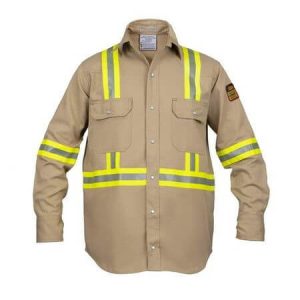
Get a Custom FR Clothing Quote from VisonSafety
Who Needs NFPA 2112 Certified Apparel?
Workers in environments with flash-fire risk should use NFPA 2112-certified garments. Typical examples include:
- Oil and Gas Industry: Personnel involved in drilling, refining, or production face flash-fire exposures and need certified clothing.
- Chemical Manufacturing: Employees handling volatile or flammable substances require garments that meet documented performance standards.
- Electrical Utilities: Workers exposed to electrical arcs and related flash events should select apparel certified to the relevant flash-fire criteria.
Matching the standard to your hazards ensures appropriate protection.
What Are the Key Compliance Criteria of NFPA 2112?
NFPA 2112 compliance centers on key elements that guarantee garment performance in flash-fire scenarios:
- Flash Fire Protection Requirements: Garments are tested to limit burn severity during flash-fire exposure.
- Material Performance Standards: Fabrics must meet defined thermal protection and durability metrics.
- Certification Processes: Manufacturers follow accredited testing protocols and documentation to certify compliance.
These controls ensure apparel performs as intended under flash-fire exposure.
What Does NFPA 1951 Cover for Technical Rescue Protective Gear?
NFPA 1951 addresses garments for technical rescue operations where mobility, durability, and protection from environmental hazards matter. It emphasizes usability—freedom of movement, resistance to water and contaminants, and wearer comfort—so rescuers can perform tasks efficiently while staying protected.
Which Industries Require NFPA 1951 Certified Rescue Ensembles?
Organizations that commonly specify NFPA 1951-certified ensembles include:
- Fire Departments: Rescue personnel need rugged, functional gear for varied tasks.
- Search and Rescue Teams: Teams in diverse environments require garments that balance protection with mobility.
- Emergency Medical Services: EMS crews entering hazardous or contaminated areas benefit from NFPA 1951–compliant clothing.
These groups rely on NFPA 1951 to ensure ensembles perform under the physical demands of rescue work.
How Do NFPA 2112 and NFPA 1951 Differ in Protection and Application?
The primary difference is purpose: NFPA 2112 focuses on thermal protection for flash fires, while NFPA 1951 emphasizes rescue-specific usability (mobility, environmental resistance, and comfort). Testing methods, performance criteria, and intended use cases differ, so choosing the correct standard depends on actual job hazards.
For custom safety apparel, consult specialists who can recommend designs that meet the applicable standard and your operational needs.
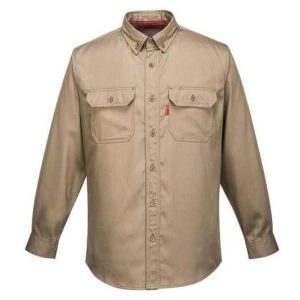
Get a Custom FR Clothing Quote from VisonSafety
Can Flame Resistant Clothing Meet Both NFPA 2112 and 1951 Certifications?
Yes. Some garments are engineered to satisfy both NFPA 2112 and NFPA 1951. Dual-certified apparel is useful where workers may face both flash-fire and rescue-type hazards; verify test reports and design features to confirm compliance with both standards.
How to Choose the Right FR Apparel Based on NFPA Standards?
Picking the right flame-resistant (FR) clothing means evaluating a few practical factors:
- Compliance with Relevant Standards: Confirm the garment meets NFPA 2112 or NFPA 1951 based on workplace hazards.
- Material Composition Considerations: Choose fabrics that provide required protection while supporting breathability and range of motion.
- Durability and Comfort Factors: Select well-constructed garments that remain comfortable during long shifts—comfort impacts compliance and safety.
Evaluating these areas helps you balance protection, performance, and wearer acceptance.
| Standard | Focus Area | Key Requirements |
|---|---|---|
| NFPA 2112 | Flash Fire Protection | Material performance, seam integrity, certification processes |
| NFPA 1951 | Technical Rescue | Usability, comfort, protection against environmental hazards |
The table summarizes the core focus and requirements that distinguish NFPA 2112 from NFPA 1951.
What Factors Influence Selecting NFPA 2112 vs. NFPA 1951 Certified Clothing?
Several practical factors determine which certification is most appropriate:
- Type of Hazard Present: Identify whether flash fires, rescue conditions, or both are likely in your operations.
- Performance Requirements: Match garment capabilities—thermal protection, water resistance, mobility—to tasks.
- Comfort and Mobility Considerations: Choose clothing that allows safe, unrestricted movement; discomfort can reduce use and increase risk.
Considering these factors helps protect workers while maintaining operational effectiveness.
How Do Certifications Impact Comfort, Durability, and Safety?
Certifications like NFPA 2112 and NFPA 1951 shape garment design and testing, which influences comfort, durability, and protective performance. Certified apparel uses tested materials and construction methods to maintain protection through wear and maintenance, and many certified designs include ergonomic features to support movement. Choosing certified gear means investing in documented, consistent protection.
To review certified options, visit flame-resistant clothing suppliers that list test documentation and certification details.
If you need help selecting the right protective gear, please contact us for expert guidance.
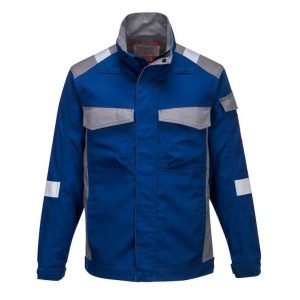
Get a Custom FR Clothing Quote from VisonSafety
NFPA 2112 vs NFPA 1951 | FAQs
What are the testing methods used for NFPA 2112 and NFPA 1951 certifications?
Both standards require laboratory testing under accredited protocols. NFPA 2112 evaluates thermal performance against flash-fire exposure (fabric heat-transfer and char/ignition behavior), while NFPA 1951 tests durability, environmental resistance (water, contaminants), and ergonomic performance; manufacturers must document results to show compliance.
Can flame resistant clothing lose its protective qualities over time?
Yes. Wear, chemical exposure, improper laundering, and repeated damage can degrade an FR garment’s protection. Regular inspections, correct care, and timely replacement of damaged items are essential.
How do I properly care for NFPA certified flame resistant clothing?
Follow the manufacturer’s care label: wash in cool water with mild detergent, avoid bleach and fabric softeners, tumble dry low or line dry, and avoid high-heat ironing or dry cleaning unless allowed. Inspect garments after each use.
Are there any specific labeling requirements for NFPA certified clothing?
Yes. Labels should indicate the applicable standard (NFPA 2112 or NFPA 1951), the manufacturer’s identification, and care instructions; labels may also note performance characteristics to confirm suitability for the intended hazard.
What is the lifespan of NFPA certified flame resistant clothing?
Lifespan depends on use, exposure, and care. Many manufacturers suggest replacing FR garments every 3 to 5 years as a general guideline, but replace immediately if damage, contamination, or deterioration affects protection.
How can I ensure that my flame resistant clothing fits properly?
Proper fit is critical. Use the manufacturer’s sizing guide and, when possible, try garments on to check mobility and layering. The clothing should allow a full range of motion without being overly loose, and account for any layers worn underneath.
Conclusion
Understanding the differences between NFPA 2112 and NFPA 1951 helps you choose FR apparel that matches workplace hazards. Select certified garments based on identified risks, required performance, and wearer needs to ensure protection and usability. Browse certified options or contact us for personalized recommendations—our team can help you find the right gear for your industry.
 English
 Deutsch
 Français
 Polski
 Português do Brasil
 Español
 日本語
日本語 Русский
 العربية
 Italiano
 Nederlands
 Türkçe
 한국어
한국어