
High‑visibility (hi‑vis) shirts keep people seen and safe on the job, but some cleaners can harm them. This guide explains how hydrogen peroxide can affect hi‑vis fabrics and reflective trims, suggests safer cleaning options, and clarifies certification considerations for safety apparel. You’ll get practical care steps to preserve visibility and service life.
How Does Hydrogen Peroxide Affect Hi Vis Shirt Fabrics?
Hydrogen peroxide is an oxidizer that can react with textile fibers and reflective materials. With strong solutions or repeated exposure it may weaken seams, fade fluorescent dyes, or dull reflective strips. Understanding how peroxide interacts with each component helps prevent damage and keeps garments performing where visibility matters.
Studies have looked at hydrogen peroxide’s use for decontaminating PPE and its effects on fabric performance and integrity.
Hydrogen Peroxide Decontamination and PPE Integrity
The authors developed a vaporized hydrogen peroxide (VHP) decontamination method and tested several VHP concentrations to disinfect PPE, including coveralls, face shields, and N95 masks. They evaluated biological indicators (Escherichia coli, Mycobacterium smegmatis, and spores of Bacillus stearothermophilus) to confirm disinfection, then measured how repeated VHP treatments affected physical properties, permeability, and fabric integrity of coveralls and N95 masks.
Development of a highly effective low-cost vaporized hydrogen peroxide-based method for disinfection of personal protective equipment for their selective reuse…, V Saini, 2020
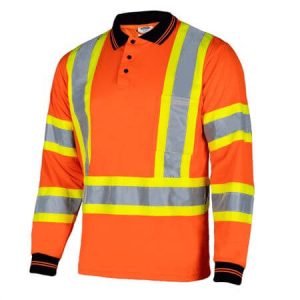
Get a Custom Hi-Vis Shirt Quote from VisonSafety
What Chemical Reactions Occur Between Peroxide and Polyester or Cotton Blends?
Peroxide can cause oxidative reactions in natural and synthetic fibers. Repeated or concentrated exposure may break down polymers, weakening yarns and reducing tensile strength. Occasional diluted household use is unlikely to cause immediate failure, but cumulative exposure is the main concern for garments that must retain high visibility.
Other research highlights hazards tied to hydrogen peroxide decomposition and the risks that can pose for protective clothing.
Hazards from Hydrogen Peroxide and Protective Clothing
The decomposition of hydrogen peroxide can produce reactive species and heat under certain soiling or contamination conditions, which may accelerate burning or material breakdown when protective clothing is exposed to the chemical.
Hazard Assessment of Personal Protective Clothing for Hydrogen Peroxide Service, 2004
Can Peroxide Damage the Reflective Properties of Safety Apparel?
Yes. Reflective tapes and retroreflective coatings are sensitive to oxidizers. Strong or repeated peroxide contact can degrade the reflective layer and reduce nighttime visibility. For safety‑critical garments, avoid harsh oxidizers unless the product documentation explicitly permits them.
What Are the Safest Cleaning Methods for Hi Vis Shirts?
To protect fabric and reflective performance, use gentle care: mild detergents, no strong bleaches or oxidizers, lower wash temperatures, and low mechanical action. These simple habits extend the life and safety of hi‑vis garments. Recommended practices include:
- Use Mild Detergents: Choose detergents for delicate or technical fabrics to protect dyes and trims.
- Cold Water Wash: Cold water reduces dye loss, shrinkage, and chemical activity that stresses fibers.
- Air Dry: Line or flat drying limits heat stress from tumble drying and helps preserve reflective elements.
Which Alternatives to Peroxide Are Recommended for Stain Removal?
For stains that don’t require strong chemistry, try gentler household or specialty options that won’t attack reflective trims:
- Baking Soda: A mild abrasive and deodorizer that lifts many common stains.
- White Vinegar: Diluted vinegar can break down grime and brighten fabrics — use sparingly and rinse well.
- Commercial Stain Removers: Use products labeled safe for reflective or high‑visibility workwear.
These alternatives reduce risk to fabric and trims while still removing common stains.
How to Properly Clean Hi Vis Clothing to Maintain Durability and Safety?
Follow a few straightforward steps to protect function and lifespan:
- Read Care Labels: Follow the manufacturer’s instructions based on the garment’s materials.
- Pre-treat Stains: Apply a small amount of mild detergent or approved stain remover before washing.
- Gentle Cycle: Use low‑agitation settings to limit mechanical wear on fabric and trims.
- Avoid Fabric Softeners: Softeners can leave residue that reduces breathability and affects retroreflective performance.
Routine, careful cleaning helps hi‑vis garments remain safe and serviceable longer.
What Safety Certifications Ensure Hi Vis Shirt Quality and Chemical Resistance?
Certifications verify visibility and construction quality. Standards such as and set requirements for fluorescent background material and retroreflective performance. They focus on visibility and durability under normal use and do not typically certify resistance to specific chemicals, though certified products usually reflect stronger manufacturing controls.
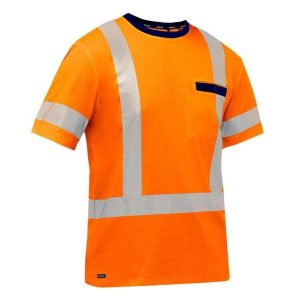
Get a Custom Hi-Vis Shirt Quote from VisonSafety
How Do ANSI and EN ISO Certifications Relate to Fabric Durability?
ANSI/ISEA 107 and EN ISO 20471 test visibility, reflective placement, and resistance to wear and laundering. Chemical resistance (e.g., to hydrogen peroxide) is not the primary focus, but compliance indicates robust materials and construction—important when choosing workwear for demanding environments.
Research has evaluated fluorescent fabrics and retroreflective materials against standards like ISO 20471 to confirm compliance and real-world performance.
Hi‑Vis Fabric Standards and Performance Testing
This study compared physical properties of several fluorescent fabrics and retroreflective materials to determine whether they meet international standards for high‑visibility clothing. Samples included a PET 71%/Cotton 23%/PU 6% fabric used in road cleaner uniforms (S1), an ISO‑compliant Japan-made PET 65%/Cotton 35% + conductive fabric (S2), and Korean-made PET 100% fabrics for adults (S3) and children (S4). Each sample was evaluated against the seven criteria in ISO 20471.
An evaluation of the suitability of fluorescent fabrics and retroreflective materials for road traffic warning clothing in compliance with international standards, 2019
Why Is Certification Important for Custom Manufactured Safety Apparel?
For custom workwear, certification gives measurable assurance that the finished product meets recognized visibility and performance benchmarks. Certified garments reduce liability, increase buyer confidence, and show a manufacturer’s commitment to quality—especially when apparel is tailored for specific hazards.
How Can Custom Manufacturing Enhance Hi Vis Shirt Durability Against Chemical Damage?
Custom manufacturing lets you specify fabrics, coatings, and construction details that increase resistance to cleaners and workplace chemicals. Choosing materials and finishes suited to the environment helps garments better withstand cleaning and occasional chemical exposure while maintaining visibility.
What Fabric Types and Treatments Improve Resistance to Peroxide Effects?
Some fibers and surface treatments resist oxidizers better. Treated synthetics and specialty finishes slow degradation and protect trims. The table below compares common options and typical resistance:
| Fabric Type | Treatment | Resistance Level |
|---|---|---|
| Polyester | Water-repellent coating | High |
| Cotton | Chemical-resistant finish | Low to Medium |
| Blends | UV protection treatment | Medium |
This is why polyester and treated synthetics are often preferred where chemical exposure or heavy laundering occur; cotton has less inherent chemical resistance.
How to Inquire About Custom Orders for Certified Hi Vis Shirts?
Ordering custom certified hi‑vis shirts usually follows a simple process. To start:
- Identify Your Needs: Define fabrics, certifications, reflective placement, and any performance features.
- Contact the Manufacturer: Share project details to get quotes and lead times.
- Provide Specifications: Supply sizes, artwork or logos, and any testing or certification requirements.
Clear specifications up front help manufacturers deliver certified apparel that meets your safety and durability expectations.
Will Hydrogen Peroxide Damage Hi‑Vis Shirts | FAQs
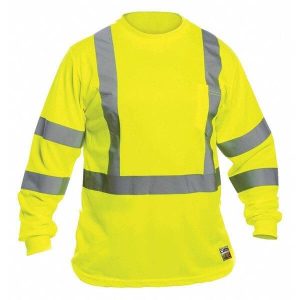
Get a Custom Hi-Vis Shirt Quote from VisonSafety
What are the long-term effects of using hydrogen peroxide on hi vis shirts?
Repeated or concentrated exposure can progressively weaken fibers and degrade reflective coatings, reducing strength and visibility. Limit peroxide use and prefer milder cleaners unless the manufacturer permits it.
Are there specific washing instructions for maintaining hi vis shirts?
Follow the care label. Generally wash cold on a gentle cycle with mild detergent, avoid fabric softeners, and air dry when possible to preserve dyes and reflective materials.
How can I tell if my hi vis shirt is still effective after cleaning?
Inspect for fading, cracking, peeling, or loss of reflectivity. If reflective tape looks dull or the fabric shows thinning, replace the garment to maintain safety.
What should I do if my hi vis shirt gets stained?
Pre‑treat stains with mild detergent or an approved remover, let sit briefly, then wash on a gentle cold cycle. Avoid harsh chemicals like bleach or peroxide unless the care label allows them.
Can I use bleach on hi vis shirts for cleaning?
No. Bleach is harsh and can damage fabric and reflective components. Use gentler alternatives such as baking soda, diluted white vinegar, or approved stain removers.
What are the benefits of custom manufacturing for hi vis shirts?
Custom manufacturing lets you choose fabrics, coatings, and construction that match your environment, improving durability, potential chemical resistance, and reflective placement for safety and comfort.
How often should hi vis shirts be replaced?
Replace shirts that show visible wear, fading, or damaged reflective strips. Replacement frequency depends on use and exposure; in high‑risk settings consider annual or biannual replacement as part of a safety program.
Conclusion
Hydrogen peroxide can help with some cleaning tasks but poses risks to hi‑vis fabrics and reflective trims when used concentrated or repeatedly. Follow manufacturer care instructions, favor gentler cleaning methods, and choose certified garments for reliable visibility and durability. These practices will help keep safety apparel effective longer; consult care and certification resources for more detail.
 English
 Deutsch
 Français
 Polski
 Português do Brasil
 Español
 日本語
日本語 Русский
 العربية
 Italiano
 Nederlands
 Türkçe
 한국어
한국어